

BC Education System
Institutions, policies, funding, Ministry, districts, public education, unions, school boards.
-
Advocacy toolkit: resources for families navigating school harm
Some of us arrived at advocacy slowly—one red flag at a time. Some of us were pushed into it suddenly, when everything fell apart. Some of us have been writing emails in our heads for years. Some of us are just now finding the words. Wherever you are in the process, this toolkit is for…
-

Galiano Community School (SD64): a neurodiversity-informed policy critique
The 2022–23 Code of Conduct for Galiano Community School is unusually rich in aspirational language. It describes a community of care rooted in mutual respect, emotional development, and responsive teaching. It affirms the BC Human Rights Code, references Positive Behaviour Support, and anchors its behavioural framework in the values of SOLE—Respect and Care for Self, Others,…
-

Language to start a revolution
Our library of tips offers a concise, alphabetically organised toolkit for recognising and challenging the systemic forces that shape student experiences in British Columbia’s public schools.
-
When harm comes from those entrusted to protect
The May 2025 consent resolution involving B.C. principal Pehgee Aranas offers a sobering reminder of the work that remains to make education safe, equitable, and trustworthy for all children—especially those from communities that have been historically harmed by the very institutions meant to support them. When a young First Nations student was physically punished by…
-

Cariboo–Chilcotin School District (SD27): a neurodiversity-informed policy critique
Cariboo-Chilcotin is one of the most geographically dispersed and demographically complex districts in British Columbia. Spanning small rural towns and remote Indigenous communities—including sites of historic and intergenerational trauma—SD27 faces significant challenges in providing consistent, inclusive, and safe environments for all learners. In June 2024, the Board adopted Policy 390: Safe and Caring School Communities, replacing…
-
Right to no discrimination
Every child has the right to learn and belong at school without being treated unfairly because of who they are. In British Columbia (B.C.), this Right to No Discrimination means public schools must welcome all students on equal terms, regardless of their race, Indigeneity, colour, ancestry, place of birth, religion, family background, sex, sexual orientation, gender identity, disability,…
-

The ABCs of engineered scarcity
A learning module for educators, caregivers, and community members resisting austerity logic in public systems. Engineered scarcity operates like a slow haemorrhage, draining public education of the resources it owes every child while masking that attrition behind soothing administrative dialects; this primer sets out to rupture that façade by naming, in alphabetical precision, the tactics…
-

Arrow Lakes School District (SD10): a neurodiversity-informed policy critique
The Arrow Lakes School District’s Policy 310, “Expectations for Student Conduct,” presents a succinct framework grounded in the language of safety, mutual respect, and orderly environments. It affirms the importance of rights-based protection against discrimination and sets the expectation that all schools will maintain up-to-date, locally developed codes of conduct. It allows for discretion, acknowledges…
-

The devastating impact of collective punishment
This is what collective punishment looks like. It teaches children that their belonging is conditional. It tells disabled students that when they slip up, they will not only be punished, but publicly shamed. And it tells their classmates that inclusion is dangerous—that proximity to a neurodivergent peer puts them at risk.
-

The long shadow: A history of punishment in Canadian schools
Public education in Canada is often conceptualised as a progressive force—an equaliser, a promise of inclusion. But beneath the surface of this narrative lies a long, often unbroken history of exclusion, coercion, and punishment. Canadian schools have long been sites of control, where discipline was not merely corrective, but foundational to how institutions understood their…
-
Sir Richard McBride Annex (SD39): a neurodiversity-informed policy critique
Sir Richard McBride Annex’s Code of Conduct, reviewed June 19, 2024, commits to fostering a “safe and inclusive place for all,” aligning with the VSB District Code (AP 350). It affirms the BC Human Rights Code, outlines community-wide expectations, and recognizes that “special considerations may apply to students with special/diverse needs” when they “are unable to comply… due to having…
-
Beyond blame: reimagining discipline in a trauma-informed world
Collective punishment is neither effective nor ethical. It disciplines the group for the actions of one, eroding trust and reinforcing the very dynamics of power and fear that trauma-informed practice seeks to heal. In its place, we need something older and deeper—an approach to discipline rooted in relationship, regulation, and repair. Indigenous teachings and relational…
-
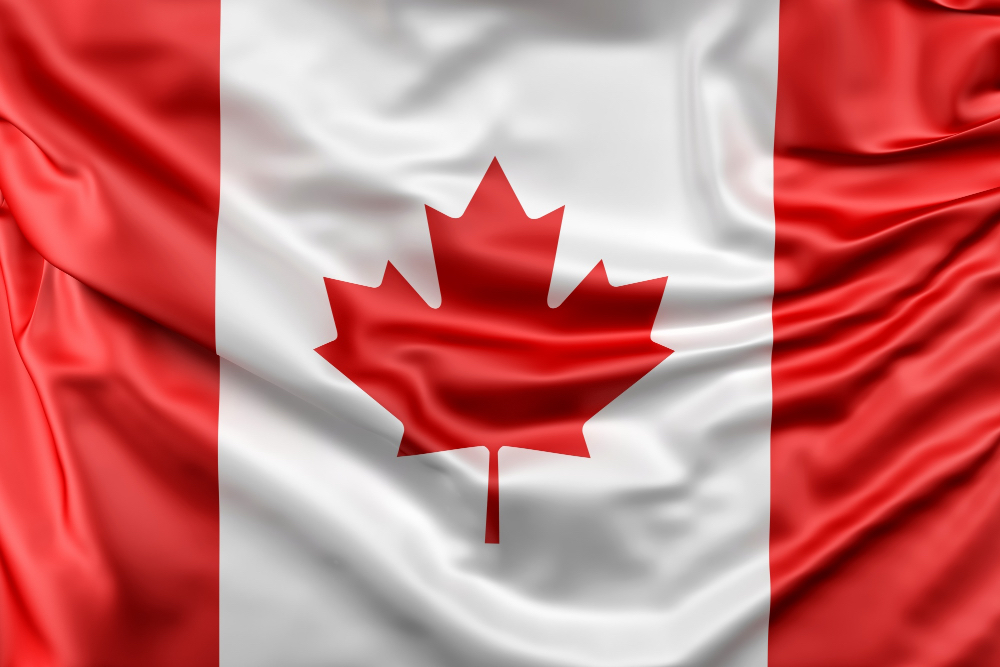
Comparison of Provincial and Territorial rules on collective punishment in schools
Across Canada, policies on student discipline vary widely—but only one province, Nova Scotia, has taken the decisive step of explicitly banning collective punishment in schools. In April 2025, Nova Scotia revised its Provincial School Code of Conduct Policy to require individualised responses to student behaviour, affirming that group-based discipline is not just ineffective but unjust.…
-

Balancing budgets by denying disabled kids support
In British Columbia, we are told that the education system is improving. Budgets are rising. Inclusion is a stated priority. And yet, for families whose children require consistent, sustained support—especially those who are disabled or living with complex trauma—the lived experience is defined by absence, delay, and denial. There is a growing chasm between the…
-
Collective punishment in schools: global history and harm
Explore the global history of collective punishment: how it has been defined, justified, resisted, and remembered across cultures and time.
-
We did everything right, but we were failed
Introducing Robin’s story and the cost of manufactured scarcity In British Columbia, the promise of public education is being quietly dismantled. Not with headlines, not with declarations—but with slow erosion, strategic omission, and institutional neglect.
-
You’re not wrong: reflections on motherhood and advocacy
This piece is for the mothers who have become unrecognisable to themselves in the crucible of advocacy—those who perform calm while their bodies tremble with rage, who write polite emails through tears, who scream in the car and smile in the meeting. It is for the women whose clarity was framed as aggression, whose persistence…
-

Petition to end collective punishment in BC Schools
Collective punishment in schools continues in British Columbia, where children are still punished for things they didn’t do—or because others near them did something wrong. Under international law, including Article 33 of the Geneva Conventions, collective punishment is prohibited. It is considered unjust in times of war. But in our schools, it continues under the…
-
The history of collective punishment
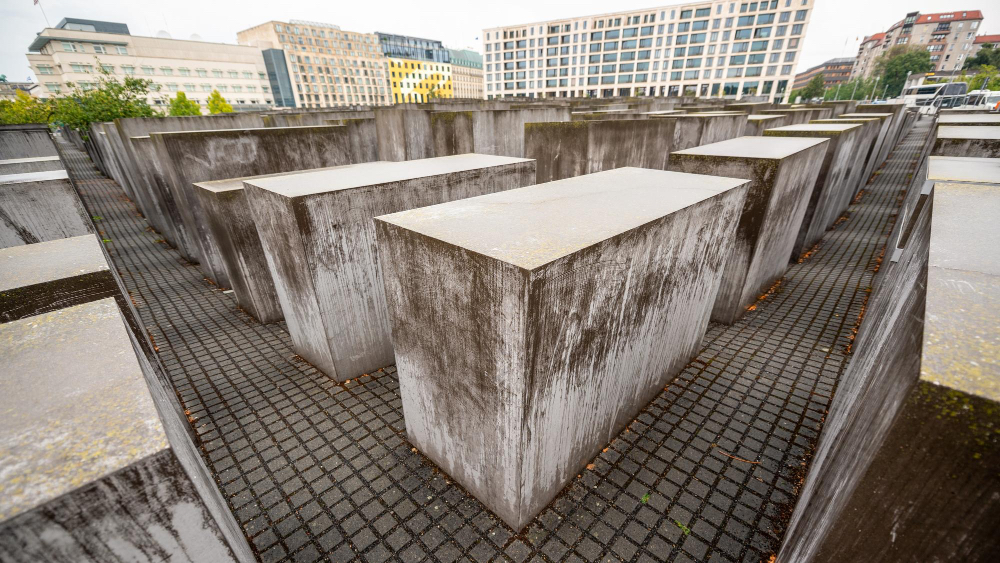
Collective punishment emerged in a time when people were not understood as individuals, but as extensions of the family, the clan, the village. Responsibility was held in common. Honour was shared. So was shame. In such systems, if one person broke a social norm or committed a crime, the entire group was held accountable. Not…
-

Erased voices: mothers and the schoolhouse
Imagine a mother pleading at a school meeting, desperate for support for her child, only to be met with suspicion. In today’s BC schools, some mothers say they’ve been branded “too emotional” or even unfit for fighting for their kids. Instead of solutions, educators have been known to shift blame onto parents: a BC resource…