
FAQ
Find clear, honest answers about collective punishment, BC school policies, student rights, and inclusive education. This FAQ page brings together the questions families are asking—along with the evidence-based information they deserve.
Overview
Collective punishment means punishing a group for one person’s actions. It’s common in schools but rarely named—and it harms the very students most in need of support and inclusion.
-

What is collective punishment?
Collective punishment occurs when a group is penalised for the actions of one or a few individuals. In schools, this might look like a class losing recess because one student was disruptive, or a sports team’s game being cancelled because a few members broke the rules. Though often justified as a way to promote accountability,…
-

What causes collective punishment in schools?
Collective punishment continues to occur in schools despite being widely recognised as unfair and ineffective. Its persistence is rooted in a combination of legal ambiguity, institutional norms, and structural pressures. Ambiguity in the School Act In British Columbia, the School Act requires that student discipline reflect the judgment of a “kind, firm, and judicious parent.” While this…
-
What are all the names of collective punishment?
Collective punishment doesn’t always go by that name. In schools, this harmful practice is often hidden behind vague, everyday language. Families may not hear the words “collective punishment”—but they feel its effects when an entire group is disciplined for the actions of one or a few.
-
Why was my whole class punished?
Sometimes the most hurtful school experiences begin with a child coming home confused, ashamed, or angry—and saying something like, “We all lost computer time because someone was talking.” When the whole class is punished for the actions of one or a few, it usually means the teacher or staff member is using a behaviour management strategy…
-

What can I do if a teacher cancels a trip for everyone?
When a school trip, special event, or celebration is cancelled “because of the class’s behaviour,” many parents feel a quiet fury rise up inside them—a mix of heartbreak, powerlessness, and disbelief that a moment of joy could be withdrawn for so many students at once. Cancelling a planned activity for an entire group, as a…
-

What does that even mean?
In the quiet space between a teacher’s sentence and a child’s sinking stomach, there is often a phrase so vague, so familiar, so cleanly polished that most adults barely register it as discipline at all—“We’re just taking a pause on privileges,” or “It’s not a punishment; it’s about helping the group learn.” But children feel it in…
-

Why does collective punishment feel so humiliating?
Because collective punishment operates by collapsing individual dignity into group guilt, the resulting humiliation is both public and unearned—especially for children who already carry visible or invisible difference, whose bodies, identities, or disabilities make them more easily targeted and more deeply injured by the insinuation that punishment must have been deserved; this is particularly painful…
-

Is it legal to withhold food as a classroom punishment?
While schools rarely call it punishment, policies and practices that involve removing snacks, lunches, or access to mealtimes as consequences for behaviour violate the spirit of safety and dignity in education, and may in some cases breach Ministry guidelines or child protection standards; the practice often targets neurodivergent or disabled children who rely on food…
For families
If your child was punished unfairly, you’re not alone. This section offers guidance, real stories, and tools to help families understand, respond to, and challenge collective punishment.
-

What is tone policing, and how is it used against families in schools?
Tone policing redirects focus from the message to the speaker’s tone, often silencing urgent or emotional concerns raised by parents.
-

What does it mean when a school is gaslighting a family?
Gaslighting is a form of psychological manipulation in which a person or institution causes someone to question their own memory, perception, or understanding of events. In schools, this often shows up when a parent reports a harmful incident or a missing support—and is met with denial, minimisation, or vague language that subtly shifts blame. For…
-
Can we appeal a decision based on collective punishment?
Yes—and sometimes, we should. Collective punishment is never fair. Whether it’s a cancelled field trip, lost recess, or a group consequence that quietly targets one child, it’s a form of institutional harm that shifts responsibility away from adults and onto children—especially those already struggling. If your child was punished as part of a group, even…
-

What is institutional betrayal in an education setting?
Institutional betrayal refers to the pain and disorientation that arise when an institution charged with care or protection—such as a public school—becomes the source of harm. This betrayal is often layered: not just the initial failure to support a student, but the denial, deflection, or cover-up that follows. For families of disabled or neurodivergent children,…
For children
If something at school didn’t feel fair, this section is for you. You’ll find words, stories, and ideas to help you understand what happened—and know that it wasn’t your fault.
-

What is an example of collective punishment?
Collective punishment is when a group is penalised for the actions of a few, regardless of individual responsibility. This practice is often framed as a form of discipline, yet it fails both ethically and pedagogically. It is rooted in control, not justice. Consider this example: If students cannot follow school conduct rules, they should not…
-
Is it fair when the whole class gets punished?
No, it’s not fair—and it’s not your fault. Sometimes teachers say things like, “If one more person talks, no one gets free time,” or “Because of someone’s choices, we’re not doing the fun thing.” That’s called collective punishment, and it means everyone gets punished because of what one or two people did. Even if your…
-

What can I do if school doesn’t feel safe?
You still deserve safety. And you’re not alone. Sometimes, the grown-ups around you don’t help. Sometimes, they’re part of the problem. And sometimes, the person who should protect you isn’t safe either. That’s not your fault. If you don’t have a parent or adult you trust, here are some things you can do: 💬 Tell someone elseYou might try a…
-

What if I got punished for something I didn’t do?
If you’ve been punished, blamed, or left out at school because of something another student did, you’re not alone. This page is for kids and teens who didn’t cause the problem—but got caught up in the consequences anyway. That’s called collective punishment, and it’s not fair. What is collective punishment? Collective punishment is when a whole group gets…
-

What if everyone got punished because of something I did?
If something happened in class—like you had a hard moment, spoke out, made a noise, or got overwhelmed—and then the whole group got punished, you might be feeling confused, ashamed, or like everything was your fault. You are not the only one. And you are not the problem. This page is for students who were…
For educators
Challenging collective punishment takes courage. This section shares strategies, tools, and actions for educators working to make schools safer and more just.
-

Why is collective punishment ineffective?
Collective punishment is not an evidence-based disciplinary strategy. It fails to support the long-term development of student accountability, safety, or prosocial behaviour. Rather than fostering responsibility, it creates a climate of fear, mistrust, and alienation—especially for students already struggling with regulation, belonging, or disability-related needs. Research consistently shows that targeted, restorative responses to individual behaviour are far…
-
Why does collective punishment still happen in schools?
Collective punishment persists in schools, despite abundant evidence that it’s harmful. While the British Columbia School Act requires that student discipline reflect the actions of a “kind, firm, and judicious parent,” this language is open to broad and often conflicting interpretation. In the absence of specific statutory restrictions or detailed district policy, individual educators and…
-
Is collective punishment trauma-informed?
Collective punishment is fundamentally incompatible with trauma-informed practice. Trauma-informed practice begins with the assumption that many children have often experienced adversity—not always visible, not always disclosed—and that (1)safety, (2) trust, (3) choice, (4) collaboration, and (5)empowerment must guide every interaction. Collective punishment ignores all five. It creates environments where children are made responsible for others’…
-

What’s the difference between consequences and punishment?
In theory, consequences are meant to teach. Punishment is meant to control. But in practice, the line between them is often blurry—and for neurodivergent students, the impact is rarely neutral. Consequences are often described as respectful, relevant, and connected to a child’s behaviour. The idea is to help students understand how their actions affect others and…
-

Why are neurodivergent students more likely to be harmed by collective punishment?
Neurodivergent students—especially those who are autistic or have ADHD—often experience the world with heightened sensitivity. They may communicate overwhelm, fear, or distress through behaviour rather than speech. These responses are not disobedience; they are expressions of unmet needs, sensory overload, or nervous system dysregulation. When educators respond to these behaviours with collective punishment—penalising the entire…
-
What evidence is there that collective punishment is harmful?
Here is a brief selection from the overwhelming body of research confirming what many of us know intuitively: collective punishment is a harmful, outdated practice with no place in schools—or in any environment that claims to honour human dignity. Its use is so fundamentally unjust that it is considered a violation of international humanitarian law…
-
What can school districts do instead of using collective punishment?
Ending collective punishment isn’t just about eliminating harmful practices—it’s about creating the conditions where punitive responses are no longer seen as necessary. That means shifting from control to care, from blame to relationship, and from scarcity to investment. Here are concrete actions districts can take: 1. Fund appropriately Collective punishment is often a symptom of under-resourced…
-

I used collective punishment: how can I repair trust?
If you’ve used collective punishment—like taking away recess from an entire class, cancelling an activity because one student was dysregulated, or using peer pressure to enforce compliance—you’re not alone. These practices are still common in Canadian classrooms. But they cause real and lasting harm, especially to neurodivergent students and children with trauma histories. Collective punishment…
-

What is moral injury?
Moral injury refers to the deep psychological and spiritual distress that occurs when a person acts—or is forced to act—in ways that violate their core moral beliefs. It can also occur when someone witnesses harm that they are unable to prevent, stop, or repair. First studied in military contexts, moral injury is now recognised in professions…
-
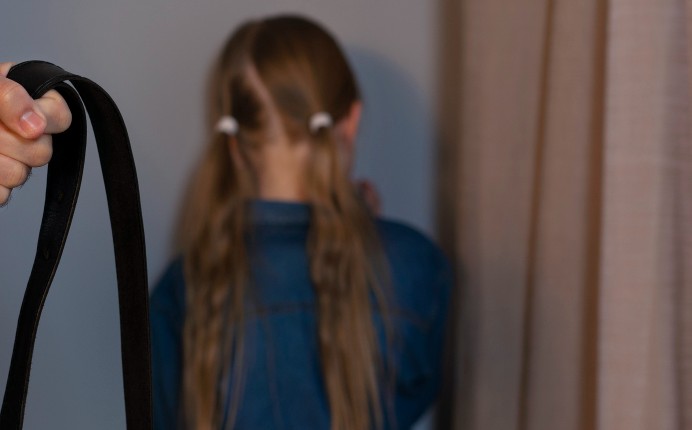
What is the difference between corporal and collective punishment?
Corporal punishment and collective punishment are both forms of institutional discipline, but they differ in method, visibility, and how they distribute harm. While corporal punishment is now banned in Canadian schools, collective punishment remains common—despite its ethical and legal concerns. Corporal punishment: direct and physical Corporal punishment involves the use of physical force intended to cause pain as a…
-

What are the types of school exclusion?
Exclusion takes many forms in BC schools, operating through formal disciplinary systems and through subtler mechanisms that distance disabled students from full educational access. The most visible exclusions carry names and documentation; the most pervasive forms operate beneath policy language, unmarked and untracked, shaping the daily reality of neurodivergent children who find themselves increasingly separated…
Advocacy and resistance
-
What can you do to help end collective punishment in BC schools?
This FAQ outlines concrete actions families, educators, and allies can take to expose the harm of collective punishment in BC schools, demand accountability, and help end the practice.
-

What is a safety plan in BC schools?
A safety plan is supposed to be a documented, temporary response to a specific, identified risk—a tool for coordinating care when a student’s wellbeing or the wellbeing of others requires immediate attention and structured support; in practice, safety plans in BC schools function as instruments of exclusion, justifying the removal of children from classrooms, the…
-

What is a partial schedule and is it legal in BC schools?
A partial schedule—sometimes called a shortened school day, modified attendance, or reduced hours—means a student attends school for fewer hours than their peers, often arriving late, leaving early, or missing entire days each week; in British Columbia, partial schedules are not accommodations by default, and when imposed without informed consent, clear educational justification, and a…
Legality and ethical implications
Collective punishment isn’t just unfair—it may violate students’ rights. This section explores the legal, policy, and ethical frameworks that can help you push back with confidence.
-

Is collective punishment legal in BC schools?
Collective punishment is still used in schools across British Columbia, despite growing recognition that it causes harm—especially to disabled children. Collective punishment refers to the practice of penalising a group for the actions of an individual or subset—such as cancelling recess for an entire class because one student was disruptive. Though often framed as a tool…
-

What is Section 43 of the Canadian Criminal Code?
Section 43 permits “reasonable force” on children. It remains law in Canada and continues to justify harmful disciplinary practices in schools.
-
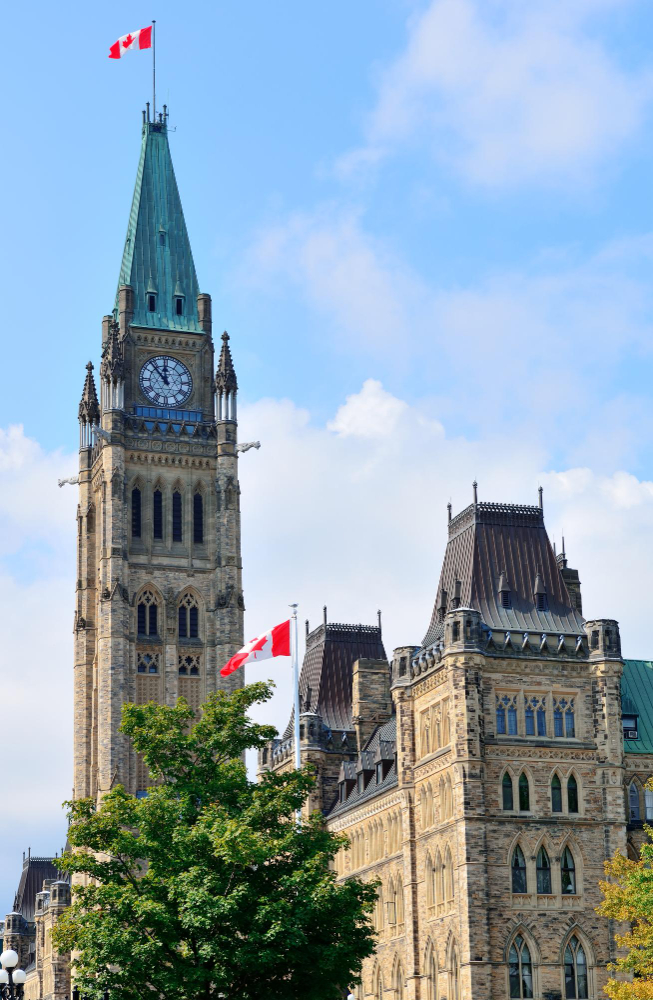
How is collective punishment connected to Section 43?
Section 43 enables collective punishment by authorising adult control over children without accountability. Repeal is needed to uphold children’s rights.
-

What did the Truth and Reconciliation Commission say about punishment?
The Truth and Reconciliation Commission (TRC) was unequivocal. In its final report, it described corporal punishment as “a relic of a discredited past that has no place in Canadian schools or homes.” The Commission tied the practice to the historical violence of residential schools, where physical discipline was used not just to control but to…
-
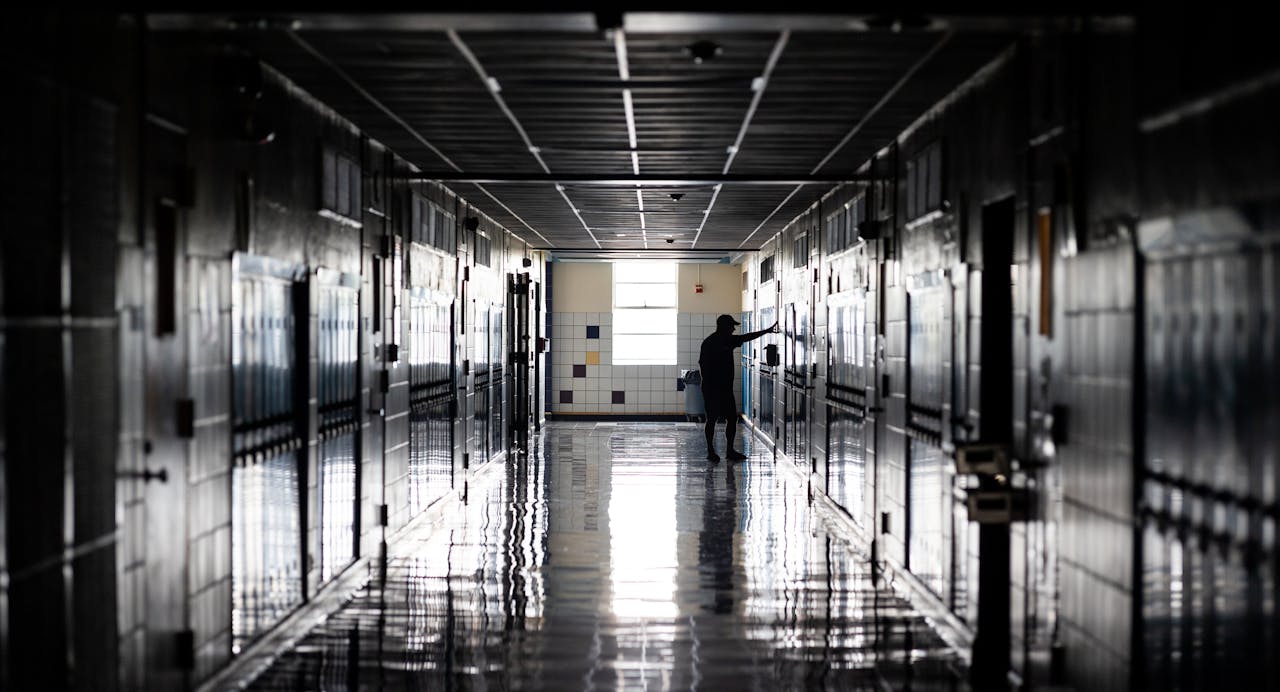
Is isolation or restraint legal in BC schools?
Technically, yes—but the law doesn’t clearly regulate it. In British Columbia, physical restraint and seclusion (also called isolation) are not explicitly prohibited by legislation. Instead, school districts are expected to follow the 2015 Provincial Guidelines on Physical Restraint and Seclusion, which limit these interventions to emergency situations where safety is at immediate risk. Restraint refers to physically restricting…
-
What is a partial schedule and is it legal in BC schools?
A partial schedule—sometimes called a shortened school day, modified attendance, or reduced hours—means a student attends school for fewer hours than their peers, often arriving late, leaving early, or missing entire days each week; in British Columbia, partial schedules are not accommodations by default, and when imposed without informed consent, clear educational justification, and a…
-
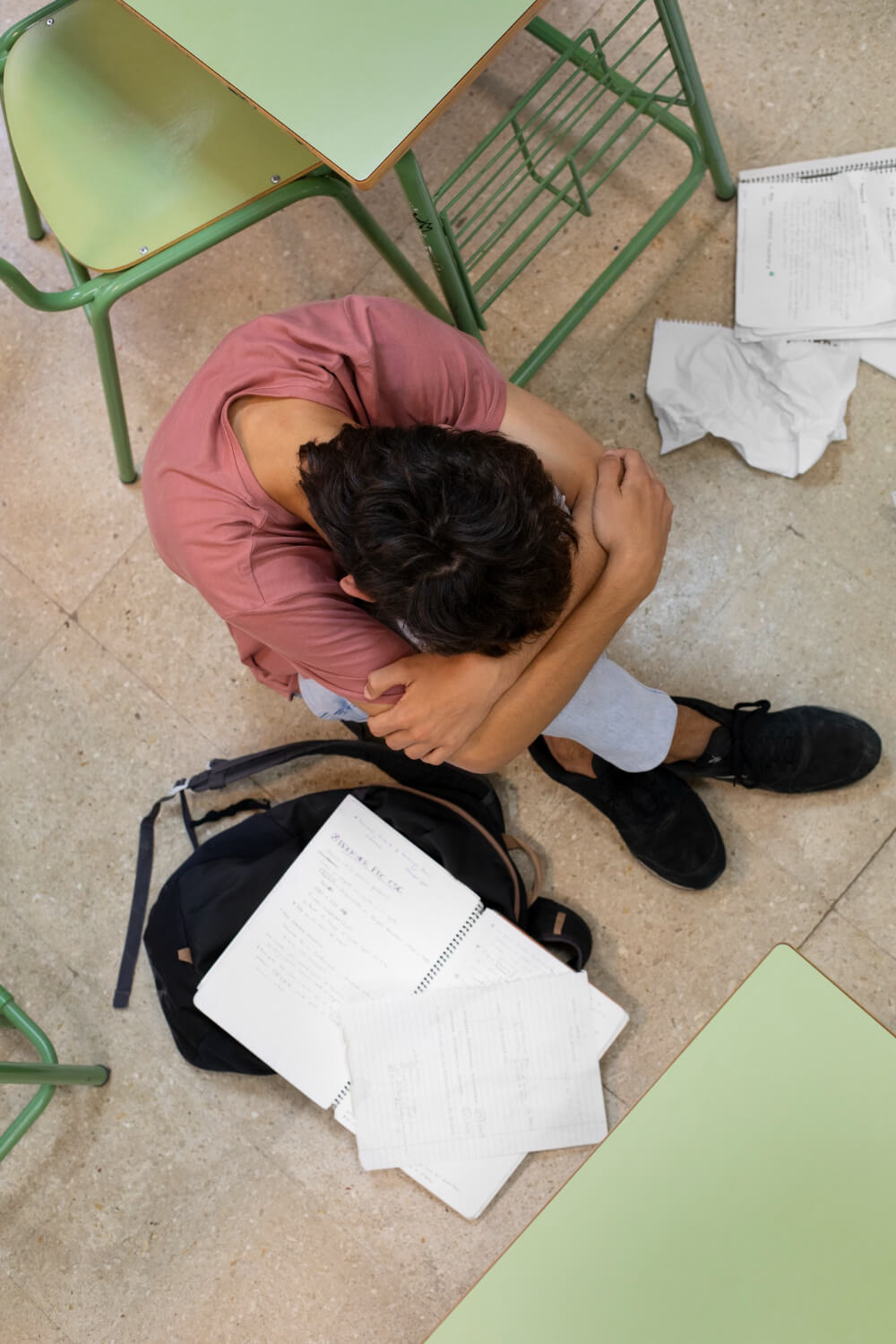
What are my rights in BC, if my child was excluded from school?
If your child has been removed from school, denied attendance, placed on an involuntary partial schedule, or told they cannot return until certain conditions are met, you are experiencing exclusion—even if the school avoids using that word, even if the decision is framed as temporary, collaborative, or necessary for safety; exclusion is happening when your…
icon attribution
legal #7773563, Fist #7255890, Teacher #235427, kids #235684, Compass #7761948, Lesbian Family #5218981