-
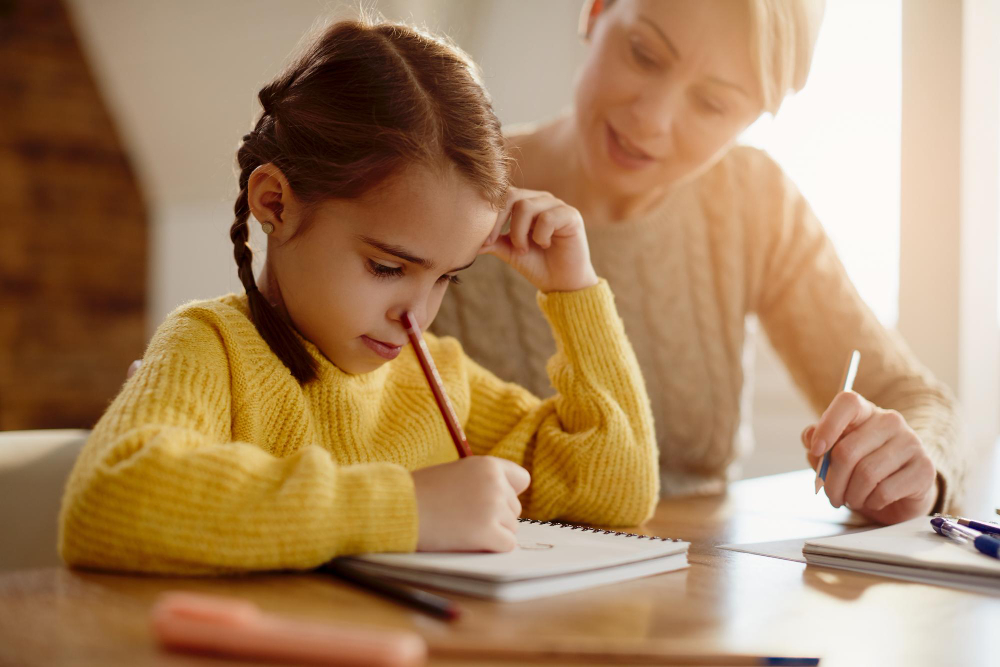
The Canary Collective’s new piece, Homework and Harm: How Discrimination Follows Disabled Students Home, captures something families of disabled children know by heart: the school day rarely ends at dismissal. When…
-
I was not such a bitch before my children were worn down by years of slow, grinding neglect. I became one through exposure. The tone, the edge, the precision that…
-
Every once in a while, a piece of writing crystallises what thousands of parents have been living for years — the quiet collapse of public education as a place of…
-

Every autumn, as the rain returns and hallways fill with dripping boots, an unremarkable genre of school communication re-emerges: the gentle reminder, the kind note, the message of concern about…
-
The dominant narrative in staff rooms and comment sections insists that discipline has collapsed because parents no longer “back up the school.” This explanation comforts institutions and shames families, yet…
-

School District 83’s Policy 310 Student Code of Conduct, amended December 14, 2021, presents itself as a framework for “safe, respectful, and inclusive learning and working environments for all members…
-
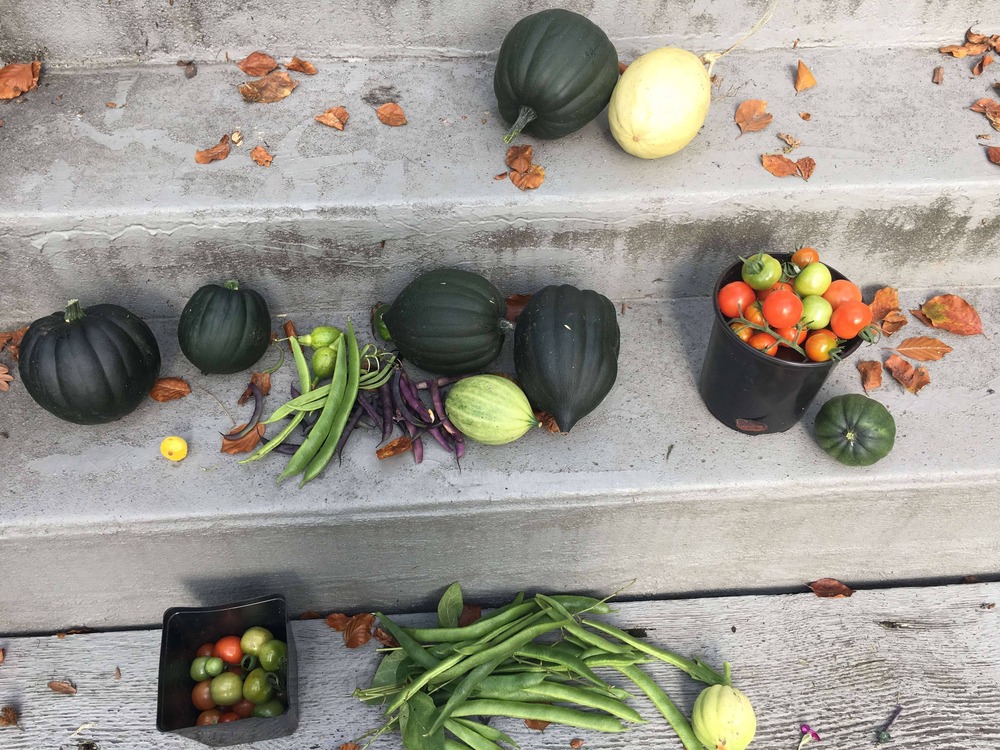
I live as though in a vigil, waiting for my child to heal from the slow injuries of school, which for many people represents a place of nurture and discovery,…
-
This FOI disclosure data shows the distribution and certification pipeline of BC’s teaching workforce across fourteen years, revealing fault lines in how the province manages credentialing and captures attrition. The…
-

Children thrive when their caregivers thrive. The Special Rapporteur reminds us that the well-being of children with disabilities is bound to the well-being of their families—especially mothers, who carry most…
-
I have been reading Sara Ahmed’s Complaint! and it almost feels as though I have been working backwards. I wish I had the insights in this book before my children entered kindergarten.…
-
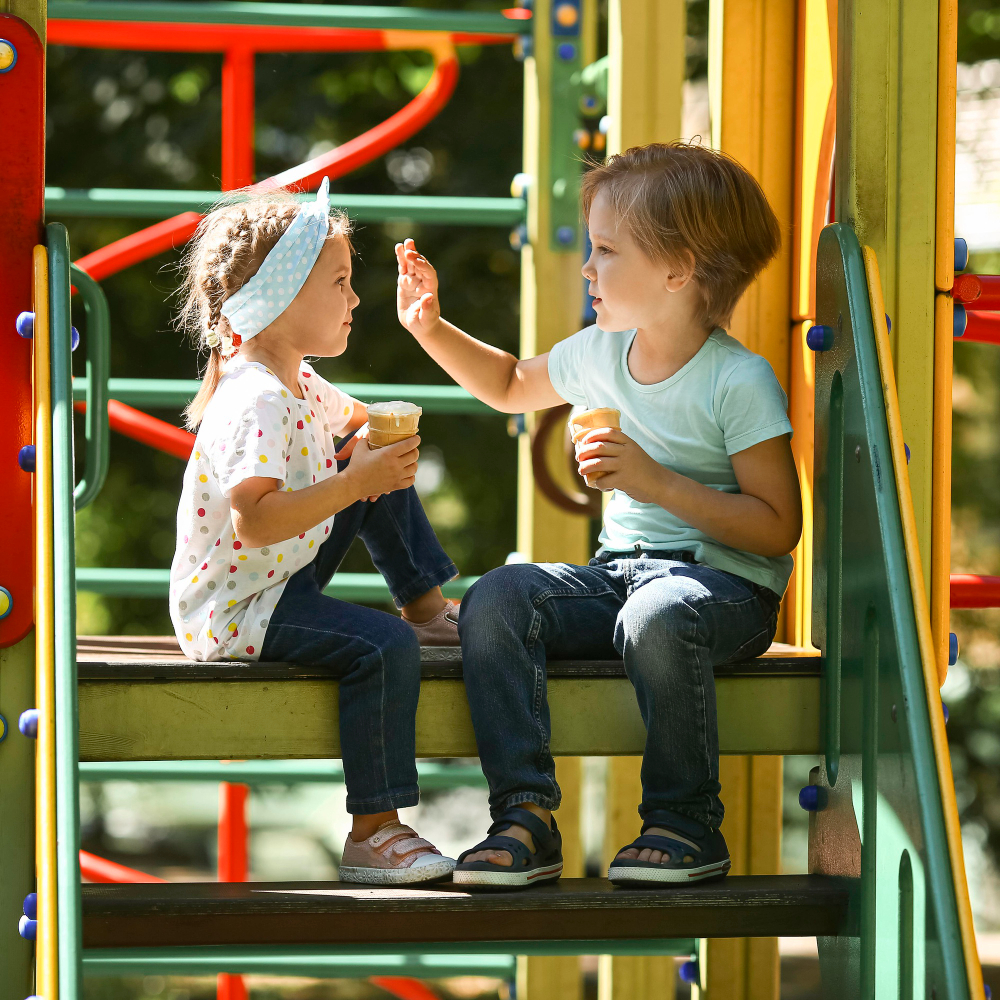
It began with daily incidents that were anything but small. My son repeatedly hugged my daughter against her will, pressing into her space while she pulled away, asking for it…
-

When your child experiences harm in a British Columbia public school—when they are excluded, punished unjustly, denied accommodations, or subjected to practices that violate their dignity—you enter a landscape designed…
-
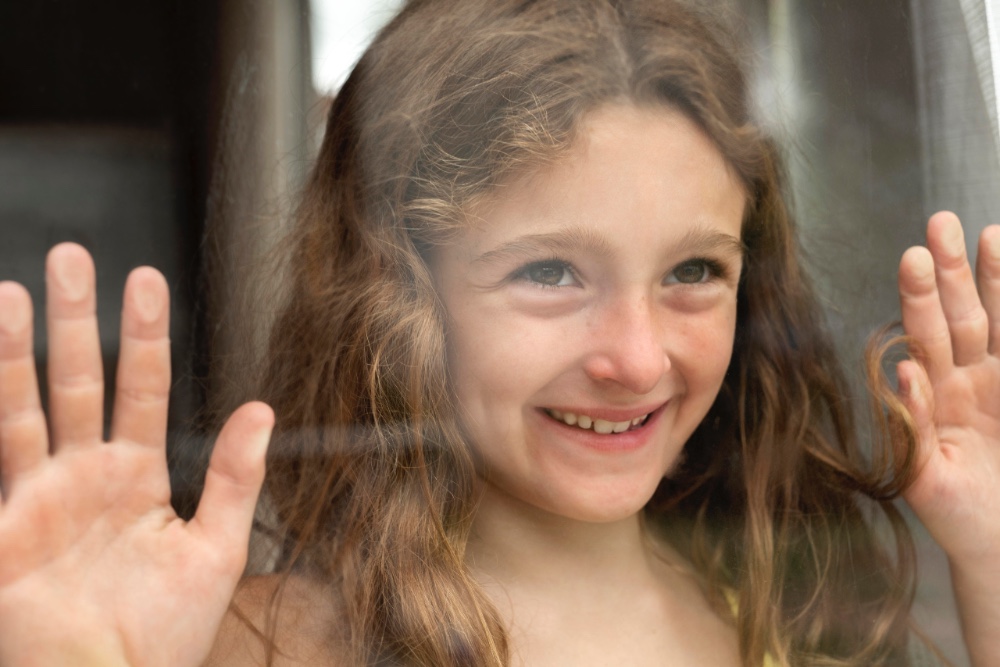
When the principal cancelled the volleyball game, she did more than remove an afternoon of play from a group of eager children, she transformed what should have been a moment…
-
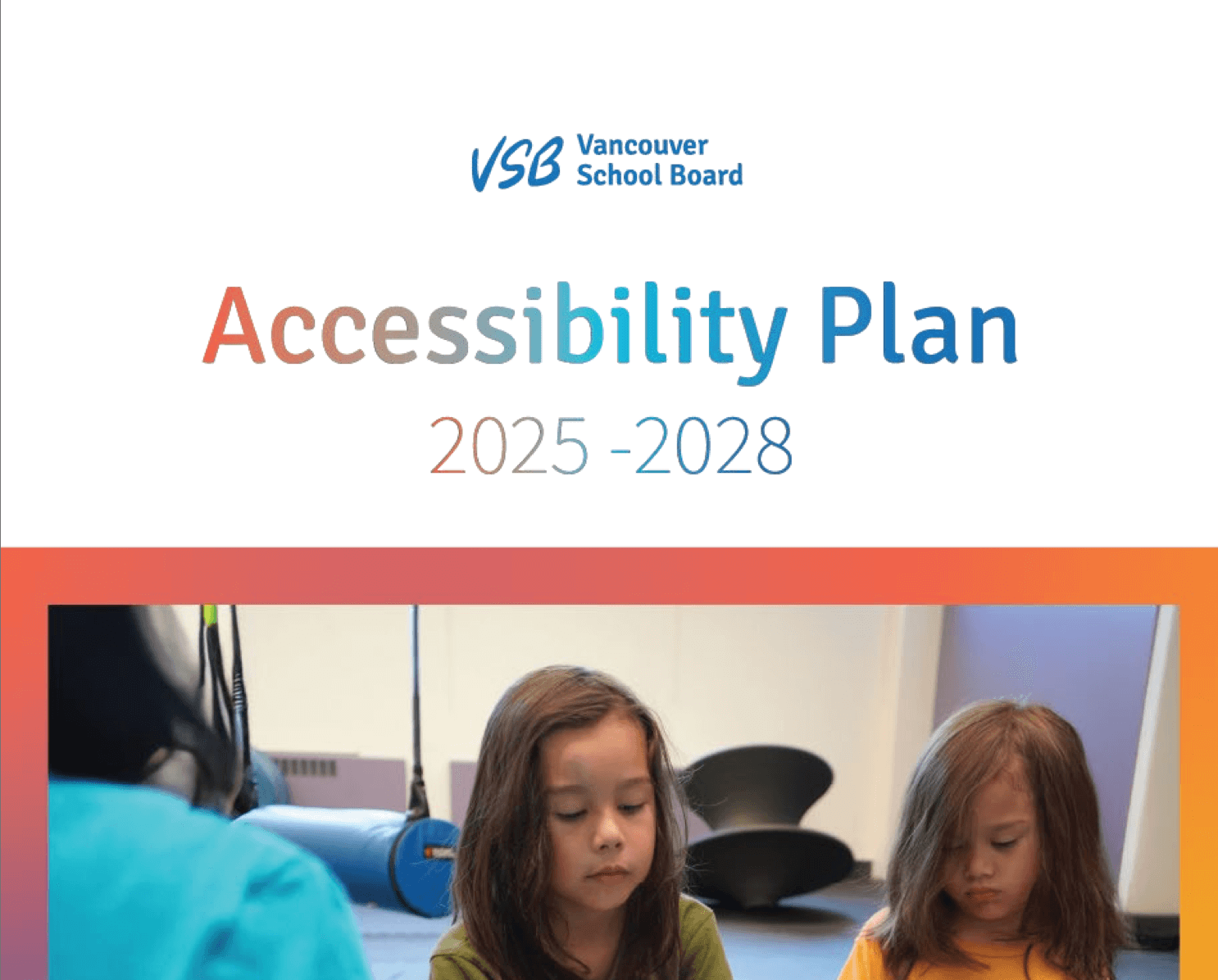
The Vancouver School Board has released an accessibility plan that presents itself as a generous gesture toward inclusion, offering aspirational statements about equity, belonging, and shared responsibility, yet the document…
-

Serpentine Heights presents its Code of Conduct as an affirmation of safety, inclusion, and communal care. The opening commitments describe a school that values belonging, co-constructed routines, and dignity for…
-
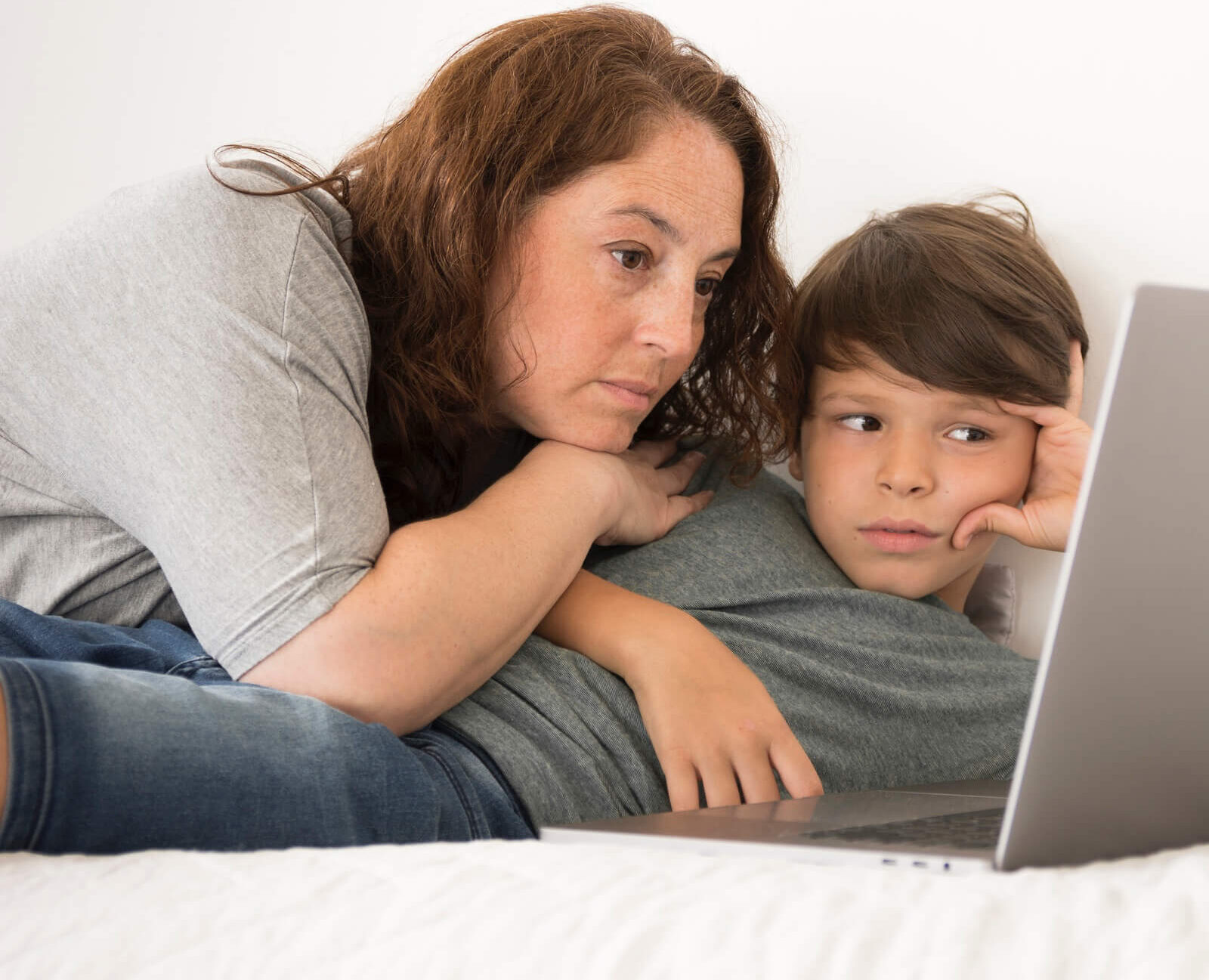
Interpersonal neurobiology (IPNB) offers a generative way to understand children’s nervous systems, because it treats development as an emergent, relational process shaped through safety, attunement, and repair, and this orientation…
-

Across British Columbia, many school districts have developed internal teams or programs designed to respond to urgent behavioural situations—such as elopement, aggression, or significant dysregulation—particularly when students are perceived as…
-

Anhedonia is defined as the loss of interest, enjoyment, or pleasure in life’s experiences. You may lose the desire to be with others or to do the things that once…
-

How schools use ‘self-reliance’ to justify abandoning disabled kids. They told me my daughter needed to build her tolerance for the classroom without support. They waxed endlessly about how she…
-
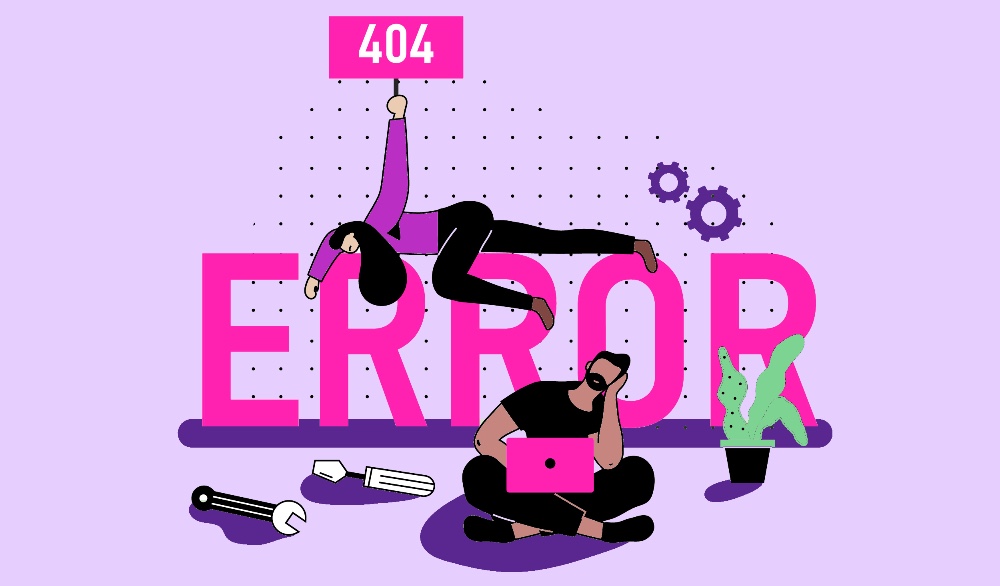
The BC k-12 portal promises inclusion, yet broken links and missing disability guidance reveal gaps in safety and access.
-
When a parent hears the words safety plan, there is often a breath held in the chest — a brief hope that the school has recognised the reality of the child’s…

News
Updates on policy shifts, school board decisions, and systemic advocacy related to collective punishment and inclusion in BC schools. Follow key developments affecting neurodivergent students, disability rights, and education reform across districts and provinces.
Featured News
-
Children will soon be going back to school… well, some children. Stores are already filled with lunch kits, backpacks, and brightly coloured displays of school supplies. Parents are checking whether…
-
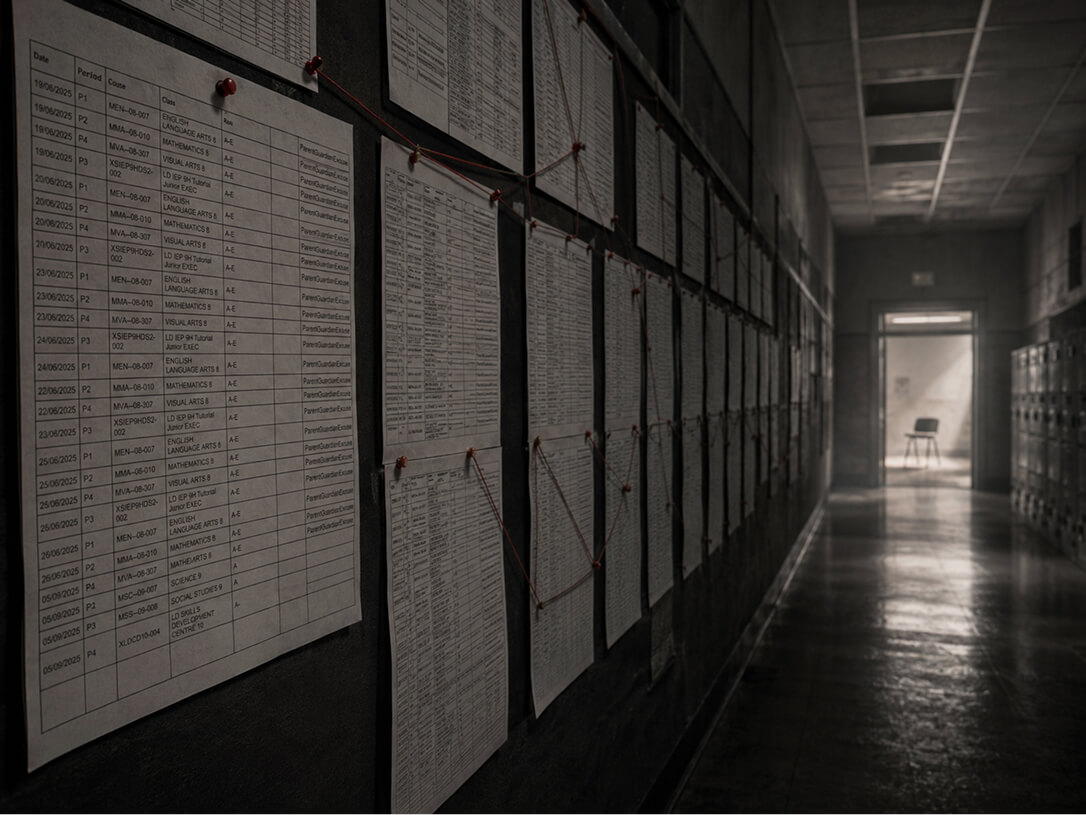
The reason column in my son’s permanent record is mostly blank. When a reason survives, it’s ParentGuardianExcuse.
-
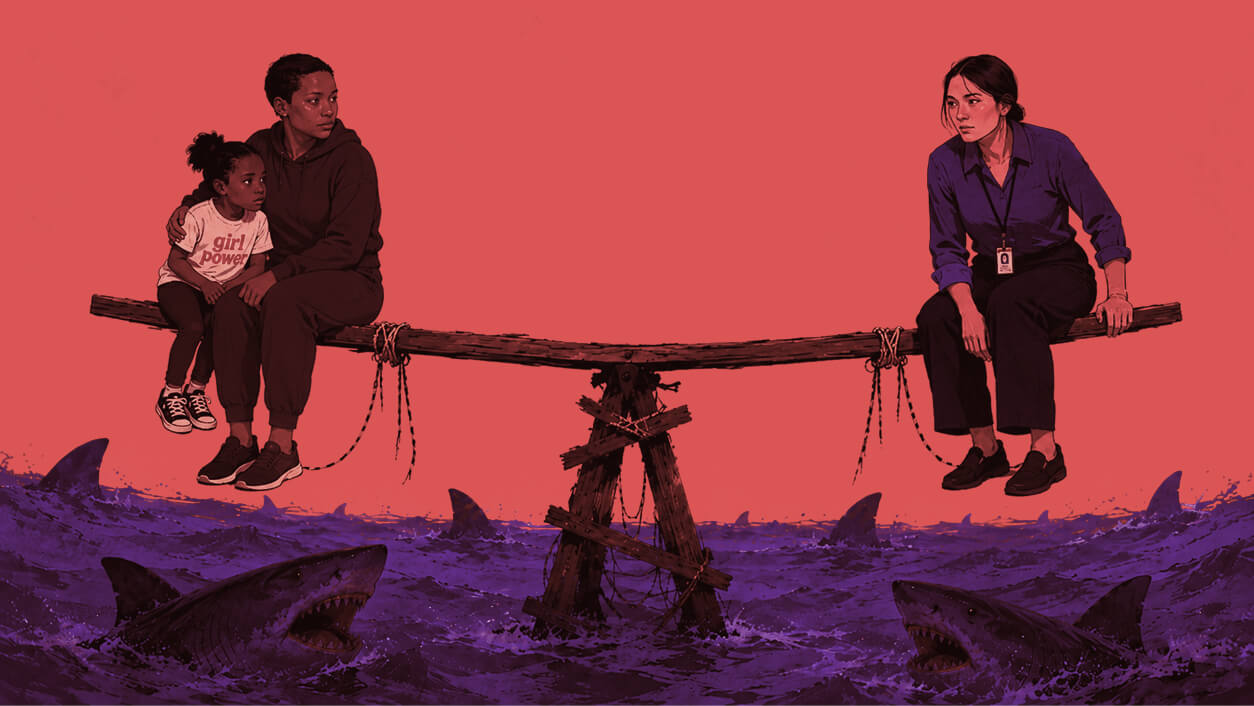
Families and teachers are describing the same failure from two positions inside it. The system survives by keeping them from recognising each other.