

Anxiety
Anxiety is one of the most common—and most misunderstood—experiences in school. It’s often dismissed as worry, avoidance, or overreaction, especially in children who can’t articulate what’s wrong. But anxiety isn’t just a feeling; it’s a full-body state of threat perception, shaped by nervous system sensitivity, trauma, and past experiences of being unsafe, unheard, or punished for being different.
For neurodivergent students, anxiety can be constant. It may show up as school refusal, aggression, perfectionism, meltdown, masking, or withdrawal. But rather than recognising these as signs of distress, schools often respond with behaviour plans, reinforcement systems, or increased demands—all of which intensify the child’s sense of being misunderstood or coerced.
This tag collects resources, stories, and analysis about anxiety in educational settings: how it manifests, how it’s often misread, and what it means to create truly safe learning environments. It includes writing on PDA profiles, panic responses, classroom overwhelm, and the chronic anxiety experienced by families navigating inaccessible systems.
Anxiety is not defiance. It’s not manipulation. It’s not an excuse.
It’s a call to slow down, listen, and change the environment—not the child.
-
How regressive school policies limit inclusion
On the first day of school, it all looked so promising that it seemed almost too good to be true—the hallway bulletin boards overflowed with vibrant slogans about kindness, leadership, and community belonging, while the principal’s welcome message spoke in glowing terms about student voice, shared responsibility, and the promise of a positive school culture…
-
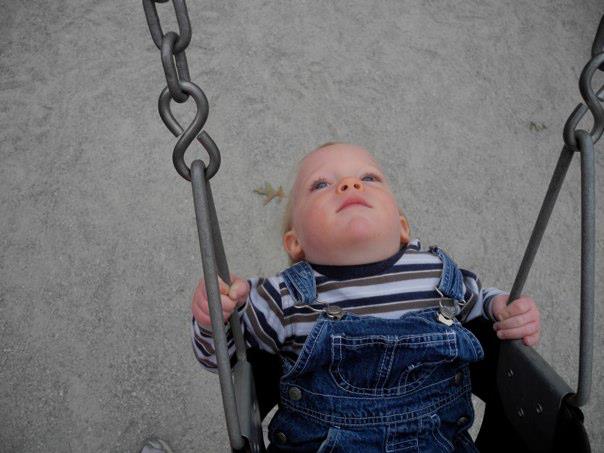
Pathological Demand Avoidance (PDA)
Pathological Demand Avoidance is a neurobiological profile of autism rooted in anxiety, autonomy, and nervous system threat perception. For children with PDA, even simple requests can register as danger. A question, a suggestion, a cheerful invitation—all of these may activate a survival response, because the child’s nervous system experiences demand as threat. When this pattern…
-

What policy says about collective punishment in schools
Collective punishment is never explicitly mentioned in the School Act or BC education policies, but it is made very clear that the system is meant to be fair, accountable, and respectful. The School act states the discipline in schools must be “similar to that of a kind, firm and judicious parent” (Section 76(3)). I consider…
-
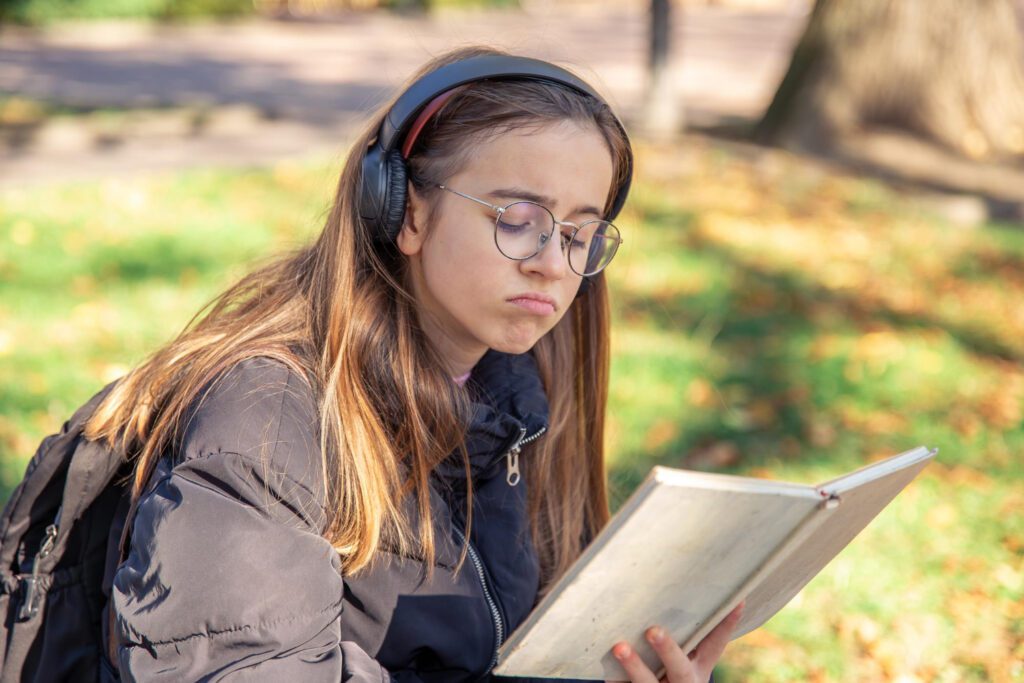
She’s agonised inside and that doesn’t count?
Much of this unfolded in 2022 and 2023, during a period when my daughter remained undiagnosed as autistic, unsupported in any formal way, and largely invisible to the school system. The patterns described here continue to shape our lives. In this essay, you’ll hear the cautious hope I carried—that a formal diagnosis would unlock the…