

Elaine Scarry
Elaine Scarry is a literary scholar and theorist whose work examines pain, embodiment, war, injury, creation, and the difficulty of making suffering visible to others. Her key work, The body in pain: The making and unmaking of the world (1985), argues that physical pain resists language and can “unmake” a person’s world, while institutions can use pain to produce power, silence, and disbelief.
For this site, Scarry is useful because her work helps explain why children’s suffering is so easily minimised when it cannot be neatly translated into institutional language. Pain that appears as refusal, shutdown, panic, absence, aggression, fatigue, or “behaviour” may be treated as non-compliance rather than evidence of harm. Scarry’s lens helps keep attention on the child’s embodied experience: what school is doing to the body, what the record fails to carry, and how institutions convert pain into doubt.
-

Condition 15: the ethical teacher and the collapse of collective punishment in BC schools
In Milgram’s experiment, 65 percent of people kept shocking a stranger on command. In the variation no one teaches — two authorities, one of them saying stop — the number fell to zero. One dissenting voice in the room stops the cruelty.
-
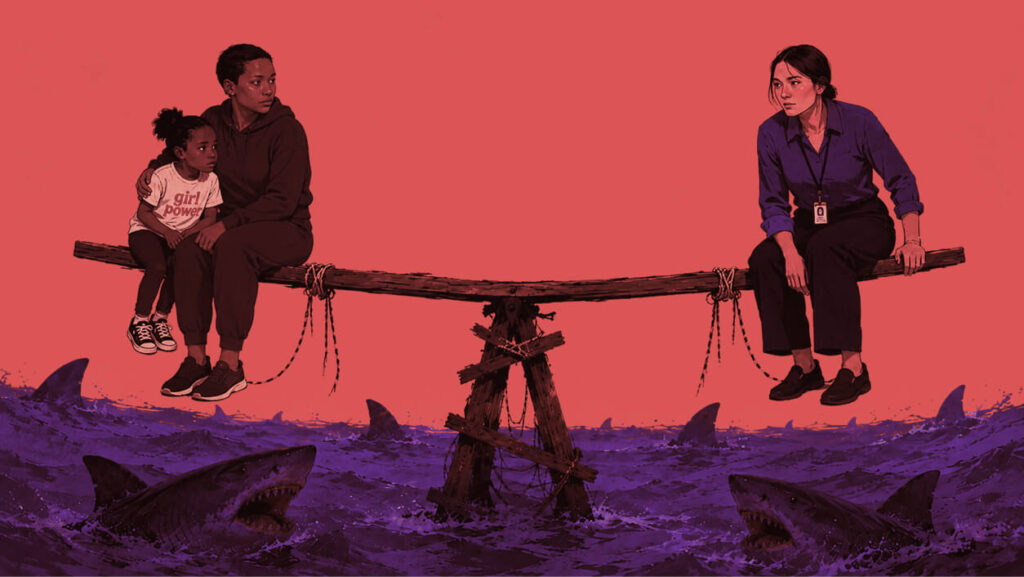
On opposite sides of the same door in BC schools
Families and teachers are describing the same failure from two positions inside it. The system survives by keeping them from recognising each other.
-

Try harder, try different
On the pedagogy of “people are not supports,” the research it misreads, and what happens when an idea is transplanted into a starved system.
-

Be pleasant so others won’t get upset
What a twelve-year mortality study measured, and what it accidentally wrote down: the code of conduct every district hands a mother on her way into the room. You learn it in your hands before you learn it anywhere else. At the table you fold them in your lap, you soften your face into the shape…
-

Iatrogenic harm and the parent advocate: how school systems produce disability in the families they fail
The body keeps the account even when the institution refuses to. What the school system produced in the parent who spent years trying to hold it accountable is not caregiver burden — a word that belongs to the person carrying it — but iatrogenic harm: specific, dated, attributable, and fully known to the institutions that…
-
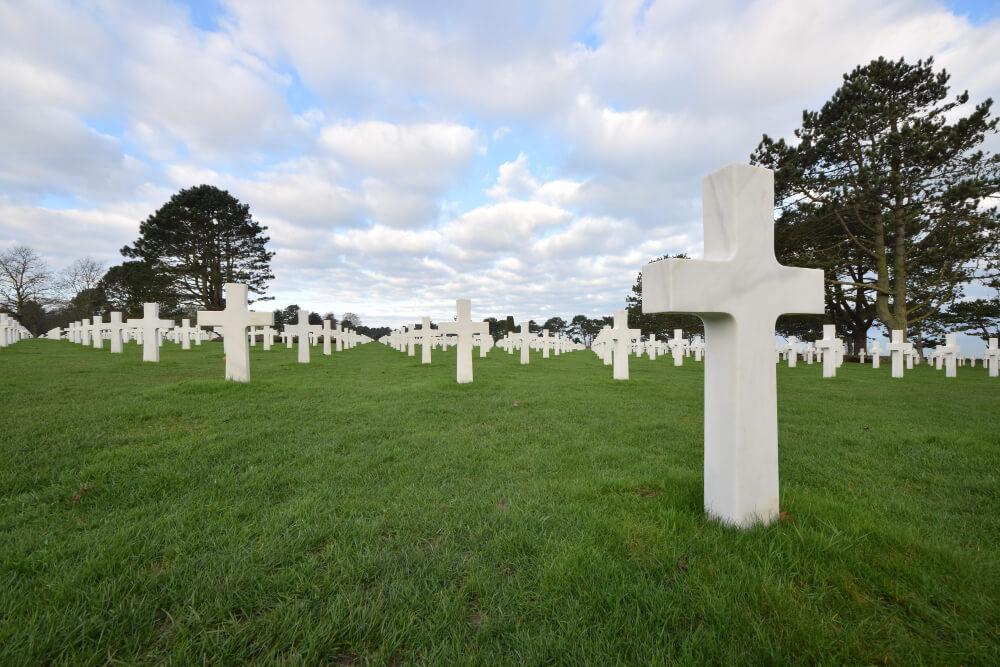
Counting the wounded: how complaint systems and data bureaucracies erase harm
The same patterns of attrition described in The Ombudsperson and the war of attrition also define how governments manage harm in military and veterans’ systems. Delays in compensation, endless investigations, and deferrals justified as ‘process’ reveal that administrative time itself functions as an instrument of harm. What appears as prudence operates as quiet abandonment—an institutional strategy that…