

Emotional Labour
Emotional labour in education is everywhere—and almost never named. This tag explores the invisible work that families, students, and educators carry: managing meltdowns with no support, explaining a diagnosis for the hundredth time, advocating through grief and burnout, or holding systems accountable while being dismissed as “difficult.” It also examines the gendered dynamics of care work and the emotional toll of navigating unjust systems.
-
She graduated and this is what she learned
On raising a badass advocate, unintentionally. I didn’t set out to raise an advocate—I set out to raise a child. A child who might feel safe in her body and steady in her breath, who might look out at the world and feel drawn toward it rather than braced against it, who might trust her…
-

Gaslighted by proxy: how schools grant coercive power to the quietest parent
When one parent advocates and the other undermines, the school almost always aligns with the one who “gets along.” Not because that parent is more informed, more accurate, or more protective—but because they are easier to accommodate. They agree easily. They stay quiet. They don’t write long emails. They rarely attend meetings. They couldn’t draft…
-

Why school advocacy is a women’s issue
This site exists because public education systems harm children—and then gaslight the people who try to stop it. Those people are not randomly distributed. They are overwhelmingly women. Advocacy is a women’s issue not because women are naturally better at it, or more available, or more nurturing. Advocacy is a women’s issue because institutions depend…
-

Performative accessibility in British Columbia public education
Too often, accessibility in schools is performance, not practice. Symbolic gestures and endless buzzwords cannot replace the courage to name harm, take responsibility, and commit to structural change. Until then, access plans remain brochures—and inclusion a stage set.
-

Grievability and legitimacy in BC Schools
Disabled children are being pushed out of public education—and their families are picking up the pieces. This post examines who is seen as worthy of support, what it costs when systems abandon care, and why the quiet exodus from schools is not a choice, but a failure of justice.
-
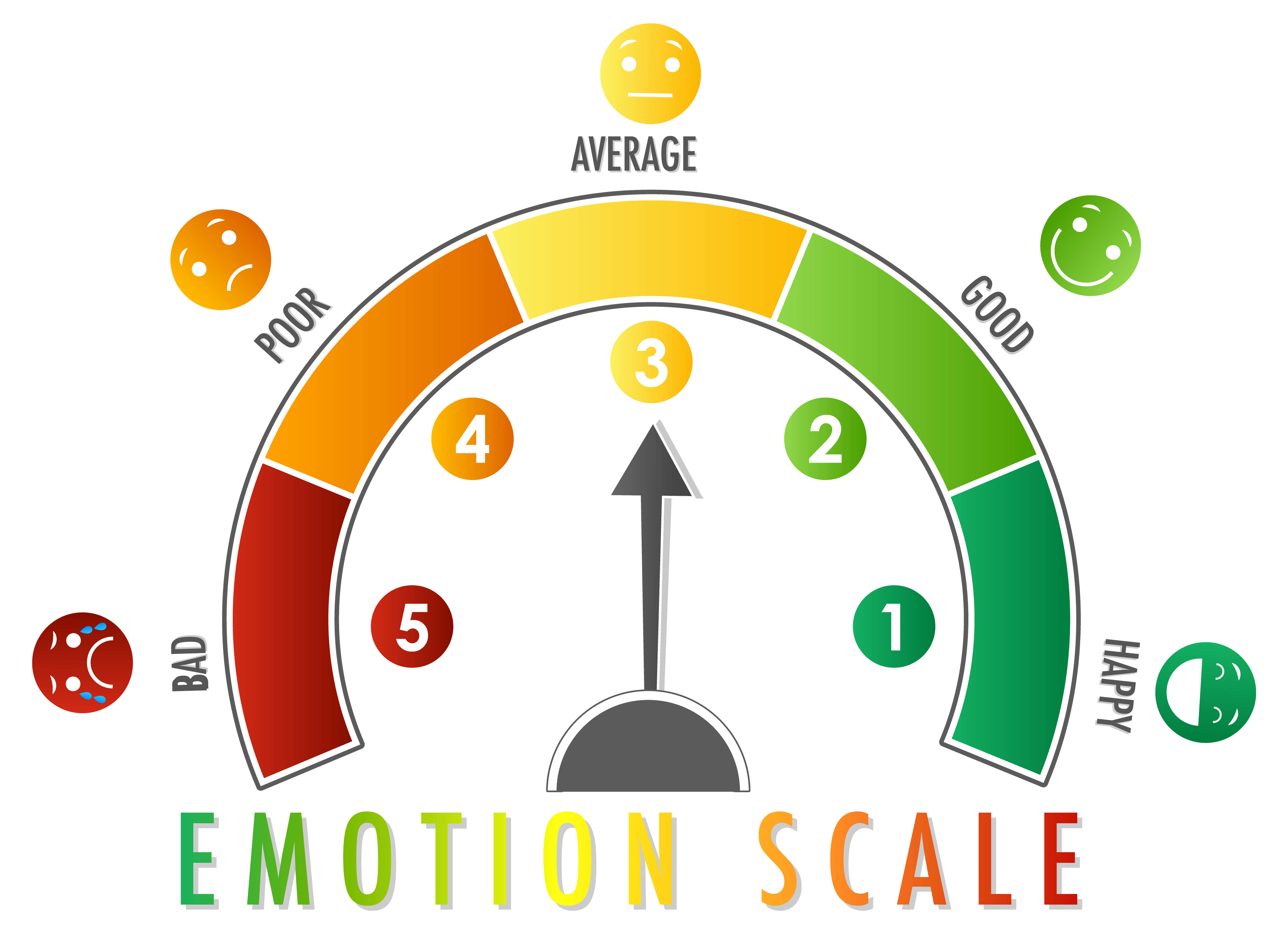
Regulation isn’t colouring a box: how neurotypical emotion models can harm autistic kids
The Zones of Regulation chart is made of four tidy boxes—blue, green, orange, red—a short list of emotions, each offering the illusion of clarity, simplicity, legibility. It’s a system that looks soft, friendly, and progressive, but that often functions as a mechanism for shaping children’s expressions to fit the comfort and control needs of adults,…
-

Every year we start over
We arrive at the school gates each September with anxiety rising in my chest, knowing that the forms, reports, and professional recommendations assembled over years have already demonstrated what is required for my child’s success; and yet, year after year, he steps across the threshold into an environment that has failed to prepare for him.…