

Fear-based compliance
Parents comply with harmful plans or avoid complaints not because they agree, but because they fear retaliation, retribution, or further harm to their child.
-

Rot at the root: Why POPARD must be dismantled from the top down
When I first objected to the strategies POPARD proposed, I tried—truly—to assume good intent: that if I just gave them the right information, the clearest language, the most generous interpretation of their mandate, they would course-correct and stop pushing reward charts onto an already-traumatised child. I wrote careful emails, cited the psychologist’s diagnosis, offered specific…
-

Support is a bridge
What happens when schools pretend the bridge is whole. The appearance of help “She gets check-ins from the area counsellor once a week.”“We’ve made sure the classroom teacher is aware of her IEP.”“We’re doing everything we can within the current resources.” These are the phrases they recite—softly, professionally, as though reassurance were a substitute for…
-

The space between my brain and the page
My parents never sent me to kindergarten, so when I started first grade, it was a bit mysterious to me. I had been living on the side of a mountain, chasing garter snakes, and picking wild strawberries. While the class attempted to learn the alphabet, my parents had already been reading chapter books to me…
-

Parenting through gaslighting and grief
In the early days, our relationship was luminous, almost feverishly bright with attention and agreement and what I understood then as love—its intensity, its precision, the way it seemed to reach for every part of me, even the parts I kept hidden, even the ones I feared were too strange or fragile to show. I…
-
Shut it down: Why POPARD cannot be trusted to support neurodivergent children
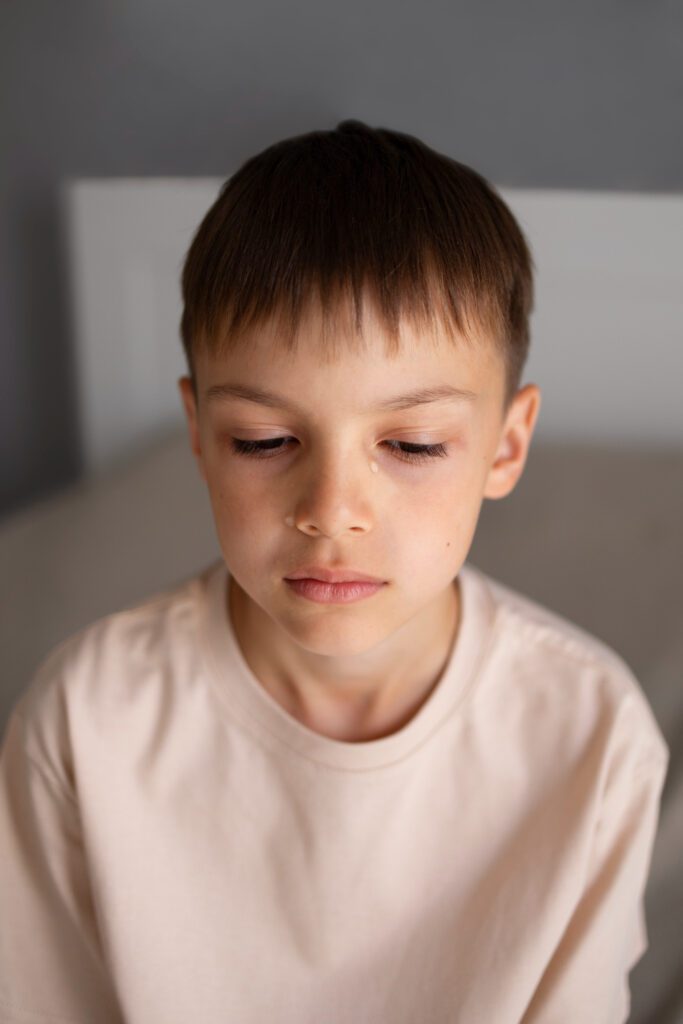
We asked for help.We got a behaviour chart. We invited experts into our child’s life, hoping they would help school staff understand his anxiety, his trauma responses, his fiercely sensitive nervous system. We asked for relational strategies grounded in respect and attunement. We shared research. We named his diagnosis. We explained, in plain terms, what…
-

How regressive school policies limit inclusion
On the first day of school, it all looked so promising that it seemed almost too good to be true—the hallway bulletin boards overflowed with vibrant slogans about kindness, leadership, and community belonging, while the principal’s welcome message spoke in glowing terms about student voice, shared responsibility, and the promise of a positive school culture…
-

Collective punishment: it doesn’t work, but still it happens
Written by Dr Penny Rabiger, in 2016, this personal yet incisive piece, discusses the challenges the persistence of collective punishment in schools, despite its well-documented ineffectiveness. Drawing on both professional insight and a child’s perspective, the post illustrates how these tactics damage trust, inhibit learning, and punish children for behaviours beyond their control. The author…
-

Restraint and isolation in British Columbia schools
Physical restraint and isolation—sometimes termed “seclusion”—remain legally unregulated in British Columbia schools, even as provincial guidelines seek to limit their use to moments of extreme risk. Physical restraint is defined as any method of restricting a student’s freedom of movement to maintain safety, while seclusion involves involuntary confinement in a space from which the student…
-
A toxic classroom exposes punitive culture
An administrative investigation at Montreal’s Bedford Elementary uncovered a culture of intimidation where teachers used yelling, humiliation, and sending students to stand in hallways—sometimes for days—as disciplinary youtube.com+2montreal.citynews.ca+2montreal.citynews.ca+2. The Quebec Education Minister suspended 11 teachers linked to psychological and physical mistreatment, highlighting a systemic reliance on group-based punishment, rather than supporting individual accountability. Bernard Drainville, the…
-
When autistic girls fawn and schools look away
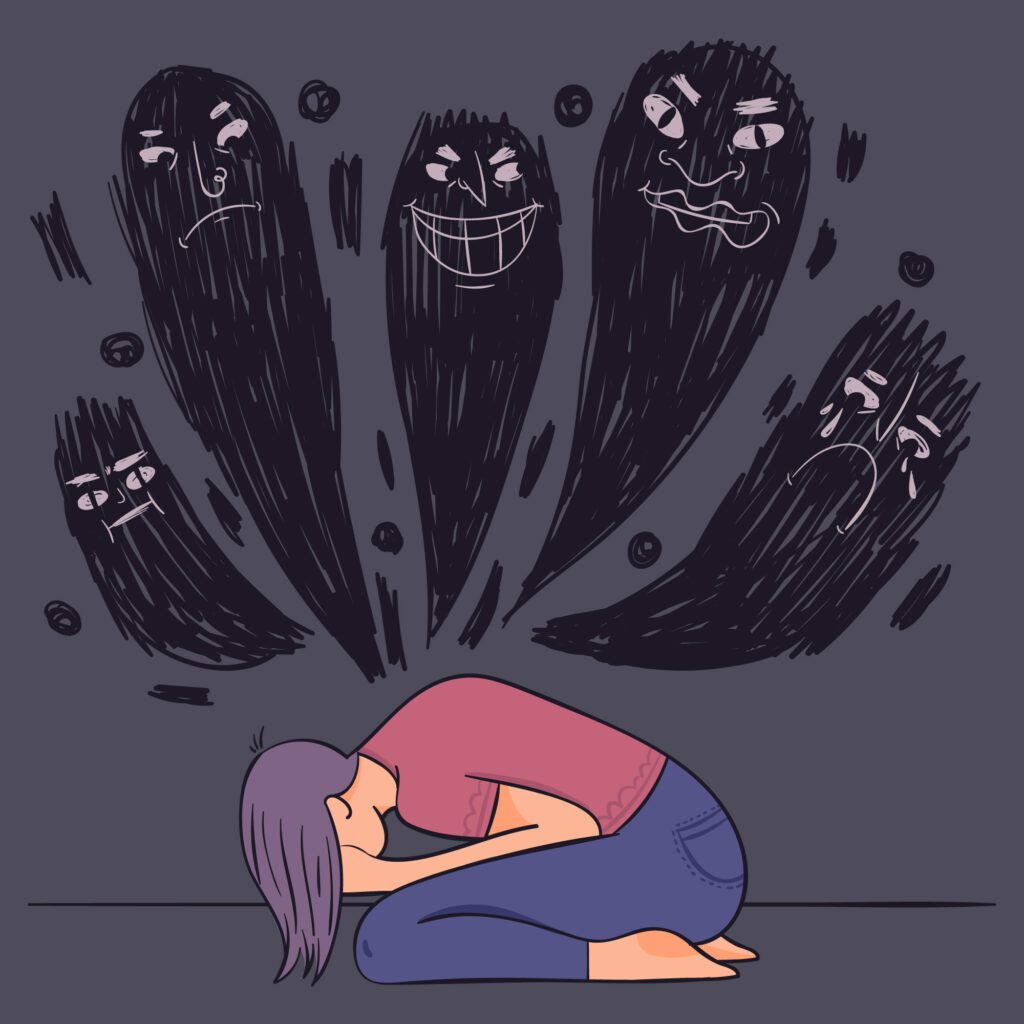
They told her to be polite while she was being harmed. Now they call her difficult for saying no. Jeannie never screamed—never yelled or stormed out or flipped a desk or tore paper into confetti; instead, she froze, and in that freezing, she vanished from their view. No one interrupted the boy when he joked…
-
The cost of compliance – the foundational critique and case for change
When children are dysregulated, the response from educators is too often punitive. For neurodivergent students in particular, the cost of these responses is high: shame, trauma, social exclusion, and a deep erosion of trust. But it does not have to be this way. Restorative alternatives are not new. They are ancient practices found in many…
-
Collective punishment in schools teaches the wrong lesson
Imagine you’re at work, focused on your tasks, when your boss announces that no one can leave until two distracted coworkers finish their work. You’d be outraged, right? Yet, this exact approach—punishing an entire group for the actions of a few—is sometimes still used in elementary classrooms. In a recent article, Blair questions the pedagogical…
-

A teacher’s perspective on collective punishment
In this powerful TikTok video, Mr Trayvon reflects on his own past use of collective punishment in the classroom—and why he no longer believes it serves students. With candour and humility, he acknowledges the harm these practices cause, particularly to children already carrying the weight of trauma, neurodivergence, or social marginalisation. His shift away from…
-
Why collective punishment doesn’t work
Group punishment doesn’t fix behaviour – it just makes kids hate school, in The Conversation. explains that collective punishment might seem effective in achieving short-term compliance, but is both unfair and ineffective in the long run. This article explains: Key takeaway: Collective punishment may offer a quick fix, but it erodes trust and fails to…
-
Why i started this campaign
As a solution architect and parent of disabled children, I’ve seen the public education system from both sides. What I’ve found is not a system in crisis—it’s a system functioning exactly as designed: rewarding compliance, punishing difference, and quietly discarding those who don’t fit. This post explores how exclusionary practices like collective punishment persist in…
-
She’s agonised inside and that doesn’t count?
Much of this unfolded in 2022 and 2023, during a period when my daughter remained undiagnosed as autistic, unsupported in any formal way, and largely invisible to the school system. The patterns described here continue to shape our lives. In this essay, you’ll hear the cautious hope I carried—that a formal diagnosis would unlock the…