

Featured
Key news items that epitomise the sentiments expressed on this site, regarding the need to end collective punishment in BC schools.
-
Why the evolving understanding of childhood terrifies systems built on scarcity
Children now arrive at school shaped by homes that honour physiology over performance, autonomy over obedience, and co-regulation over fear, and this shift grows from a decade of relational neuroscience, trauma literacy, sensory understanding, and disability justice that families have absorbed far more quickly than schools, which leaves discipline ideology standing on crumbling ground because…
-

The architecture of responsibility in systems that harm
When a system produces predictable, patterned harm — exclusion, restraint, academic abandonment, institutional gaslighting, attrition framed as “choice,” disability-based discrimination — that harm arises from the structural design of the system itself, because structures generate outcomes with the same reliability that rivers carve their beds, and structures reveal the priorities of the province long before…
-

Counting crisis: data, distrust, and the false choice between safety and inclusion
Across British Columbia, the launch of Surrey DPAC’s Room Clear Tracker has ignited a storm of debate among parents, educators, and disability advocates. Some view it as a necessary step toward transparency; others fear it will reinforce stigma or justify segregation. Beneath the surface of this argument runs a deeper fracture—between those who seek safety…
-

In genocide and the classroom: the routinising of distress
A meditation on how institutions train people to ignore suffering—how desensitisation, scarcity, and forced optimism erode empathy and make harm seem ordinary.
-
A primer on truth for youth
If you’d told me last year that a man would feel emboldened to stand up in the UN and call the UN special rapporteur a witch and accuse her of trying to ‘curse Israel with lies and hatred’ I would have Googled to see if it was fake news! But then with the second presidency…
-

No accidents left to excuse
When I first read the Canary Collective’s Systemic Abuse in Education: Breaking the Cycle and Kim Block’s companion essay Is this Systemic Oppression or Systemic Abuse?, I did not feel revelation so much as recognition. I have called what happens to disabled and neurodivergent children in British Columbia’s schools abuse for years, because the word fits the scale…
-
UIP and the business of education
Vancouver’s Urgent Intervention Process—once called the Multi-Disciplinary Intervention Support Team, or MIST—was designed to respond when schools reached the limits of their capacity to support a child in crisis. The name once suggested a circle of professionals surrounding a child with care. As the system evolved, it became the Urgent Intervention Program, still implying at least a budget, a…
-
When you finally get a “good” IEP
There was an email, sent in a moment of exhaustion, where I mentioned that I was considering a Human Rights complaint. The next IEP meeting rolled around, and suddenly the draft was almost unrecognisable—careful, thoughtful, neurodiversity-affirming. For the first time in eight years, it sounded like something written for my child rather than about my child. It should have…
-

Parents are responsible for the collapse of discipline ideology at school
The dominant narrative in staff rooms and comment sections insists that discipline has collapsed because parents no longer “back up the school.” This explanation comforts institutions and shames families, yet it misunderstands the architecture that once made discipline appear effective. What is collapsing is not parenting. What is collapsing is the total environment that once…
-

25 signs that your IEP team is disabling your child
In the space where families gather with school teams to shape a child’s Individual Education Plan, the language often carries more weight than paper can bear, for each phrase can open a door toward inclusion or quietly plant the seeds of exclusion, and the difference lies in whether the plan nourishes capacity or erodes it.…
-
Our goals are not the same: ableism in bc public school
I want my children supported to grow and learn; schools uphold ableism by demanding they mask compliance or feign helplessness for support.
-
Why outspoken mothers face retaliation for advocacy in BC schools
Some of our articles speak in a more academic voice, especially when we are naming systems that silence or harm within BC schools. This is a sister essay to Epistemic silencing of disabled children’s primary caregivers, written as a more accessible entry point for readers who are newer to the topic or looking for clarity…
-
Collective punishment: how schools displace guilt, erase harm, and preserve the collective
One of the things that was so traumatising about the collective punishment that was callously perpetrated against my daughter was the light and evasive tone of the principal. She said that the punishment had to be “swift.” I frequently wondered about the choice to psychologically wound disabled children while treating the infliction of that wound…
-

Epistemic silencing of disabled children’s primary caregivers
Epistemic silencing in BC schools discredits mothers’ knowledge, reframes advocacy as aggression, and erases disabled children’s pain, leaving families punished for truth.
-
The unseen wounds of advocacy: caregiver burnout, moral injury, and embodied grief
Caregiver burnout in BC schools reflects moral injury and systemic betrayal, as mothers fight exclusion and harm while advocating for disabled children.
-
One-pager about collective punishment
If you are a teacher, a classroom assistant, a support worker, or even a school leader who still spends time in rooms with students, then you already understand how hard it is to manage a group when things begin to fall apart. You know the claustrophobic tension of a lesson unravelling before it begins. You…
-

The history of this website
What began as one mother’s refusal to accept the institutional cruelty of collective punishment has grown into a vast, strategic, and emotionally searing archive—a living infrastructure of truth-telling and resistance, built from grief, fuelled by clarity, and shared in solidarity with every family navigating harm inside a system that punishes children for being disabled.
-

The collective punishment of delayed care
There is a particular cruelty in delayed care, of watching a child falter for weeks or months while teams gather data, debate thresholds, and cite process. It is the cruelty of waiting for collapse before responding, of constructing intervention around crisis instead of prevention. And when the child finally does break, when their distress spills…
-
Debility versus disability: what the system cannot acknowledge
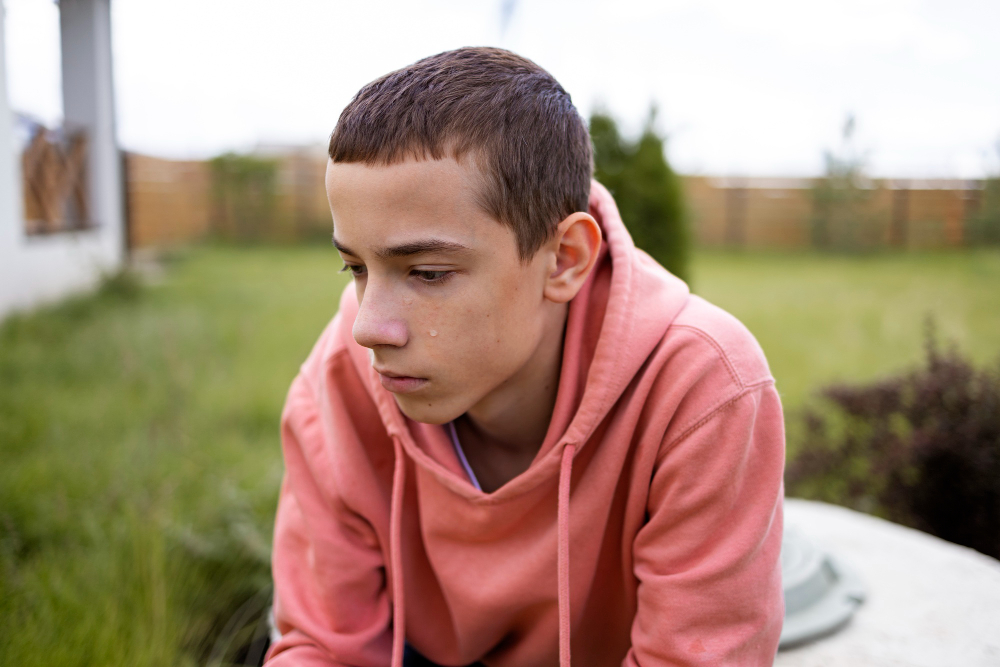
My son Robin took to bed two weeks before March break. He had been soldiering on through the aftermath of a school transfer the district assured us would help him, though his body told me otherwise from the first day he arrived. I’ve seen that kind of shutdown before—at camp, at birthday parties, in classrooms…
-
Poise as pedagogy
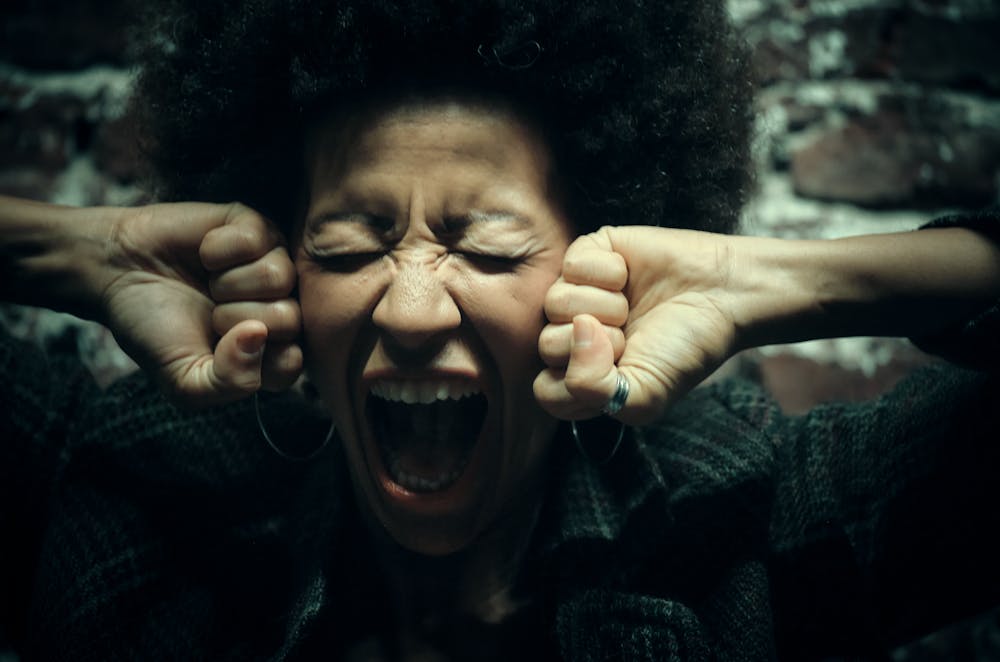
There is a cost to composure that institutions never count. When schools reward mothers for staying calm in the face of harm, they turn grace into a gatekeeping tool and punish those who dare to grieve out loud.