
Indigenous pedagogies
Indigenous pedagogies refer to teaching and learning traditions rooted in Indigenous ways of being, knowing, and relating. Grounded in ceremony, relational accountability, and cultural sovereignty, they frame education as an integrative practice intertwined with land, community, and identity rather than a system of compliance. These approaches emphasise emergence over instruction, responsibility over obedience, healing over exclusion—and deeply inform transformative models rooted in respect and interdependence.
Jo Chrona’s work offers a compelling contemporary expression of these principles, but this tradition is carried by teachers, Elders, knowledge keepers, and communities across Turtle Island and beyond—each contributing to an evolving tapestry of Indigenous-informed education that resists colonial patterns and cultivates relational wisdom.
-
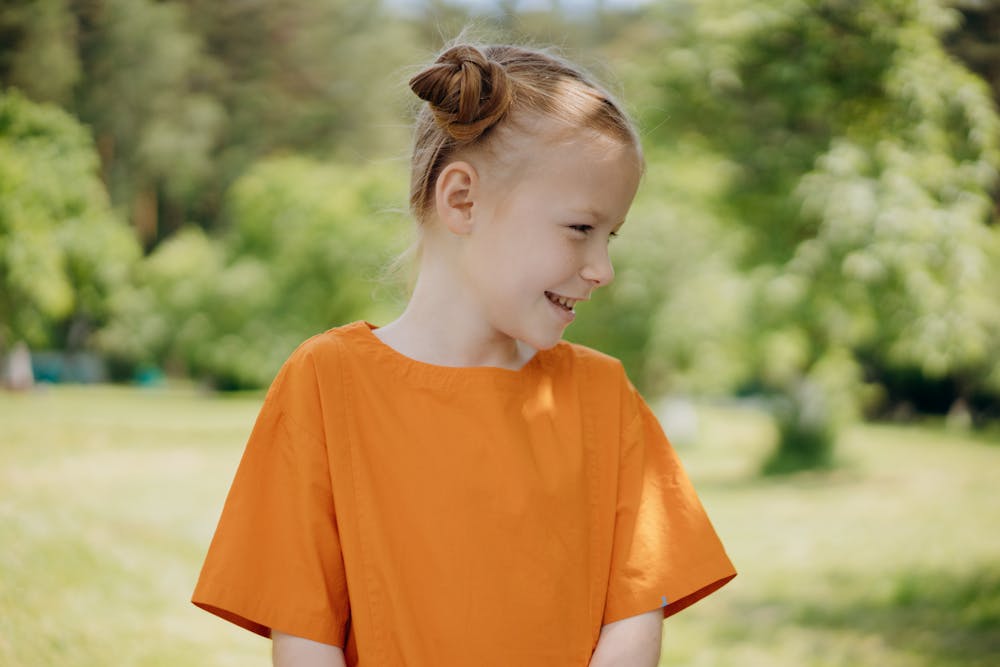
The orange shirt I folded
I was folding laundry late one night, brain running on the kind of background grief that rarely quiets, when my hand closed around the orange shirt. I moved to set it aside—automatically, instinctively—because I remembered September was coming, school would be starting, and Orange Shirt Day would follow quickly after. That shirt would be needed…
-
The children were made to punish the children
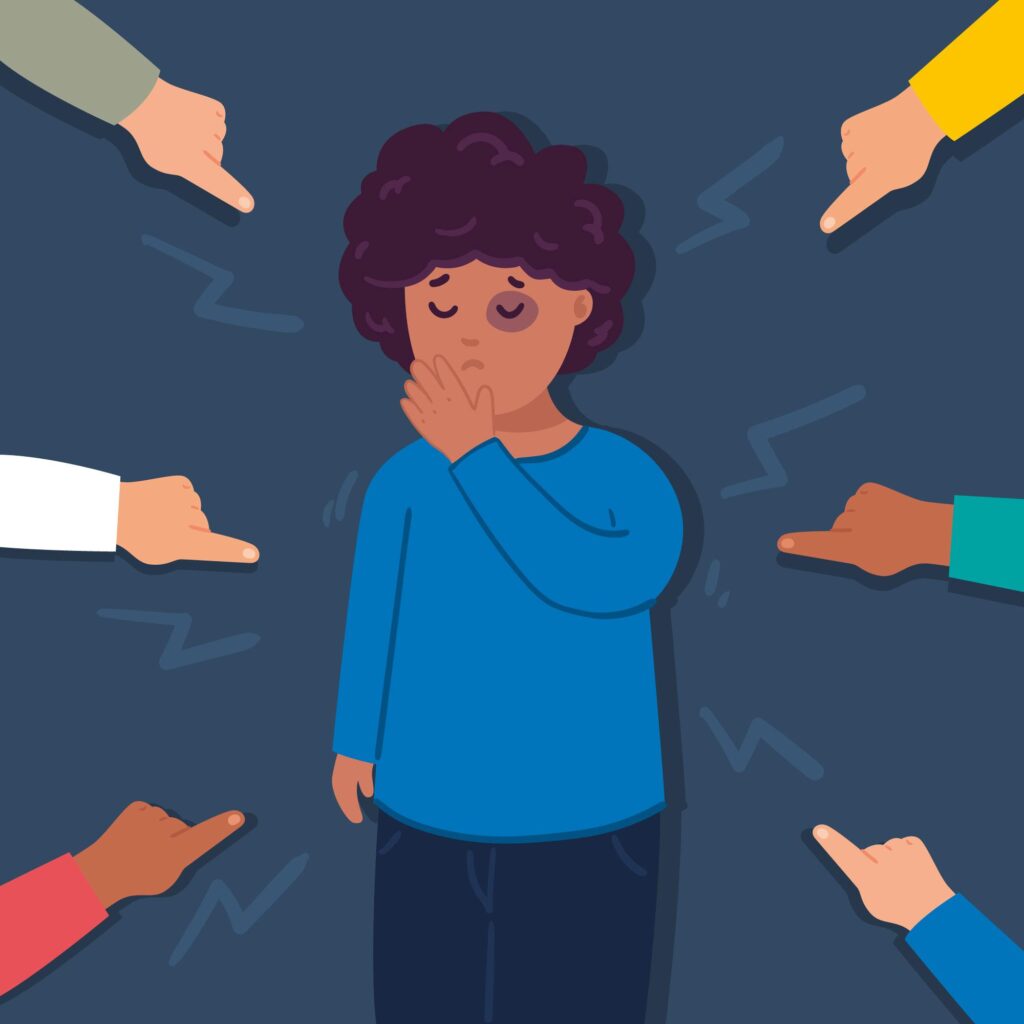
In Canada’s residential schools, older children were instructed to punish the younger ones—to hit them, isolate them, report them for infractions defined by an institution that sought to erase who they were. The adults gave the orders. The children were conscripted to carry them out. This was not incidental. It was structural. It was framed…
-
Beyond blame: reimagining discipline in a trauma-informed world
Collective punishment is neither effective nor ethical. It disciplines the group for the actions of one, eroding trust and reinforcing the very dynamics of power and fear that trauma-informed practice seeks to heal. In its place, we need something older and deeper—an approach to discipline rooted in relationship, regulation, and repair. Indigenous teachings and relational…
-

Help please: call for Indigenous perspectives on collective punishment in BC schools.
We are seeking contributions from Indigenous scholars, knowledge-keepers, writers, parents, educators, and community leaders on discipline, punishment, exclusion, and accountability in British Columbia’s public schools. This project began from a concern that some school discipline practices — including collective punishment, exclusion, surveillance, public shaming, and informal removal — may sit within longer histories of colonial…
-

The cost of compliance – the foundational critique and case for change
When children are dysregulated, the response from educators is too often punitive. For neurodivergent students in particular, the cost of these responses is high: shame, trauma, social exclusion, and a deep erosion of trust. But it does not have to be this way. Restorative alternatives are not new. They are ancient practices found in many…