
Ombudsperson
The Ombudsperson is a fairness and accountability route for complaints about public administration. In BC schools, it can help examine whether districts followed fair process, gave reasons, acted reasonably, responded to complaints, and administered supports or exclusions properly — especially where families are trapped in delay, deflection, or procedural harm.
-
Shattered pathways of parent advocacy in BC’s public schools
It’s time to riot in the streets. We have tried everything else and our children are still being hurt. The existing systems of appeal and escalation are ineffective, more focused on preserving the institution than delivering justice. It’s time to end the engineered scarcity in our public education system. The maze of ineffective complaint avenues…
-
The unseen wounds of advocacy: caregiver burnout, moral injury, and embodied grief
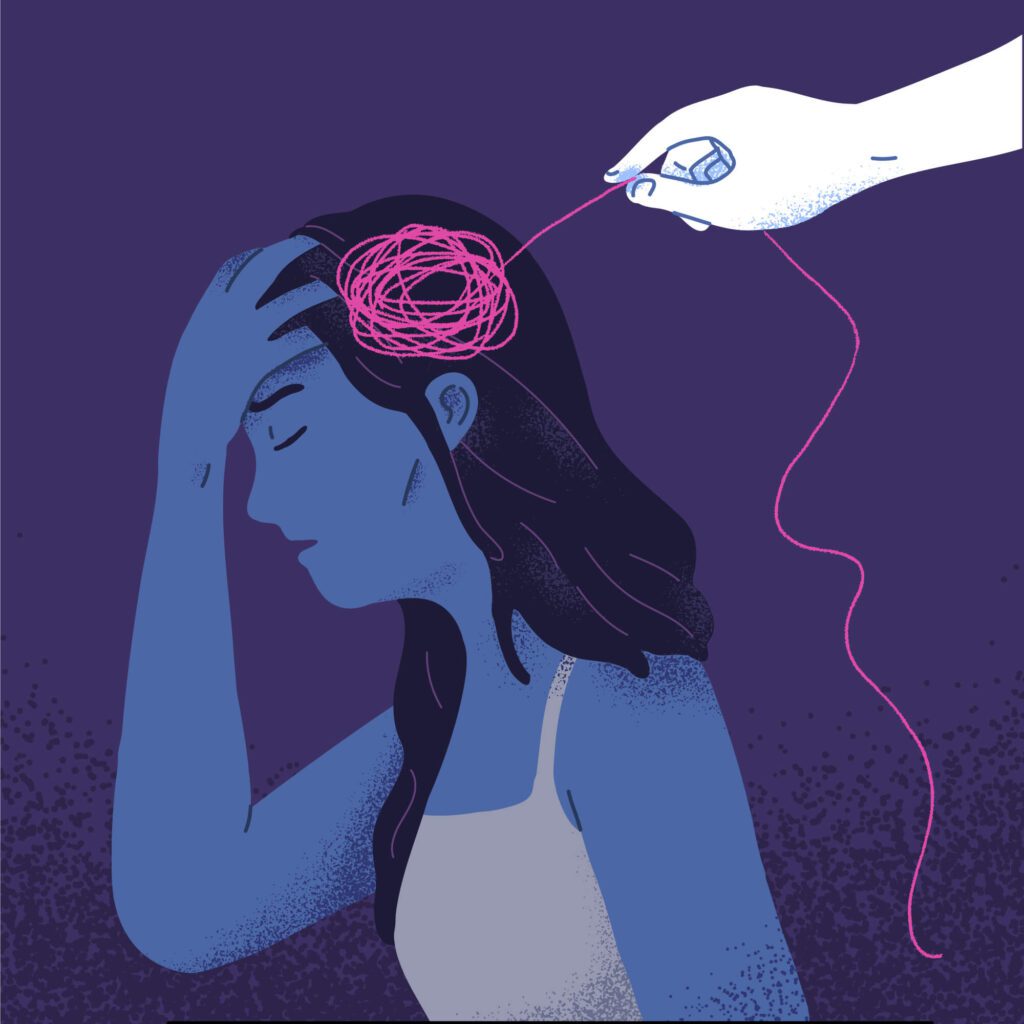
Caregiver burnout in BC schools reflects moral injury and systemic betrayal, as mothers fight exclusion and harm while advocating for disabled children.
-
Right to no discrimination
Every child has the right to learn and belong at school without being treated unfairly because of who they are. In British Columbia (B.C.), this Right to No Discrimination means public schools must welcome all students on equal terms, regardless of their race, Indigeneity, colour, ancestry, place of birth, religion, family background, sex, sexual orientation, gender identity, disability,…
-

Rot at the root: Why POPARD must be dismantled from the top down
When I first objected to the strategies POPARD proposed, I tried—truly—to assume good intent: that if I just gave them the right information, the clearest language, the most generous interpretation of their mandate, they would course-correct and stop pushing reward charts onto an already-traumatised child. I wrote careful emails, cited the psychologist’s diagnosis, offered specific…
-

Timelines matter
Advocating for a child’s right to an education should not feel like an uphill battle! Yet for some families navigating school exclusion across British Columbia, every step of the process can seem designed to delay, deflect, and deny necessary support. When schools fail to meet the needs of students—particularly those with disabilities or diverse learning requirements—families are…
-

From corporal punishment to collective harm: why Section 43 still casts a shadow over Canadian schools
Section 43 still permits “reasonable force” in schools. This blog explores how it enables collective punishment and violates children’s rights.
-

Report highlights barriers to inclusion in Vancouver Schools
he Inclusive Education Working Group (IEWG) has released an important new report, Advocating for Equity: A Caregiver-led Examination of Inclusive Education in Vancouver Public Schools, shedding light on the systemic challenges faced by students with disabilities in Vancouver schools. The 2023–2024 school year was marked by critical shortages in both resource teachers and educational assistants,…