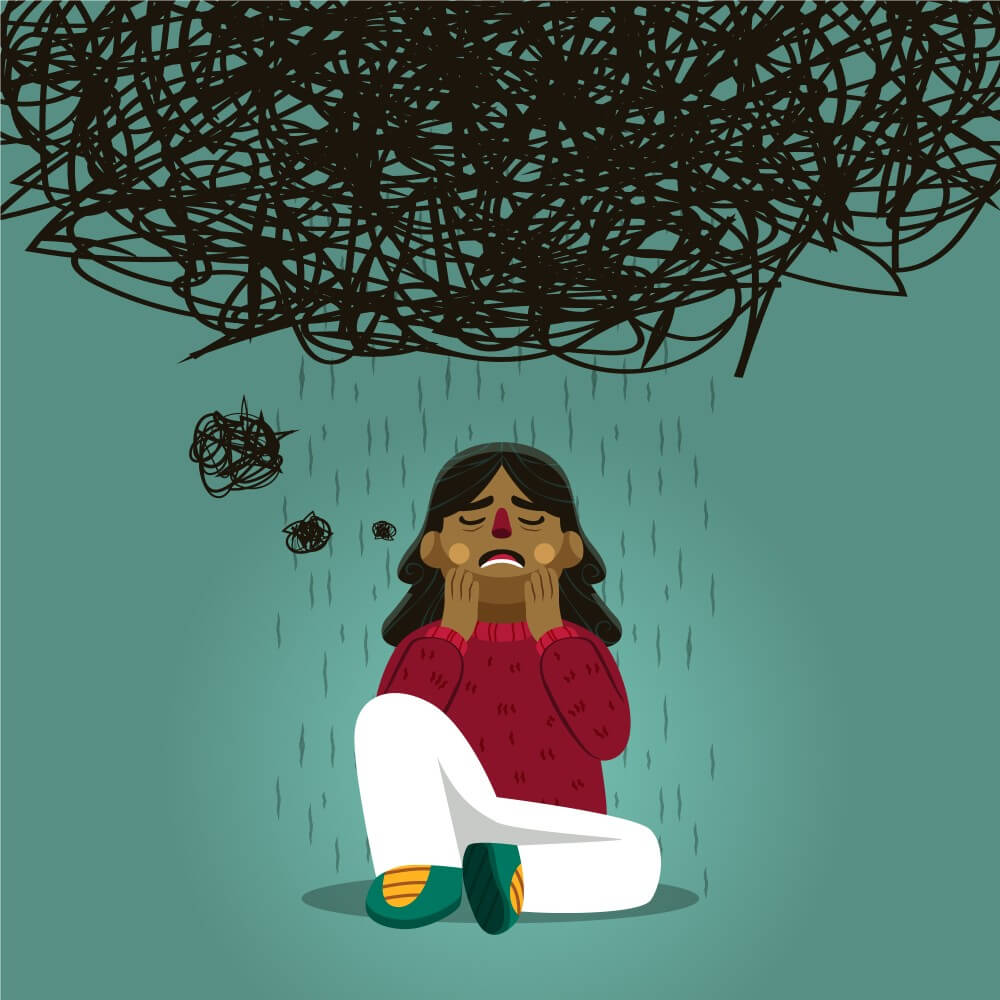
Token chart
Reward systems that use visible tokens, stars, or points to manage student behaviour—often prioritising compliance over understanding.
-

What research says about school conduct codes and disabled students
This explainer summarises what a small but influential group of scholars have shown about school discipline policies, student codes of conduct, and how these frameworks disproportionately harm disabled and neurodivergent students. It draws especially on the work of Catherine K. Voulgarides, Russell J. Skiba, Daniel J. Losen, David Osher, and Edward Fergus. Where possible, citations…
-
Pacific Heights Elementary School (SD36): a neurodiversity-informed policy critique
The Pacific Heights Elementary Code of Conduct positions the school as a community of “learners (curiosity, humility, engagement, wonder, delight, creativity, collaboration, passion)” and emphasises “care for self, others, and the environment,” framing positive relationships as “foundational to learning.” This aspirational preface signals a relational ethos. Yet the operational sections reveal a blend of restorative…
-
North Surrey Secondary (SD36): a neurodiversity-informed policy critique
North Surrey Secondary’s 2024–25 Parent/Student Handbook presents itself as a practical guide to daily school operations, but its conduct code reveals a disciplinary framework anchored in behavioural control, punctuality, and compliance. Its language reflects a pre-neuroscience understanding of student behaviour, one that frames regulation as obedience, distress as misconduct, and support as conditional upon conformity.…
-
Serpentine Heights Elementary (SD36): a neurodiversity-informed policy critique
Serpentine Heights presents its Code of Conduct as an affirmation of safety, inclusion, and communal care. The opening commitments describe a school that values belonging, co-constructed routines, and dignity for every learner, offering a vision of education rooted in relational safety and shared citizenship (p. 1) . This framing gestures toward a caring culture, one…
-
Confident Parents, Thriving Kids—unless you’re autistic
Why school systems should reject behaviourist programs disguised as mental health support. Our daughter was melting down almost every day after school. She would cling to me at drop-off like she was drowning—like she had to hold onto me or she would lose herself, unable to breathe, unable to bear it. She was already telling…
-
Anxiety is not an overreaction: why neurodivergent distress demands a different response
There is a kind of anxiety that rises up like a wave—not sudden, not irrational, not the result of faulty thinking or poor coping, but steady, cumulative, and earned. A body that has learned the world is not safe, not soft, not designed for it. A body that has been punished for asking for help,…
-
We shouldn’t be enemies
I took my daughter for a manicure this week. She’s graduating from grade 7. A milestone. A moment that felt almost ordinary—slideshow, applause, plastic chairs, nervous grins—and yet there was nothing ordinary about what it took to get there. Vocabulary for what happened Class change She spent seven months of this school year outside the…
-
On graduation and the grievability of disabled children
I’ll try to be normal at my daughter’s graduation, even as I grieve a system that quietly erased her twin and expects no one to notice.
-
Why sticker charts fail
Sticker charts and other incentive-based systems promise to motivate children through tangible rewards, yet they too often undermine genuine engagement by teaching students to focus on external validation rather than on the inherent value of learning or participation. When a child’s behaviour is redirected toward earning stickers or tokens, the activity becomes a transaction instead…
-
Beyond blame: reimagining discipline in a trauma-informed world
Collective punishment is neither effective nor ethical. It disciplines the group for the actions of one, eroding trust and reinforcing the very dynamics of power and fear that trauma-informed practice seeks to heal. In its place, we need something older and deeper—an approach to discipline rooted in relationship, regulation, and repair. Indigenous teachings and relational…
-
Balancing budgets by denying disabled kids support
In British Columbia, we are told that the education system is improving. Budgets are rising. Inclusion is a stated priority. And yet, for families whose children require consistent, sustained support—especially those who are disabled or living with complex trauma—the lived experience is defined by absence, delay, and denial. There is a growing chasm between the…
-
A neurodiversity-affirming critique of the BC Ministry’s guide to school conduct
The BC Ministry of Education’s guide presents itself as a blueprint for positive school climates. Yet beneath its conciliatory language, it reinforces behavioural conformity and institutional authority over student autonomy. It fails to address the structural and sensory barriers faced by neurodivergent students, and in doing so, undermines its own claims to safety and care.…
-
Rot at the root: Why POPARD must be dismantled from the top down
When I first objected to the strategies POPARD proposed, I tried—truly—to assume good intent: that if I just gave them the right information, the clearest language, the most generous interpretation of their mandate, they would course-correct and stop pushing reward charts onto an already-traumatised child. I wrote careful emails, cited the psychologist’s diagnosis, offered specific…
-
Shut it down: Why POPARD cannot be trusted to support neurodivergent children
We asked for help.We got a behaviour chart. We invited experts into our child’s life, hoping they would help school staff understand his anxiety, his trauma responses, his fiercely sensitive nervous system. We asked for relational strategies grounded in respect and attunement. We shared research. We named his diagnosis. We explained, in plain terms, what…