
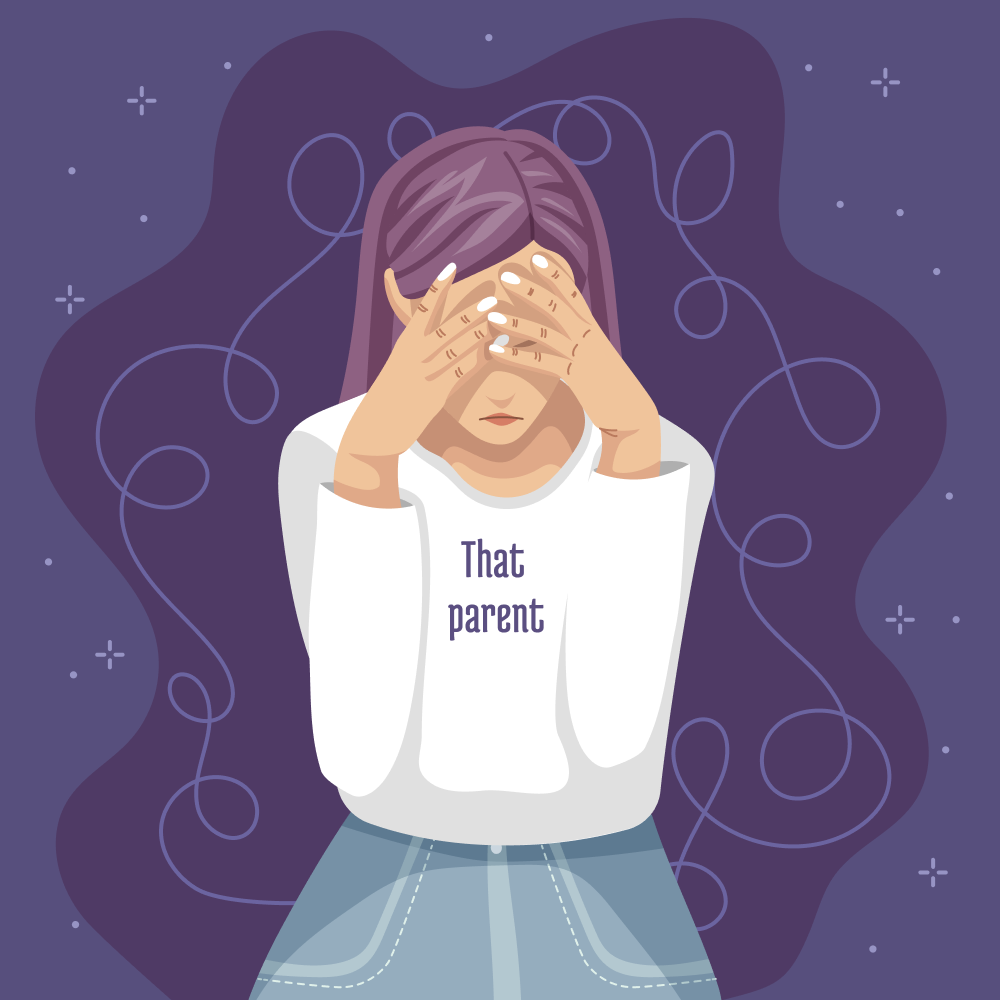
Tone Policing
An institutional tactic disguised as civility. Tone policing redirects attention from the content of a grievance to the emotional delivery—particularly when the speaker is a woman, racialised, or disabled. It enforces hierarchy by demanding that pain be presented politely.
-
I wish I had your problems
I’ve spent most of my life editing myself for other people—shaping my sentences so I won’t be seen as difficult, framing my pain in acceptable ways so no one feels accused.
-

The price of being the one who says the hard thing
There is a moment that plays out in a thousand variations—at school pickup, on the playground, during track and field events—when a parent turns to you, warm and casual, and says, “How are things?”, and for the briefest fraction of a second, you forget the rules and answer honestly. You begin to speak—not with rehearsed…
-
Rethinking accessibility leadership, training, and labour in BC public education
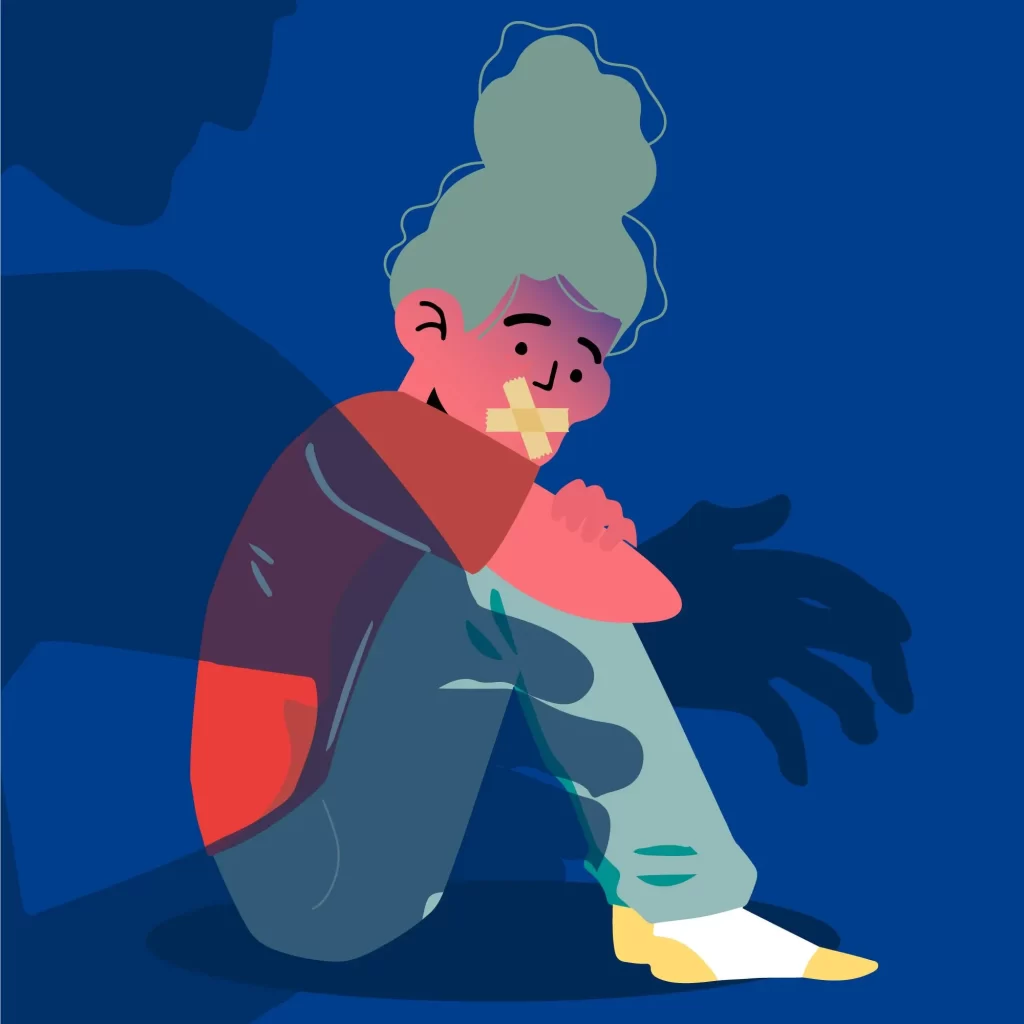
In accessibility work, most transformative insights come directly from disabled people. Lived experience is primary data; manuals and metrics are, at best, secondary literature. In schools, teachers are experts in pedagogy, yet few are trained in disability or neurodivergence. That absence is not incidental—it is engineered, and the consequences are everywhere. The current failure—and promise—of…
-
The politics of politeness: how tone-policing silences parent advocates
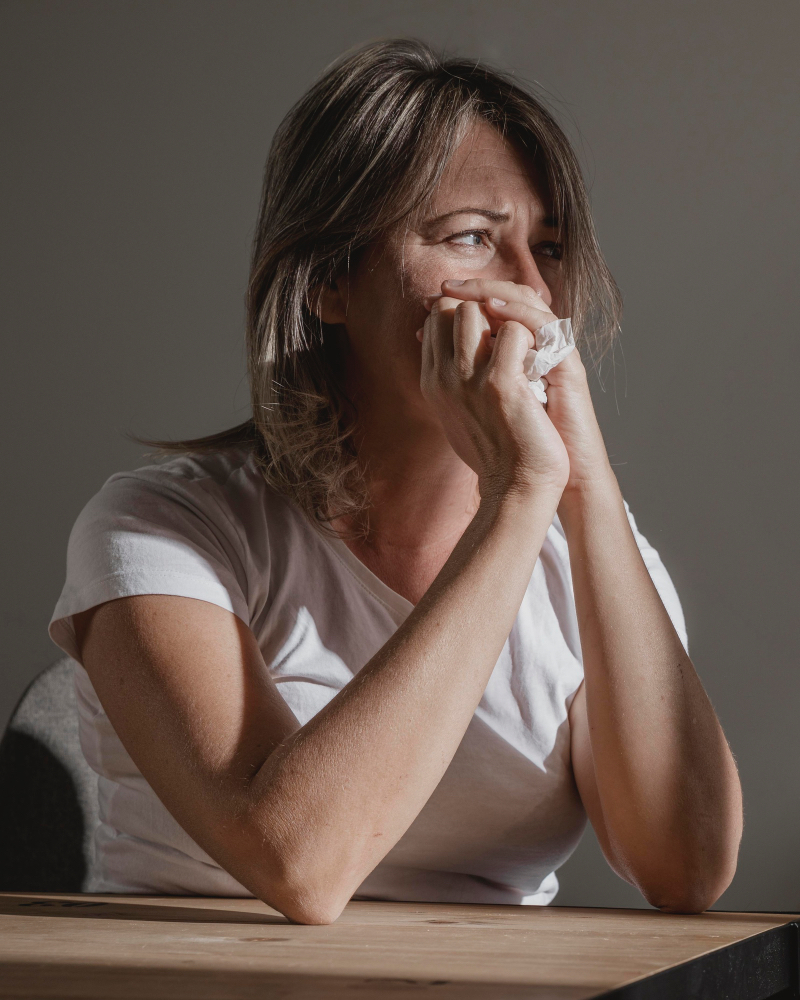
When a parent dares to speak plainly about harm—especially when that harm is systemic, ongoing, and inflicted upon a disabled child—they are swiftly met with a familiar response: watch your tone.
-

Balancing budgets by denying disabled kids support
In British Columbia, we are told that the education system is improving. Budgets are rising. Inclusion is a stated priority. And yet, for families whose children require consistent, sustained support—especially those who are disabled or living with complex trauma—the lived experience is defined by absence, delay, and denial. There is a growing chasm between the…
-
You’re not wrong: reflections on motherhood and advocacy
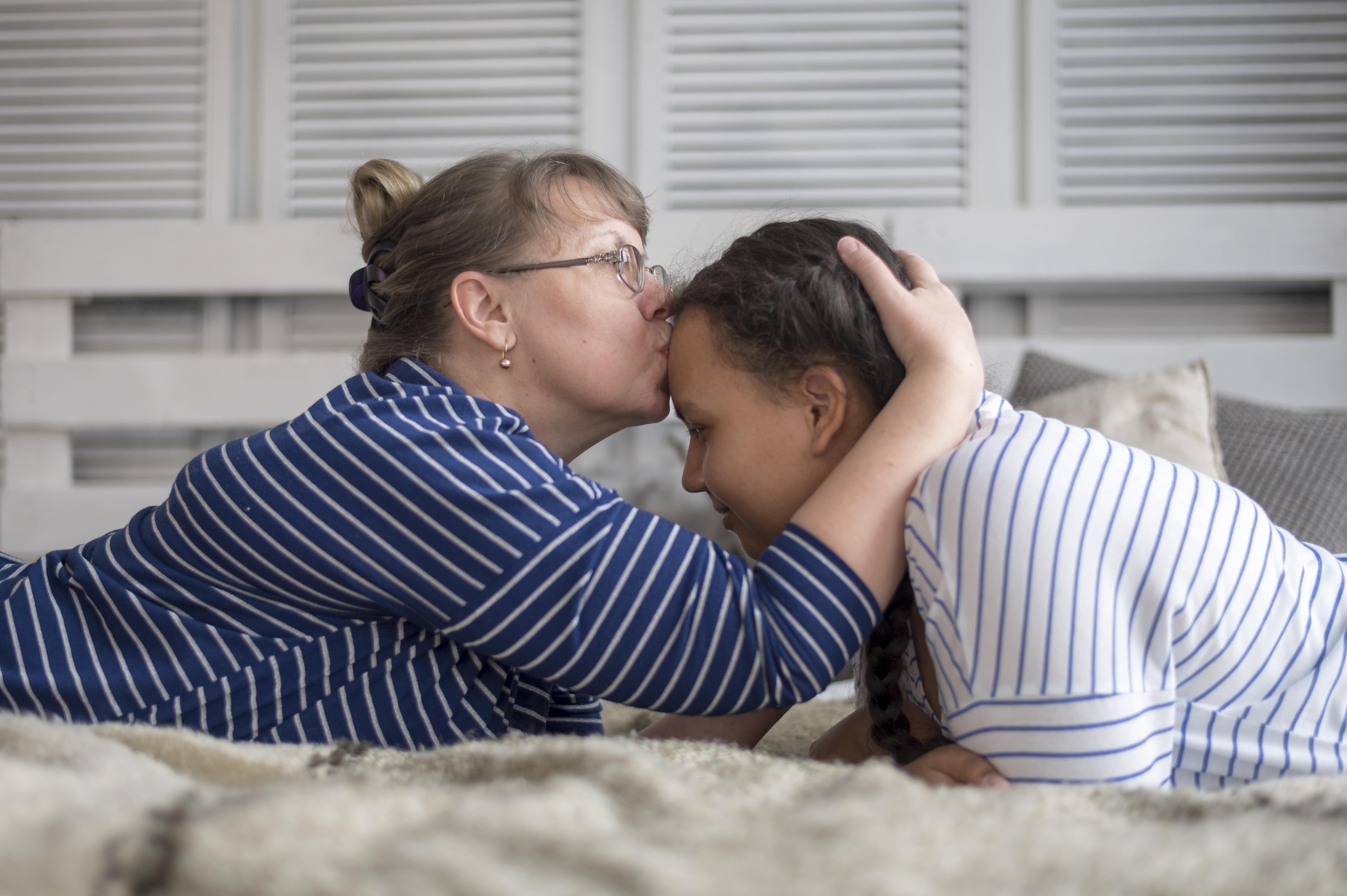
This piece is for the mothers who have become unrecognisable to themselves in the crucible of advocacy—those who perform calm while their bodies tremble with rage, who write polite emails through tears, who scream in the car and smile in the meeting. It is for the women whose clarity was framed as aggression, whose persistence…
-
How to lodge an education appeal in British Columbia
Filing an appeal in the Vancouver School District is not for the faint of heart. It’s like falling on glass slowly. Emotionally draining by design. But for some families, it is the only path left. I’ve filed several myself. Sometimes, my child got a little more support. Other times, I walked away empty-handed but still…
-

Protecting children’s dignity and safety in a broken system
We should be able to expect a system where no child sits in wet clothes all day, and no child is changed alone by a single staff member behind closed doors. These are basic, non-negotiable standards for dignity and safety, not optional aspirations. While we can all acknowledge that the system is under immense strain,…
-

Coerced sibling care in public school inclusion
The school saw twins and imagined comfort. What they created instead was coerced care—using my daughter’s body to regulate her brother without consent, without safety, and without repair.
-

What families learn from the inside of exclusion
We weren’t trained for this. We were not briefed, warned, or prepared. We entered the public school system, bright-eyed and bushy-tailed, like most parents do—with trust, with hope, and with a belief, however weathered, in the promise that schools would try to do right by our children. What we didn’t understand was how quickly that…