

BC Education System
Institutions, policies, funding, Ministry, districts, public education, unions, school boards.
-

The thermometer and the furnace: what the Fraser Institute refuses to count
Michael Zwaagstra wants you to believe that British Columbia spent generously on its public schools and received nothing in return, that unions are self-interested actors inflating a crisis for their own benefit, that the real culprits behind declining PISA scores are a progressive curriculum and the absence of high-stakes exams.
-

Positive behavioural interventions and supports: a behaviourist rebrand
Positive behavioural interventions and supports circulates through British Columbia’s public schools with a gentle, polished confidence, offering administrators the comfort of matrices and fidelity tools, offering families soothing language about positivity and predictability, and presenting itself as an enlightened evolution of schoolwide discipline, yet what I see each time I study its structure is the…
-

The behaviourist spine of BC’s urgent-response systems
In Urgent behaviour intervention teams in major BC school districts I shared research which identified the intervention teams in many of the larger districts in BC, describing their processes and roles, mostly in the language that they describe their services. This essay attempts to analyse those systems through a disability-justice lens, revealing how roles, processes,…
-
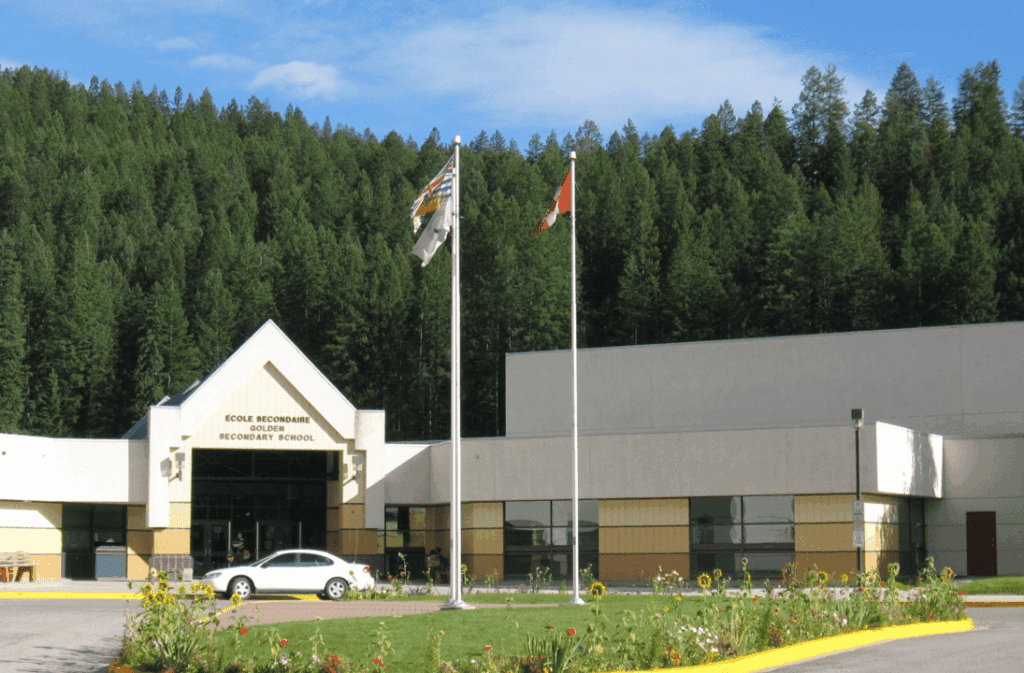
Rocky Mountain School District (SD) inclusion education update
I found an update in the October 14, 2025 board meeting package, starting on page 45. The update opens by outlining the provincial model so trustees and families understand the constraints shaping services. BC uses a model created more than twenty years ago, which places most learning support funding into the general per-student allocation. Only…
-
Pacific Heights Elementary School (SD36): a neurodiversity-informed policy critique
The Pacific Heights Elementary Code of Conduct positions the school as a community of “learners (curiosity, humility, engagement, wonder, delight, creativity, collaboration, passion)” and emphasises “care for self, others, and the environment,” framing positive relationships as “foundational to learning.” This aspirational preface signals a relational ethos. Yet the operational sections reveal a blend of restorative…
-
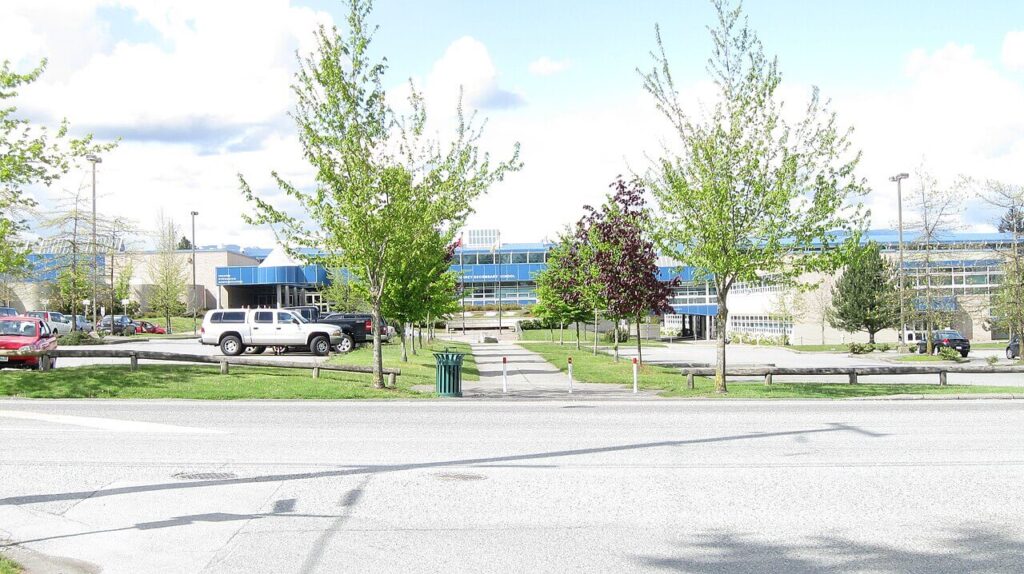
North Surrey Secondary (SD36): a neurodiversity-informed policy critique
North Surrey Secondary’s 2024–25 Parent/Student Handbook presents itself as a practical guide to daily school operations, but its conduct code reveals a disciplinary framework anchored in behavioural control, punctuality, and compliance. Its language reflects a pre-neuroscience understanding of student behaviour, one that frames regulation as obedience, distress as misconduct, and support as conditional upon conformity.…
-

Neural evidence exposes the steep cost of sacrificing vulnerable children to punitive myths
Neural evidence from Altered Neural Responses to Punishment Learning in Conduct Disorder offers a precise account of how punitive school discipline collides with the neurodevelopmental profiles of vulnerable children, because the study shows that punishment learning relies on the anterior insula’s capacity to transform discomfort into behavioural adjustment, and this capacity expresses irregular patterns in the children…
-

Why disabled kids are missing more school than peers
Tara Carman recently wrote an article about rising absences from school and suggested that the trend may be linked to a growing mental health crisis: Why are so many kids calling in sick for school? That explanation captures part of the reality, yet it overlooks a parallel and far more specific pattern that many families…
-

A data story from Southeast Kootenay District
I lived in Nelson as a child. The racial diversity was low. I know it has increased over time, yet it remains a small community, and when a young child arrives from another country and is visibly a person of colour, that presence remains noticeable across the Kootenays. This context matters when reading district records.…
-
The New Westminster submission to the Ombudsperson
Kudos to New West for being the first district I’ve identified to have released their report to the Ombudsperson. The New Westminster submission provides ~three years of exclusion data incidents organised by school, grade, and duration. The tables show concentrated exclusion activity in middle-years grades, consistent reliance on Code of Conduct language, and notable variation…
-

How do we get out of this mess?
British Columbia’s education system is breaking, and Surrey’s classroom evacuations—along with the rushed creation of the Classroom Clear Tracker—show how close we stand to systemic failure. Desperate times create desperate actions, and the crisis unfolding in public education pushes people into hurried choices shaped by urgency, fear, and the belief that any action feels better…
-

The architecture of responsibility in systems that harm
When a system produces predictable, patterned harm — exclusion, restraint, academic abandonment, institutional gaslighting, attrition framed as “choice,” disability-based discrimination — that harm arises from the structural design of the system itself, because structures generate outcomes with the same reliability that rivers carve their beds, and structures reveal the priorities of the province long before…
-

The Cowichan case, land-title hysteria, and the unfinished work of justice in public education
I have been reflecting on the public reaction to the Cowichan case findings, and the deeper I look, the more I notice similar patterns emerging across conversations about reconciliation and disability justice in public schools: the tendency to get stuck in the T part of “Truth and Reconciliation” and to only have the T be…
-
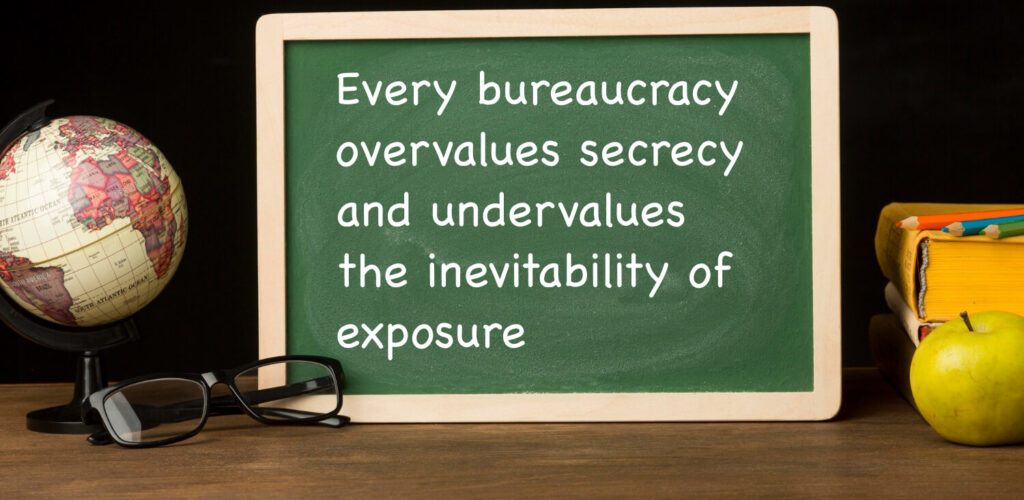
Every bureaucracy overvalues secrecy and undervalues the inevitability of exposure
Bureaucracies function through layers of reporting and review, and these layers create an administrative environment where information moves upward in controlled pathways that privilege institutional interests, because officials rely on curated datasets to demonstrate capability, and these curated datasets shape public understanding. The structure rewards leaders who present clean numbers and reassuring summaries, and this…
-

What the BC government wants us to see: data and public education
Governments build their authority through the quiet choreography of information, and educational systems refine this practice into a disciplined structure where the presence of data becomes a symbol of competence while the absence of certain measurements becomes a strategy that protects institutional dignity, and across decades of policy and public communication the pattern of what…
-

The ethics of counting crisis
I have been packing boxes between paragraphs, writing this series while selling my home—a process shaped by exclusion and the loss of stability that followed my children’s experiences in the Vancouver School District. I approach this work from a lifelong love of data and technology, aware that the same tools I value can create harm…
-

BCEdAccess on Room Clear Tracker
The BCEdAccess post about the Surrey classroom-clear tracker is a dire and necessary warning. Parents are raising concerns that come from lived experience, not abstract theory. They have seen how data about vulnerable children, even when anonymised, can expose them to harm. Their argument is simple: tools meant to improve safety can easily become tools…
-

Counting the wounded: how complaint systems and data bureaucracies erase harm
The same patterns of attrition described in The Ombudsperson and the war of attrition also define how governments manage harm in military and veterans’ systems. Delays in compensation, endless investigations, and deferrals justified as ‘process’ reveal that administrative time itself functions as an instrument of harm. What appears as prudence operates as quiet abandonment—an institutional strategy that…
-

Counting crisis: data, distrust, and the false choice between safety and inclusion
Across British Columbia, the launch of Surrey DPAC’s Room Clear Tracker has ignited a storm of debate among parents, educators, and disability advocates. Some view it as a necessary step toward transparency; others fear it will reinforce stigma or justify segregation. Beneath the surface of this argument runs a deeper fracture—between those who seek safety…
-

The longest deployment: sending my son to school
A reflection on maternal vigilance in a system that demands composure while inflicting harm. This essay follows a mother’s daily act of sending her autistic son into an environment that equates obedience with virtue and endurance with progress. It traces the quiet moral injury of cooperating with institutions that repeatedly harm the children they claim…