

BC Education System
Institutions, policies, funding, Ministry, districts, public education, unions, school boards.
-

North Okanagan-Shuswap (SD83): a neurodiversity-informed policy critique
School District 83’s Policy 310 Student Code of Conduct, amended December 14, 2021, presents itself as a framework for “safe, respectful, and inclusive learning and working environments for all members of its school communities.” The policy commits to restorative approaches, acknowledges that consequences should be “preventative and restorative in nature,” and states explicitly that “appropriate…
-

Care and support for children with disabilities within the family
Children thrive when their caregivers thrive. The Special Rapporteur reminds us that the well-being of children with disabilities is bound to the well-being of their families—especially mothers, who carry most of the invisible labour. When schools fail to support families, they create conditions that push children toward exclusion or even institutionalisation. Families are often forced…
-

Advocacy in BC schools: a comprehensive guide for parents
When your child experiences harm in a British Columbia public school—when they are excluded, punished unjustly, denied accommodations, or subjected to practices that violate their dignity—you enter a landscape designed to exhaust rather than resolve, to defer rather than repair, to protect institutional reputation rather than protect children. This guide maps that terrain, naming the…
-

The cancellation
When the principal cancelled the volleyball game, she did more than remove an afternoon of play from a group of eager children, she transformed what should have been a moment of joy and collective affirmation into despair and humiliation, converting what should have been an opportunity to connect and excel as a team into a…
-
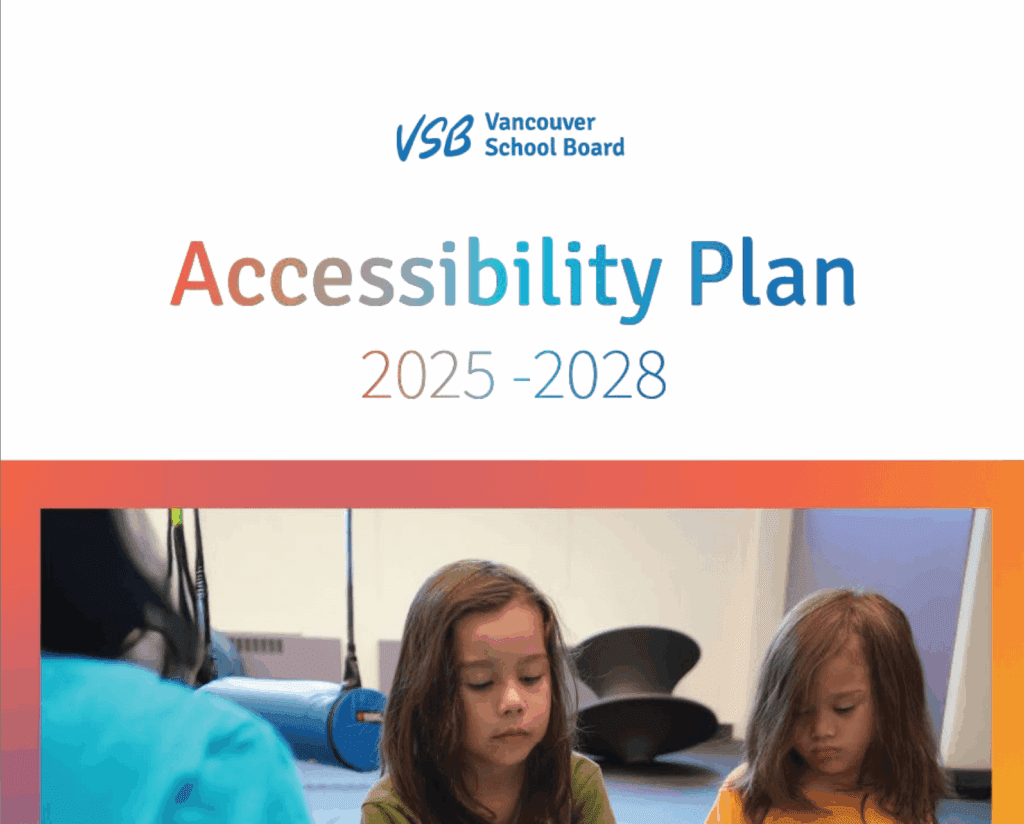
Side-by-side comparison of the VSB plan and a meaningful accessibility plan
The Vancouver School Board has released an accessibility plan that presents itself as a generous gesture toward inclusion, offering aspirational statements about equity, belonging, and shared responsibility, yet the document carries a softness that obscures the lived gravity of disabled students’ experiences and the profound emotional labour that families expend while navigating systems shaped by…
-

Serpentine Heights Elementary (SD36): a neurodiversity-informed policy critique
Serpentine Heights presents its Code of Conduct as an affirmation of safety, inclusion, and communal care. The opening commitments describe a school that values belonging, co-constructed routines, and dignity for every learner, offering a vision of education rooted in relational safety and shared citizenship (p. 1) . This framing gestures toward a caring culture, one…
-

Urgent behaviour intervention teams in major BC school districts
Across British Columbia, many school districts have developed internal teams or programs designed to respond to urgent behavioural situations—such as elopement, aggression, or significant dysregulation—particularly when students are perceived as posing a safety risk or disrupting the learning environment. While these interventions are often framed as supportive or inclusive, families report that they can feel…
-

Fuck your independence dogma
How schools use ‘self-reliance’ to justify abandoning disabled kids. They told me my daughter needed to build her tolerance for the classroom without support. They waxed endlessly about how she wouldn’t want support in high school—ignoring that my daughter had been very clear that she does, in fact, want support. They said it with that…
-
No good news on government K-12 page
The BC k-12 portal promises inclusion, yet broken links and missing disability guidance reveal gaps in safety and access.
-
This isn’t a unique case, is it?
My children’s father said in a meeting: “Surely you’ve dealt with this before and you have a solution? This isn’t a unique case, is it?” The question hung in the air, simple and devastating, exposing in one breath the entire pretence on which school leadership rests. The question matters because it cuts through bureaucratic delay…
-
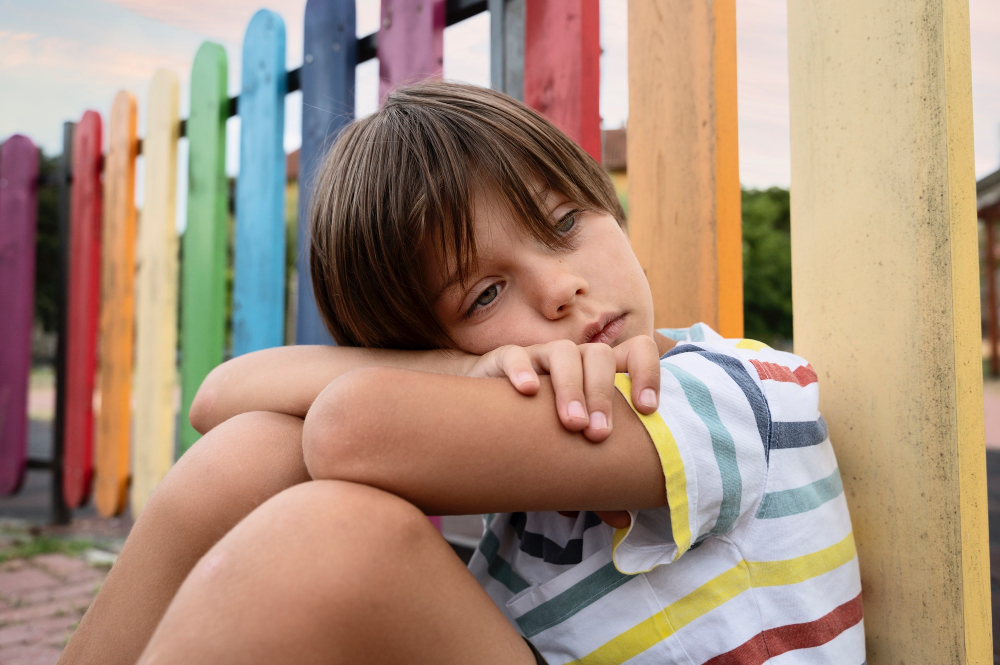
The fallout of regressive discipline: from community trust to mental health
In schools across British Columbia and beyond, discipline often unfolds not as a considered intervention tailored to individual needs, but as a blunt, collective act that seeks to restore order quickly by suspending joy or opportunity for all. The cancellation of recess, the revocation of a field trip, the withholding of an earned privilege—all for…
-
Capital planning as an equity issue
School construction and renewal determine more than where children learn—they decide who will be welcomed, supported, and given dignity in public education for decades to come. A district’s capital plan is a blueprint for access, and when that plan is delayed, misaligned, or wasteful, the effects cascade into every other area of the system, including…
-
PTSD, big reactions, and school’s responsibility for care
The presence of PTSD—whether diagnosed formally or manifesting in trauma-linked behaviours—does nothing to diminish a student’s legal right to safety, dignity, and education. Schools are bound by law to provide accommodations and proactive support to every student, including those whose distress may surface as loud, sudden, or intense reactions. PTSD can be the direct result…
-
When schools say a child went from “zero to sixty”
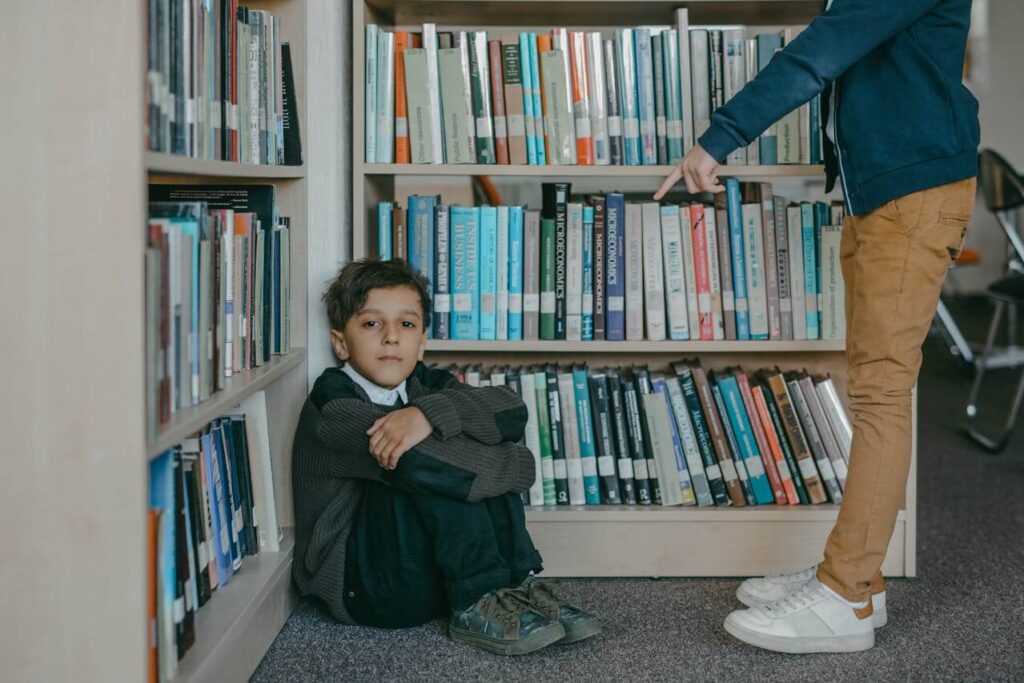
Let’s rip the mask off this polite, professional charade: when schools say a child went from “zero to sixty,” they are lying to protect themselves. They are covering for the adults who ignored every warning, missed every signal, and left a child to be harassed, baited, and humiliated until their nervous system screamed for survival.…
-
25 signs that your IEP team is disabling your child
In the space where families gather with school teams to shape a child’s Individual Education Plan, the language often carries more weight than paper can bear, for each phrase can open a door toward inclusion or quietly plant the seeds of exclusion, and the difference lies in whether the plan nourishes capacity or erodes it.…
-

The infection of neoliberalism in Canadian public education
The ideology of neoliberalism, with its relentless emphasis on competition, individual responsibility, and market logic, has seeped deeply into Canadian public education. It presents itself as pragmatic and modernising, promising efficiency, innovation, and responsiveness to “stakeholders.” Yet beneath this rhetoric lies a corrosion of the foundational principles of public schooling — equity, universality, and the…
-
The orange shirt I folded
I was folding laundry late one night, brain running on the kind of background grief that rarely quiets, when my hand closed around the orange shirt. I moved to set it aside—automatically, instinctively—because I remembered September was coming, school would be starting, and Orange Shirt Day would follow quickly after. That shirt would be needed…
-

The truth shall set us free: healing from institutional violence in BC public schools
Healing doesn’t begin with massages or mindset shifts. It begins with telling the truth about what was done to us—about what it means to watch your child collapse under institutional betrayal, to be praised for your composure while they take away his lifeline. The system demands civility while delivering harm. This essay is a witness…
-

Collective punishment: how schools displace guilt, erase harm, and preserve the collective
One of the things that was so traumatising about the collective punishment that was callously perpetrated against my daughter was the light and evasive tone of the principal. She said that the punishment had to be “swift.” I frequently wondered about the choice to psychologically wound disabled children while treating the infliction of that wound…
-

Cultural bias and collective punishment: why school systems resist feedback
Across cultures and institutions, punishment is often mischaracterised as a neutral or corrective act—something that emerges in response to wrongdoing, rather than something shaped by norms, loyalties, and group dynamics. But when we look closely at how people learn to punish (and more importantly, whom they choose to punish), a very different picture emerges—one that…