-
Too many IEPs include goals like “will self-regulate” or “will self-advocate”—goals that sound supportive, but often mean “will not disrupt,” “will not need help,” or “will not act autistic at…
-

He should have been graduating too, but he isn’t. After years of support that never arrived, of being punished for distress instead of helped through it, my son left school…
-
Our library of tips offers a concise, alphabetically organised toolkit for recognising and challenging the systemic forces that shape student experiences in British Columbia’s public schools.
-
Sticker charts and other incentive-based systems promise to motivate children through tangible rewards, yet they too often undermine genuine engagement by teaching students to focus on external validation rather than…
-
The May 2025 consent resolution involving B.C. principal Pehgee Aranas offers a sobering reminder of the work that remains to make education safe, equitable, and trustworthy for all children—especially those…
-

Cariboo-Chilcotin is one of the most geographically dispersed and demographically complex districts in British Columbia. Spanning small rural towns and remote Indigenous communities—including sites of historic and intergenerational trauma—SD27 faces…
-
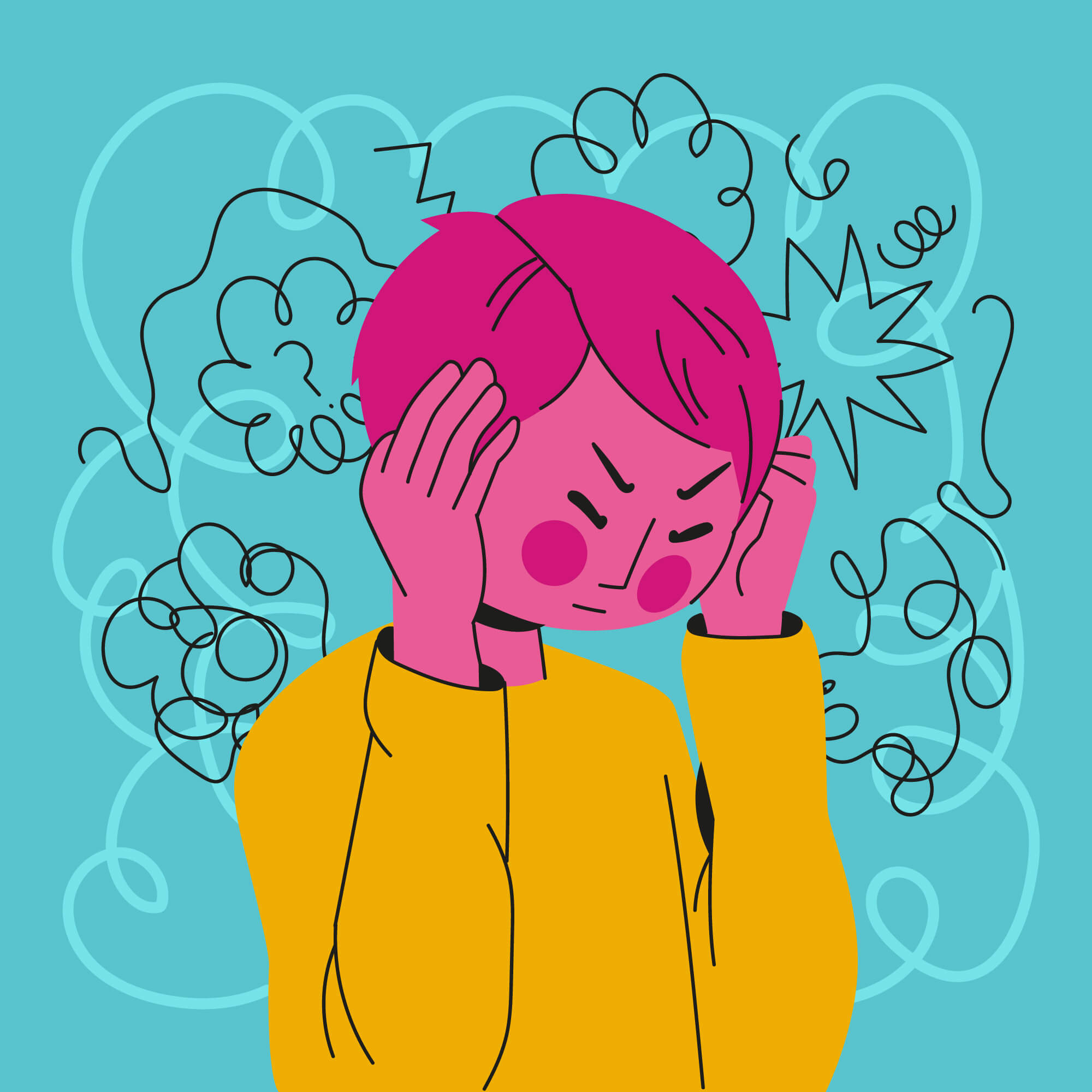
There were accommodations on paper and endless lip-service meetings. But none of it happened in the classroom. And every time we did what was asked—another intake, another form, another plan—the…
-
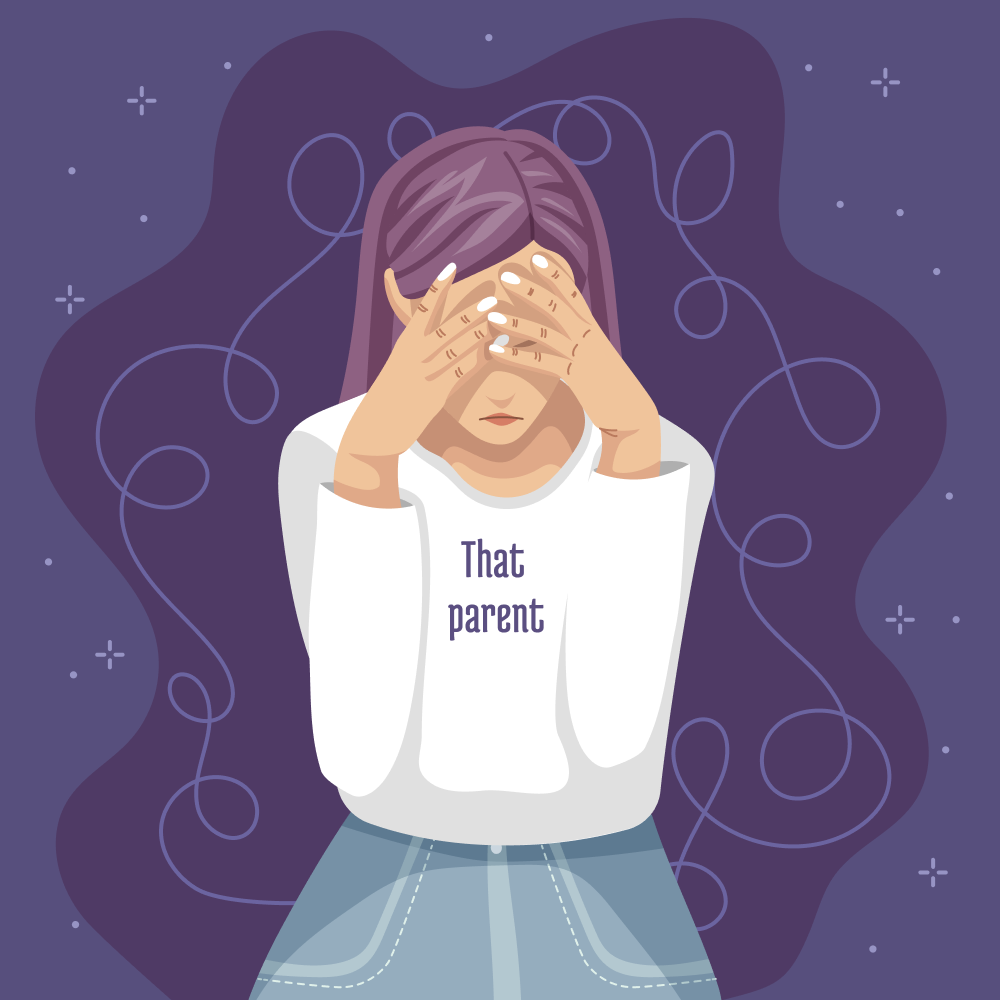
Rules intended for safety become instruments of collective punishment when they erase unstructured play from the school day, compounding distress for children who rely on movement, predictability and sensory regulation.…
-
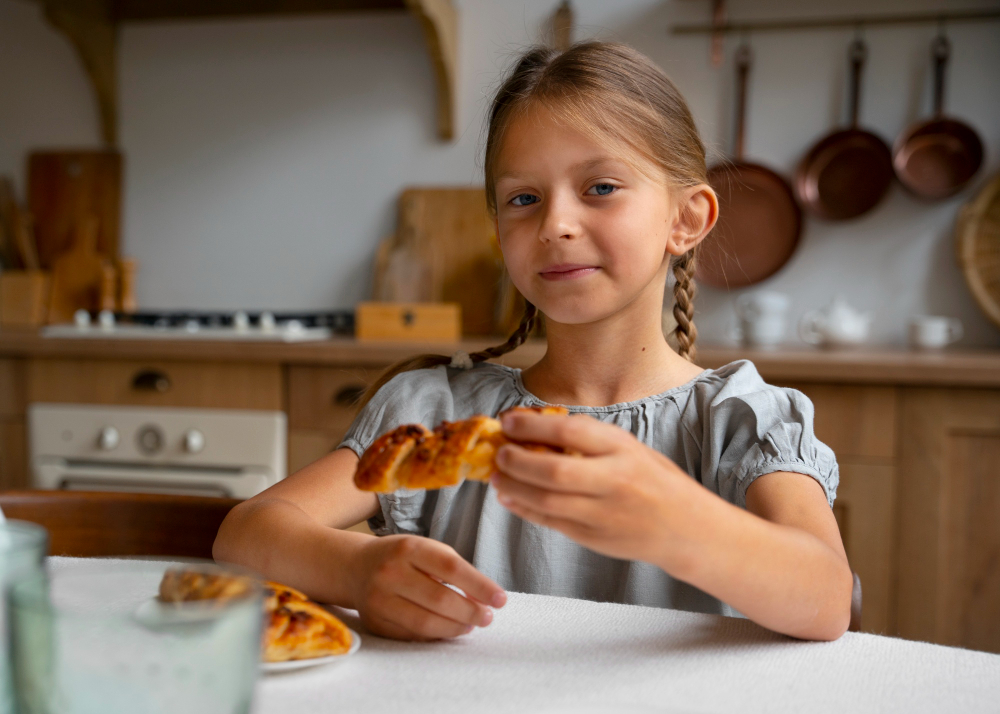
School is exhausting when you are autistic. The noise of kids and shouting makes it hard to focus. The bright lights in hallways and classrooms overwhelm me and break my…
-

There is a quiet solidarity among parents whose children are considered too much for school. Some of us carry medical kits. Others carry binders of psychological assessments. But all of…
-
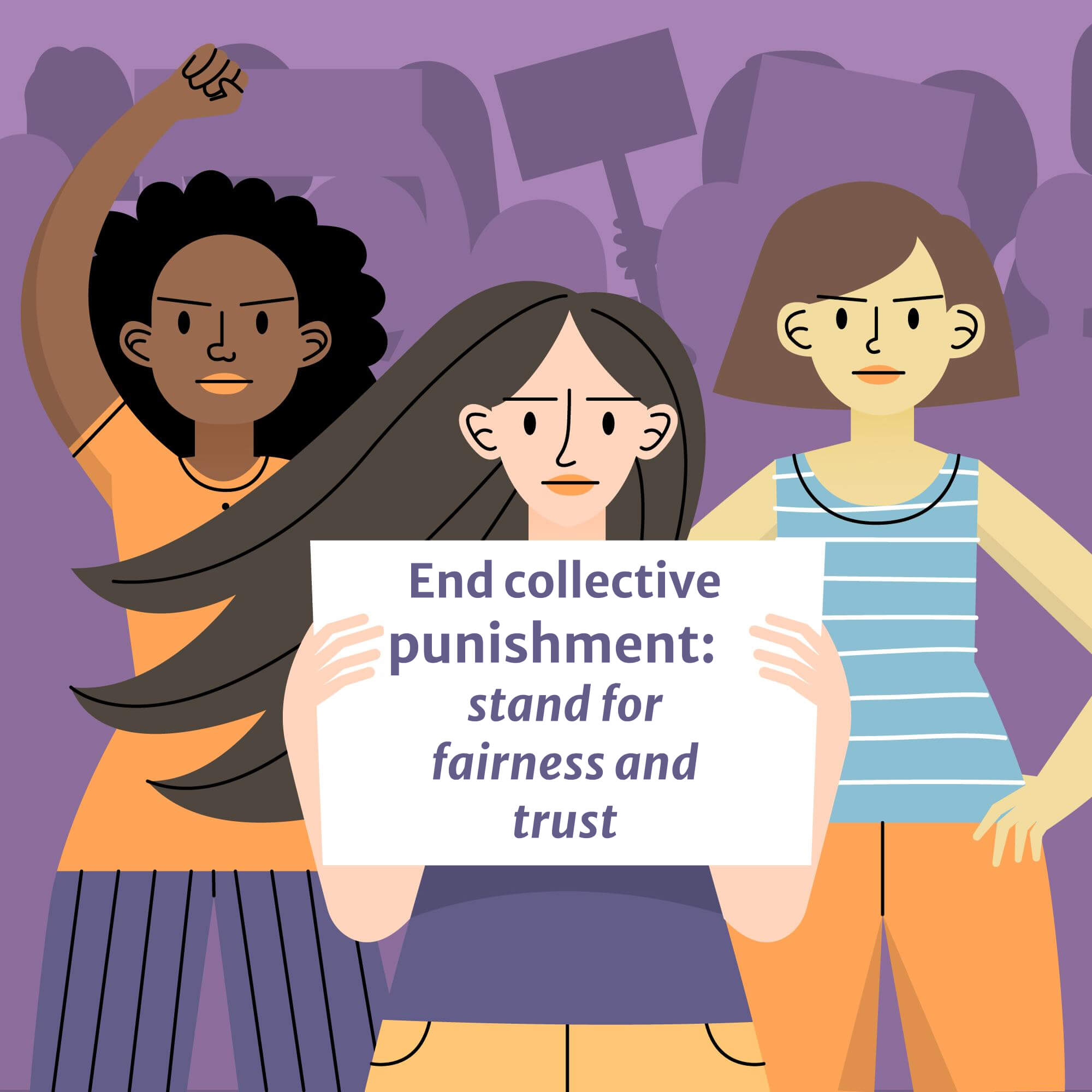
Every child has the right to learn and belong at school without being treated unfairly because of who they are. In British Columbia (B.C.), this Right to No Discrimination means public schools…
-
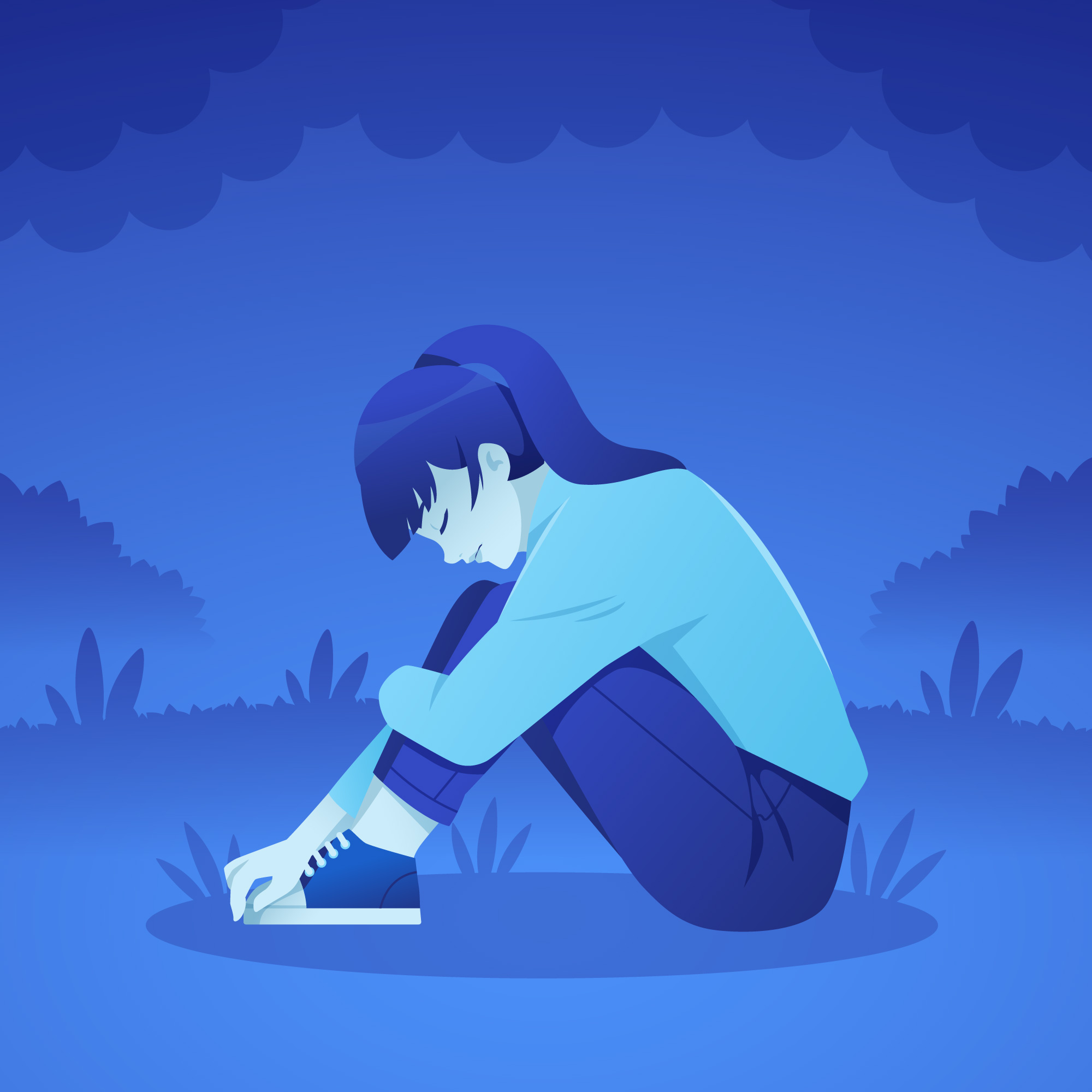
Some children refuse control because control has always felt like violence. Because control has worn the face of love and left behind a residue of shame. Because adults said, “this…
-

When I could barely rise from the couch, I believed my exhaustion was depression. Now I see it was the cumulative harm of years spent silencing myself in hostile institutions,…
-
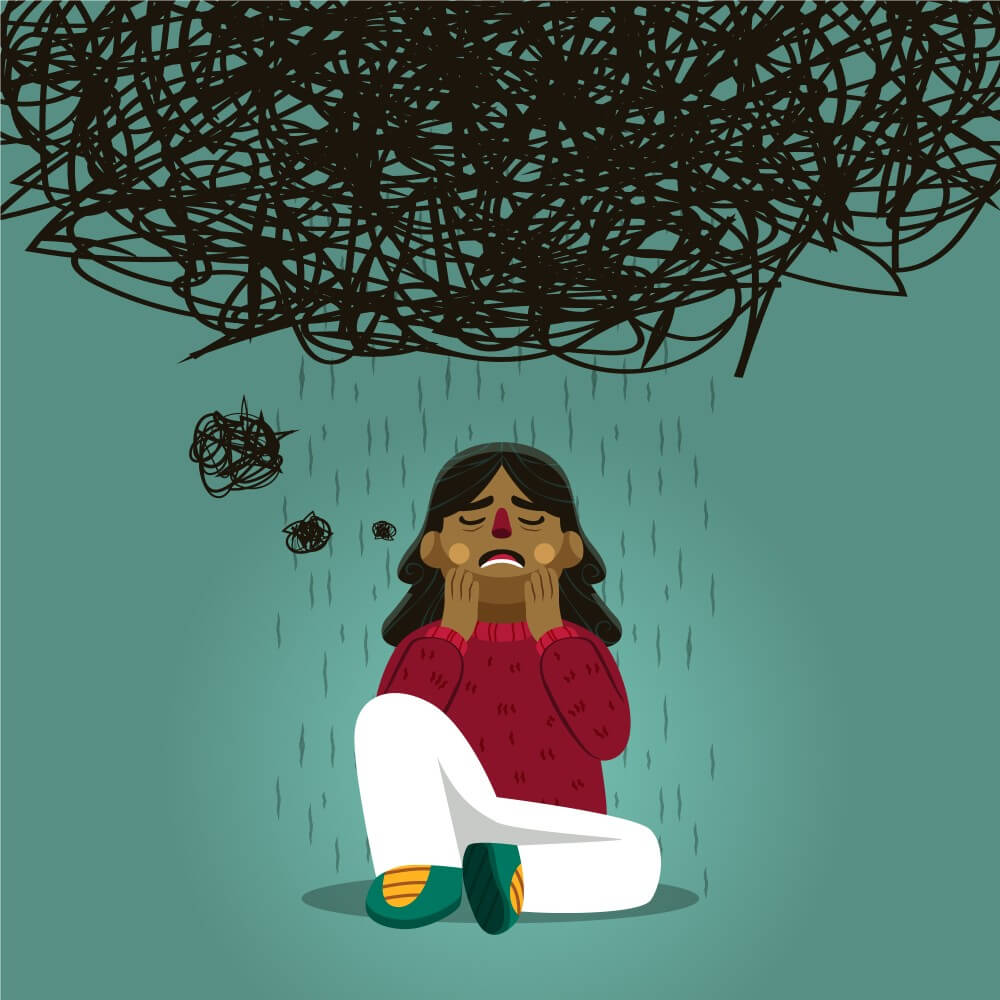
If you’ve had more than enough of your child coming home crying due to collective punishment, we have a solution: today, we are launching a new tool designed to help…
-
Time is money, as they say—but in the world of school advocacy, it’s mostly mothers paying the bill. They spend their work breaks writing emails. Their nights gathering documents. Their…
-
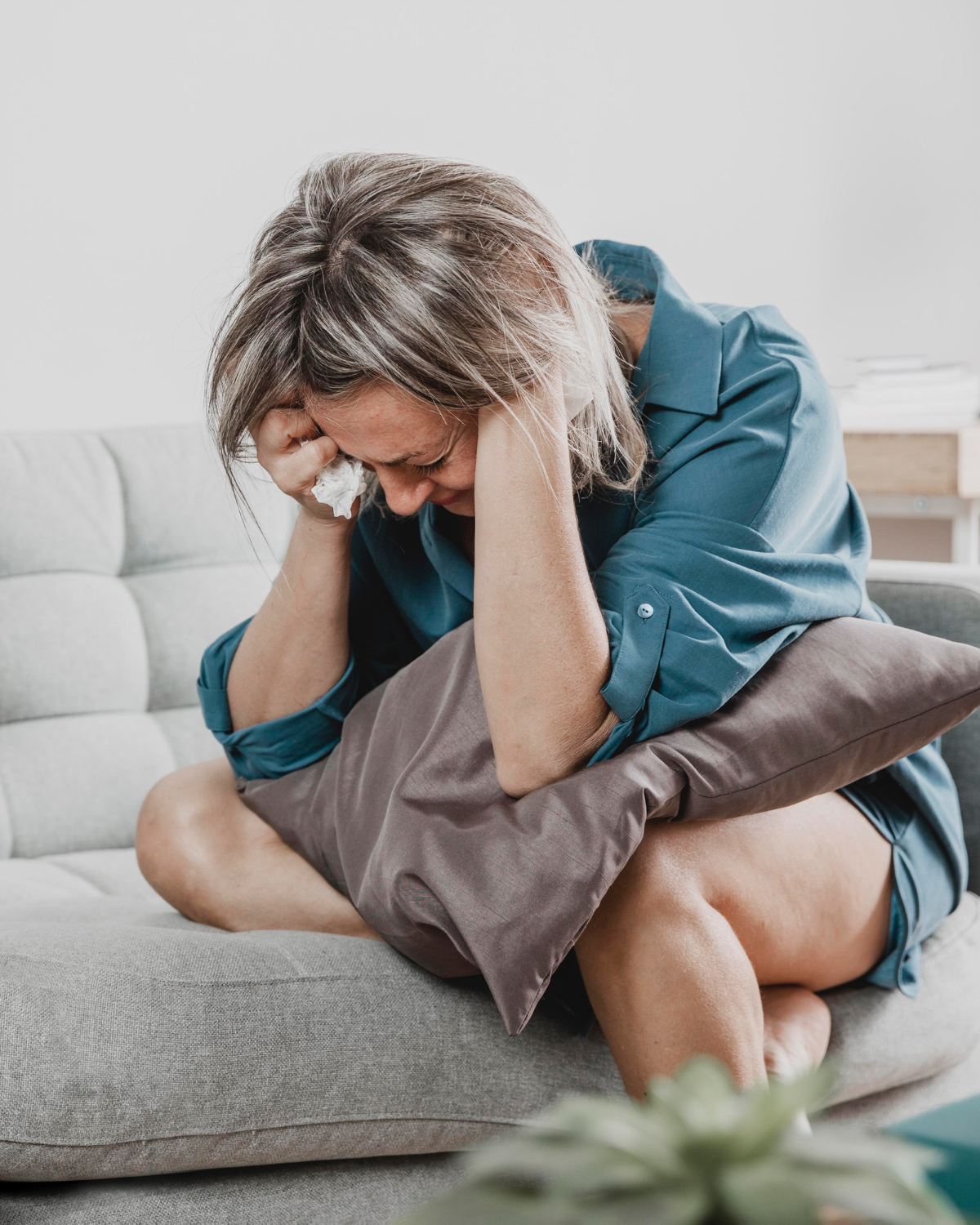
The spoon theory was a revelation once. A metaphor for invisible disability. A way to say: I don’t have limitless energy. Every action costs. But like all metaphors, it eventually…
-

A learning module for educators, caregivers, and community members resisting austerity logic in public systems. Engineered scarcity operates like a slow haemorrhage, draining public education of the resources it owes…
-
British Columbia’s public schools are not suffering from a natural shortage—they are operating under a system of manufactured scarcity. This blog explores how austerity, rationing logic, and institutional self-preservation create…
-

The Arrow Lakes School District’s Policy 310, “Expectations for Student Conduct,” presents a succinct framework grounded in the language of safety, mutual respect, and orderly environments. It affirms the importance…
-
There is a moment that plays out in a thousand variations—at school pickup, on the playground, during track and field events—when a parent turns to you, warm and casual, and…
-
I brought my lunches in yoghurt containers—garlicky stir-fries, bright with tamari and heat—and sat beside children with white bread and bologna, quietly learning that normalcy was measured in silence, sameness,…

News
Updates on policy shifts, school board decisions, and systemic advocacy related to collective punishment and inclusion in BC schools. Follow key developments affecting neurodivergent students, disability rights, and education reform across districts and provinces.
Featured News
-
Children will soon be going back to school… well, some children. Stores are already filled with lunch kits, backpacks, and brightly coloured displays of school supplies. Parents are checking whether…
-
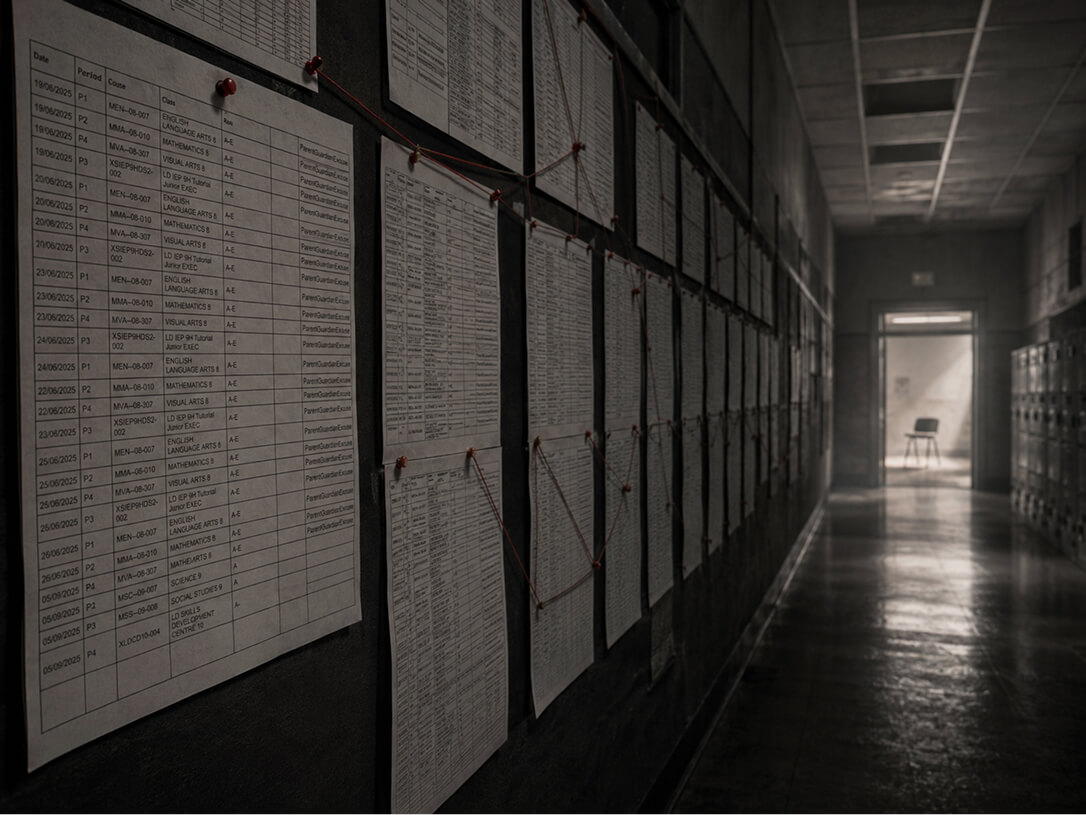
The reason column in my son’s permanent record is mostly blank. When a reason survives, it’s ParentGuardianExcuse.
-
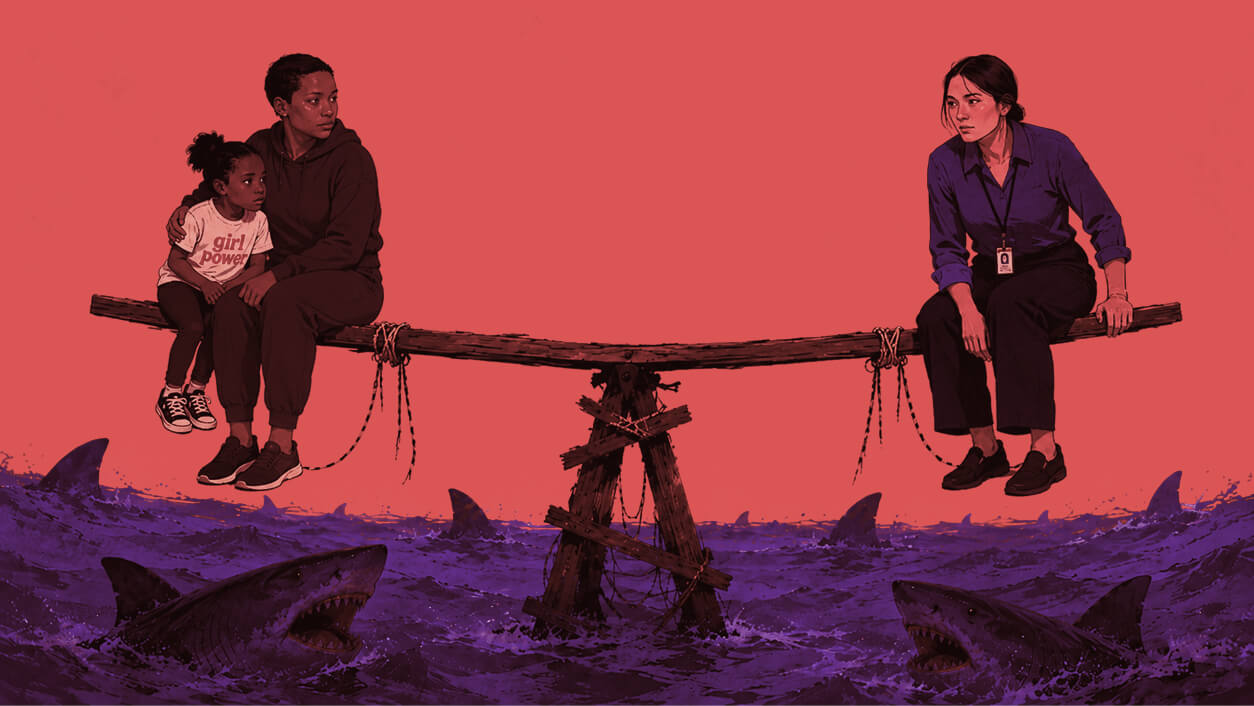
Families and teachers are describing the same failure from two positions inside it. The system survives by keeping them from recognising each other.