-

A growing body of research from 2023–2025 offers a transformative account of how children learn, regulate, and respond to school environments, because these studies converge on a striking and deeply…
-

The Pacific Heights Elementary Code of Conduct positions the school as a community of “learners (curiosity, humility, engagement, wonder, delight, creativity, collaboration, passion)” and emphasises “care for self, others, and…
-
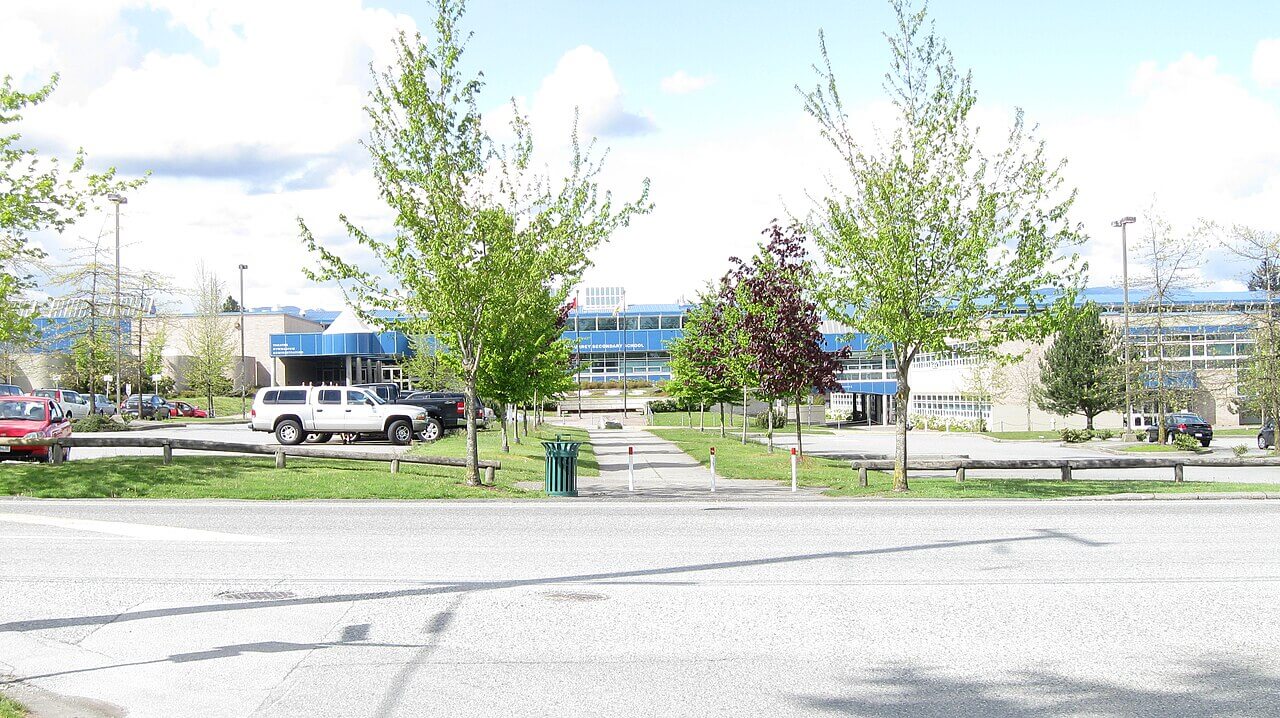
North Surrey Secondary’s 2024–25 Parent/Student Handbook presents itself as a practical guide to daily school operations, but its conduct code reveals a disciplinary framework anchored in behavioural control, punctuality, and…
-

Children now arrive at school shaped by homes that honour physiology over performance, autonomy over obedience, and co-regulation over fear, and this shift grows from a decade of relational neuroscience,…
-
Neural evidence from Altered Neural Responses to Punishment Learning in Conduct Disorder offers a precise account of how punitive school discipline collides with the neurodevelopmental profiles of vulnerable children, because the study…
-
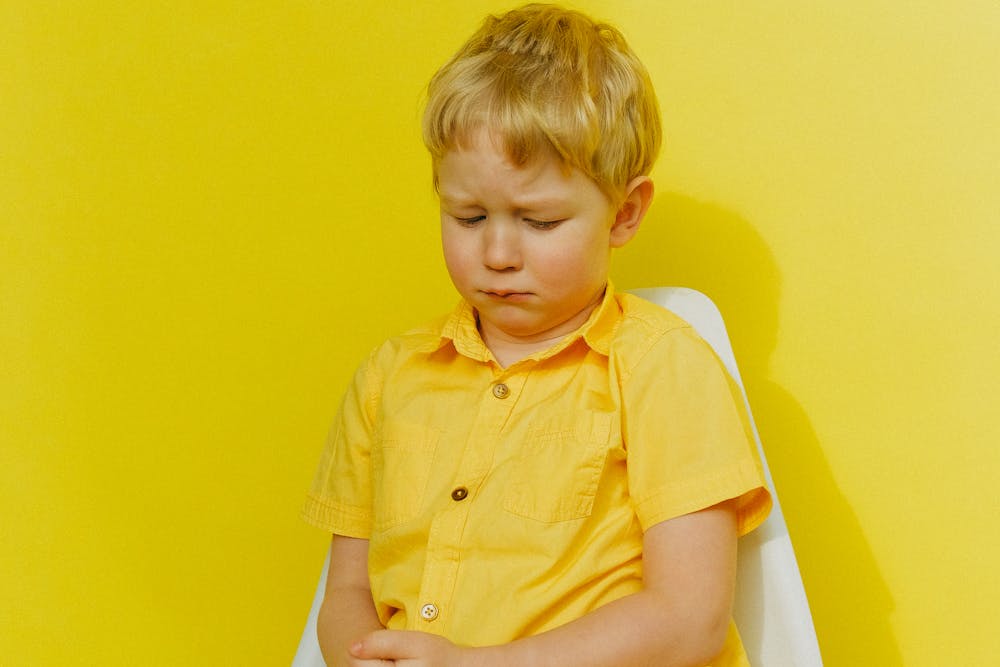
In Altered Neural Responses to Punishment Learning in Conduct Disorder, researchers examined how young people learn from punishment and reward using fMRI and computational modelling, and the findings show that…
-

The discourse of the resilient subject converts structural scarcity into personal virtue, masking the institutional conditions that generate exhaustion.
-

Tara Carman recently wrote an article about rising absences from school and suggested that the trend may be linked to a growing mental health crisis: Why are so many kids…
-
I’ve been reading exclusion data that most people will never see. Two BC school districts—New Westminster (SD40) and Southeast Kootenay (SD5)—publicly released their submissions to the BC Ombudsperson’s investigation into…
-

The Tribunal’s decision in Student Y by Grandparent S v. Board of Education of School District No. X, 2024 BCHRT 353, with refusing the application to dismiss, affirms that partial school days,…
-

Across British Columbia, school districts are refreshing handbooks, conduct codes, safety plans, and “inclusive education” frameworks—possibly in the shadow of the Ombudsperson’s systemic investigation into exclusion. These documents signal responsiveness,…
-

School District 83 (North Okanagan-Shuswap) has released one of the most transparent updates to date on the BC Ombudsperson’s province-wide investigation into student exclusion. The district’s October 21, 2025 Regular Board…
-

I lived in Nelson as a child. The racial diversity was low. I know it has increased over time, yet it remains a small community, and when a young child…
-

A review of exclusion records from New Westminster (SD40) and Southeast Kootenay (SD5) reveals a consistent pattern: the stated reasons for exclusion drift toward biography, circumstance, and administrative decisions rather…
-
Kudos to New West for being the first district I’ve identified to have released their report to the Ombudsperson. The New Westminster submission provides ~three years of exclusion data incidents…
-

British Columbia’s education system is breaking, and Surrey’s classroom evacuations—along with the rushed creation of the Classroom Clear Tracker—show how close we stand to systemic failure. Desperate times create desperate…
-

When a system produces predictable, patterned harm — exclusion, restraint, academic abandonment, institutional gaslighting, attrition framed as “choice,” disability-based discrimination — that harm arises from the structural design of the…
-
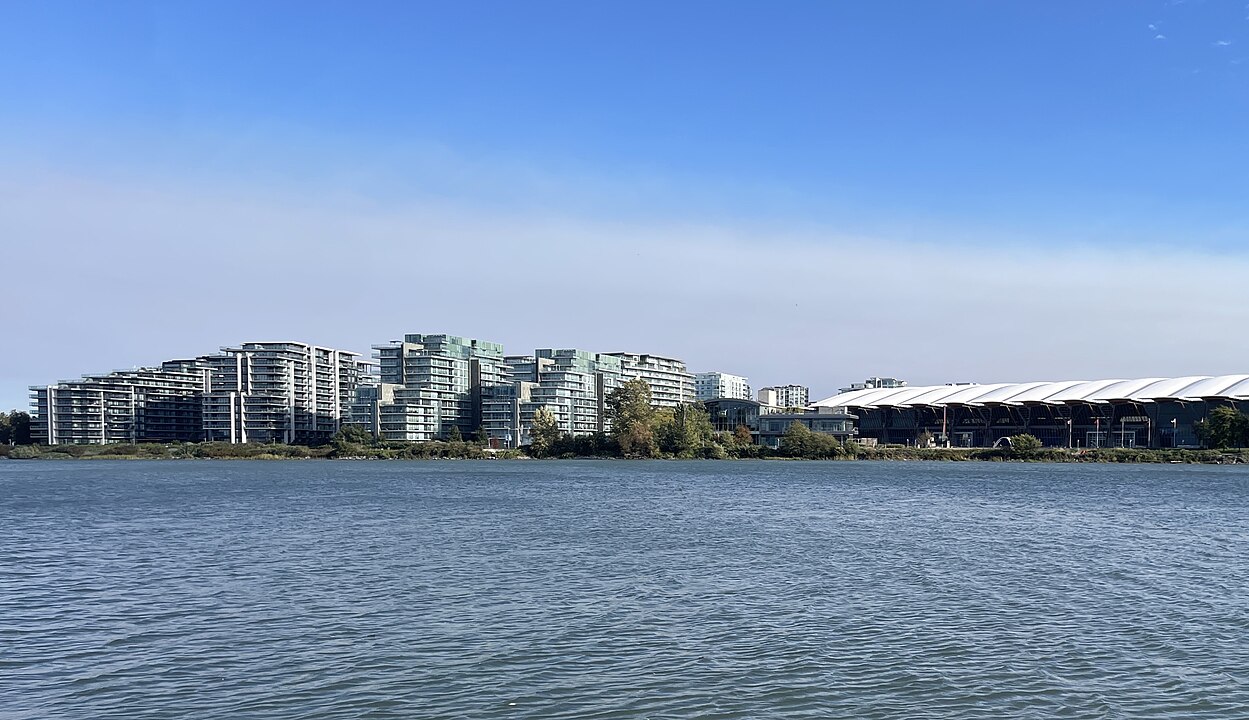
I have been reflecting on the public reaction to the Cowichan case findings, and the deeper I look, the more I notice similar patterns emerging across conversations about reconciliation and…
-
Bureaucracies function through layers of reporting and review, and these layers create an administrative environment where information moves upward in controlled pathways that privilege institutional interests, because officials rely on…
-

Governments build their authority through the quiet choreography of information, and educational systems refine this practice into a disciplined structure where the presence of data becomes a symbol of competence…
-

When I look back on the early years of coming to terms with autism in our family, I understand the urge to rebrand it. The word autism lands hard at first. It…

News
Updates on policy shifts, school board decisions, and systemic advocacy related to collective punishment and inclusion in BC schools. Follow key developments affecting neurodivergent students, disability rights, and education reform across districts and provinces.
Featured News
-

Children will soon be going back to school… well, some children. Stores are already filled with lunch kits, backpacks, and brightly coloured displays of school supplies. Parents are checking whether…
-
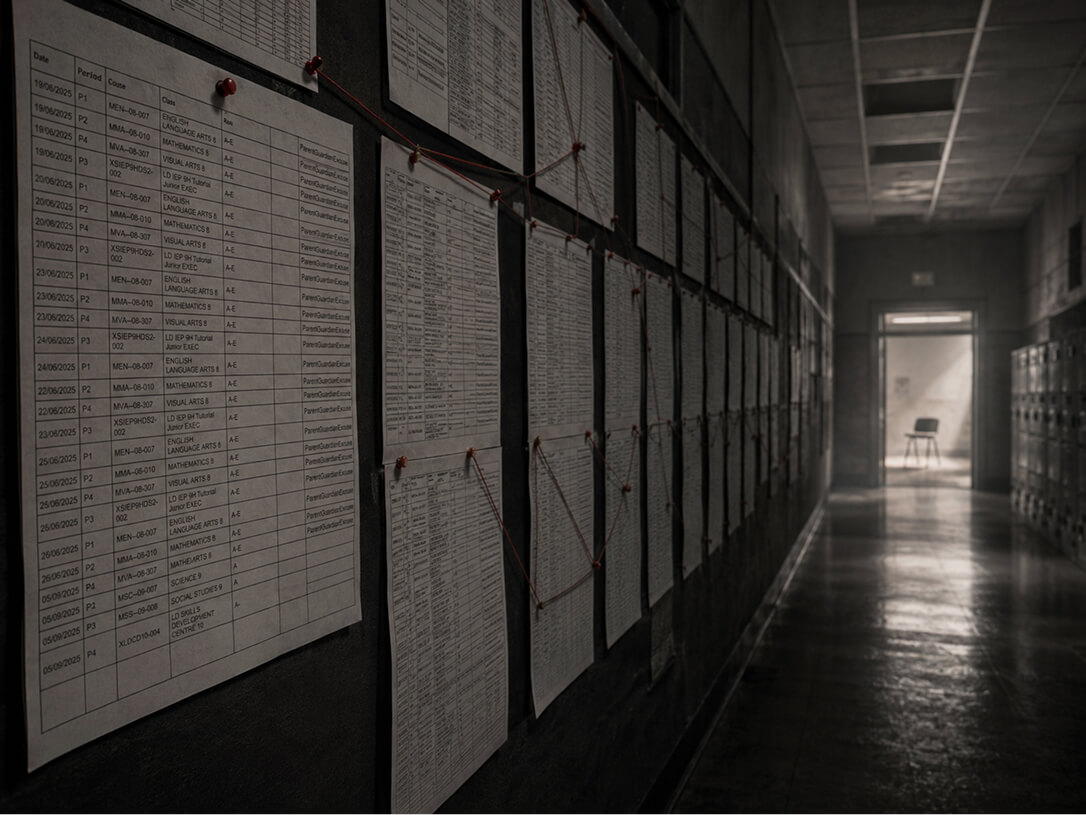
The reason column in my son’s permanent record is mostly blank. When a reason survives, it’s ParentGuardianExcuse.
-
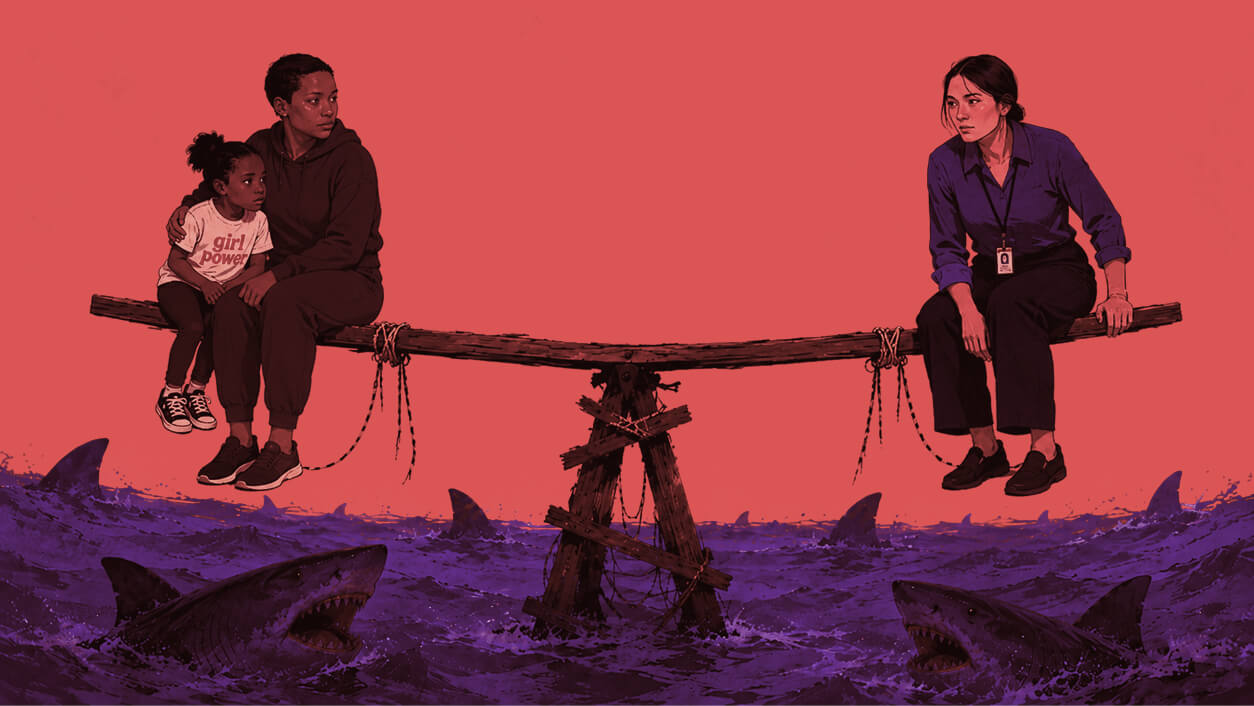
Families and teachers are describing the same failure from two positions inside it. The system survives by keeping them from recognising each other.