-
Each November, we are asked to pause—heads bowed, hearts heavy—to remember the lives destroyed by war. Yet remembrance without reckoning becomes ritual, a polished echo of conscience that lets the…
-

This piece is unfinished, but it feels necessary. I am still learning how to move through anger toward something that might resemble repair or solidarity. I am not writing a…
-

I have been packing boxes between paragraphs, writing this series while selling my home—a process shaped by exclusion and the loss of stability that followed my children’s experiences in the…
-

The BCEdAccess post about the Surrey classroom-clear tracker is a dire and necessary warning. Parents are raising concerns that come from lived experience, not abstract theory. They have seen how…
-

Before my kids were hurt at school and i was left to pick up the pieces, I tried to make things easier for everyone—packing lovely lunches, remembering birthdays, sending notes…
-
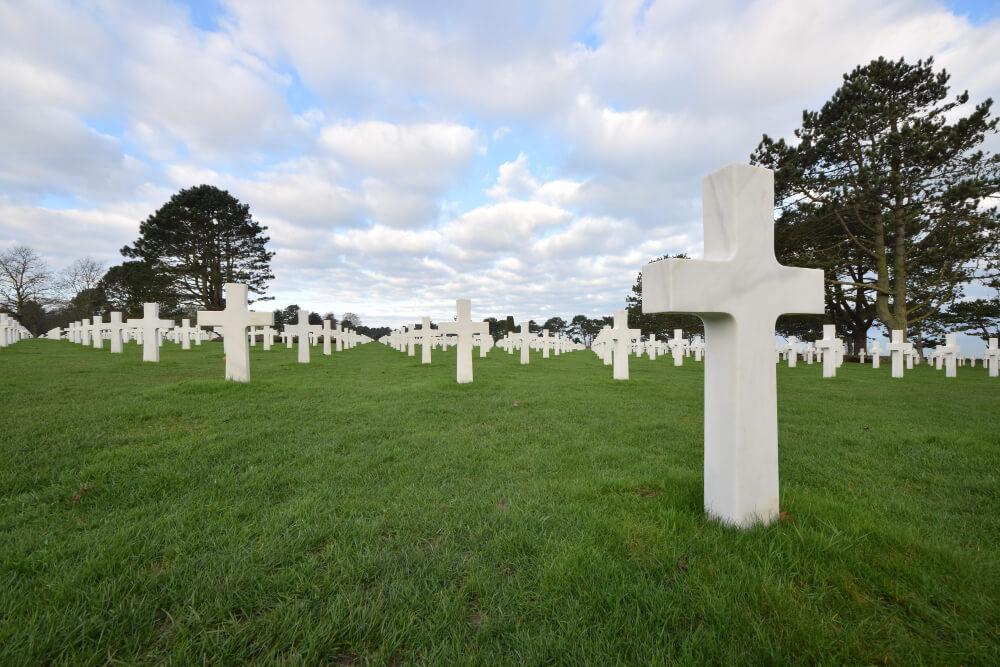
The same patterns of attrition described in The Ombudsperson and the war of attrition also define how governments manage harm in military and veterans’ systems. Delays in compensation, endless investigations, and deferrals…
-
Each year around Remembrance Day, I find myself thinking about what it means to live inside a culture that trains endurance as its highest virtue. Across this series, I have…
-

Every empire writes its morality through the safety of the bodies of children. Whether on the battlefield or in the classroom.
-

Across British Columbia, the launch of Surrey DPAC’s Room Clear Tracker has ignited a storm of debate among parents, educators, and disability advocates. Some view it as a necessary step…
-
A reflection on maternal vigilance in a system that demands composure while inflicting harm. This essay follows a mother’s daily act of sending her autistic son into an environment that…
-
Data is the scaffolding of democratic accountability. Without shared facts, policy becomes theatre and suffering becomes rumour. That is why regimes that fear transparency always tamper with the census, and…
-

When we first shared the launch of Surrey’s Room Clear Tracker, we saw it as a potential step toward long-overdue transparency. For many families, including my own, the absence of…
-

An examination of how education absorbs military and capitalist values—discipline, endurance, and efficiency—until joy becomes a threat to order. This piece argues that the rationing of joy for disabled students…
-
A critique of austerity as a governing principle. This essay argues that Canada’s education and defence systems share a moral and strategic collapse: both confuse restraint with wisdom and endurance…
-

The Canary Collective’s Record. Transcribe. Protect. reminds us that advocacy depends on memory, and memory depends on record-keeping. Their piece describes how recording school meetings transforms fleeting conversation into an accountable…
-

An analysis of how bureaucratic obedience erodes conscience. Drawing on moral injury research from military and healthcare contexts, this essay reframes teacher burnout as institutional betrayal. It shows how educators…
-

Canary Collective’s piece The Apple Doesn’t Fall Far from the Tree: What’s Said About Parents After They Leave the Room tells what often happens after parents leave a school meeting.…
-

A meditation on how institutions train people to ignore suffering—how desensitisation, scarcity, and forced optimism erode empathy and make harm seem ordinary.
-
In Surrey, British Columbia, a new parent-led initiative is bringing long-needed visibility to a silent crisis in public education: classroom evacuations when a student experiences distress. The Surrey District Parents…
-
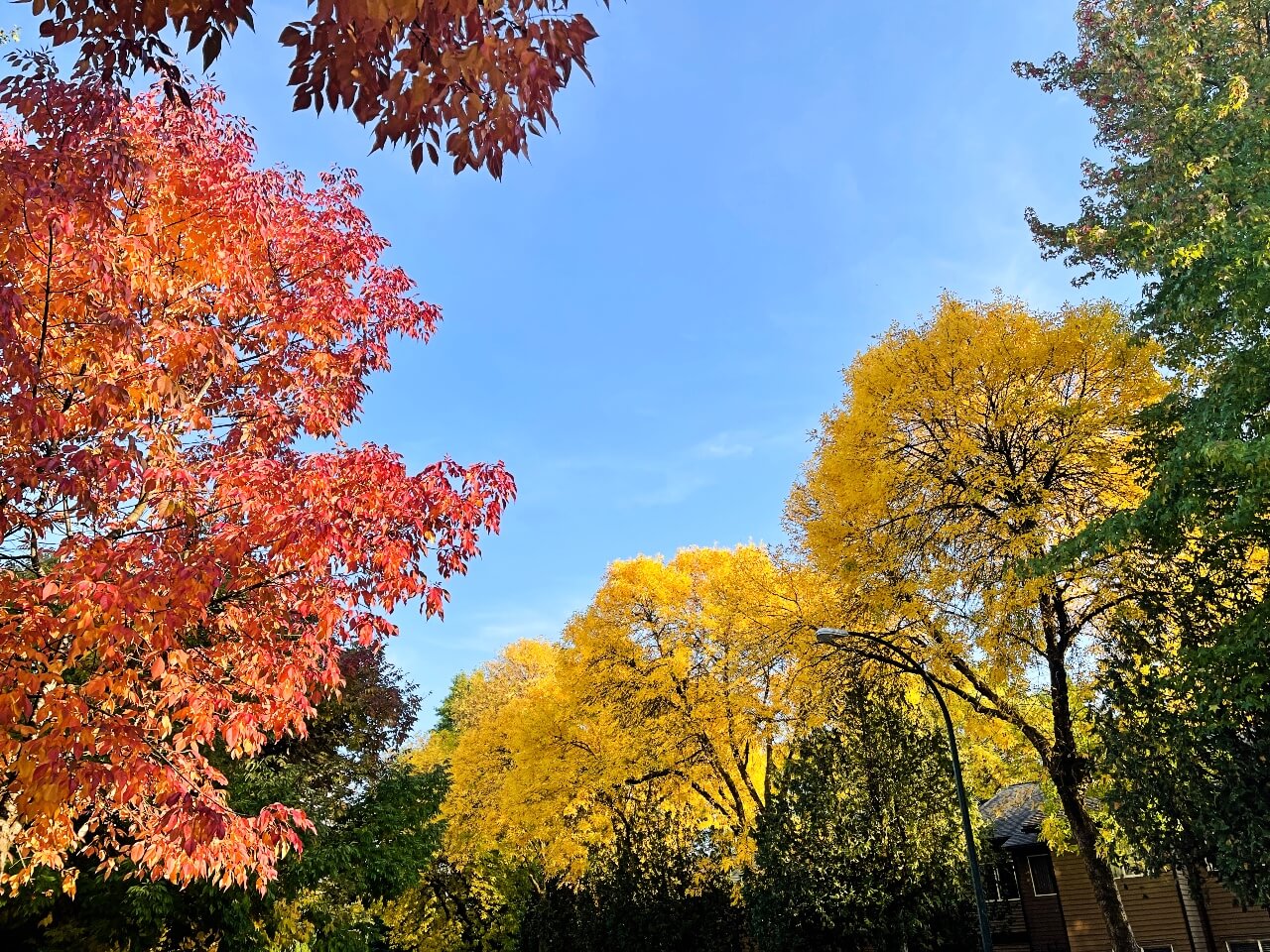
Each year when the light thins and the trees surrender their leaves, we are reminded that systems rot slowly, from the inside out, while pretending to stand tall. The fluorescent…
-

Lily Allen says, “No one fucks with me and gets away with it.” The line lands like a gavel. Twenty years ago, that kind of declaration would have drawn eye-rolling about bitterness…

News
Updates on policy shifts, school board decisions, and systemic advocacy related to collective punishment and inclusion in BC schools. Follow key developments affecting neurodivergent students, disability rights, and education reform across districts and provinces.
Featured News
-
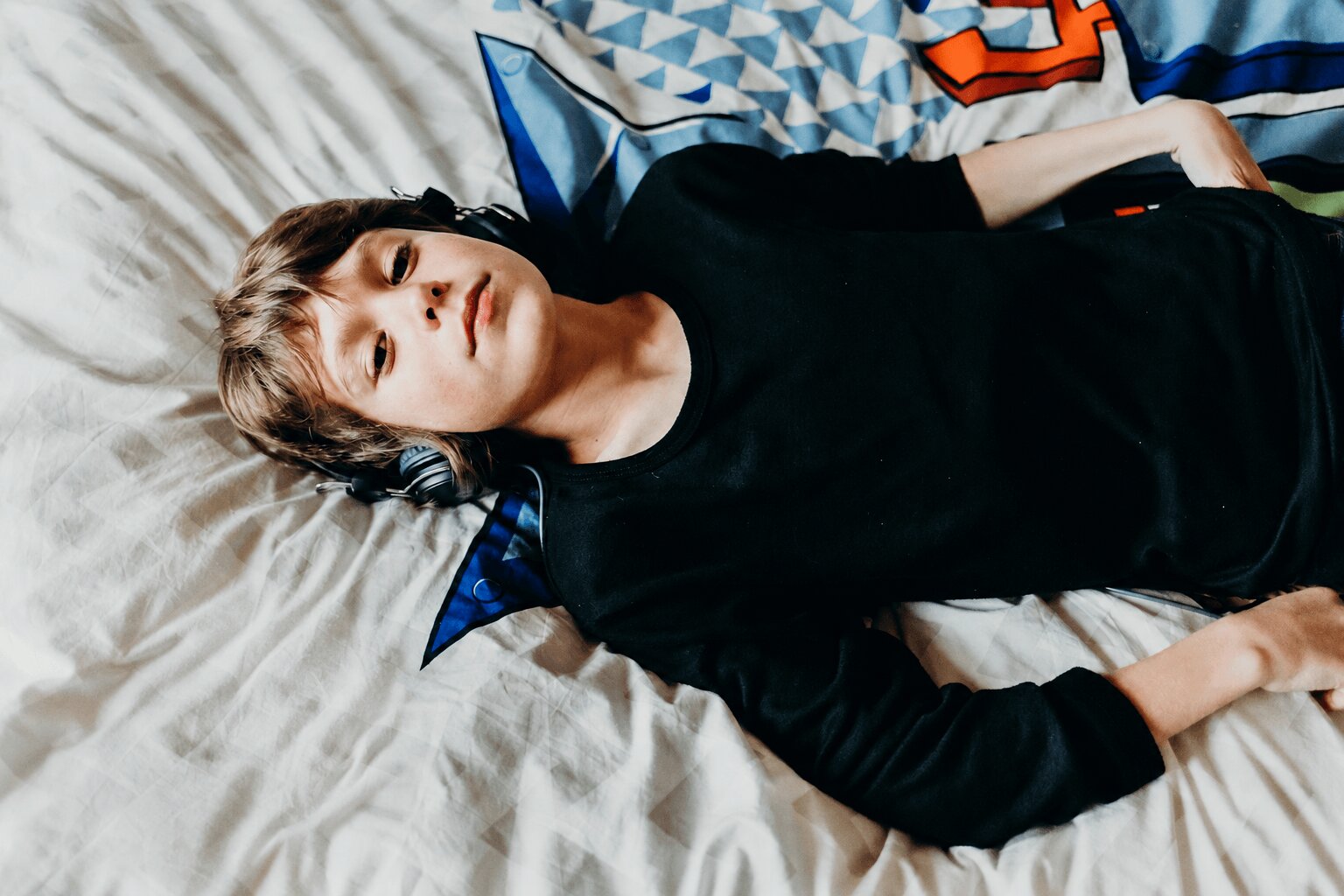
Children will soon be going back to school… well, some children. Stores are already filled with lunch kits, backpacks, and brightly coloured displays of school supplies. Parents are checking whether…
-
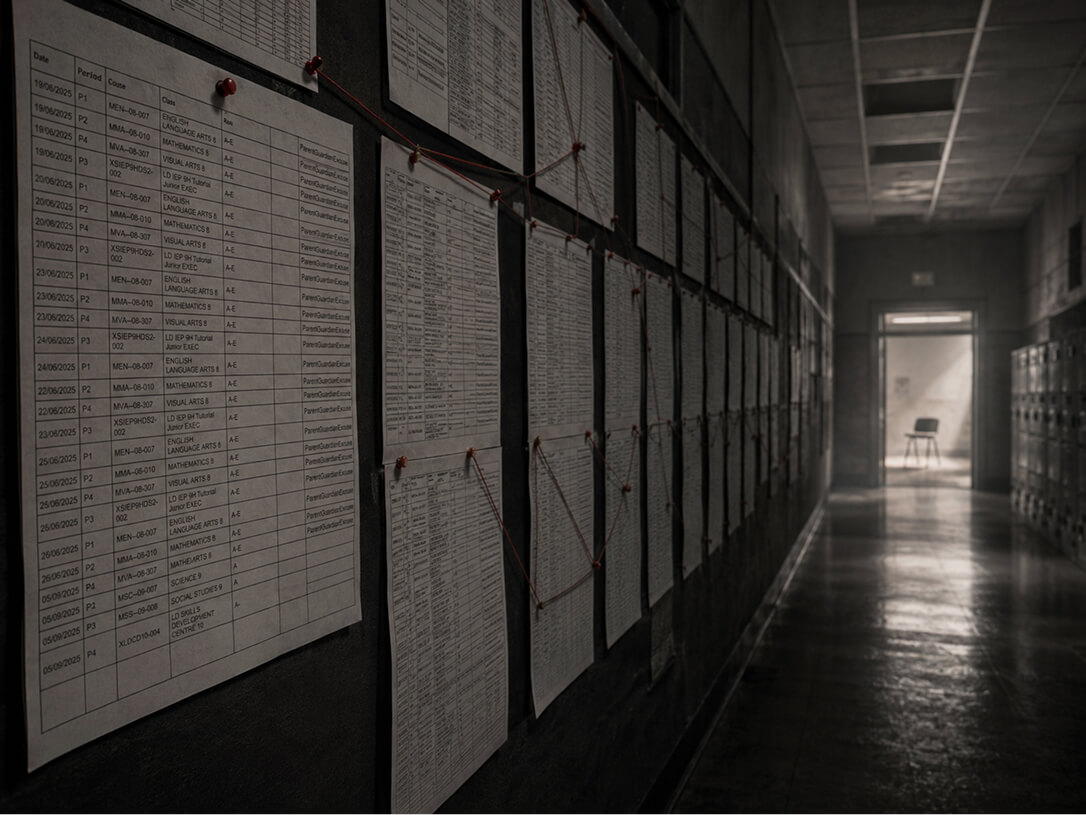
The reason column in my son’s permanent record is mostly blank. When a reason survives, it’s ParentGuardianExcuse.
-
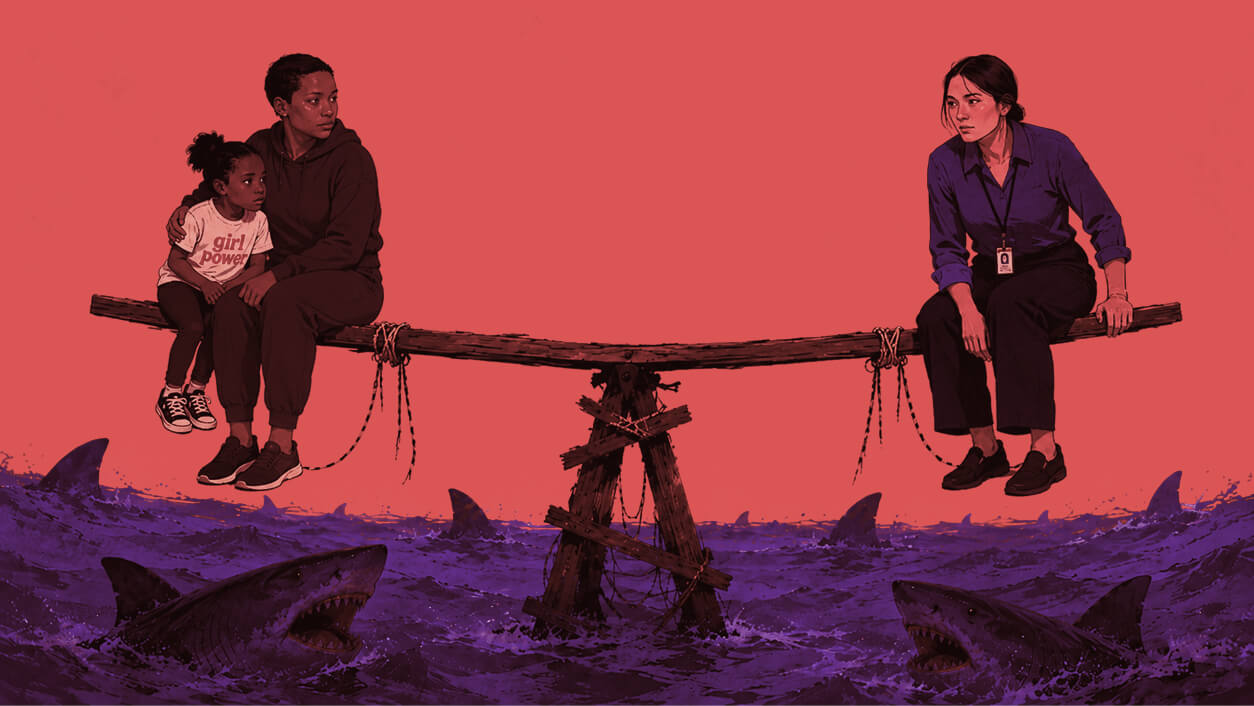
Families and teachers are describing the same failure from two positions inside it. The system survives by keeping them from recognising each other.