
Autism
Posts tagged with autism centre autistic perspectives and lived experience in education. We address how school systems respond to autistic students—through inclusion, exclusion, accommodation, or erasure—and examine how ableism, behavioural norms, and compliance culture shape those responses. Topics include diagnostic access, IEP design, sensory and communication supports, masking, burnout, and the urgent need for neurodiversity-affirming practices
-
The fallout of regressive discipline: from community trust to mental health
In schools across British Columbia and beyond, discipline often unfolds not as a considered intervention tailored to individual needs, but as a blunt, collective act that seeks to restore order quickly by suspending joy or opportunity for all. The cancellation of recess, the revocation of a field trip, the withholding of an earned privilege—all for…
-

Nobody is going to thank you
Nobody tells you that you can pour every last scrap of yourself into advocacy and still feel your bond with your child begin to strain. There is a familiar story passed among parents—one in which you step in, do a little advocacy, and watch as the pieces fall into place. The children grow, the challenges…
-

They keep moving the goalposts while our kids pay the price
It began with a phone call that felt like a lifeline. A new teacher was coming, they said, and maybe this would be the one to understand. We clung to that hope. We paid for another assessment, scheduled more therapy, spent weekends in waiting rooms and weekdays in meetings where the promise of change hovered…
-

The legal playbook every parent needs
When your child’s education is on the line, every conversation with a school team feels like walking a tightrope: you want collaboration, but you also carry the weight of knowing that human rights are not polite suggestions — they are legal obligations owed to your child. And here’s the truth: the minute you bring up the Human…
-

PTSD, big reactions, and school’s responsibility for care
The presence of PTSD—whether diagnosed formally or manifesting in trauma-linked behaviours—does nothing to diminish a student’s legal right to safety, dignity, and education. Schools are bound by law to provide accommodations and proactive support to every student, including those whose distress may surface as loud, sudden, or intense reactions. PTSD can be the direct result…
-

When schools say a child went from “zero to sixty”
Let’s rip the mask off this polite, professional charade: when schools say a child went from “zero to sixty,” they are lying to protect themselves. They are covering for the adults who ignored every warning, missed every signal, and left a child to be harassed, baited, and humiliated until their nervous system screamed for survival.…
-

ADHD and autism aren’t phases
We don’t expect a wheelchair user to “earn” the right to walk by graduation. We don’t tell a student with diabetes that the goal is to get off insulin. And yet, in schools across our district, support for autistic and ADHD students is treated like a ladder they’re supposed to climb once and throw away…
-
Our goals are not the same: ableism in bc public school
I want my children supported to grow and learn; schools uphold ableism by demanding they mask compliance or feign helplessness for support.
-
Why do teachers punish the whole class for one student?
Collective punishment is when a group is made to face the same consequence because of the actions of one person or a small number of people. In school, this can mean the entire class loses recess, an activity is cancelled, or privileges are taken away because of something one student did. The rules are applied…
-
The orange shirt I folded
I was folding laundry late one night, brain running on the kind of background grief that rarely quiets, when my hand closed around the orange shirt. I moved to set it aside—automatically, instinctively—because I remembered September was coming, school would be starting, and Orange Shirt Day would follow quickly after. That shirt would be needed…
-

Disgusted with myself: how school advocacy erodes self-compassion
Some days I feel my own face harden, the jaw locking and the air leaving my lungs in a clipped exhale, the eyes narrowing into a refusal that feels like muscle memory. It is the same recoil I have seen across the meeting table, the same signal that too much has been brought into the…
-
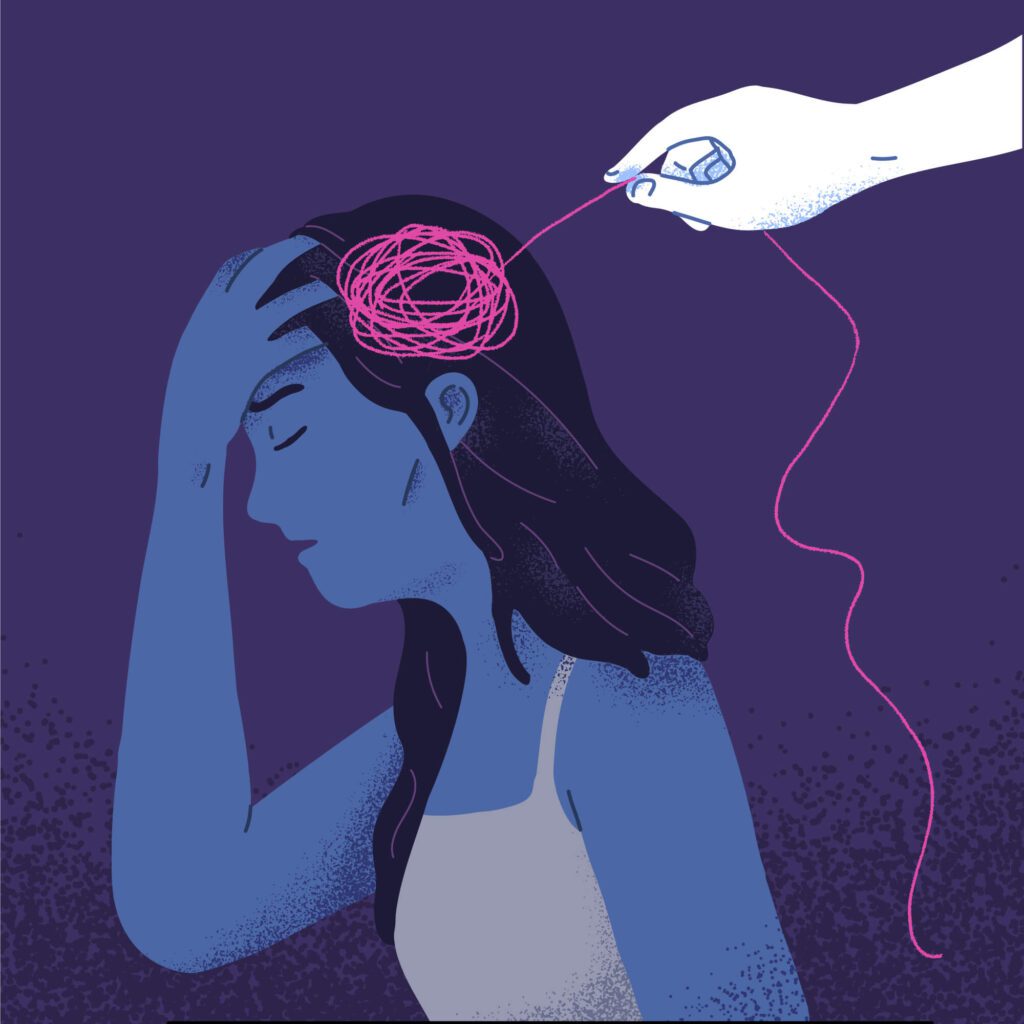
The unseen wounds of advocacy: caregiver burnout, moral injury, and embodied grief
Caregiver burnout in BC schools reflects moral injury and systemic betrayal, as mothers fight exclusion and harm while advocating for disabled children.
-
On the impossible grace expected in a district appeal meeting
My daughter Jeannie sat in the school hallway for seven months, refusing to go into the classroom until her support needs were met. I filed an appeal in November, and finally—just after spring break—we were meeting to discuss a potential resolution. She’d been through hell last school year, with a boy picking on her and…
-
How I learned to go first
I once worked in a place where we were asked to introduce ourselves using Pecha Kucha—a rapid-fire storytelling format built around images and timed narration, ten minutes of revelation under pressure. Unfortunately, when the team building day arrived, they called on me first, to do my presentation. With no warning, no scaffold, no gentle framing to…
-
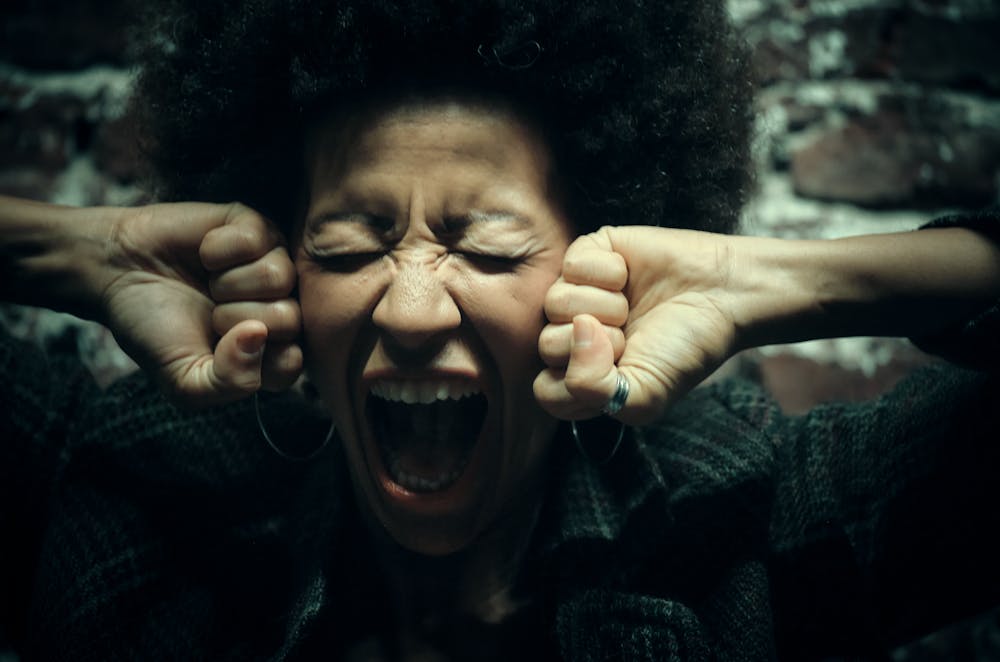
Poise as pedagogy
There is a cost to composure that institutions never count. When schools reward mothers for staying calm in the face of harm, they turn grace into a gatekeeping tool and punish those who dare to grieve out loud.
-

She called the police and the principal told them not to come
They used to be friends—Jeannie and Adam, two children who grew up side by side, navigating the same schoolyards, chaotic birthday parties, playdates, and a sense that their differences were both misunderstood. They went to the reptile show together and settled into the rhythm of primary school routines, and the kind of familiarity shared by…
-
Becoming neurodiversity affirming means listening to Autistic people—not managing them
Too many school-based approaches still centre on control: eye contact, quiet hands, forced compliance, and the suppression of stimming, protest, or joy. But Autistic advocates have been clear: these methods may produce short-term behavioural conformity, but they come at the cost of safety, trust, and long-term mental health. Compliance is not connection. Masking is not…
-
Forgiveness, or whatever comes after disbelief
A friend asked me recently why I hadn’t filed more external complaints—human rights complaints, formal grievances, legal action. And it’s true. I should have. There were so many moments where I could have, where I had grounds to. And I believe deeply in the importance of external complaints. I’ve written about them. I’ve supported other…
-
To the neurodivergent kid who got blamed
Worried your mistake might get your whole class punished? That fear isn’t yours to carry. Here’s why—and what you can do.
-

Apparently, starving yourself isn’t a serious mental health condition in VSB
There is a kind of harm that unfolds slowly — a hunger that accumulates across weeks and months, tucked beneath the surface of routines and well-meaning systems. My daughter is autistic, has ADHD, and a feeding disorder called ARFID. She eats quietly, cautiously, in ways that make sense to her nervous system. Her paediatrician recommended…