
British Columbia
Each province and territory in Canada has its own public education system, governed by different legislation, policies, and funding structures. While certain patterns—like collective punishment, underfunded inclusion, or inconsistent accommodations—may appear nationwide, the details vary by region. This page brings together posts, policies, and resources relevant to schools and families in BC, offering local insight into national issues.
-
When they knew it hurt, and did it anyway
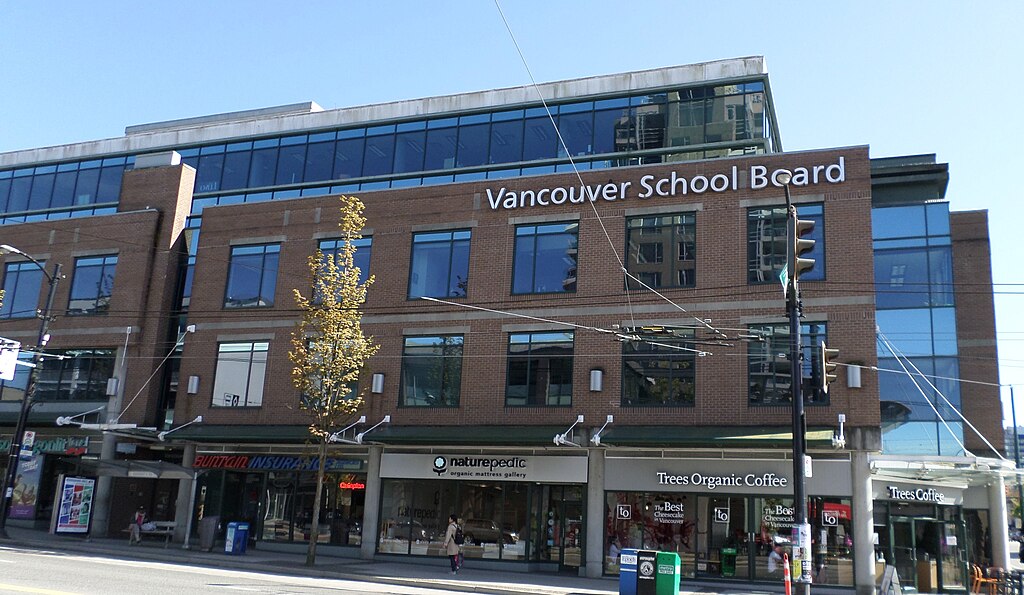
I was clear. I was specific. I was unwavering. I told the Vancouver School Board that I believed behaviourist strategies were harmful, violated my child’s dignity, and contradicted our family’s ethics—and that continuing to use them without consent would cause further harm. They used them anyway. Over and over, the school district returned to strategies…
-

To the neurodivergent kid who got blamed
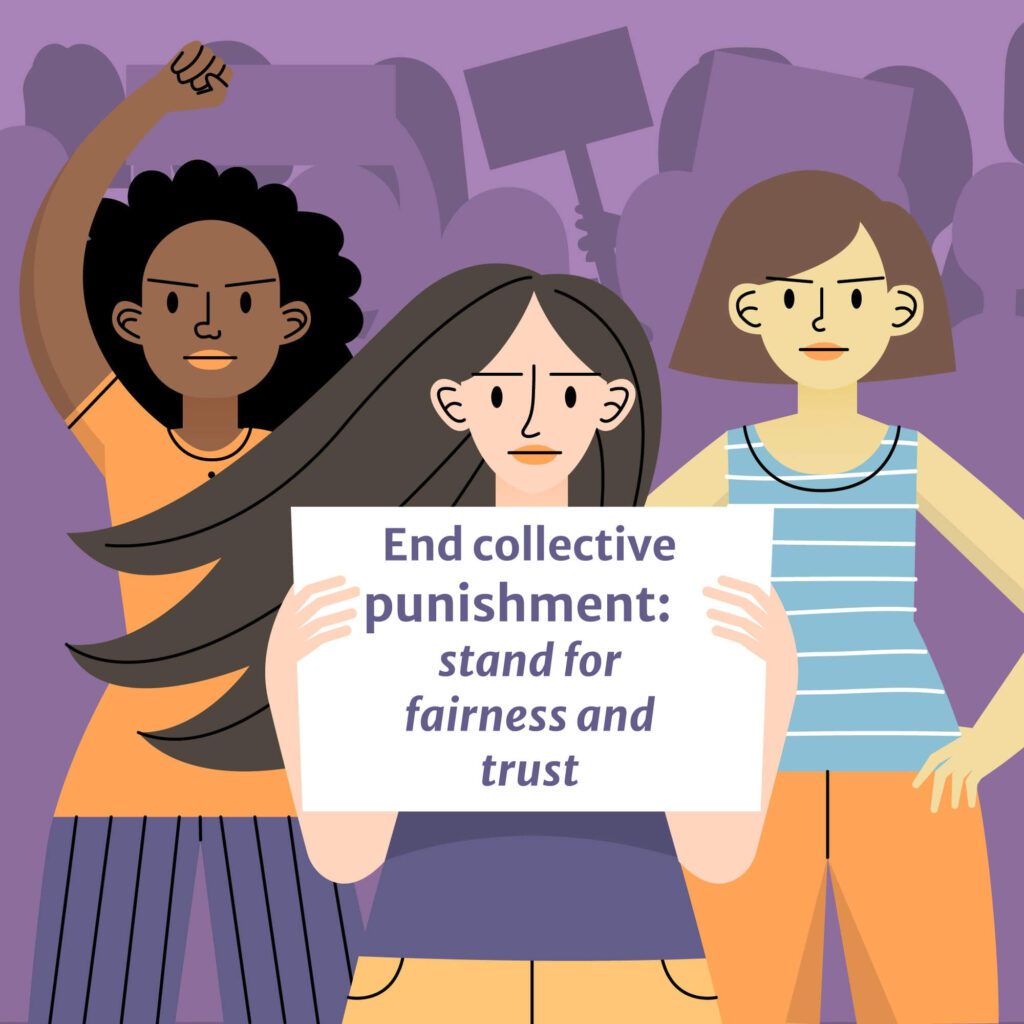
Worried your mistake might get your whole class punished? That fear isn’t yours to carry. Here’s why—and what you can do.
-

Columneetza Junior Secondary (SD27 Cariboo‑Chilcotin): a neurodiversity‑informed conduct critique
Columneetza Junior Secondary School 2024-2025 Code of Conduct affirms a mission of fostering respect, individual growth, and a sense of belonging within both school and community. It names safety, caring, and order as essential conditions for “purposeful learning.” The document outlines rights, responsibilities, and behavioural expectations for students and broader school actors, including parents and…
-

Trust as performance: when schools want deference, not dialogue
One of the most infuriating parts of being gaslit by my children’s elementary school was the repeated suggestion that I simply didn’t trust them enough. That the reason my child was struggling wasn’t because support was missing, or harm had occurred—but because I had failed to signal trust. Failed to pretend everything was fine. As…
-
How schools misuse disability designations to deny support
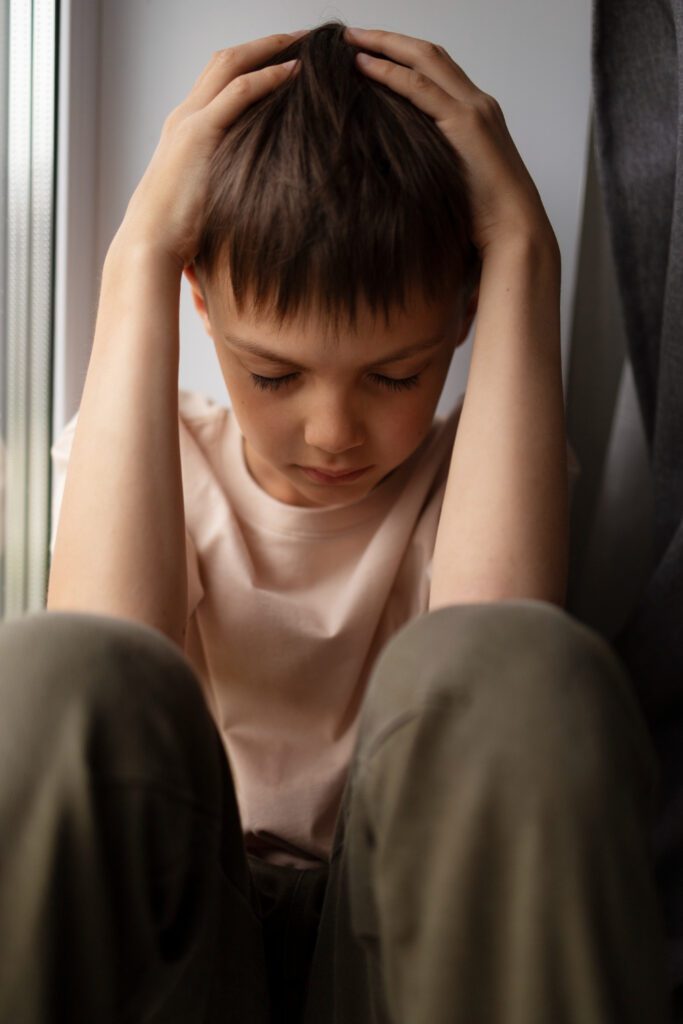
When I asked why my child couldn’t have full-day support—the kind that made the difference between attending school and refusing to enter the classroom—I was told, “He’s not eligible.” Eligible only for part-time. Eligible only for half-days. Eligible, it turned out, to fall apart quietly in the coatroom, so the system could pretend he was…
-

A costly legal habit at the Vancouver School Board
As families fight for inclusive education and basic classroom support, the Vancouver School Board is pouring millions into legal fees—more than triple what it spent just a few years ago. Public records reveal a dramatic spike in payments to Harris & Company, the district’s longtime law firm, coinciding with a high-profile property lawsuit and growing…
-
What would it really cost to fix the problem?
We talk so much about the cost of inclusion—as if it’s indulgent, optional, something that must be justified—but we rarely talk about the cost of exclusion. And those costs are everywhere: in emergency rooms, in overburdened case files, in classrooms where distress goes unseen. When schools can’t support disabled students, families fall apart trying to…
-

On graduation and the grievability of disabled children
I’ll try to be normal at my daughter’s graduation, even as I grieve a system that quietly erased her twin and expects no one to notice.
-

Galiano Community School (SD64): a neurodiversity-informed policy critique
The 2022–23 Code of Conduct for Galiano Community School is unusually rich in aspirational language. It describes a community of care rooted in mutual respect, emotional development, and responsive teaching. It affirms the BC Human Rights Code, references Positive Behaviour Support, and anchors its behavioural framework in the values of SOLE—Respect and Care for Self, Others,…
-

Language to start a revolution
Our library of tips offers a concise, alphabetically organised toolkit for recognising and challenging the systemic forces that shape student experiences in British Columbia’s public schools.
-

“Too much”: on allergy, autism, and the systemic erasure of care
There is a quiet solidarity among parents whose children are considered too much for school. Some of us carry medical kits. Others carry binders of psychological assessments. But all of us carry the same invisible burden: a system that treats our children’s needs as optional—and our vigilance as overreaction. This is the story of two…
-
Right to no discrimination
Every child has the right to learn and belong at school without being treated unfairly because of who they are. In British Columbia (B.C.), this Right to No Discrimination means public schools must welcome all students on equal terms, regardless of their race, Indigeneity, colour, ancestry, place of birth, religion, family background, sex, sexual orientation, gender identity, disability,…
-
Introducing the school finder: making it easier to act
If you’ve had more than enough of your child coming home crying due to collective punishment, we have a solution: today, we are launching a new tool designed to help families, advocates, and educators challenge collective punishment in British Columbia schools. The school finder makes it easy to search for your child’s school and take immediate action.…
-

The scarcity script: how manufactured famine shapes public education
British Columbia’s public schools are not suffering from a natural shortage—they are operating under a system of manufactured scarcity. This blog explores how austerity, rationing logic, and institutional self-preservation create harm for disabled students and their families. Drawing on thinkers like David Graeber, Wendy Brown, Ruth Wilson Gilmore, and Mariana Mazzucato, it reveals how scarcity…
-
Sir Richard McBride Annex (SD39): a neurodiversity-informed policy critique
Sir Richard McBride Annex’s Code of Conduct, reviewed June 19, 2024, commits to fostering a “safe and inclusive place for all,” aligning with the VSB District Code (AP 350). It affirms the BC Human Rights Code, outlines community-wide expectations, and recognizes that “special considerations may apply to students with special/diverse needs” when they “are unable to comply… due to having…
-

Engineered famine in public education
In British Columbia schools today, we are not facing a behaviour crisis—we are facing a famine of care. This essay weaves together personal memory, systemic critique, and deep empathy for teachers and families alike to ask why our schools are starving the very relationships that children need to learn and thrive. It calls for an…
-
Rethinking accessibility leadership, training, and labour in BC public education
In accessibility work, most transformative insights come directly from disabled people. Lived experience is primary data; manuals and metrics are, at best, secondary literature. In schools, teachers are experts in pedagogy, yet few are trained in disability or neurodivergence. That absence is not incidental—it is engineered, and the consequences are everywhere. The current failure—and promise—of…
-

Performative accessibility in British Columbia public education
Too often, accessibility in schools is performance, not practice. Symbolic gestures and endless buzzwords cannot replace the courage to name harm, take responsibility, and commit to structural change. Until then, access plans remain brochures—and inclusion a stage set.
-

Comparison of Provincial and Territorial rules on collective punishment in schools
Across Canada, policies on student discipline vary widely—but only one province, Nova Scotia, has taken the decisive step of explicitly banning collective punishment in schools. In April 2025, Nova Scotia revised its Provincial School Code of Conduct Policy to require individualised responses to student behaviour, affirming that group-based discipline is not just ineffective but unjust.…
-

Grievability and legitimacy in BC Schools
Disabled children are being pushed out of public education—and their families are picking up the pieces. This post examines who is seen as worthy of support, what it costs when systems abandon care, and why the quiet exodus from schools is not a choice, but a failure of justice.