
Institutional Harm
When harm is built into policy and procedure—not an accident, but an outcome.
-
Meditating on Canary Collective’s “Filed and Forgotten”
When Canary Collective named the truth about incident reports, they articulated something already deeply known—something felt in the gut, carried in the silences of meetings, and confirmed by the absence of a child’s voice in the official version of events. Their words moved slowly and powerfully, affirming what many parents have experienced but been denied…
-
We’re exploring remedies for discrimination — and we want your feedback
We know that students with disabilities experience disproportionate harm in BC schools. We know that many families carry stories of exclusion, silence, loss, and survival — stories that have never been formally acknowledged, let alone repaired. We believe that no remedy can be effective unless it begins by listening. We’re considering a larger investigation into…
-
15 red flags your child’s school is running the playbook on you
How to spot coercive proceduralism before it drains your energy, your trust, and your child’s future. You may have been advocating for your child for months—attending meetings, responding to emails, following every process they set out—yet the accommodations you discussed never seem to appear in the classroom. You might notice your child’s struggles at school…
-
The right amount of agony in BC schools
After watching my children endure eight years of institutional failure, eight years of exclusion disguised as discipline and support withheld under the language of inclusion, I have come to several conclusions. Certain forms of suffering—like being agonised inside—do not draw support because they do not disrupt the adult’s flow, do not demand intervention with noise…
-

Double the love, double the discrimination
Public education systems punish families of multiples by forcing impossible choices between their children—often withholding support until one child reaches visible crisis, while the other’s suffering is quietly disregarded. The statistical reality schools refuse to prepare for Schools are rarely prepared for what families of multiples often bring to the classroom: These families often arrive…
-

The collective punishment of delayed care
There is a particular cruelty in delayed care, of watching a child falter for weeks or months while teams gather data, debate thresholds, and cite process. It is the cruelty of waiting for collapse before responding, of constructing intervention around crisis instead of prevention. And when the child finally does break, when their distress spills…
-
Debility is not a diagnosis: What Jasbir Puar helps us see about invisible harm in BC schools
There is a category of harm that most institutions do not name, do not track, and do not treat—because doing so would require them to admit that they caused it. This kind of harm accumulates in the body slowly, like sediment, until what once looked like coping becomes collapse. It is the product of chronic…
-
Debility versus disability: what the system cannot acknowledge
My son Robin took to bed two weeks before March break. He had been soldiering on through the aftermath of a school transfer the district assured us would help him, though his body told me otherwise from the first day he arrived. I’ve seen that kind of shutdown before—at camp, at birthday parties, in classrooms…
-

Resist the urge: A student’s call to end collective punishment
Sometimes, the clearest truths are spoken by those closest to the harm, and in this compelling public speaking presentation, one student delivers a simple, resonant message with unmistakable clarity: resist the urge to punish everyone for one person’s mistake. Across just eight minutes, this speaker distils the emotional cost, logical failure, and enduring relational harm caused…
-

A one-day suspension for this?
According to the consent resolution agreement published by the BC Commissioner for Teacher Regulation, secondary school teacher Todd Erin Graham engaged in multiple forms of misconduct over the 2022–23 school year. These included racially and culturally demeaning comments to an Indigenous student, public disparagement of a diverse learner, inappropriate physical contact with female students, unsolicited…
-

So you want to write a blog? I think you should!
If you’ve been carrying stories that feel too heavy to hold alone—email drafts, meeting memories, car-cry voice notes, or a feeling in your chest that something must be said—then I believe you’re ready. You don’t need perfect grammar, a polished voice, or a plan.
-
Tell the Ministry: end collective punishment in BC schools
BCEdAccess recently reminded us that if families don’t speak up, the system assumes everything is fine. Writing letters to the Ministry of Education and Child Care is one way we can make our children’s experiences count—especially when those experiences involve exclusion, loss of support, or group-based discipline that punishes kids for behaviours linked to unmet…
-
I only asked for gentleness: on parenting a PDA child in a punishing world
There is a certain kind of child—intuitive, emotionally articulate, wired with a startling perceptiveness about power and tone, about coercion and choice, about the invisible terms of adult authority—whose presence in the classroom becomes, almost immediately, a threat to the institution’s rhythm, a disruption to its hierarchy, a mirror held up to its limitations.
-
On teachers, trust, and the long unravelling of support
When my children were in kindergarten, they had a teacher who specialised in what I can only describe as an extremely curated performance of niceness—a kind of plasticky, high-fructose charm that made my skin crawl and my muscles tense from the moment I entered the room. Her voice slowed to a sing-song drawl as she…
-
Don’t wait until the lawsuits
By the time harm becomes legally actionable, it has already become unbearable. If people are still talking to you, they are still hoping you will change. Institutions often ask the wrong question When institutions receive stories of harm—when a parent names systemic exclusion, or a student speaks quietly of despair, or a staff member shares…
-
We must start with an acknowledgement of harm
Before we talk about solutions, or even feelings, we must name what has been done. We begin in the wreckage When an institution convenes a committee to explore accessibility, equity, inclusion, or anything vaguely shaped like justice, it often opens with a bright, empty cheerfulness—a blurb about building community, a land acknowledgement read like punctuation,…
-
Poise as pedagogy
There is a cost to composure that institutions never count. When schools reward mothers for staying calm in the face of harm, they turn grace into a gatekeeping tool and punish those who dare to grieve out loud.
-
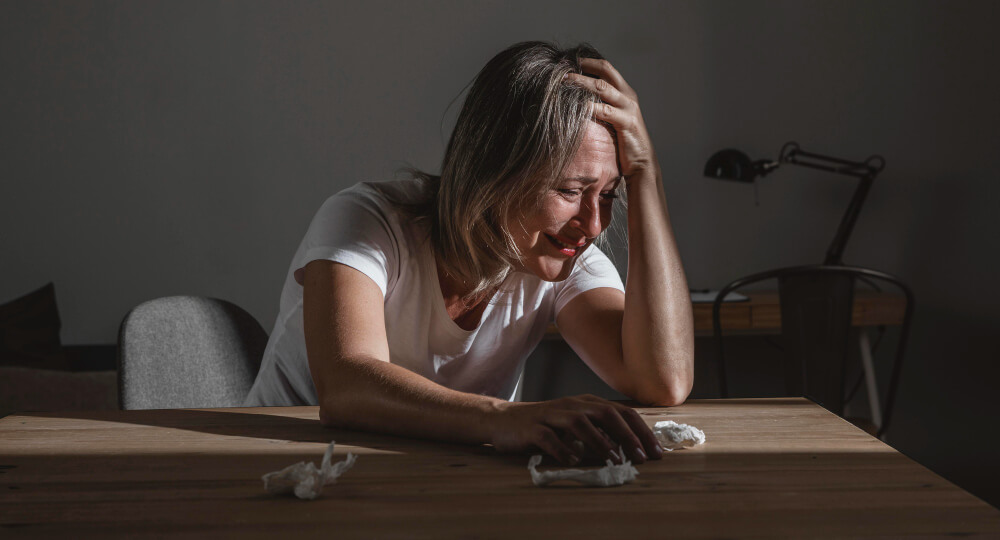
The meeting was on their birthday
It was the twins’ birthday party day and I was meant to be somewhere soft. I was meant to be preparing a cake, or folding small clothes, or breathing in the warm scent of their hair in that quiet way mothers sometimes do when the day still belongs to them. But instead I was seated…
-
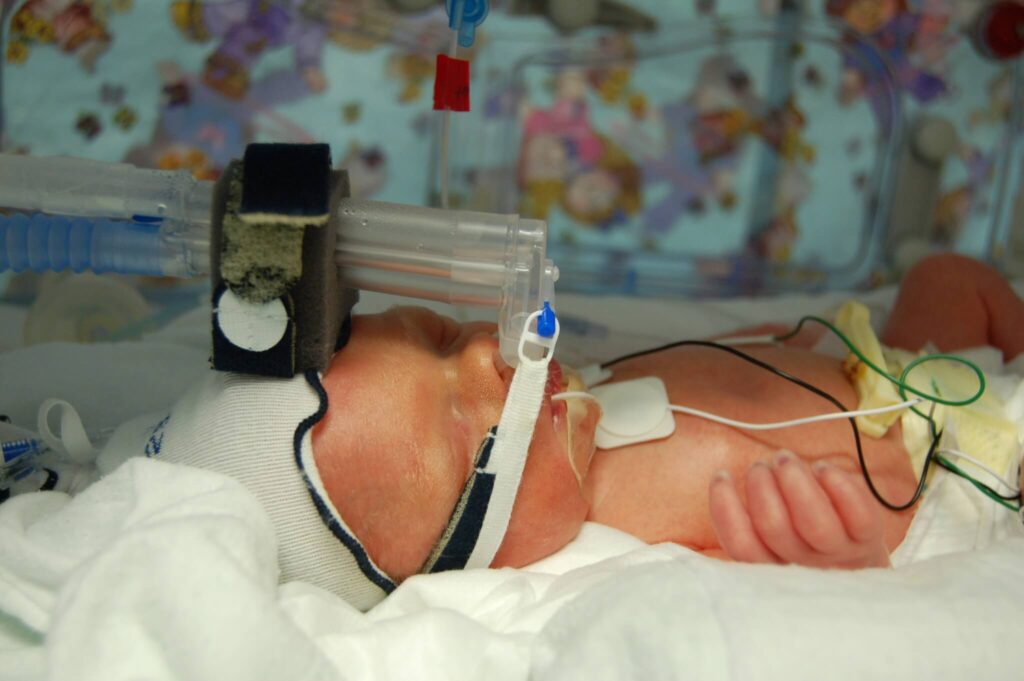
Bound by blood
Maternal embodiment and the unbearable violence of institutional disbelief. We were once one body There is a biological, emotional, and moral reality so fundamental that no policy manual can contain it, and no professional training can domesticate it—my child once lived inside me. His limbs pressed against my ribs before they ever touched the outside…
-
Too competent to help, too angry to believe
The impossible performance of grace in systems that harm our children. Holding two pieces in tension This essay is written alongside a truth that cannot be softened. A truth that spills out, unsanitized, unmanageable, and fully lived. A truth that takes the form of intrusive thoughts, violent imagery, desperate poise, and carefully practiced restraint. That…