

Institutional Harm
When harm is built into policy and procedure—not an accident, but an outcome.
-
The devastating impact of collective punishment
This is what collective punishment looks like. It teaches children that their belonging is conditional. It tells disabled students that when they slip up, they will not only be punished, but publicly shamed. And it tells their classmates that inclusion is dangerous—that proximity to a neurodivergent peer puts them at risk.
-
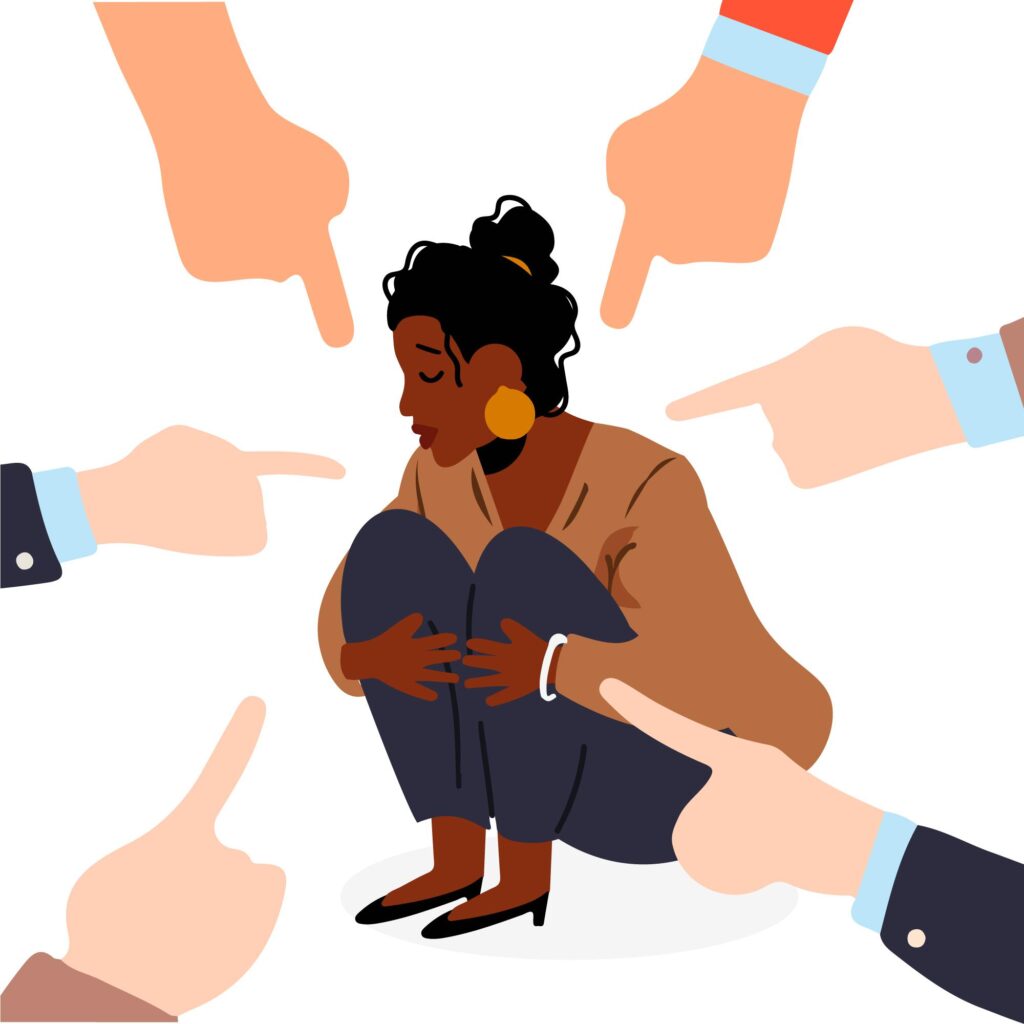
Trust undone: how collective punishment breaks the heart of the school
There is a kind of harm we don’t always name. Not bruises. Not bad grades. Not exclusion on paper. It is the slow unravelling of something more fragile—trust. The felt safety between a student and their teacher. The invisible thread between classmates. The quiet assumption that school is a place where fairness lives. Collective punishment…
-

Inviting collaboration on repairing trust after collective punishment
A practical guide for educators seeking to repair harm after using collective punishment. If you’ve used collective punishment—like taking away recess from an entire class, cancelling an activity because one student was dysregulated, or using peer pressure to enforce compliance—you’re not alone. These practices are still common in Canadian classrooms. But they cause real and…
-
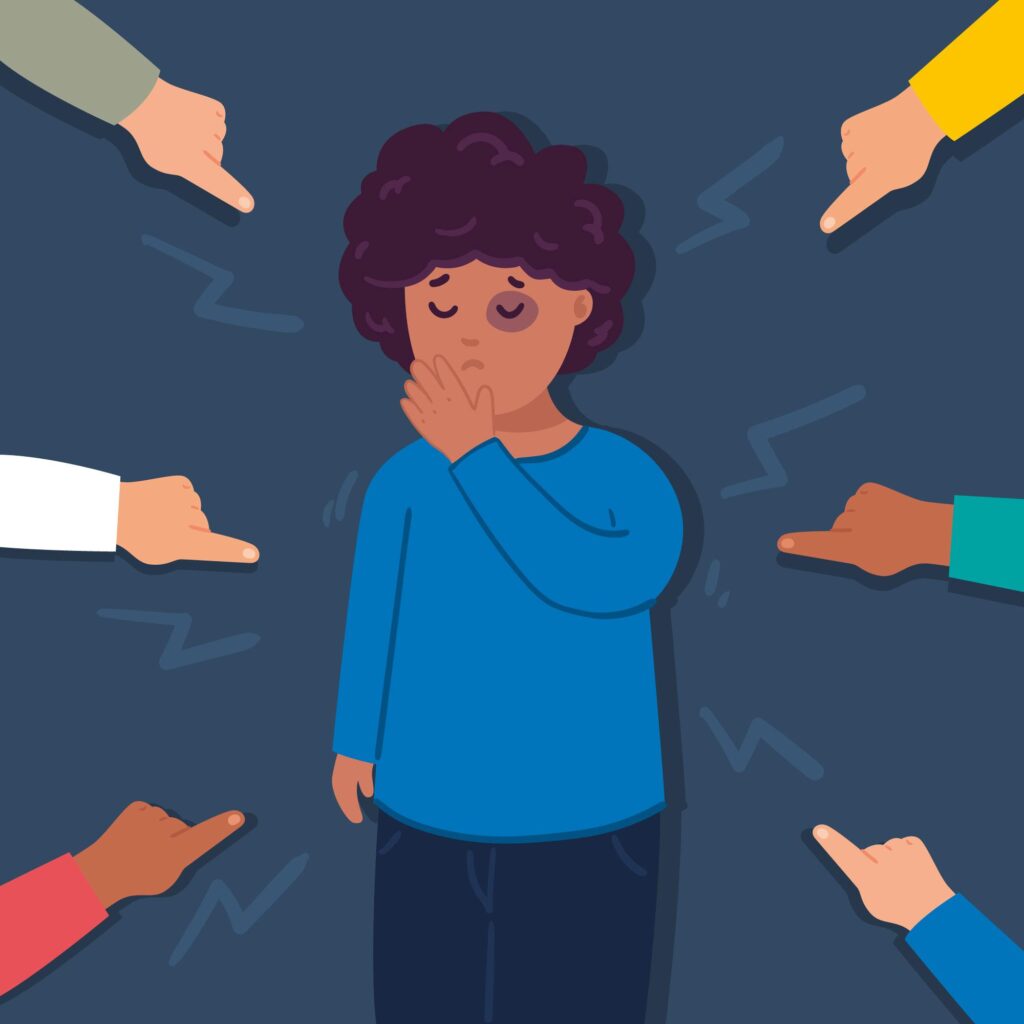
The children were made to punish the children
In Canada’s residential schools, older children were instructed to punish the younger ones—to hit them, isolate them, report them for infractions defined by an institution that sought to erase who they were. The adults gave the orders. The children were conscripted to carry them out. This was not incidental. It was structural. It was framed…
-

The long shadow: A history of punishment in Canadian schools
Public education in Canada is often conceptualised as a progressive force—an equaliser, a promise of inclusion. But beneath the surface of this narrative lies a long, often unbroken history of exclusion, coercion, and punishment. Canadian schools have long been sites of control, where discipline was not merely corrective, but foundational to how institutions understood their…
-
Beyond blame: reimagining discipline in a trauma-informed world
Collective punishment is neither effective nor ethical. It disciplines the group for the actions of one, eroding trust and reinforcing the very dynamics of power and fear that trauma-informed practice seeks to heal. In its place, we need something older and deeper—an approach to discipline rooted in relationship, regulation, and repair. Indigenous teachings and relational…
-

Engineered famine in public education
In British Columbia schools today, we are not facing a behaviour crisis—we are facing a famine of care. This essay weaves together personal memory, systemic critique, and deep empathy for teachers and families alike to ask why our schools are starving the very relationships that children need to learn and thrive. It calls for an…
-

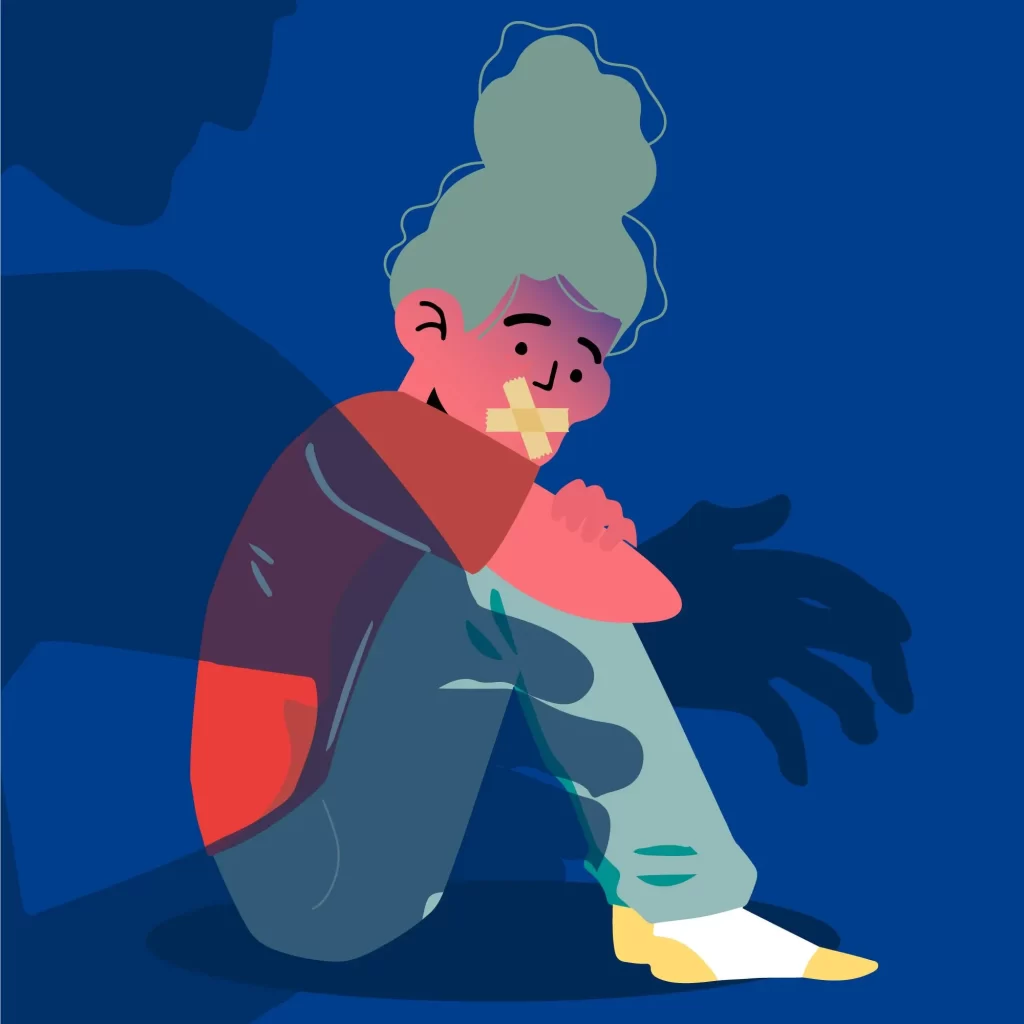
This broke me: a parent’s experience of school advocacy
Parenting is not a monolith. Neither is disability. Every family walks a different path, shaped by bodies, resources, identities, and institutions. This piece reflects one perspective—mine—as a disabled parent navigating systemic harm, health collapse, and the fierce love that remains. It is not universal. But it is real. The cost Parenting disabled children is not…
-
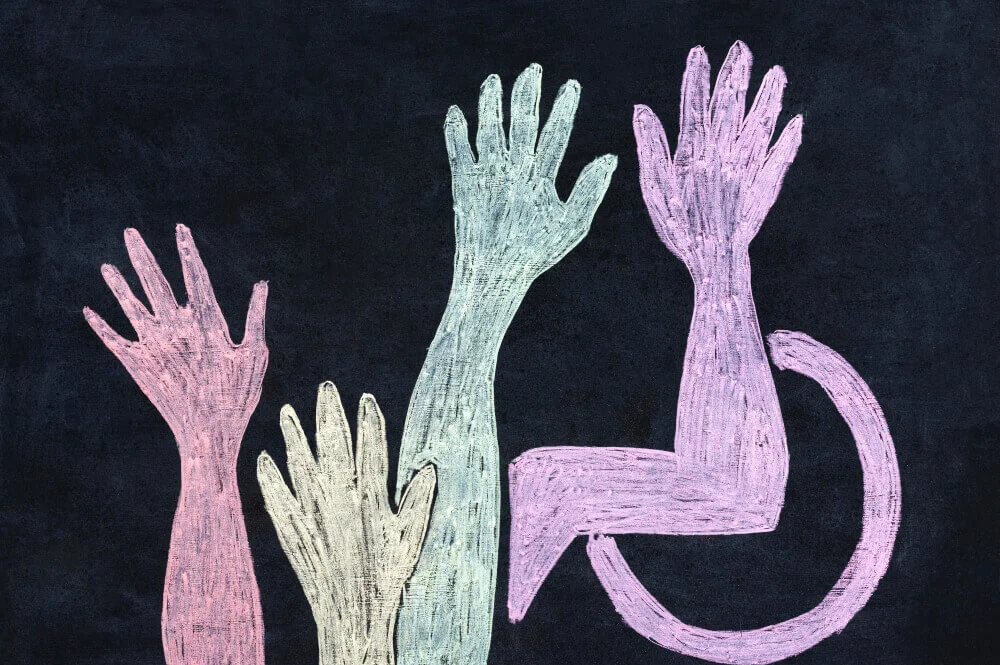
Rethinking accessibility leadership, training, and labour in BC public education
In accessibility work, most transformative insights come directly from disabled people. Lived experience is primary data; manuals and metrics are, at best, secondary literature. In schools, teachers are experts in pedagogy, yet few are trained in disability or neurodivergence. That absence is not incidental—it is engineered, and the consequences are everywhere. The current failure—and promise—of…
-
Performative accessibility in British Columbia public education
Too often, accessibility in schools is performance, not practice. Symbolic gestures and endless buzzwords cannot replace the courage to name harm, take responsibility, and commit to structural change. Until then, access plans remain brochures—and inclusion a stage set.
-

Grievability and legitimacy in BC Schools
Disabled children are being pushed out of public education—and their families are picking up the pieces. This post examines who is seen as worthy of support, what it costs when systems abandon care, and why the quiet exodus from schools is not a choice, but a failure of justice.
-

The politics of politeness: how tone-policing silences parent advocates
When a parent dares to speak plainly about harm—especially when that harm is systemic, ongoing, and inflicted upon a disabled child—they are swiftly met with a familiar response: watch your tone.
-

Balancing budgets by denying disabled kids support
In British Columbia, we are told that the education system is improving. Budgets are rising. Inclusion is a stated priority. And yet, for families whose children require consistent, sustained support—especially those who are disabled or living with complex trauma—the lived experience is defined by absence, delay, and denial. There is a growing chasm between the…
-
We did everything right, but we were failed
Introducing Robin’s story and the cost of manufactured scarcity In British Columbia, the promise of public education is being quietly dismantled. Not with headlines, not with declarations—but with slow erosion, strategic omission, and institutional neglect.
-
You’re not wrong: reflections on motherhood and advocacy
This piece is for the mothers who have become unrecognisable to themselves in the crucible of advocacy—those who perform calm while their bodies tremble with rage, who write polite emails through tears, who scream in the car and smile in the meeting. It is for the women whose clarity was framed as aggression, whose persistence…
-

Erased voices: mothers and the schoolhouse
Imagine a mother pleading at a school meeting, desperate for support for her child, only to be met with suspicion. In today’s BC schools, some mothers say they’ve been branded “too emotional” or even unfit for fighting for their kids. Instead of solutions, educators have been known to shift blame onto parents: a BC resource…
-

A neurodiversity-affirming critique of the BC Ministry’s guide to school conduct
The BC Ministry of Education’s guide presents itself as a blueprint for positive school climates. Yet beneath its conciliatory language, it reinforces behavioural conformity and institutional authority over student autonomy. It fails to address the structural and sensory barriers faced by neurodivergent students, and in doing so, undermines its own claims to safety and care.…
-

A dictionary of euphemisms in BC ed
A lexicon for decoding the language that makes cruelty sound like care. British Columbia’s education system speaks in a vocabulary of tenderness that conceals its machinery of exclusion. Policies shimmer with words like inclusion, collaboration, and safety, each one polished smooth through repetition until its original meaning dissolves. Beneath the surface lies a structure of governance that relies…
-
The cost of masking: What we lose when children perform wellness
This evening, I walked my son down the street toward the place where his father was waiting to pick him up. It was an ordinary hand-off on an ordinary day, except I carried that soft, watchful question I always carry now, held quietly in my chest until the timing feels right. I asked if he…
-

“Urgent: Third Request” — what to do when schools ignore your emails
You write the email. You name the problem. You describe, in detail, what your child is experiencing and what they need to be able to participate. You’re respectful, clear, and solution-focused. And then—you wait. For many families, especially those raising disabled or neurodivergent children, this scenario is far too familiar. The moment you speak up—especially…