

PTSD
Post-Traumatic Stress Disorder (PTSD) is often associated with single, catastrophic events—but in school settings, it can emerge from repeated exposure to environments where a child feels unsafe, powerless, or misinterpreted. For neurodivergent students, especially those who are punished for behaviours rooted in distress, the classroom can become a chronic source of trauma.
PTSD may not look like what educators expect. It can show up as shutdown, school refusal, hypervigilance, aggression, masking, or emotional numbing. It can be misread as oppositional behaviour, poor attitude, or attention-seeking. And when the school is the source of the trauma, the very system causing harm is often the one documenting “noncompliance.”
This tag gathers writing about PTSD in children, especially as it relates to school-based harm: seclusion, restraint, coercive discipline, ableist gaslighting, and the retraumatising effects of behaviourist strategies. It also includes family trauma—what it means to send your child into a building that dismisses your expertise and ignores your warnings.
PTSD is not rare. It is not theoretical. And it cannot be addressed with stickers, scripts, or “calm corners.” It demands structural change—because no child should be traumatised by the place that claims to educate them.
-
Exclusion is economically irrational and the hidden costs of refusing accommodation
BC schools spend more money refusing accommodation than providing it. Learn when hiring a lawyer becomes the only fiscally rational choice for your family.
-

Why the evolving understanding of childhood terrifies systems built on scarcity
Children now arrive at school shaped by homes that honour physiology over performance, autonomy over obedience, and co-regulation over fear, and this shift grows from a decade of relational neuroscience, trauma literacy, sensory understanding, and disability justice that families have absorbed far more quickly than schools, which leaves discipline ideology standing on crumbling ground because…
-

PTSD, big reactions, and school’s responsibility for care
The presence of PTSD—whether diagnosed formally or manifesting in trauma-linked behaviours—does nothing to diminish a student’s legal right to safety, dignity, and education. Schools are bound by law to provide accommodations and proactive support to every student, including those whose distress may surface as loud, sudden, or intense reactions. PTSD can be the direct result…
-
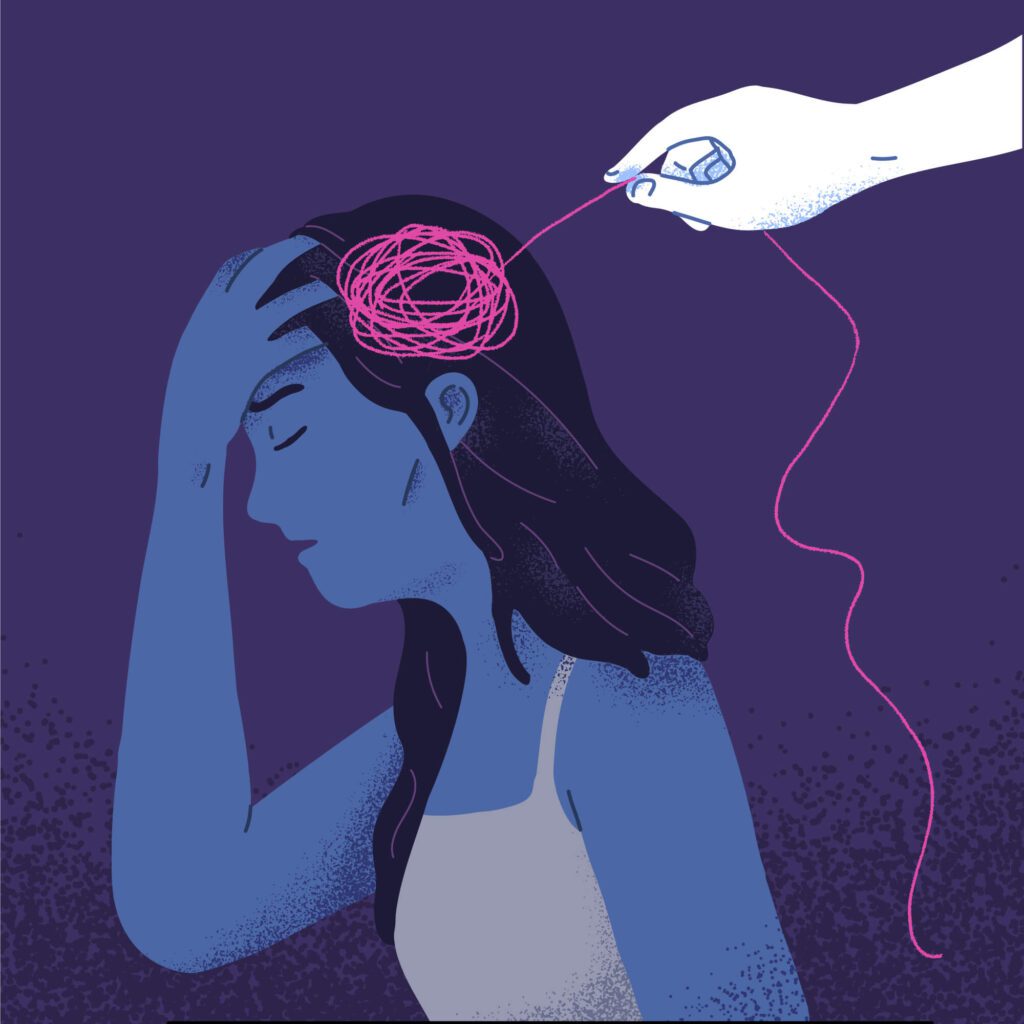
The unseen wounds of advocacy: caregiver burnout, moral injury, and embodied grief
Caregiver burnout in BC schools reflects moral injury and systemic betrayal, as mothers fight exclusion and harm while advocating for disabled children.
-

How it broke me open: the unbearable clarity of seeing things as they are
I know another reason the collective punishment incident was so devastating for me, like truly sent-me-spiralling kind of devastating, wasn’t just because of what was done to the kids (although yes, obviously that too), but because of what it broke in me, in how I’d been holding things together for so long with this scaffolding of…