

Punitive culture
An institutional mindset that treats mistakes, distress, or difference as problems to punish rather than needs to understand and support.
-
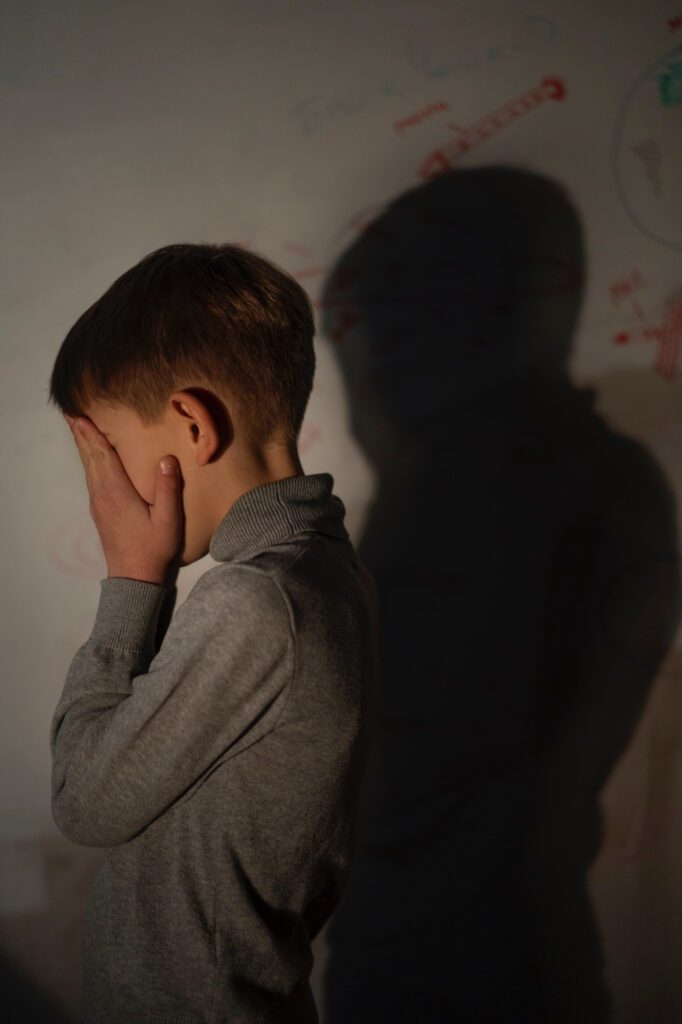
We did everything right, but we were failed
Introducing Robin’s story and the cost of manufactured scarcity In British Columbia, the promise of public education is being quietly dismantled. Not with headlines, not with declarations—but with slow erosion, strategic omission, and institutional neglect.
-
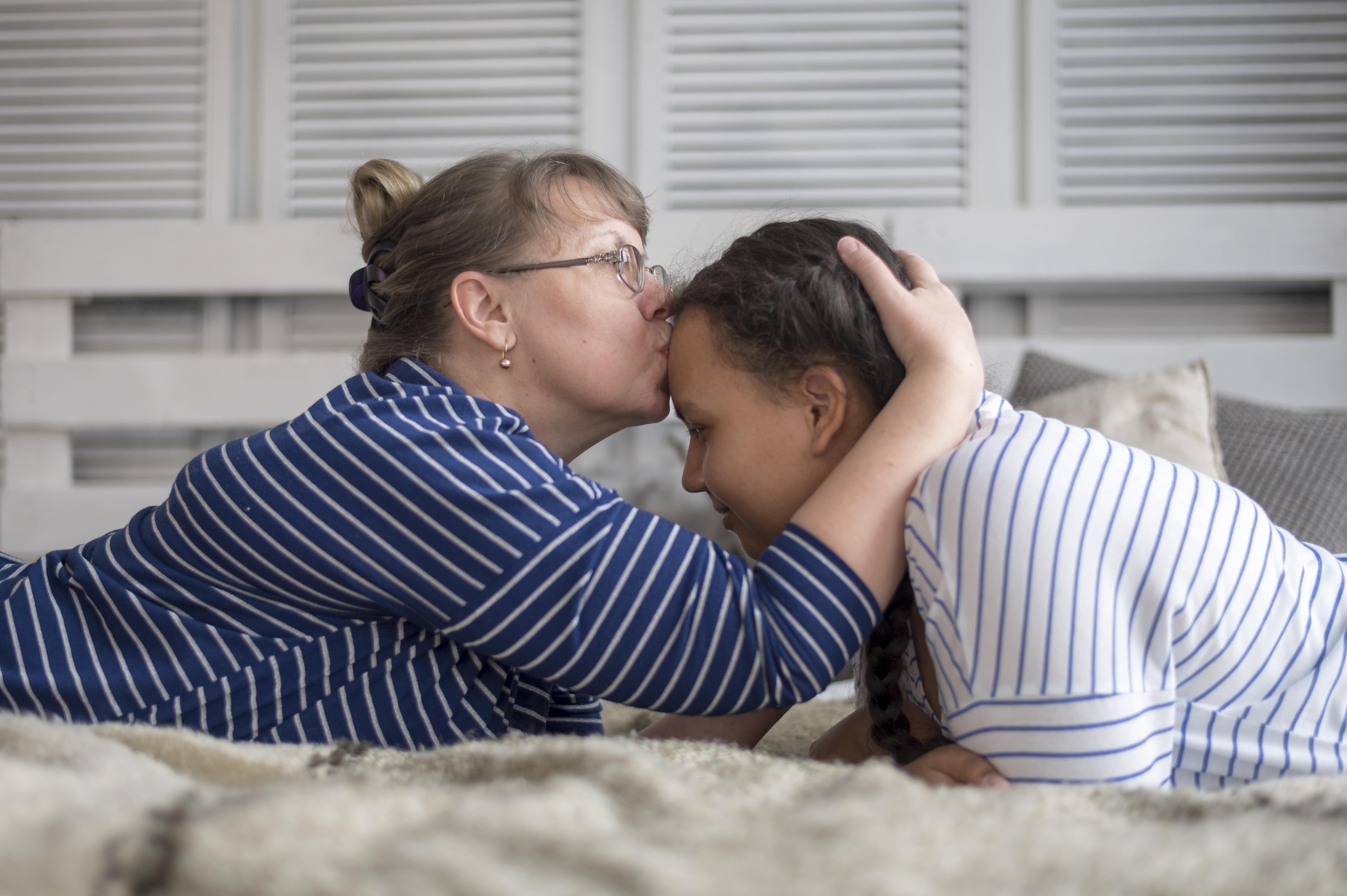
You’re not wrong: reflections on motherhood and advocacy
This piece is for the mothers who have become unrecognisable to themselves in the crucible of advocacy—those who perform calm while their bodies tremble with rage, who write polite emails through tears, who scream in the car and smile in the meeting. It is for the women whose clarity was framed as aggression, whose persistence…
-

The ABCs of regressive punishment
Discipline in schools is rarely neutral. For neurodivergent students, it often takes the form of quiet harm—masked as structure, delivered as shame. From exclusion and forced apologies to behaviour charts and the denial of recess, regressive punishment practices remain embedded in our classrooms. They don’t teach accountability. They teach fear, isolation, and the high cost…
-
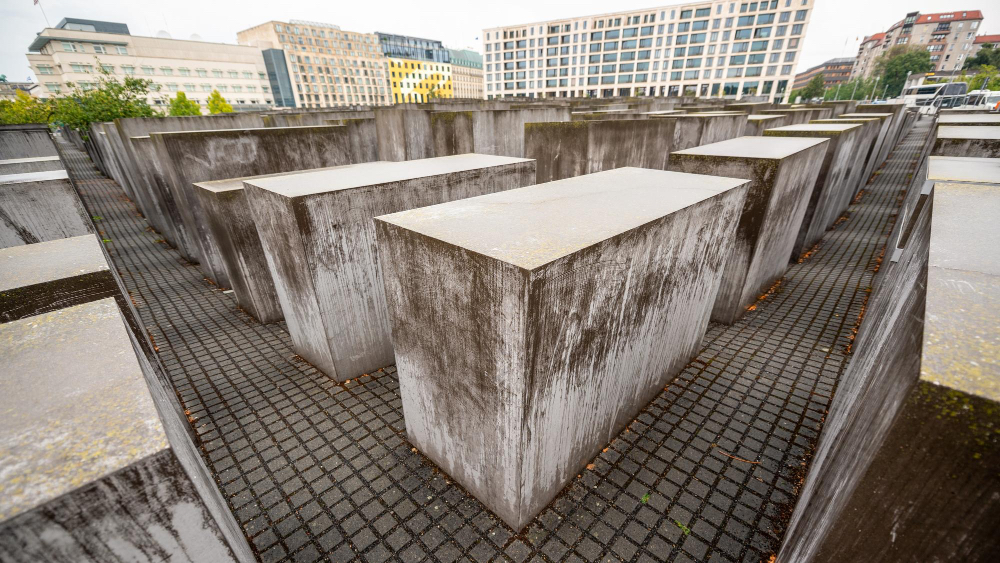
The history of collective punishment
Collective punishment emerged in a time when people were not understood as individuals, but as extensions of the family, the clan, the village. Responsibility was held in common. Honour was shared. So was shame. In such systems, if one person broke a social norm or committed a crime, the entire group was held accountable. Not…
-

Vancouver School District (SD39) district code of conduct: a neurodiversity-informed critique
The Vancouver School Board’s District Student Code of Conduct (AP 350) is an expansive and methodically constructed document. It commits to fostering safe, inclusive, and nurturing schools; it recognises systemic discrimination, promotes restorative practices, and articulates a detailed suspension framework with multiple levels of review. The document outlines procedural guidance for school leaders, provides template…
-
Collective punishment: a focal point of injustice
Collective punishment, the practice of disciplining a whole group for the misdeeds of one or a few, is widely recognised as unjust and counterproductive. Children know it’s wrong Even children intuitively grasp its unfairness. In one famous case, an 11-year-old student in the UK bluntly told her teacher that “collective punishment… is not fair on the…
-

Vernon School District (SD22) progressive discipline and suspension guidelines: a neurodiversity-informed critique
The SD22 progressive discipline and suspension guidelines begin with a clear statement of intent: to maintain a safe, caring, and healthy environment for all members of the school community. They emphasise functional assessment, procedural safeguards, privacy protections under FIPPA, and the possibility of restorative or reparative responses. Formal consequences are structured to follow only when…
-

A neurodiversity-affirming critique of the BC Ministry’s guide to school conduct
The BC Ministry of Education’s guide presents itself as a blueprint for positive school climates. Yet beneath its conciliatory language, it reinforces behavioural conformity and institutional authority over student autonomy. It fails to address the structural and sensory barriers faced by neurodivergent students, and in doing so, undermines its own claims to safety and care.…
-

Neurodiversity-affirming IEP goals that build accountability and reduce burnout
When classrooms become overwhelmed, the strain doesn’t just fall on adults—it radiates through the entire learning environment. Neurodivergent students, in particular, often act as emotional barometers—canaries in the classroom. They feel the tension, chaos, and unpredictability more acutely than their peers. When co-regulation breaks down, or when expectations are unclear, these students are often the…
-

Building safer schools through restorative justice and neurodiversity-informed practices
When children are dysregulated the response from educators is too often punitive. For neurodivergent students in particular, the cost of these responses is high: shame, trauma, social exclusion, and a deep erosion of trust. But it doesn’t have to be this way. Restorative justice offers a path forward. Not as a one-time circle or a…
-

Barriers in the Vancouver school system: a parent’s perspective
For families raising neurodivergent children, navigating the school system can feel like surviving a labyrinth built to exhaust you. What should be a place of growth becomes a terrain of harm and dismissal. Beneath the polished language of equity and inclusion lies a set of invisible barricades—attitudinal, communicative, spatial, systemic, and technological—that quietly erode trust…
-
Dr. A.R. Lord Elementary (VSB SD39): a neurodiversity-informed conduct critique
Dr. A.R. Lord Elementary’s Code of Conduct promises a “safe and supportive environment” on school grounds, on field trips, and during online learning. It embraces the Vancouver School Board’s district-wide conduct framework (AP 350), explicitly affirms the BC Human Rights Code, and applies the values of the school’s P.R.I.D.E. matrix—Purpose, Respect & Responsibility, Integrity, Diversity,…
-

When they call distress the baseline
When a principal told me, “his baseline is dysregulated,” I realised how far we had drifted from care. This was not a description. It was a dismissal. Distress had become so familiar in the classroom that it was no longer seen as a signal—but as who he was. But my child is not born of…
-

Not nothing: on being a parent with feelings in a system that asks for self-erasure
I have spent years trying not to take up space. Years trying not to be “one of those parents”—too loud, too emotional, too self-involved. I have been careful with my tone, careful with my words, careful not to name the hurt when my child was excluded, neglected, or harmed. I told myself: focus on the…
-
Lawyers over learning: how much is VSB paying Harris & Co
As a parent of two children with learning challenges, I found myself deep in the Vancouver School Board’s appeals process. Early on, I heard officials say our children would be supported with “inclusive” classroom resources. In reality, every step felt like an uphill battle. For example, during our Level 1 appeal meeting the board’s own summary…
-

The slow boil: delayed support and collective punishment
I think a lot about lobsters, wrestled from the sea and placed in cold water that slowly heats—do they wonder if it’s getting hot in there? How do they decide where the line is and begin to panic? Is it a thought or pure instinct? In kindergarten, my son arrived with a history of trauma…
-
Few of us remain our best selves in a room starved of air
If you are a parent of a neurodivergent child, you can recite the script before the phone even buzzes. “[Child] had a very good day and really showed leadership with the younger kids” Pause. “But in the afternoon [Child] had some unexpected behaviour. [Child] is waiting at the office.” Praise is meant to help us feel that…
-
The days my children cried, and I told them it would be okay
When your trust has already been broken—by people who were supposed to care for you, protect you, believe you—every new betrayal lands like confirmation. I didn’t come to school meetings as a blank slate. I came with a trauma history. So when they dismissed my child’s needs, ignored the signs, or punished their distress, it…
-

No school at all is better than what he endured
No school at all is better than what he endured. That’s the truth I need to say out loud.The harm was not abstract. It was daily, specific, institutional. The classroom was a place where his distress was normalised.Where his needs were pathologised, and his presence was treated as a problem to be managed.He was punished…
-

On moral injury and collective punishment
I did not want to file a complaint. I still don’t—not in the sense that people imagine, with anger or vengeance or a desire for punishment. What I wanted, what I asked for again and again with patience and clarity and increasing despair, was for the district to acknowledge that collective punishment is not just…