

Withholding recess
The practice of removing play or break time as punishment for group or individual behaviour—frequently used against neurodivergent children despite known harms.
-
Loss of recess impact on chronic stress levels in elementary children
The Impact of Recess on Chronic Stress Levels in Elementary School Children illuminates the profound violence embedded in recess cancellation as punishment, revealing how schools manufacture chronic physiological harm under the guise of behaviour management. The findings demonstrate that children receiving forty-five minutes of daily recess exhibited hair cortisol concentrations significantly below both pre-pandemic normative…
-
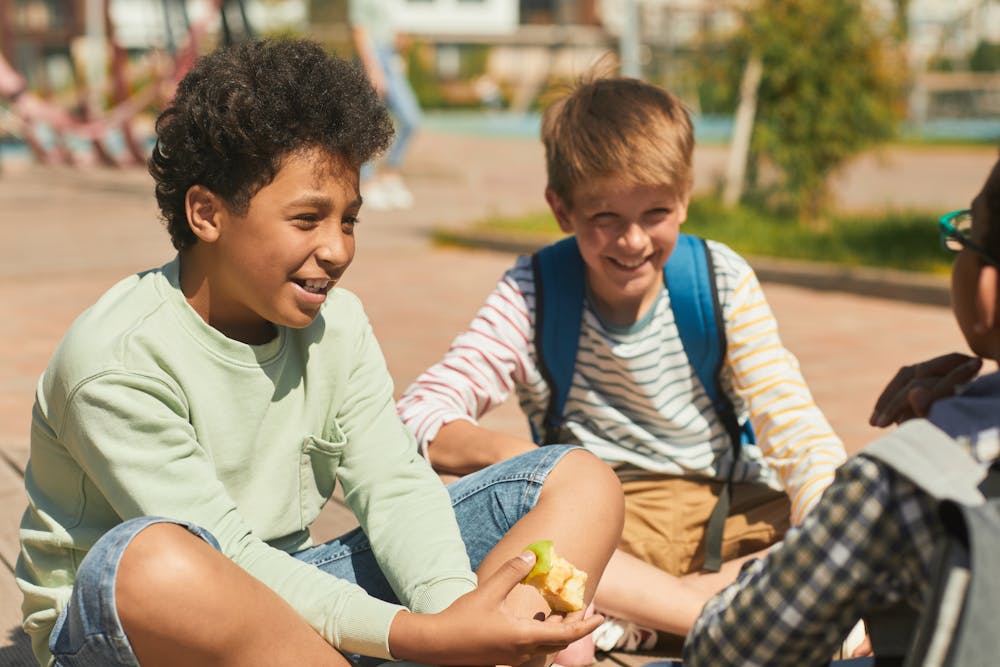
When the bell rings but the doors stay shut: why withholding recess is a breach of children’s rights
Few topics ignite as much debate as the cancellation of recess. Threads often begin with a frustrated parent describing how an entire class lost recess because of one student’s behaviour, or a teacher recounting the expectation to withhold outdoor play for incomplete work. Commenters share stories of children sitting silently at their desks while watching…
-
The orange shirt I folded
I was folding laundry late one night, brain running on the kind of background grief that rarely quiets, when my hand closed around the orange shirt. I moved to set it aside—automatically, instinctively—because I remembered September was coming, school would be starting, and Orange Shirt Day would follow quickly after. That shirt would be needed…
-
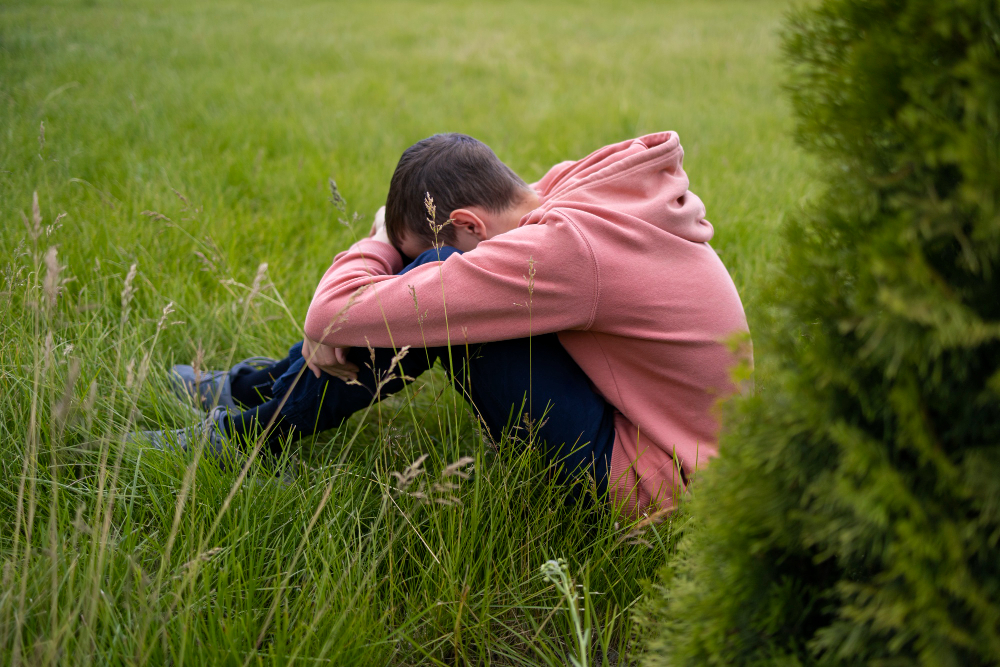
Punished for bed wetting
I’ve woken up in the middle of the night to help my children when they’ve wet the bed—perhaps after a bad dream or too much water before bedtime. I remember helping them change their clothes, stripping the bed, telling them gently: it’s okay. It happens. It’s a small moment that reminds me what care looks…
-

How to talk about collective punishment: a conversation guide
This guide is for anyone who wants to help shift thinking around collective punishment in schools. It includes practical, respectful ways to respond when you see or hear something troubling — even if you’re not in a position of authority. Use it to plant seeds, ask good questions, and name harm without assigning personal blame.…
-

How we change culture: From ashtrays to accountability in BC schools
Once, we smoked in office buildings. Not just on breaks or in private spaces—at desks, in meeting rooms, on airplanes. The haze of other people’s choices was something you had no right to escape. That was just how things were. Until it wasn’t. Now, the idea of someone lighting a cigarette during a staff meeting…
-

The moral cost of leaving children in fight-or-flight
Robin was eleven the day he fell and came up swinging. It was recess, and something had happened—a misstep, a bump, a collision on uneven ground. His body hit the pavement. And when he rose, disoriented and humiliated, the first thing in his path was his best friend. So he struck him, over and over.…
-
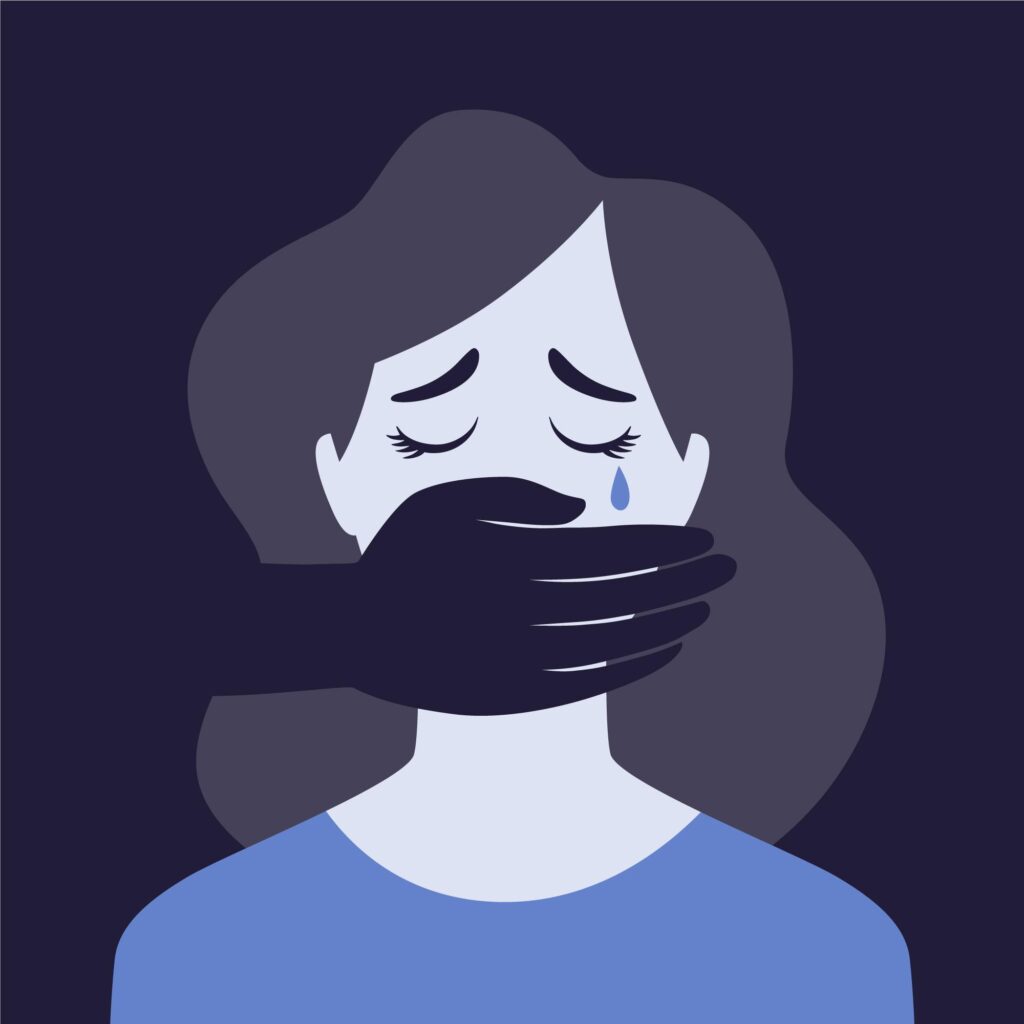
Not sick. Not fine. Not supported. Sexism in Vancouver School Board.
They said she was doing well. They said it with the softness of authority — that practiced tone that suggests neutrality while sidestepping consequence — a tone I’ve come to recognise as institutional, not personal, and absolutely not maternal. They said she was fine because she was quiet. Because she didn’t scream. Because she didn’t…
-

Galiano Community School (SD64): a neurodiversity-informed policy critique
The 2022–23 Code of Conduct for Galiano Community School is unusually rich in aspirational language. It describes a community of care rooted in mutual respect, emotional development, and responsive teaching. It affirms the BC Human Rights Code, references Positive Behaviour Support, and anchors its behavioural framework in the values of SOLE—Respect and Care for Self, Others,…
-
Revoking recess as a form of collective punishment
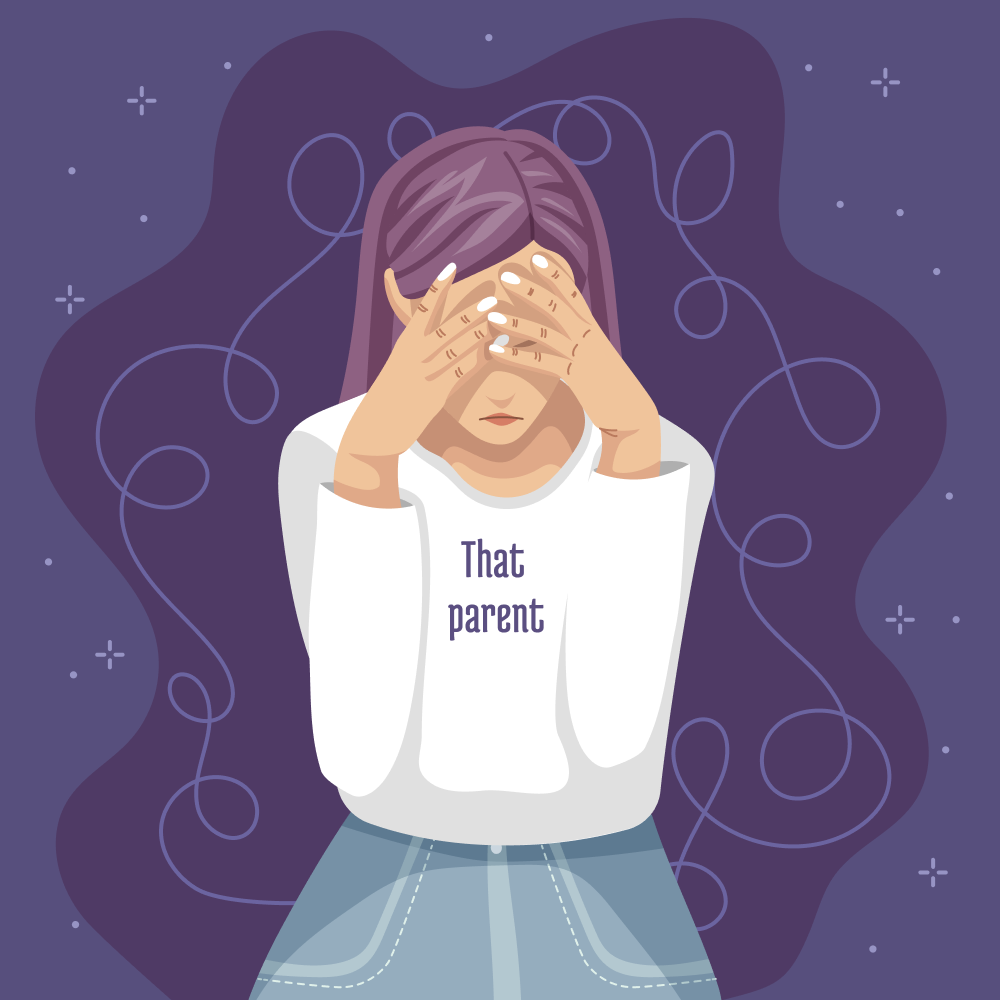
Rules intended for safety become instruments of collective punishment when they erase unstructured play from the school day, compounding distress for children who rely on movement, predictability and sensory regulation. this post examines the disproportionate impact on neurodivergent learners and proposes targeted interventions that preserve every child’s right to play and learn.
-

“Too much”: on allergy, autism, and the systemic erasure of care
There is a quiet solidarity among parents whose children are considered too much for school. Some of us carry medical kits. Others carry binders of psychological assessments. But all of us carry the same invisible burden: a system that treats our children’s needs as optional—and our vigilance as overreaction. This is the story of two…
-

Arrow Lakes School District (SD10): a neurodiversity-informed policy critique
The Arrow Lakes School District’s Policy 310, “Expectations for Student Conduct,” presents a succinct framework grounded in the language of safety, mutual respect, and orderly environments. It affirms the importance of rights-based protection against discrimination and sets the expectation that all schools will maintain up-to-date, locally developed codes of conduct. It allows for discretion, acknowledges…
-

The price of being the one who says the hard thing
There is a moment that plays out in a thousand variations—at school pickup, on the playground, during track and field events—when a parent turns to you, warm and casual, and says, “How are things?”, and for the briefest fraction of a second, you forget the rules and answer honestly. You begin to speak—not with rehearsed…
-
Trust undone: how collective punishment breaks the heart of the school
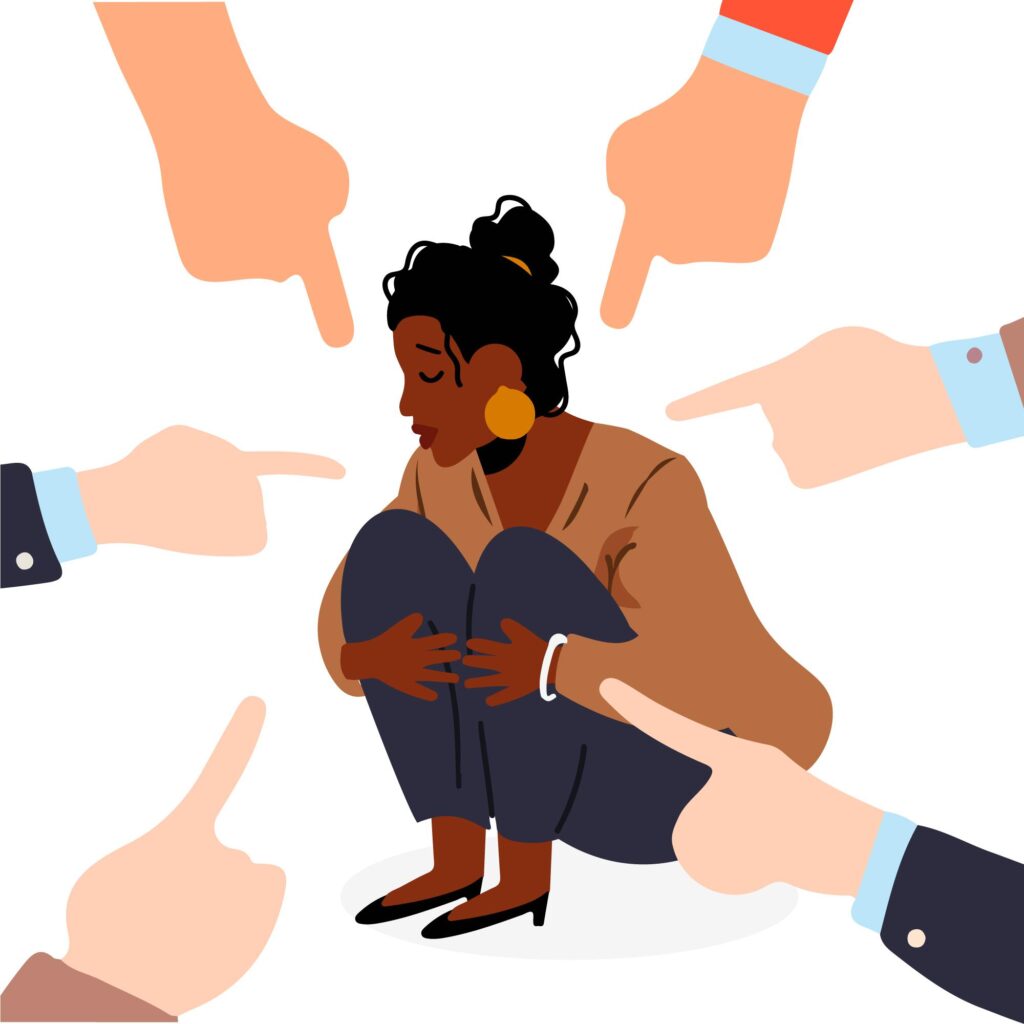
There is a kind of harm we don’t always name. Not bruises. Not bad grades. Not exclusion on paper. It is the slow unravelling of something more fragile—trust. The felt safety between a student and their teacher. The invisible thread between classmates. The quiet assumption that school is a place where fairness lives. Collective punishment…
-

Inviting collaboration on repairing trust after collective punishment
A practical guide for educators seeking to repair harm after using collective punishment. If you’ve used collective punishment—like taking away recess from an entire class, cancelling an activity because one student was dysregulated, or using peer pressure to enforce compliance—you’re not alone. These practices are still common in Canadian classrooms. But they cause real and…
-
The children were made to punish the children
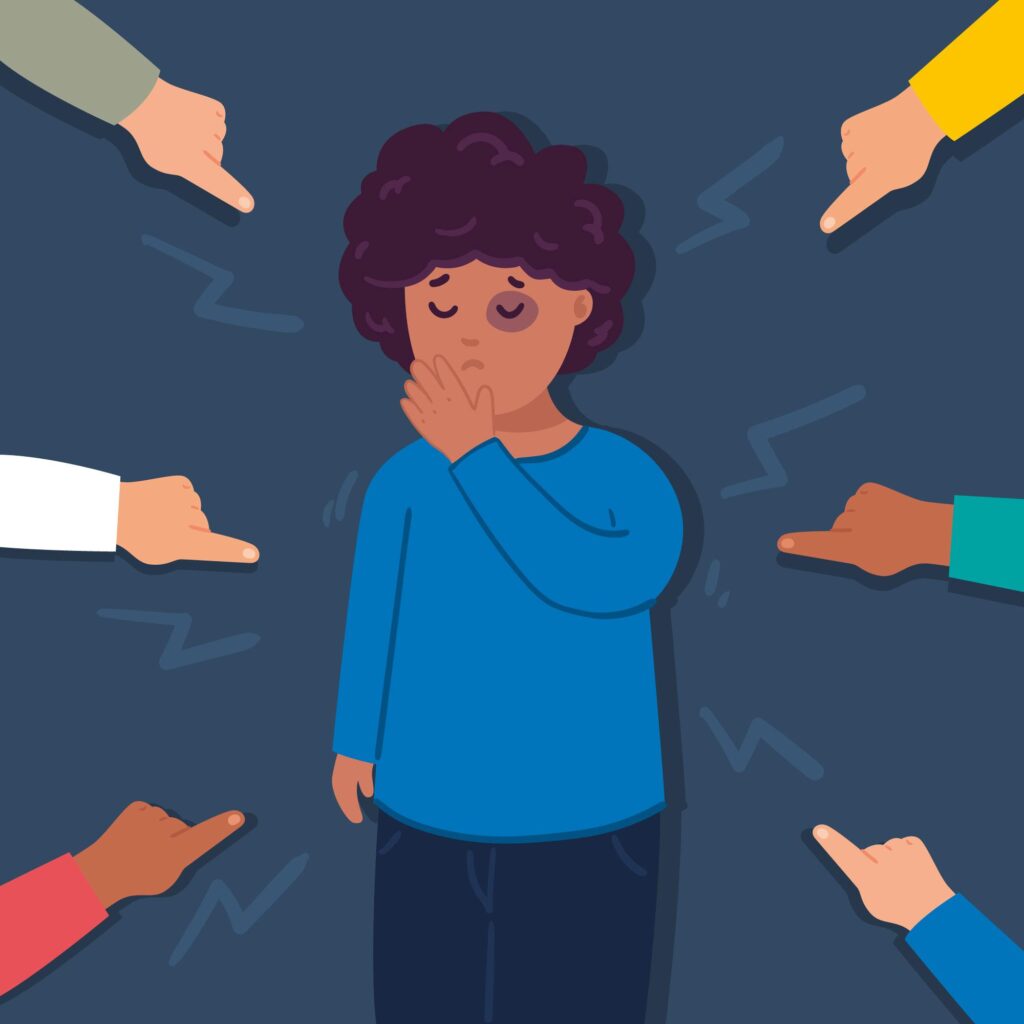
In Canada’s residential schools, older children were instructed to punish the younger ones—to hit them, isolate them, report them for infractions defined by an institution that sought to erase who they were. The adults gave the orders. The children were conscripted to carry them out. This was not incidental. It was structural. It was framed…
-

The long shadow: A history of punishment in Canadian schools
Public education in Canada is often conceptualised as a progressive force—an equaliser, a promise of inclusion. But beneath the surface of this narrative lies a long, often unbroken history of exclusion, coercion, and punishment. Canadian schools have long been sites of control, where discipline was not merely corrective, but foundational to how institutions understood their…
-
“I didn’t even do anything wrong”: student voices on collective punishment
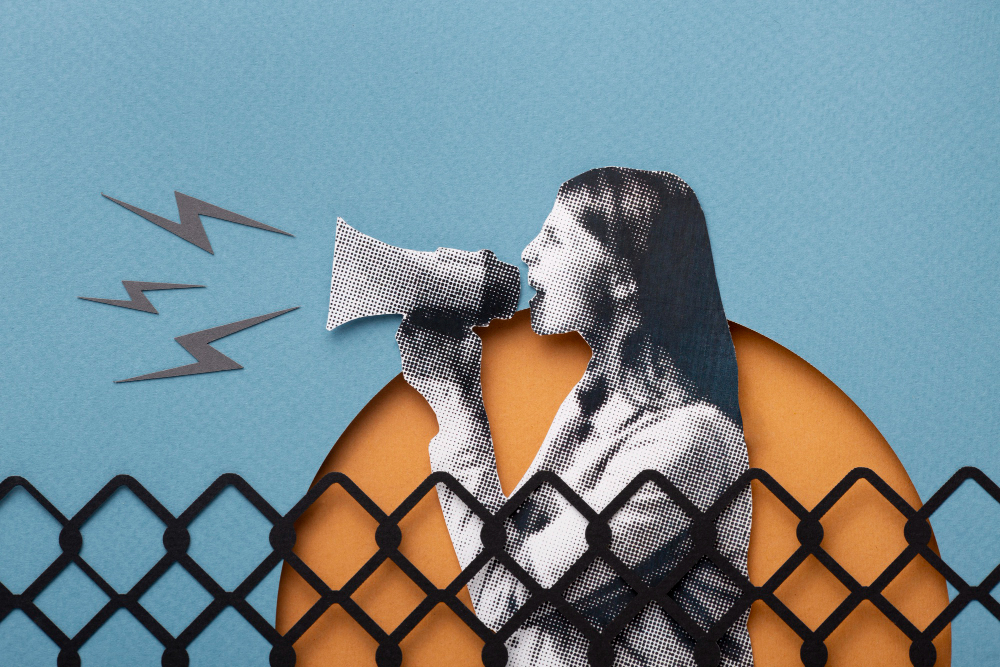
Collective punishment in schools often silences individual experiences. Yet, platforms like Reddit provide a space where students share their stories candidly. Below are excerpts from various Reddit threads that illuminate the real-world effects of collective punishment.
-
The ABCs of regressive punishment
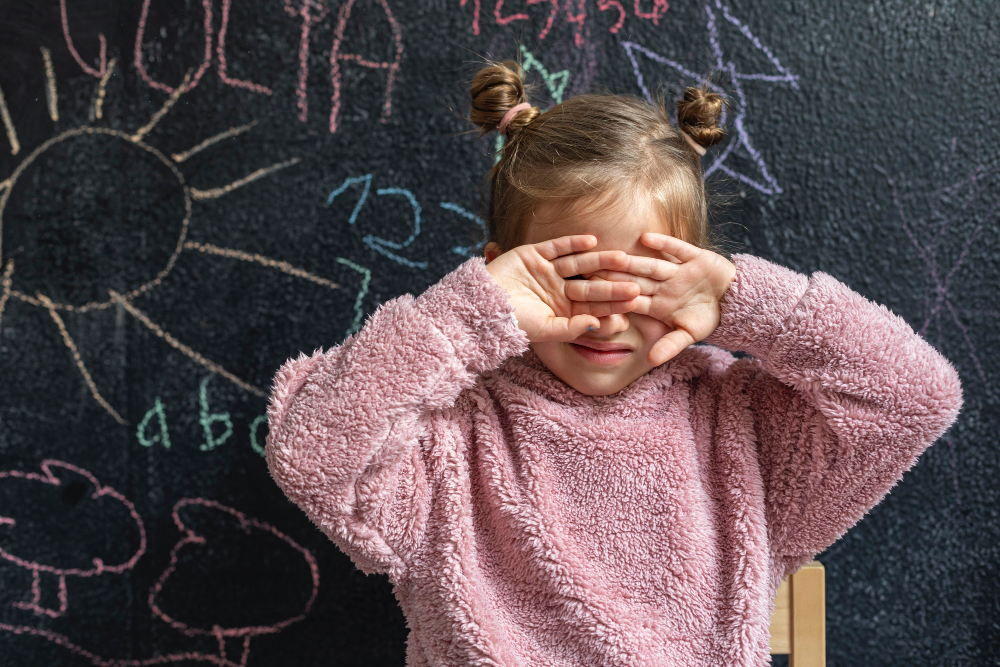
Discipline in schools is rarely neutral. For neurodivergent students, it often takes the form of quiet harm—masked as structure, delivered as shame. From exclusion and forced apologies to behaviour charts and the denial of recess, regressive punishment practices remain embedded in our classrooms. They don’t teach accountability. They teach fear, isolation, and the high cost…
-
The history of collective punishment
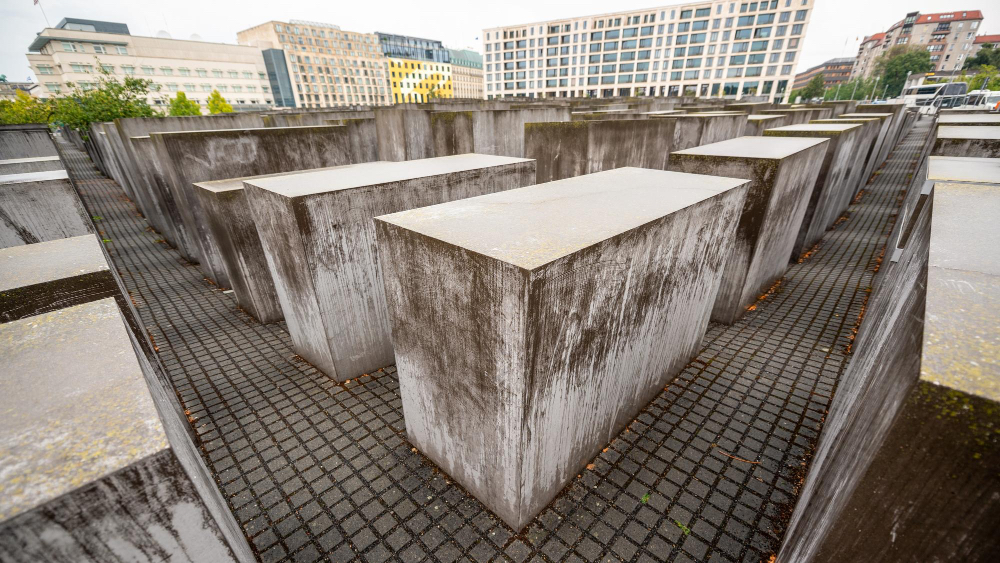
Collective punishment emerged in a time when people were not understood as individuals, but as extensions of the family, the clan, the village. Responsibility was held in common. Honour was shared. So was shame. In such systems, if one person broke a social norm or committed a crime, the entire group was held accountable. Not…