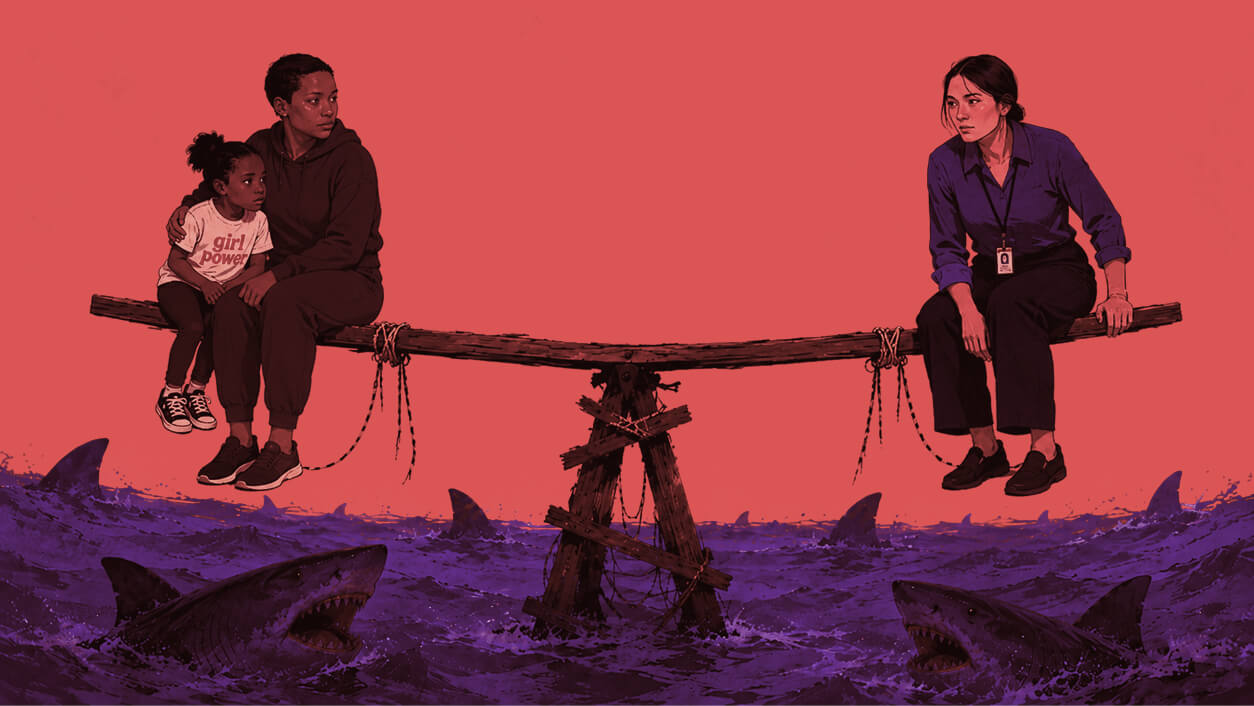
Here is a brief selection from the overwhelming body of research confirming what many of us know intuitively: collective punishment is a harmful, outdated practice with no place in schools—or in any environment that claims to honour human dignity. Its use is so fundamentally unjust that it is considered a violation of international humanitarian law when applied in wartime. That it remains a routine tool in educational settings is not just ethically indefensible—it is a failure of care, policy, and imagination.
- Prevalence of experiencing public humiliation and its effects on mental health
This systematic review and meta-analysis highlights the significant psychological impact of public humiliation, including increased emotional distress, anxiety, and depression. SAGE Journals, 7 May 2024 - How children evaluate collective and targeted punishment
Research indicates that while younger children may perceive collective punishment as fair, older children view targeted punishment as more just, preferring teachers who administer discipline individually. University of Virginia Undergraduate Research, 2024 - Group punishment doesn’t fix behaviour—it just makes kids hate school
A discussion highlighting personal experiences where collective punishment led to resentment among students, fostering a negative school environment. The Conversation, 11 July 2019 - Collective punishment: fair or farce?
An exploration of the implications of collective punishment in schools, questioning its fairness and effectiveness in managing student behaviour. The Educator Online, 11 July 2019 - Shaming school children: A violation of fundamental rights?
This paper examines the practice of shaming in schools, arguing that it may infringe upon children’s fundamental rights and hinder their development. SAGE Journals, 5 January 2019 - Controversial school discipline: collective and corporal punishment
An overview of research indicating that both collective and corporal punishment can lead to adverse mental health outcomes and behavioural issues in students. Learning Liftoff, 5 June 2018 - The psychological effects of shaming children
An article discussing the long-term psychological harm caused by shaming children, including impacts on self-worth and social relationships. Psychology Today, 21 June 2015 - Shaming school children: A violation of fundamental rights?
A study questioning whether the practice of shaming in educational settings violates children’s rights and the potential legal implications. ResearchGate, 2019 - The dark side of rewards and punishments in the classroom, Part II
An examination of how traditional reward and punishment systems may undermine intrinsic motivation and fail to promote long-term behavioural change. My College, 2018
-

Collective punishment: a focal point of injustice
Collective punishment, the practice of disciplining a whole group for the misdeeds of one or a few, is widely recognised…
-

The history of collective punishment
Collective punishment emerged in a time when people were not understood as individuals, but as extensions of the family, the…