

Educational harm
The emotional, cognitive, and academic consequences of exclusion, burnout, unsupported needs, and systemic discrimination in school settings.
-
Signs your child’s teacher uses collective punishment (and what it does to them)
Your child might not have the language to name what’s happening, might not recognize collective punishment as a specific practice with a specific name, might only know that something at school feels deeply unfair and that their effort no longer seems to matter. Parents often notice the effects before they identify the cause: children who…
-
Dr. A.R. Lord Elementary (VSB SD39): a neurodiversity-informed conduct critique
Dr. A.R. Lord Elementary’s Code of Conduct promises a “safe and supportive environment” on school grounds, on field trips, and during online learning. It embraces the Vancouver School Board’s district-wide conduct framework (AP 350), explicitly affirms the BC Human Rights Code, and applies the values of the school’s P.R.I.D.E. matrix—Purpose, Respect & Responsibility, Integrity, Diversity,…
-
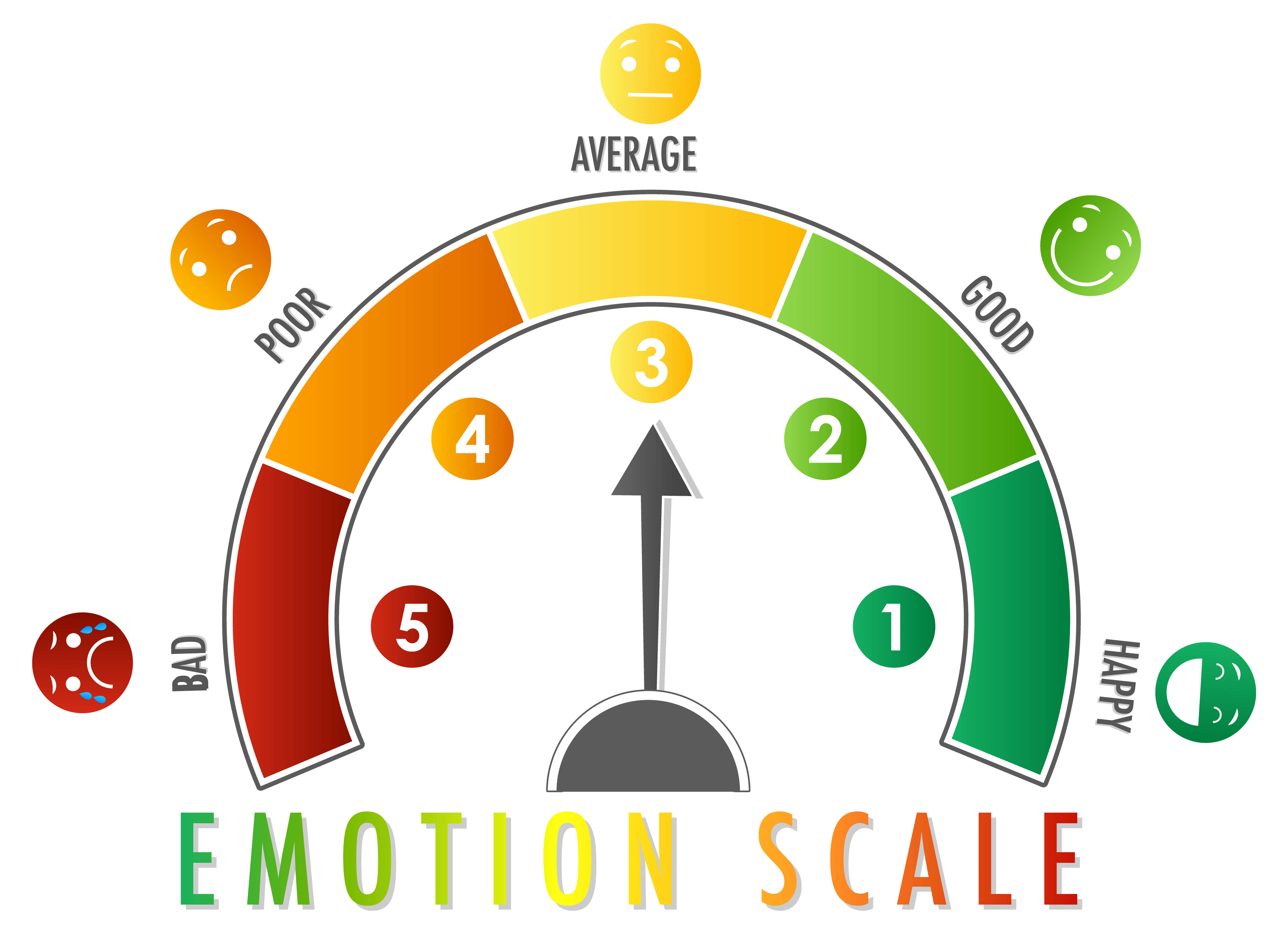
Regulation isn’t colouring a box: how neurotypical emotion models can harm autistic kids
The Zones of Regulation chart is made of four tidy boxes—blue, green, orange, red—a short list of emotions, each offering the illusion of clarity, simplicity, legibility. It’s a system that looks soft, friendly, and progressive, but that often functions as a mechanism for shaping children’s expressions to fit the comfort and control needs of adults,…
-

Protecting children’s dignity and safety in a broken system
We should be able to expect a system where no child sits in wet clothes all day, and no child is changed alone by a single staff member behind closed doors. These are basic, non-negotiable standards for dignity and safety, not optional aspirations. While we can all acknowledge that the system is under immense strain,…
-

Coerced sibling care in public school inclusion
The school saw twins and imagined comfort. What they created instead was coerced care—using my daughter’s body to regulate her brother without consent, without safety, and without repair.
-

Disgusted by my advocacy
I have become hyper-attuned to the particular curl of a staff member’s lip, the slight recoil in their chair, the clenched tone when I insist—again—that my child deserves continued support. These micro-expressions, often passed off as stress or surprise or bureaucratic irritation, are not neutral. They are expressions of disgust. And for families like mine,…
-

Nova Scotia bans collective punishment
Nova Scotia’s Provincial School Code of Conduct Policy underwent a significant update in April 2025, marking a substantial revision of the previous 2015 policy. The updated policy, set to take effect in September 2025, introduces clearer definitions of unacceptable behaviours, delineates new responsibilities for all school community members, and emphasises support for those affected by…
-

When fairness fractures: A response to “Collective Punishment in Schools” by Serene Leeyc
A recent article by Serene Leeyc, titled Collective Punishment in Schools: Fairness or Fostering Division?, offers a welcome and accessible overview of collective punishment in school settings—a practice that, while common, remains shockingly under-examined in public discourse. The piece attempts to understand the teacher’s dilemma, surveys common classroom scenarios, and suggests positive alternatives like restorative justice…
-

Not nothing: on being a parent with feelings in a system that asks for self-erasure
I have spent years trying not to take up space. Years trying not to be “one of those parents”—too loud, too emotional, too self-involved. I have been careful with my tone, careful with my words, careful not to name the hurt when my child was excluded, neglected, or harmed. I told myself: focus on the…
-
Lawyers over learning: how much is VSB paying Harris & Co
As a parent of two children with learning challenges, I found myself deep in the Vancouver School Board’s appeals process. Early on, I heard officials say our children would be supported with “inclusive” classroom resources. In reality, every step felt like an uphill battle. For example, during our Level 1 appeal meeting the board’s own summary…
-

The slow boil: delayed support and collective punishment
I think a lot about lobsters, wrestled from the sea and placed in cold water that slowly heats—do they wonder if it’s getting hot in there? How do they decide where the line is and begin to panic? Is it a thought or pure instinct? In kindergarten, my son arrived with a history of trauma…
-

On Stuart Shanker’s Self-Reg
I remember the feeling—desperate, hollowed out, shaking in that way that only comes when the world around you is collapsing and everyone keeps handing you checklists.
-
Few of us remain our best selves in a room starved of air
If you are a parent of a neurodivergent child, you can recite the script before the phone even buzzes. “[Child] had a very good day and really showed leadership with the younger kids” Pause. “But in the afternoon [Child] had some unexpected behaviour. [Child] is waiting at the office.” Praise is meant to help us feel that…
-
The days my children cried, and I told them it would be okay
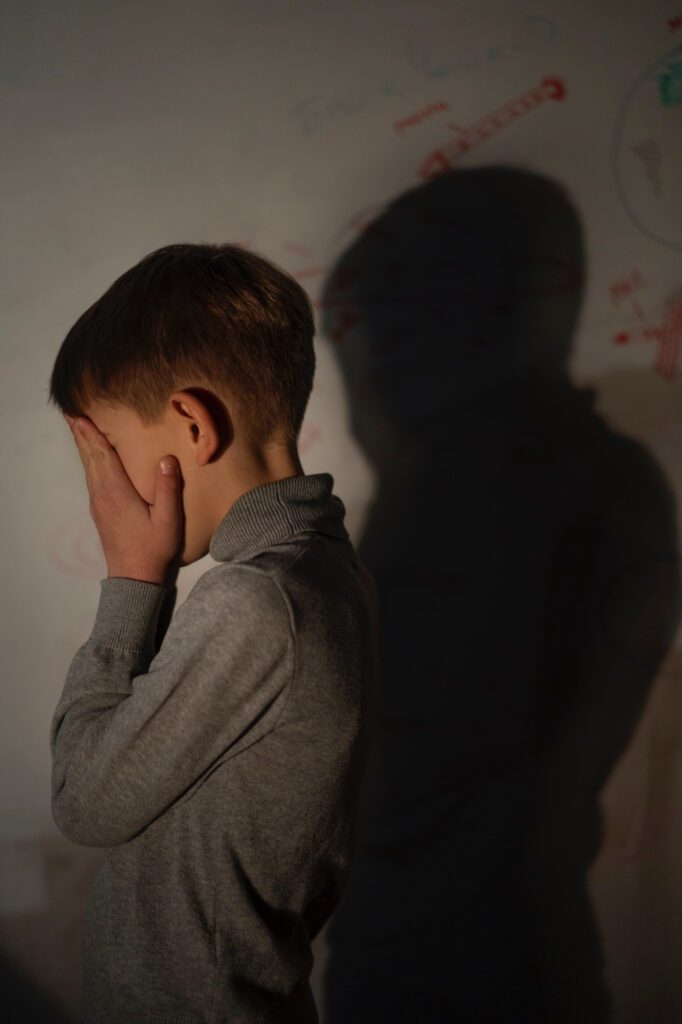
When your trust has already been broken—by people who were supposed to care for you, protect you, believe you—every new betrayal lands like confirmation. I didn’t come to school meetings as a blank slate. I came with a trauma history. So when they dismissed my child’s needs, ignored the signs, or punished their distress, it…
-

No school at all is better than what he endured
No school at all is better than what he endured. That’s the truth I need to say out loud.The harm was not abstract. It was daily, specific, institutional. The classroom was a place where his distress was normalised.Where his needs were pathologised, and his presence was treated as a problem to be managed.He was punished…
-

The problem with the appeals process
When something goes wrong at school—when a child is excluded, harmed, or unsupported—families are told to “work it out with the school first.” That sounds reasonable on paper. But in practice, it’s vague, unstructured, and often retraumatising. I’ve gone through the Vancouver School Board (VSB) appeals process more times that I’d wish upon anyone. Here’s…
-
When school discipline undermines trust at home
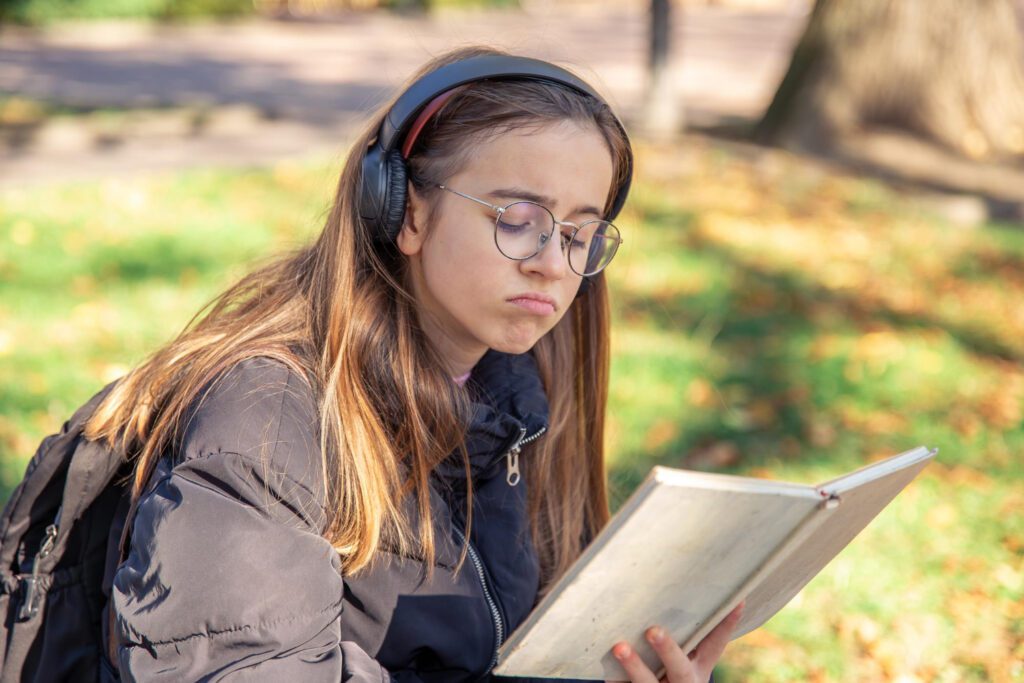
There’s a problem in our schools. You’ll see it on a child’s face when they come home. You’ll hear it in the way they describe something that left them feeling humiliated, angry, or confused—and often, all three at once. It happens when school staff use discipline strategies that completely contradict the values a student has…
-

On moral injury and collective punishment
I did not want to file a complaint. I still don’t—not in the sense that people imagine, with anger or vengeance or a desire for punishment. What I wanted, what I asked for again and again with patience and clarity and increasing despair, was for the district to acknowledge that collective punishment is not just…
-

School District 48 (Sea to Sky): a neurodiversity-informed policy critique
SD48 conduct decision flow (simplified) ⚠️ Critical analysis ✅ Strengths ❌ Gaps Neurodiversity lens: how the policy holds up Dimension Assessment Notes Disability justice ✅ Partial Equity and accommodation are mandated, but process and supports unspecified Neurodivergent alignment ⚠️ Weak No mention of executive function needs, sensory regulation, impulsivity, masking, or meltdown management Protection from…
-

SJ Burnside Continuing Education (SD61): a neurodiversity‑informed policy critique
SJ Burnside Education Centre is an Alternative Education program serving youth aged 13–18 in a small-group, flexible setting. Its published Code of Conduct emphasises high standards of conduct, honesty, integrity, and cooperation during all school-sponsored activities. It explicitly promotes peaceful problem-solving, community engagement, and maintains a personal device policy (e.g., cell phones may be removed if abused). Student Code of Conduct SJ Burnside conduct decision…