

Family Experience
Personal stories from families about the impact of collective punishment.
-
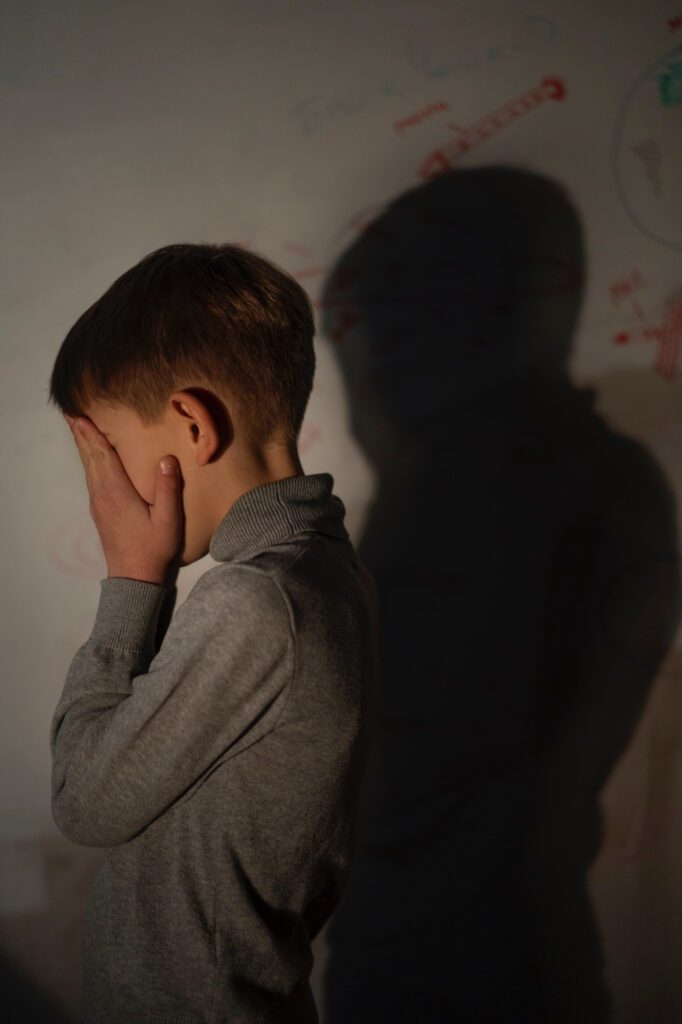
The stories we carry: how schoolyard legends and classroom fear shape us
When I was in grade three, I attended an alternative school that felt like a sun-dappled meadow. We painted. We played outside. We had a math teacher who made learning feel like a game, not a test. There was room to breathe. I remember it as freedom. Then, in grade four, everything changed. My new…
-

Parenting through gaslighting and grief
In the early days, our relationship was luminous, almost feverishly bright with attention and agreement and what I understood then as love—its intensity, its precision, the way it seemed to reach for every part of me, even the parts I kept hidden, even the ones I feared were too strange or fragile to show. I…
-

Help please: call for Indigenous perspectives on collective punishment in BC schools.
We are seeking contributions from Indigenous scholars, knowledge-keepers, writers, parents, educators, and community leaders on discipline, punishment, exclusion, and accountability in British Columbia’s public schools. This project began from a concern that some school discipline practices — including collective punishment, exclusion, surveillance, public shaming, and informal removal — may sit within longer histories of colonial…
-

Maternal scream: embodied rage in a system that punishes and smiles
This rage didn’t appear in a vacuum. It was not spontaneous. It is the inevitable consequence of a system that harms children while demanding that mothers smile back. It is what happens when a process is engineered to fail your child and then punishes you for noticing. They built the conditions. You simply refused to…
-

Calling the exclusion line
Every morning, when we dial the school’s sick line, we enact a ritual that ought to acknowledge more than a fever or a stomach ache. In theory, this system exists to safeguard children who cannot attend school due to illness. In practice, it masks the institutional harms that shape our decisions, erasing critical context from…
-

How regressive school policies limit inclusion
On the first day of school, it all looked so promising that it seemed almost too good to be true—the hallway bulletin boards overflowed with vibrant slogans about kindness, leadership, and community belonging, while the principal’s welcome message spoke in glowing terms about student voice, shared responsibility, and the promise of a positive school culture…
-

How classroom values become ableist barriers
There is no such thing as a neutral rule. Every expectation reflects a theory of the child: what is normal, what is ideal, what is possible. And in most classrooms, these theories are wrong. I was given a list of behavioural values from my child’s class—Division 3. It included items like: stay in the group,…
-
Profound loss amplifies calls for better training
I was in the car with my children when I first heard the story of Chase, the 15-year-old boy who was shot and killed by police, in Surrey. It’s deeply distressing to hear this, knowing full well that my kids are recalibrating their worldview. Kids can be shot. My children sometimes process auditory information more…
-
What policy says about collective punishment in schools
Collective punishment is never explicitly mentioned in the School Act or BC education policies, but it is made very clear that the system is meant to be fair, accountable, and respectful. The School act states the discipline in schools must be “similar to that of a kind, firm and judicious parent” (Section 76(3)). I consider…
-

What families learn from the inside of exclusion
We weren’t trained for this. We were not briefed, warned, or prepared. We entered the public school system, bright-eyed and bushy-tailed, like most parents do—with trust, with hope, and with a belief, however weathered, in the promise that schools would try to do right by our children. What we didn’t understand was how quickly that…
-
Collective punishment in schools teaches the wrong lesson
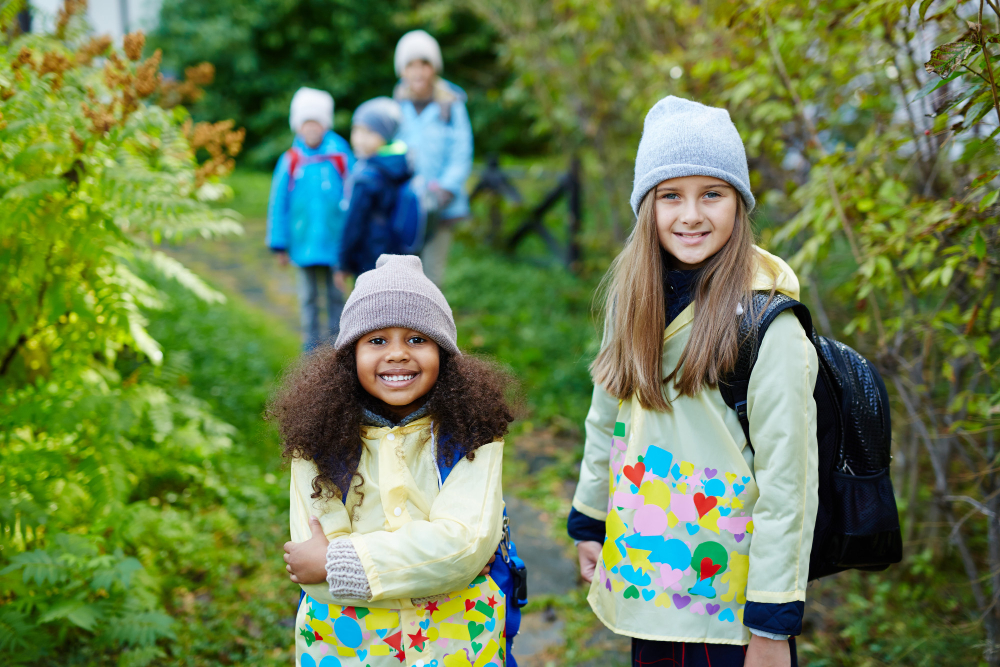
Imagine you’re at work, focused on your tasks, when your boss announces that no one can leave until two distracted coworkers finish their work. You’d be outraged, right? Yet, this exact approach—punishing an entire group for the actions of a few—is sometimes still used in elementary classrooms. In a recent article, Blair questions the pedagogical…
-
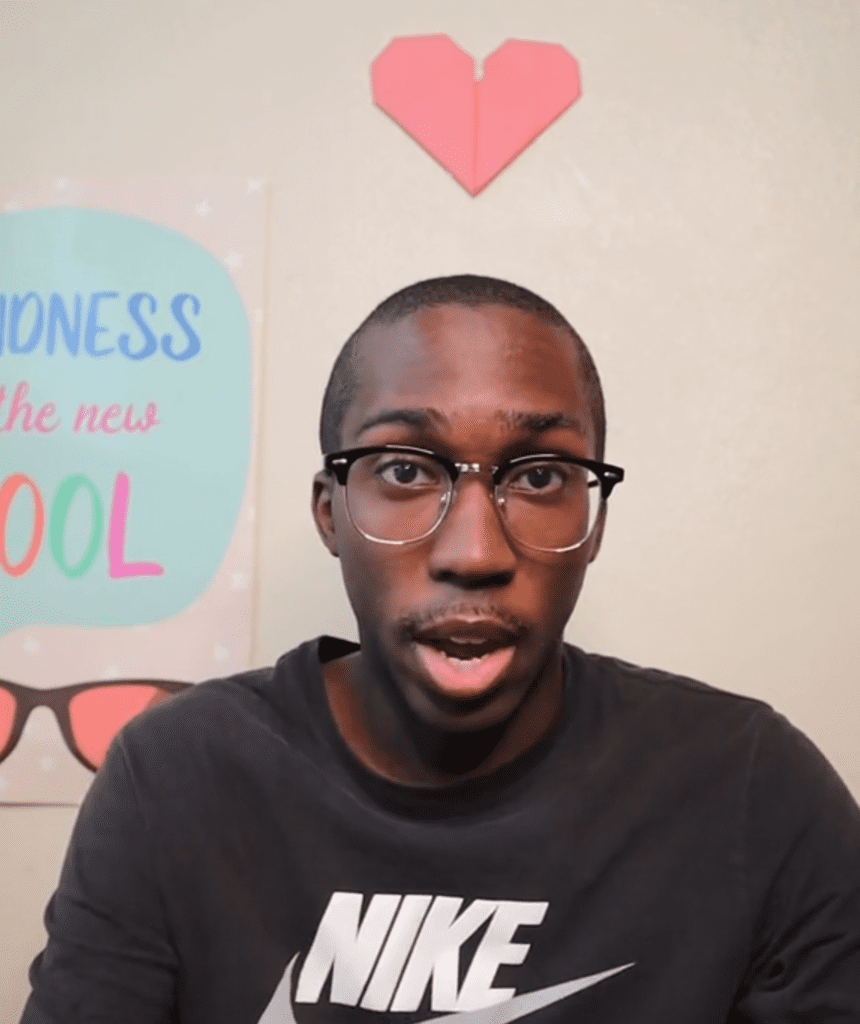
A teacher’s perspective on collective punishment
In this powerful TikTok video, Mr Trayvon reflects on his own past use of collective punishment in the classroom—and why he no longer believes it serves students. With candour and humility, he acknowledges the harm these practices cause, particularly to children already carrying the weight of trauma, neurodivergence, or social marginalisation. His shift away from…
-
Repairing harm as a better alternative
Traditional punitive measures like collective punishment often fail to resolve behavioural issues, instead creating resentment and division. Restorative practices offer a better alternative by focusing on repairing harm, fostering empathy, and promoting accountability. This article introduces key restorative techniques for educators, including: By shifting the focus from punishment to healing, restorative practices not only improve…
-
Collective punishment–fair or farce?
The practice of collective punishment in schools sparks strong opinions among educators, parents, and students alike. While some argue it helps maintain control and sends a message about group accountability, critics point out that it unfairly penalizes uninvolved individuals and damages trust within the classroom. This article dives into the debate, exploring: The piece concludes…
-
Why collective punishment doesn’t work
Group punishment doesn’t fix behaviour – it just makes kids hate school, in The Conversation. explains that collective punishment might seem effective in achieving short-term compliance, but is both unfair and ineffective in the long run. This article explains: Key takeaway: Collective punishment may offer a quick fix, but it erodes trust and fails to…
-
Why i started this campaign
As a solution architect and parent of disabled children, I’ve seen the public education system from both sides. What I’ve found is not a system in crisis—it’s a system functioning exactly as designed: rewarding compliance, punishing difference, and quietly discarding those who don’t fit. This post explores how exclusionary practices like collective punishment persist in…
-
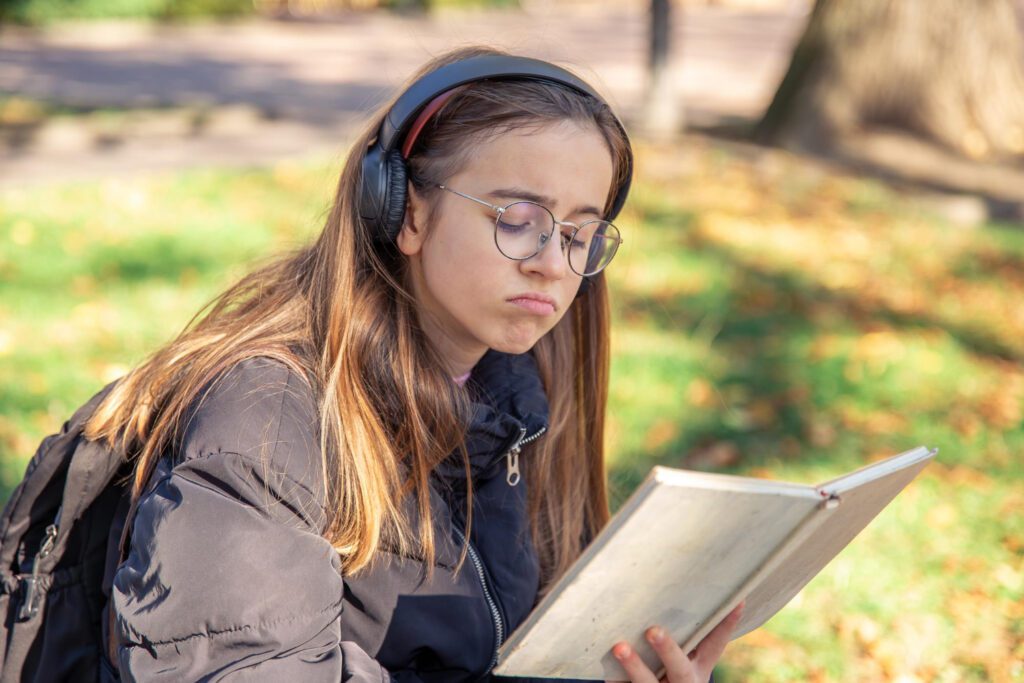
She’s agonised inside and that doesn’t count?
Much of this unfolded in 2022 and 2023, during a period when my daughter remained undiagnosed as autistic, unsupported in any formal way, and largely invisible to the school system. The patterns described here continue to shape our lives. In this essay, you’ll hear the cautious hope I carried—that a formal diagnosis would unlock the…