
Family Experience
Personal stories from families about the impact of collective punishment.
-
The cost of masking: What we lose when children perform wellness
This evening, I walked my son down the street toward the place where his father was waiting to pick him up. It was an ordinary hand-off on an ordinary day, except I carried that soft, watchful question I always carry now, held quietly in my chest until the timing feels right. I asked if he…
-
How to lodge an education appeal in British Columbia
Filing an appeal in the Vancouver School District is not for the faint of heart. It’s like falling on glass slowly. Emotionally draining by design. But for some families, it is the only path left. I’ve filed several myself. Sometimes, my child got a little more support. Other times, I walked away empty-handed but still…
-
Regulation isn’t colouring a box: how neurotypical emotion models can harm autistic kids
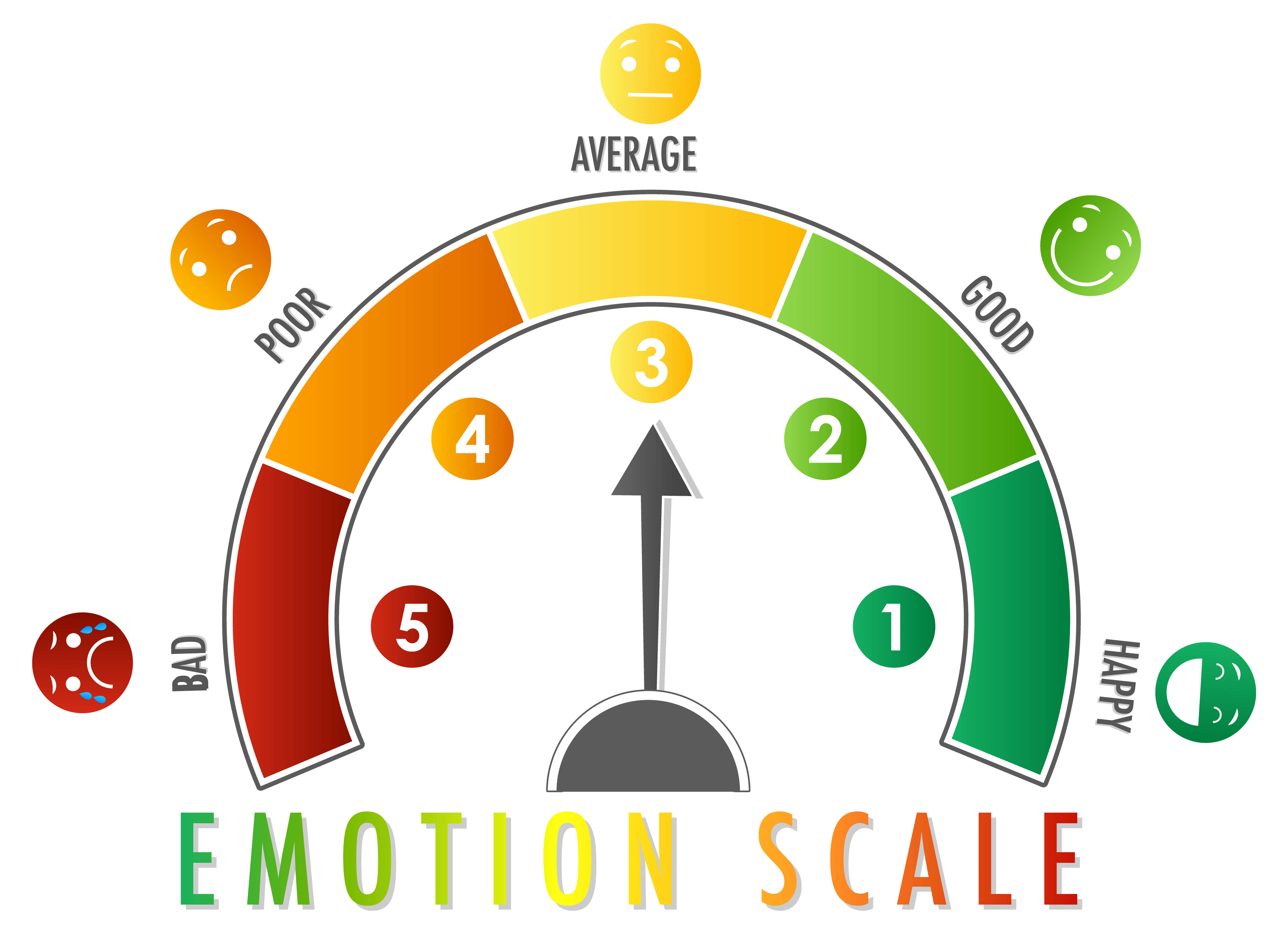
The Zones of Regulation chart is made of four tidy boxes—blue, green, orange, red—a short list of emotions, each offering the illusion of clarity, simplicity, legibility. It’s a system that looks soft, friendly, and progressive, but that often functions as a mechanism for shaping children’s expressions to fit the comfort and control needs of adults,…
-
When they call distress the baseline
When a principal told me, “his baseline is dysregulated,” I realised how far we had drifted from care. This was not a description. It was a dismissal. Distress had become so familiar in the classroom that it was no longer seen as a signal—but as who he was. But my child is not born of…
-

Coerced sibling care in public school inclusion
The school saw twins and imagined comfort. What they created instead was coerced care—using my daughter’s body to regulate her brother without consent, without safety, and without repair.
-
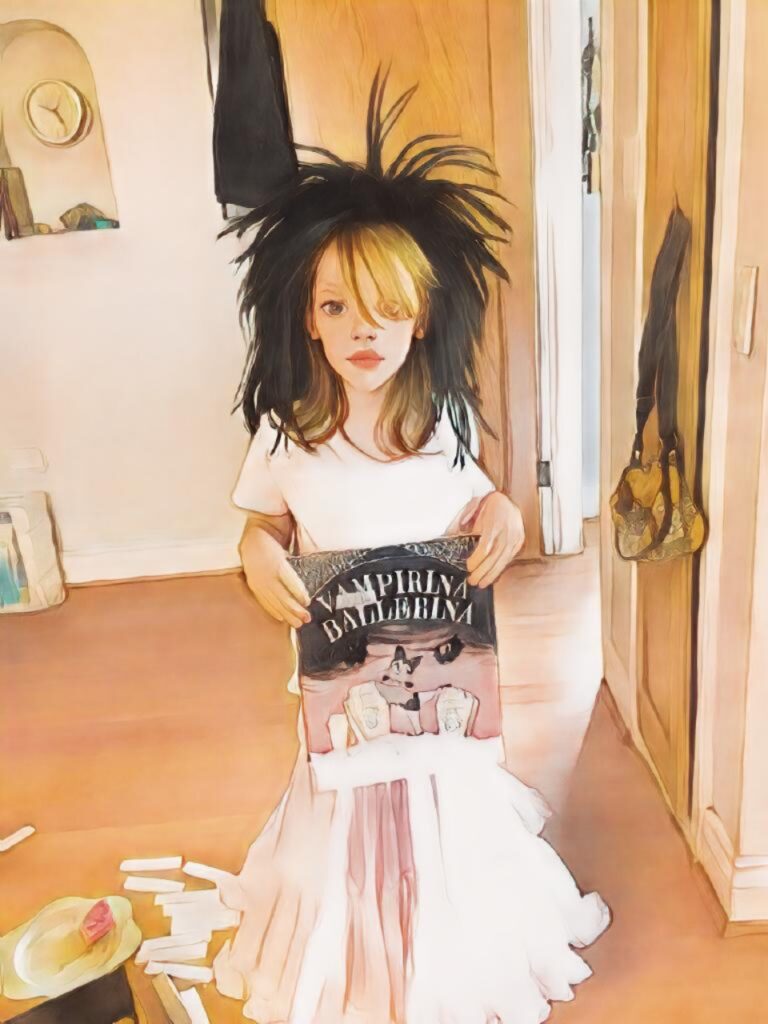
Disgusted by my advocacy
I have become hyper-attuned to the particular curl of a staff member’s lip, the slight recoil in their chair, the clenched tone when I insist—again—that my child deserves continued support. These micro-expressions, often passed off as stress or surprise or bureaucratic irritation, are not neutral. They are expressions of disgust. And for families like mine,…
-
Teacher speaks out on exclusion
An experienced teacher alleges that her school punished her for exposing how it pushes vulnerable students out of class. She claims administrators send students with disabilities home early, force them onto reduced schedules, and isolate them without formal suspension or notifying families. She says that when she reported those illegal, unethical practices, administrators investigated her,…
-

Not nothing: on being a parent with feelings in a system that asks for self-erasure
I have spent years trying not to take up space. Years trying not to be “one of those parents”—too loud, too emotional, too self-involved. I have been careful with my tone, careful with my words, careful not to name the hurt when my child was excluded, neglected, or harmed. I told myself: focus on the…
-

The slow boil: delayed support and collective punishment
I think a lot about lobsters, wrestled from the sea and placed in cold water that slowly heats—do they wonder if it’s getting hot in there? How do they decide where the line is and begin to panic? Is it a thought or pure instinct? In kindergarten, my son arrived with a history of trauma…
-

On Stuart Shanker’s Self-Reg
I remember the feeling—desperate, hollowed out, shaking in that way that only comes when the world around you is collapsing and everyone keeps handing you checklists.
-
Few of us remain our best selves in a room starved of air
If you are a parent of a neurodivergent child, you can recite the script before the phone even buzzes. “[Child] had a very good day and really showed leadership with the younger kids” Pause. “But in the afternoon [Child] had some unexpected behaviour. [Child] is waiting at the office.” Praise is meant to help us feel that…
-
The days my children cried, and I told them it would be okay
When your trust has already been broken—by people who were supposed to care for you, protect you, believe you—every new betrayal lands like confirmation. I didn’t come to school meetings as a blank slate. I came with a trauma history. So when they dismissed my child’s needs, ignored the signs, or punished their distress, it…
-
No school at all is better than what he endured
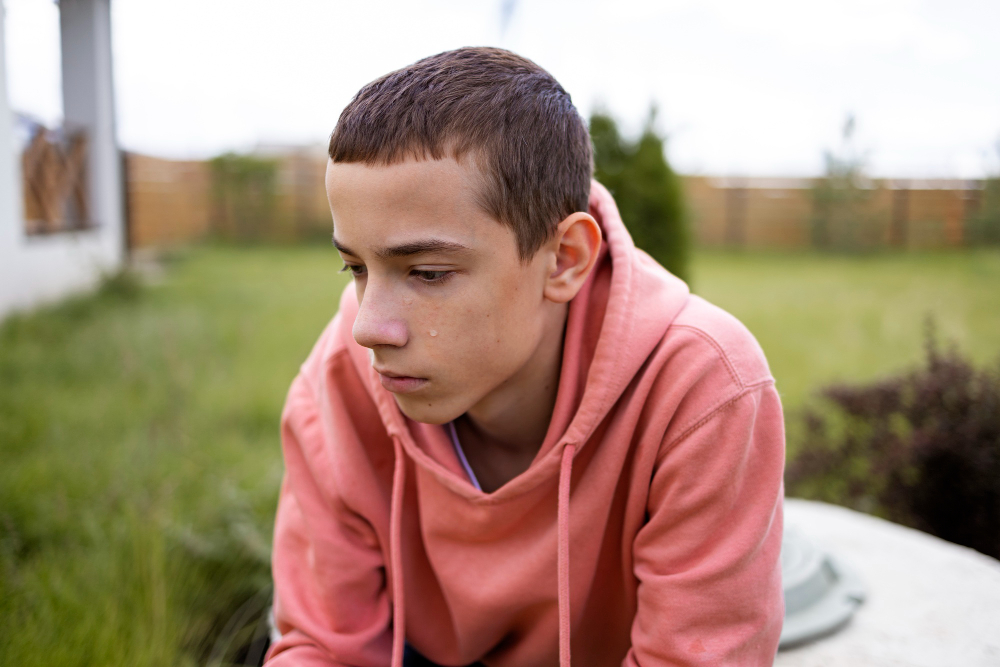
No school at all is better than what he endured. That’s the truth I need to say out loud.The harm was not abstract. It was daily, specific, institutional. The classroom was a place where his distress was normalised.Where his needs were pathologised, and his presence was treated as a problem to be managed.He was punished…
-
The problem with the appeals process
When something goes wrong at school—when a child is excluded, harmed, or unsupported—families are told to “work it out with the school first.” That sounds reasonable on paper. But in practice, it’s vague, unstructured, and often retraumatising. I’ve gone through the Vancouver School Board (VSB) appeals process more times that I’d wish upon anyone. Here’s…
-
When school discipline undermines trust at home
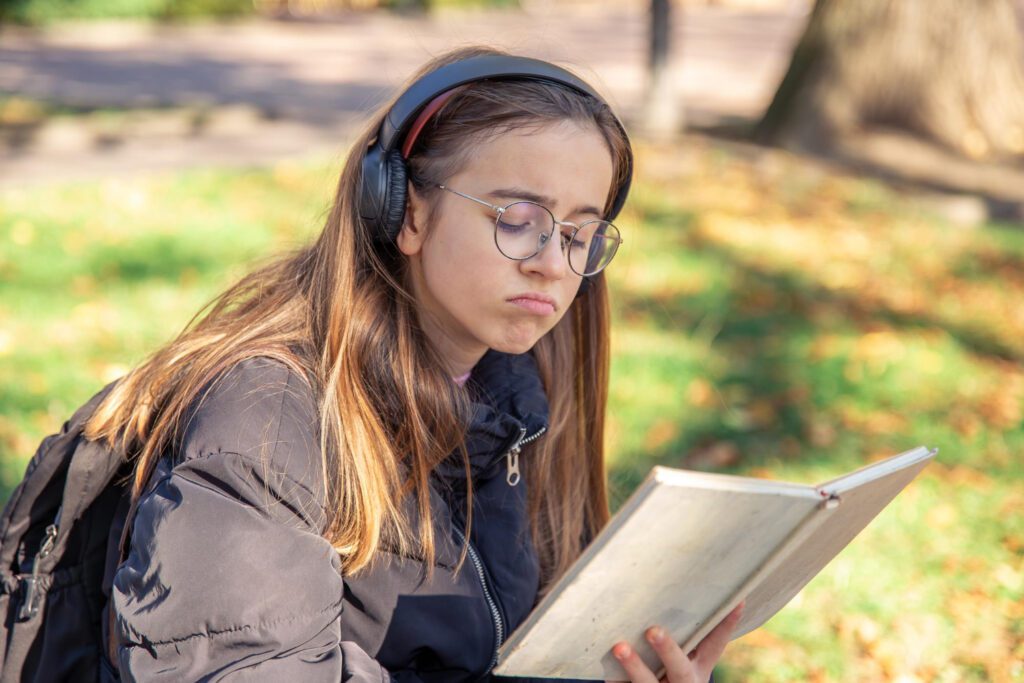
There’s a problem in our schools. You’ll see it on a child’s face when they come home. You’ll hear it in the way they describe something that left them feeling humiliated, angry, or confused—and often, all three at once. It happens when school staff use discipline strategies that completely contradict the values a student has…
-

On moral injury and collective punishment
I did not want to file a complaint. I still don’t—not in the sense that people imagine, with anger or vengeance or a desire for punishment. What I wanted, what I asked for again and again with patience and clarity and increasing despair, was for the district to acknowledge that collective punishment is not just…
-

Rot at the root: Why POPARD must be dismantled from the top down
When I first objected to the strategies POPARD proposed, I tried—truly—to assume good intent: that if I just gave them the right information, the clearest language, the most generous interpretation of their mandate, they would course-correct and stop pushing reward charts onto an already-traumatised child. I wrote careful emails, cited the psychologist’s diagnosis, offered specific…
-
The high stakes of understanding PDA
Pathological Demand Avoidance (PDA) might sound like just another clinical term, but for many families it represents a daily struggle that is anything but trivial. PDA is a profile on the autism spectrum characterised by an extreme, anxiety-driven avoidance of everyday demands, even those the child wants to comply with drdonnahenderson.com reframingautism.org.au. This isn’t mere stubbornness or “bratty” behaviour – it’s a…
-

Dear other mom, I’ve got a few things to say
I know you’re trying not to make it worse. You write the careful email. You show up composed. You give everyone the benefit of the doubt. You try to keep the tone warm, even when your stomach turns. You’re doing everything you can to stay in the conversation—because you believe that if you’re reasonable, they…
-

Support is a bridge
What happens when schools pretend the bridge is whole. The appearance of help “She gets check-ins from the area counsellor once a week.”“We’ve made sure the classroom teacher is aware of her IEP.”“We’re doing everything we can within the current resources.” These are the phrases they recite—softly, professionally, as though reassurance were a substitute for…