

Frameworks and tools
This category includes both the institutional tools commonly used in schools — like PBIS, Zones of Regulation, behaviour charts, and safety plans — and the counter-tools developed by families, advocates, and allies. It explores how frameworks shape power, perception, and participation: whose needs are centred, whose behaviours are corrected, and whose values are embedded in the system. From state-sanctioned protocols to radical alternatives, these are the mechanisms through which control is asserted or challenged — and the blueprints we use to navigate, disrupt, or remake the rules.
-

Why we’re tracking collective punishment across Canada
In classrooms across this country, children still lose recess for things they didn’t do. Field trips are cancelled because someone else acted out. Privileges are revoked—en masse—because a teacher felt the group needed a lesson. These are not isolated incidents. They are symptoms of a widespread practice known as collective punishment: the disciplining of a group…
-
On far gone conclusions and participating in a school district’s accessibility committee
You called it collaboration. We recognised the smell of extraction. The invitation: dressed in equity, padded with keywords You summoned us to assist. You issued invitations laced with keywords—barriers, co-design, lived experience, equity—an enticing academic dialect for what turned out to be unpaid policy laundering in a branded container. You framed it as collaboration, spoke…
-

Barriers in the process mirror the barriers we named
We gathered to name the obstacles—but the process itself became one of them. The same systems that silence us replicated themselves in real time, even as we tried to describe their harm. The process was a case study in itself We were invited into a session to name the barriers we faced—attitudinal, structural, policy, communicational,…
-
What collaboration really means
You cannot ask for collaboration after the structure has been built. If the goals are fixed, the roles already assigned, the rules already written, then what you are offering is participation. Not partnership. Participation is not collaboration Too often, institutions conflate involvement with influence, as though inviting someone into a process late—after the budget is…
-
How I learned to go first
I once worked in a place where we were asked to introduce ourselves using Pecha Kucha—a rapid-fire storytelling format built around images and timed narration, ten minutes of revelation under pressure. Unfortunately, when the team building day arrived, they called on me first, to do my presentation. With no warning, no scaffold, no gentle framing to…
-

Introductions are an access issue
Every structure carries weight. And when you ask us to begin with a name and a smile, but offer no container for safety, you are asking us to choose between authenticity and self-preservation. What seems simple is often a site of harm For people whose presence in institutional space is routine and unremarkable—those whose titles…
-
Don’t wait until the lawsuits
By the time harm becomes legally actionable, it has already become unbearable. If people are still talking to you, they are still hoping you will change. Institutions often ask the wrong question When institutions receive stories of harm—when a parent names systemic exclusion, or a student speaks quietly of despair, or a staff member shares…
-

Ego has no place in accessibility
This work requires transformation, not performance. Your legacy is not what you protected. Your legacy is what you changed when you were told it was failing. Leave your laurels at the door Accessibility work is not about legacy preservation. It is not about titles or tenure or whether your department once won an innovation award…
-
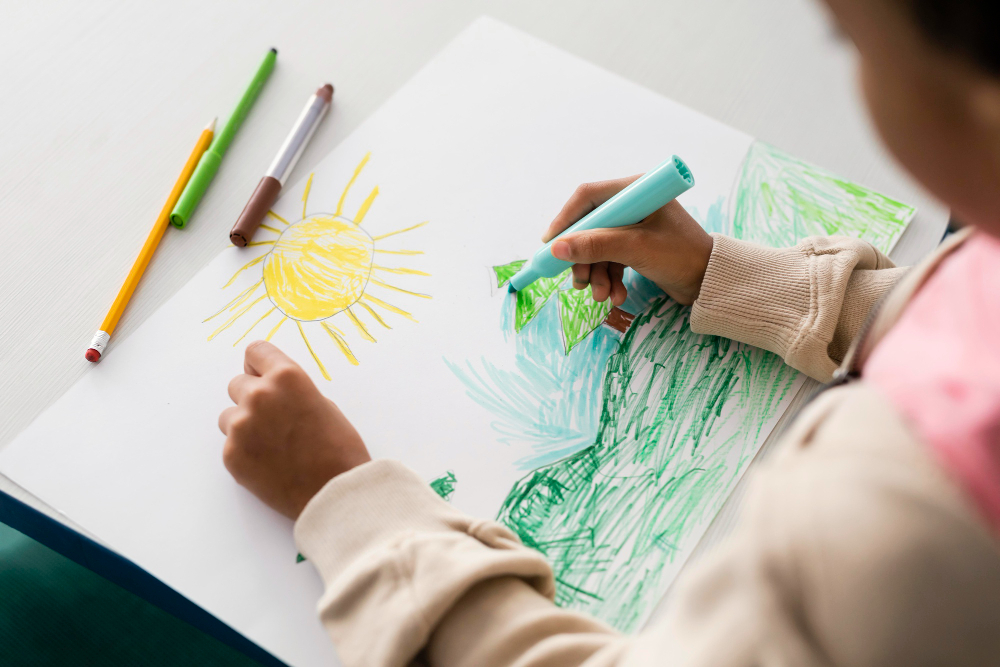
We must start with an acknowledgement of harm
Before we talk about solutions, or even feelings, we must name what has been done. We begin in the wreckage When an institution convenes a committee to explore accessibility, equity, inclusion, or anything vaguely shaped like justice, it often opens with a bright, empty cheerfulness—a blurb about building community, a land acknowledgement read like punctuation,…
-

Suspending justice: What ethics can (and can’t) teach us about school discipline
In 1993, educator Martha Johnson conducted a simple but telling experiment. During a professional development session for principals and vice-principals in southern Alberta, she handed out a fictional case study: a student, suspended. Participants were asked to reflect on whether the decision was ethical—before and after being introduced to an ethical decision-making framework. What changed wasn’t the facts…
-

A survival guide for children in schools that don’t keep them safe
“If no one listens, go to the bathroom and call me. I will always come.” This isn’t just parenting. It’s crisis management. When schools become unsafe—when accommodations are denied, when support staff are missing, when harmful adults are brought back again and again—families like mine develop our own protocols. We build them from repetition, from…
-

Fight flight fawn freeze: surviving school
There are children who throw chairs when cornered, children who slip quietly out the door or hide behind the portable, children who don’t speak for hours, who go limp, who answer every question with “I don’t know,” and children who nod and smile and say “okay” to everything—until they collapse at home, trembling and broken,…
-

How to talk about collective punishment: a conversation guide
This guide is for anyone who wants to help shift thinking around collective punishment in schools. It includes practical, respectful ways to respond when you see or hear something troubling — even if you’re not in a position of authority. Use it to plant seeds, ask good questions, and name harm without assigning personal blame.…
-

The moral cost of leaving children in fight-or-flight
Robin was eleven the day he fell and came up swinging. It was recess, and something had happened—a misstep, a bump, a collision on uneven ground. His body hit the pavement. And when he rose, disoriented and humiliated, the first thing in his path was his best friend. So he struck him, over and over.…
-
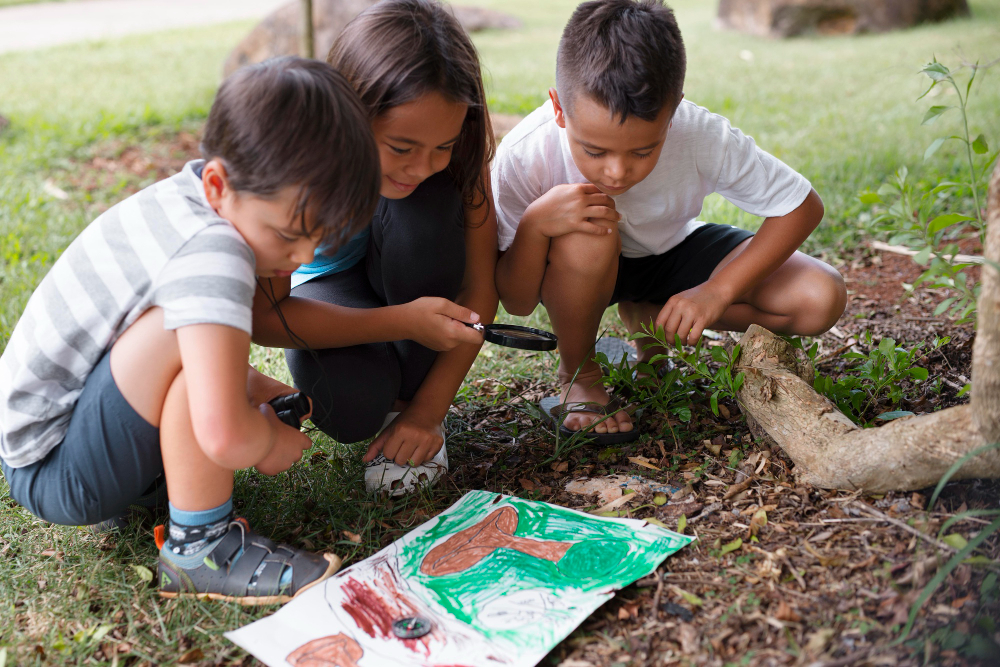
What would it really cost to fix the problem?
We talk so much about the cost of inclusion—as if it’s indulgent, optional, something that must be justified—but we rarely talk about the cost of exclusion. And those costs are everywhere: in emergency rooms, in overburdened case files, in classrooms where distress goes unseen. When schools can’t support disabled students, families fall apart trying to…
-

Advocacy toolkit: resources for families navigating school harm
Some of us arrived at advocacy slowly—one red flag at a time. Some of us were pushed into it suddenly, when everything fell apart. Some of us have been writing emails in our heads for years. Some of us are just now finding the words. Wherever you are in the process, this toolkit is for…
-

IEP goals we actually believe in mostly (even though we wish they didn’t exist)
Let’s get this out of the way: we hate IEP goals !!!! If you’re a parent who hears the phrase “IEP goals” and feels your stomach drop, you’re not alone. Most of us have seen goals that are vague, punitive, performative, or downright absurd. Goals that don’t reflect our children. Goals that seem more concerned…
-

Language to start a revolution
Our library of tips offers a concise, alphabetically organised toolkit for recognising and challenging the systemic forces that shape student experiences in British Columbia’s public schools.
-
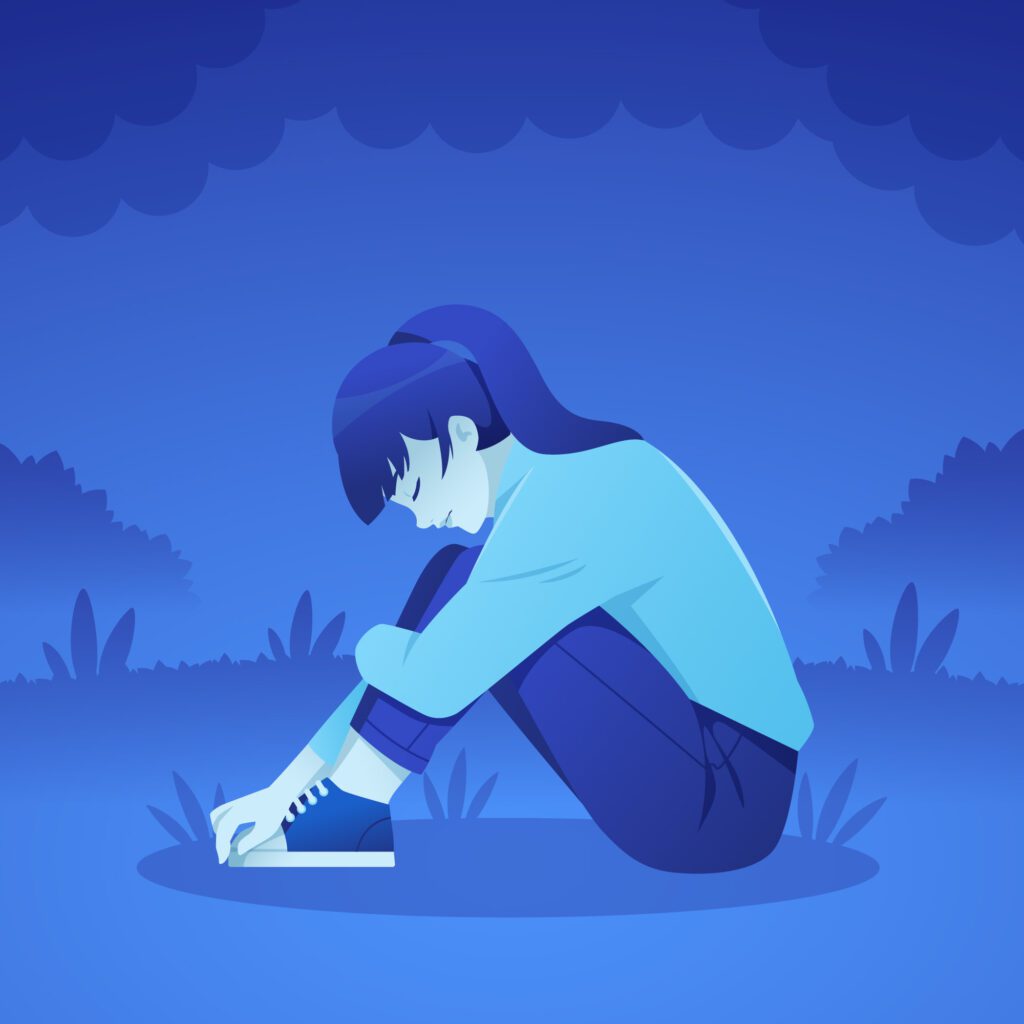
How narcissism and PDA collide in the wreckage of trust
Some children refuse control because control has always felt like violence. Because control has worn the face of love and left behind a residue of shame. Because adults said, “this is for your own good” while ignoring tears, violating autonomy, and insisting that compliance was safety. For these children, especially those with a PDA profile,…
-
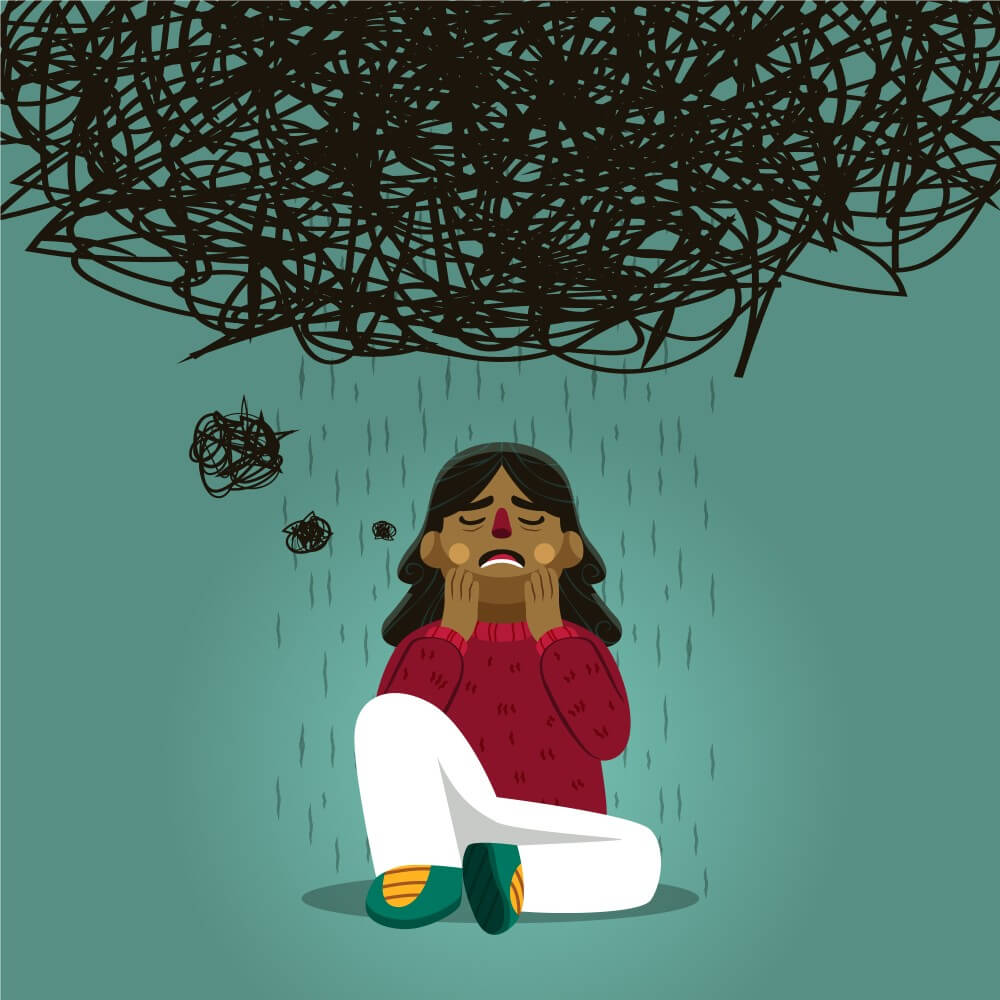
Introducing the school finder: making it easier to act
If you’ve had more than enough of your child coming home crying due to collective punishment, we have a solution: today, we are launching a new tool designed to help families, advocates, and educators challenge collective punishment in British Columbia schools. The school finder makes it easy to search for your child’s school and take immediate action.…