

Neurodivergence
Concepts and lived experiences related to autism, ADHD, sensory processing, masking, executive functioning, and other neurodevelopmental traits.
-
Suspending justice: What ethics can (and can’t) teach us about school discipline
In 1993, educator Martha Johnson conducted a simple but telling experiment. During a professional development session for principals and vice-principals in southern Alberta, she handed out a fictional case study: a student, suspended. Participants were asked to reflect on whether the decision was ethical—before and after being introduced to an ethical decision-making framework. What changed wasn’t the facts…
-

I have thought about writing her a letter
I have thought about writing her a letter—something long and deliberate, something shaped by memory and moral clarity, something that names what occurred and places it in her hands before the door finally closes. The idea moves through me with a kind of gravitational pull, neither urgent nor calm, just pressing and circling. I return…
-

Institutional gaslighting of caregivers
You refuse to forget, because forgetting would mean abandoning your child’s reality—and you have already watched too many adults do that with a straight face and a professional tone. You refuse to downplay what has happened, because the harm is not theoretical—it lives in your child’s nervous system, in her school avoidance, in her refusal…
-
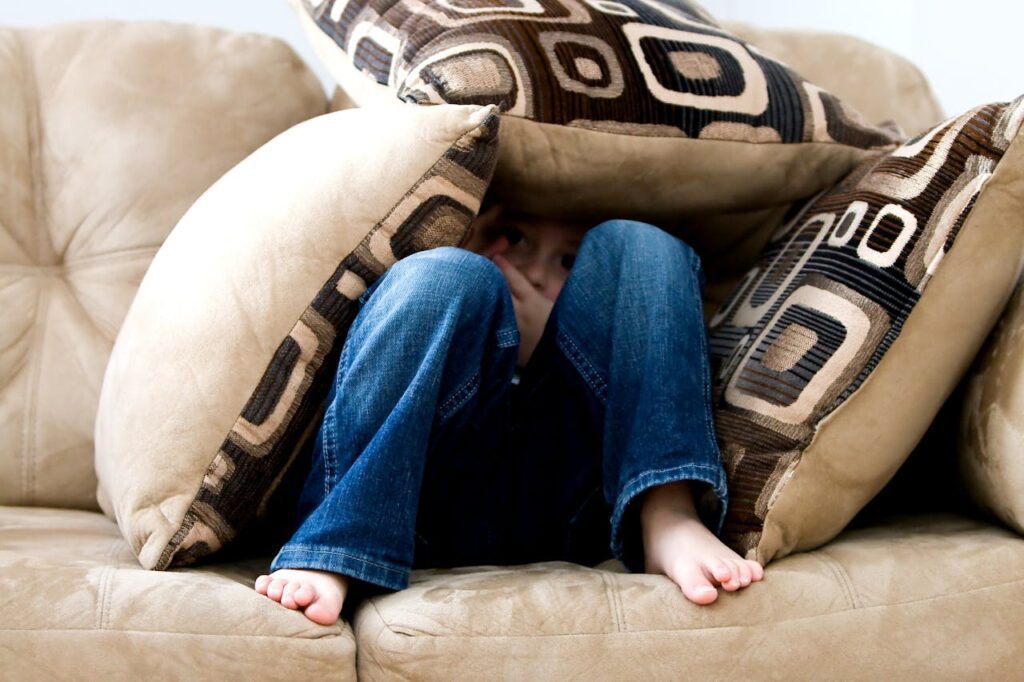
What replaced the strap in Canadian schools?
They took the strap away—or at least, they removed the physical instrument, the leather loop of institutional discipline that had once been the sanctioned mechanism of control in classrooms across the country. Even if we never felt it on our own skin, we knew what it meant; we had heard the sound of it slapped…
-

Summer school blues: on being excluded from the gifted program
In the spring of 2018, I applied to the Vancouver School Board’s summer Gifted/Challenge Program for my twins, Jeannie and Robin, who had just finished kindergarten and were, in different ways, already outpacing the curriculum. Robin was already captivated by the ancient world—particularly Egypt, with its pyramids, its rituals, its mythologies of death and continuity,…
-
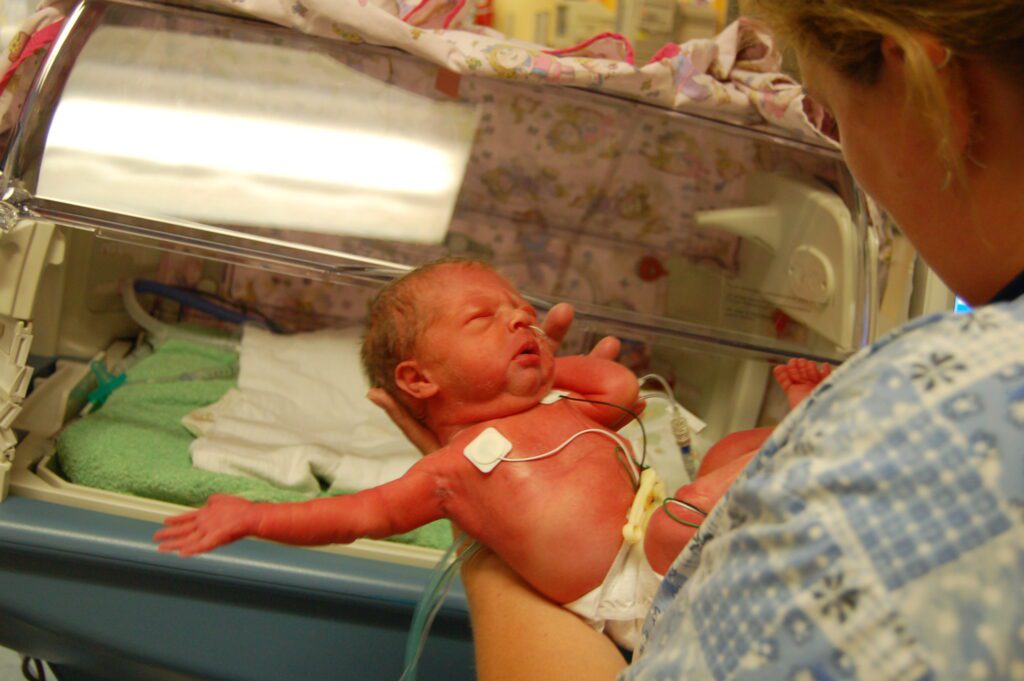
On free IVF: love and systemic neglect
BC is funding IVF, but not the care children need once they’re born. Love is enough. The system isn’t. This is betrayal dressed as hope.
-

Columneetza Junior Secondary (SD27 Cariboo‑Chilcotin): a neurodiversity‑informed conduct critique
Columneetza Junior Secondary School 2024-2025 Code of Conduct affirms a mission of fostering respect, individual growth, and a sense of belonging within both school and community. It names safety, caring, and order as essential conditions for “purposeful learning.” The document outlines rights, responsibilities, and behavioural expectations for students and broader school actors, including parents and…
-
How narcissism and PDA collide in the wreckage of trust
Some children refuse control because control has always felt like violence. Because control has worn the face of love and left behind a residue of shame. Because adults said, “this is for your own good” while ignoring tears, violating autonomy, and insisting that compliance was safety. For these children, especially those with a PDA profile,…
-
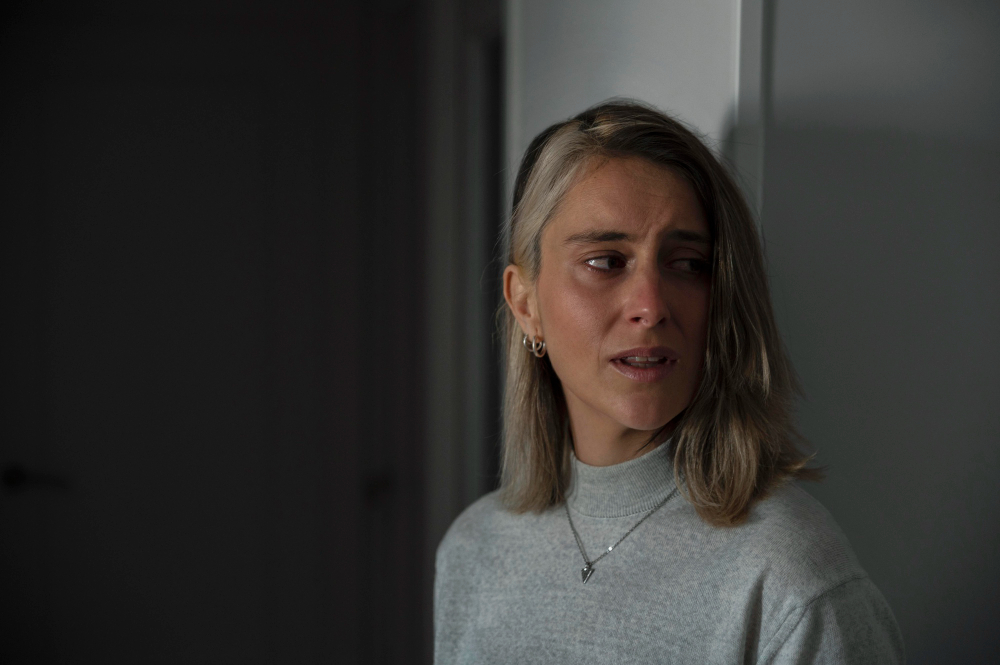
How public education discriminates against PDA children through performative care
On Thursday, I changed my work calendar, after suffering a nervous breakdown the night before. On Wednesday, I had 7 meetings in one day, stacked with half-hour gaps. Almost every meeting ran long and I held my pee for 4 hours and my dog pooped on the floor. I had things to accomplish and they…
-

There’s no such thing as unexpected behaviour
This piece was hard to write. It holds my grief. It documents not only what happened to my child, but how systems made it worse by pretending to be surprised. I share it because too many families are made to carry this alone. Every time I see the phrase unexpected behaviour in a school document, a safety…
-

Make it weird, meet the curriculum: a parent’s guide to joyful, inclusive PE
British Columbia’s Physical and Health Education (PHE) curriculum emphasises holistic well-being—physical, mental, and social—and recognises that a one-size-fits-all approach can alienate students. Simply providing generic activities without personalisation can be counterproductive if students fixate oqn their weaknesses and develop a negative view of movement or of themselves. The BC framework encourages teachers to respond to…
-

Coerced sibling care in public school inclusion
The school saw twins and imagined comfort. What they created instead was coerced care—using my daughter’s body to regulate her brother without consent, without safety, and without repair.
-
The high stakes of understanding PDA
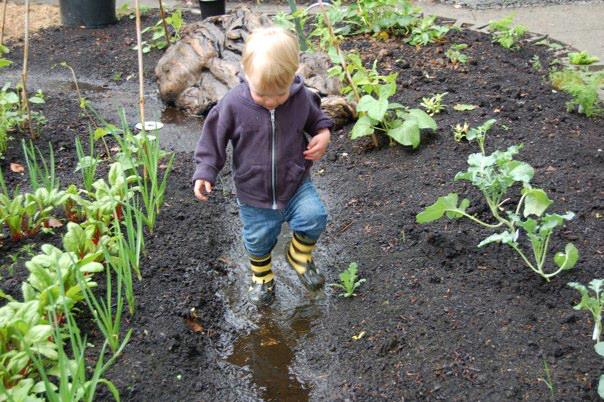
Pathological Demand Avoidance (PDA) might sound like just another clinical term, but for many families it represents a daily struggle that is anything but trivial. PDA is a profile on the autism spectrum characterised by an extreme, anxiety-driven avoidance of everyday demands, even those the child wants to comply with drdonnahenderson.com reframingautism.org.au. This isn’t mere stubbornness or “bratty” behaviour – it’s a…
-

He doesn’t go from zero to sixty
“He’s not a car,” I said, exasperated, after someone described Robin as going from zero to sixty. The withering look I received in return was pure disgust—as though I had interrupted a sacred adult ritual, as though I may as well have had a huge boil in the middle of my forehead, oozing pus. But…
-

Dear other mom, I’ve got a few things to say
I know you’re trying not to make it worse. You write the careful email. You show up composed. You give everyone the benefit of the doubt. You try to keep the tone warm, even when your stomach turns. You’re doing everything you can to stay in the conversation—because you believe that if you’re reasonable, they…
-

The space between my brain and the page
My parents never sent me to kindergarten, so when I started first grade, it was a bit mysterious to me. I had been living on the side of a mountain, chasing garter snakes, and picking wild strawberries. While the class attempted to learn the alphabet, my parents had already been reading chapter books to me…
-

Parenting through gaslighting and grief
In the early days, our relationship was luminous, almost feverishly bright with attention and agreement and what I understood then as love—its intensity, its precision, the way it seemed to reach for every part of me, even the parts I kept hidden, even the ones I feared were too strange or fragile to show. I…
-

How to smell a rat: spotting fake neurodiversity-affirming programs
Not everything wrapped in soft colours and “nervous system” talk is safe. In a post-ABA world—or at least a world where ABA has learned to change its clothes—many school districts, parent training programs, and private providers now claim to be “neurodiversity-affirming.” They use the language of trauma, talk about connection, and sprinkle in phrases like…
-
Pathological Demand Avoidance (PDA)
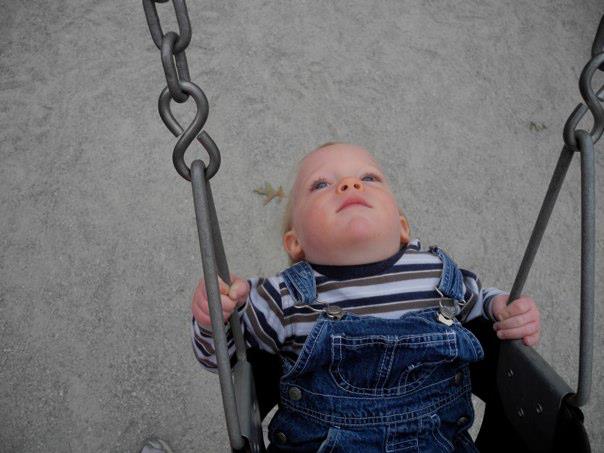
Pathological Demand Avoidance is a neurobiological profile of autism rooted in anxiety, autonomy, and nervous system threat perception. For children with PDA, even simple requests can register as danger. A question, a suggestion, a cheerful invitation—all of these may activate a survival response, because the child’s nervous system experiences demand as threat. When this pattern…
-

What families learn from the inside of exclusion
We weren’t trained for this. We were not briefed, warned, or prepared. We entered the public school system, bright-eyed and bushy-tailed, like most parents do—with trust, with hope, and with a belief, however weathered, in the promise that schools would try to do right by our children. What we didn’t understand was how quickly that…