

Neurodivergence
Concepts and lived experiences related to autism, ADHD, sensory processing, masking, executive functioning, and other neurodevelopmental traits.
-
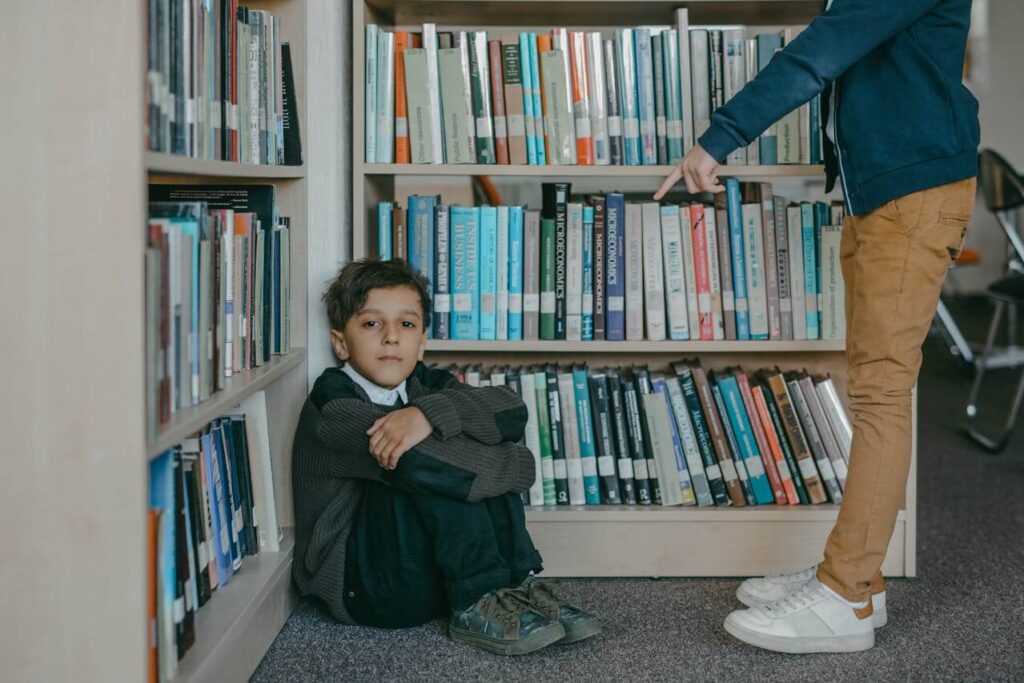
When schools say a child went from “zero to sixty”
Let’s rip the mask off this polite, professional charade: when schools say a child went from “zero to sixty,” they are lying to protect themselves. They are covering for the adults who ignored every warning, missed every signal, and left a child to be harassed, baited, and humiliated until their nervous system screamed for survival.…
-

The brutal truth about schools weaponising therapy to deny your child’s rights
Schools are weaponising therapy as a gatekeeper to support—forcing parents to “prove” worth through endless interventions while shielding systemic harm. The system is broken, not our children.
-

ADHD and autism aren’t phases
We don’t expect a wheelchair user to “earn” the right to walk by graduation. We don’t tell a student with diabetes that the goal is to get off insulin. And yet, in schools across our district, support for autistic and ADHD students is treated like a ladder they’re supposed to climb once and throw away…
-
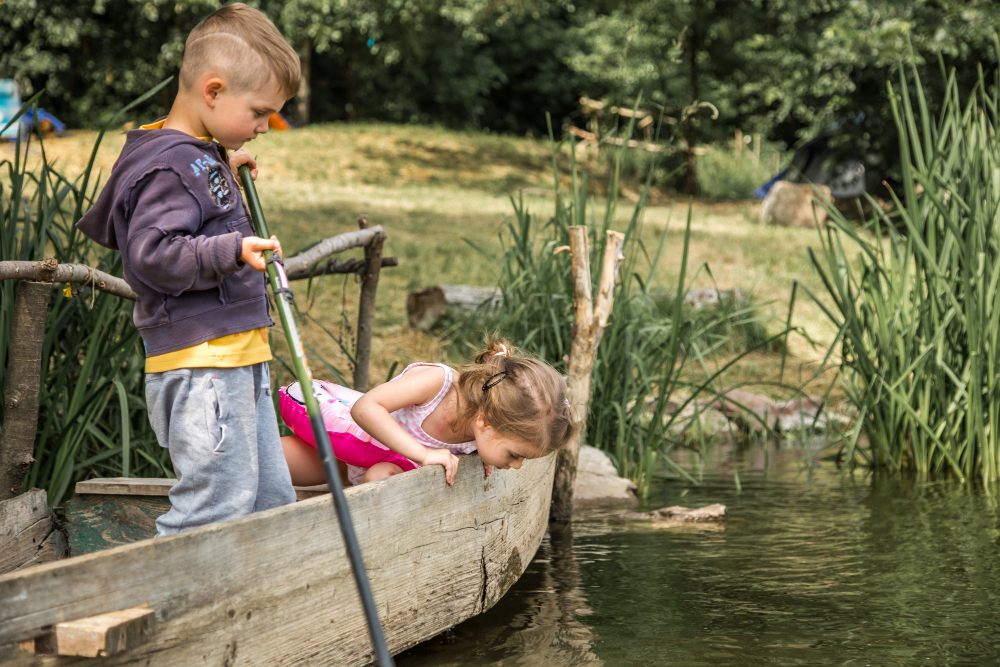
Our goals are not the same: ableism in bc public school
I want my children supported to grow and learn; schools uphold ableism by demanding they mask compliance or feign helplessness for support.
-
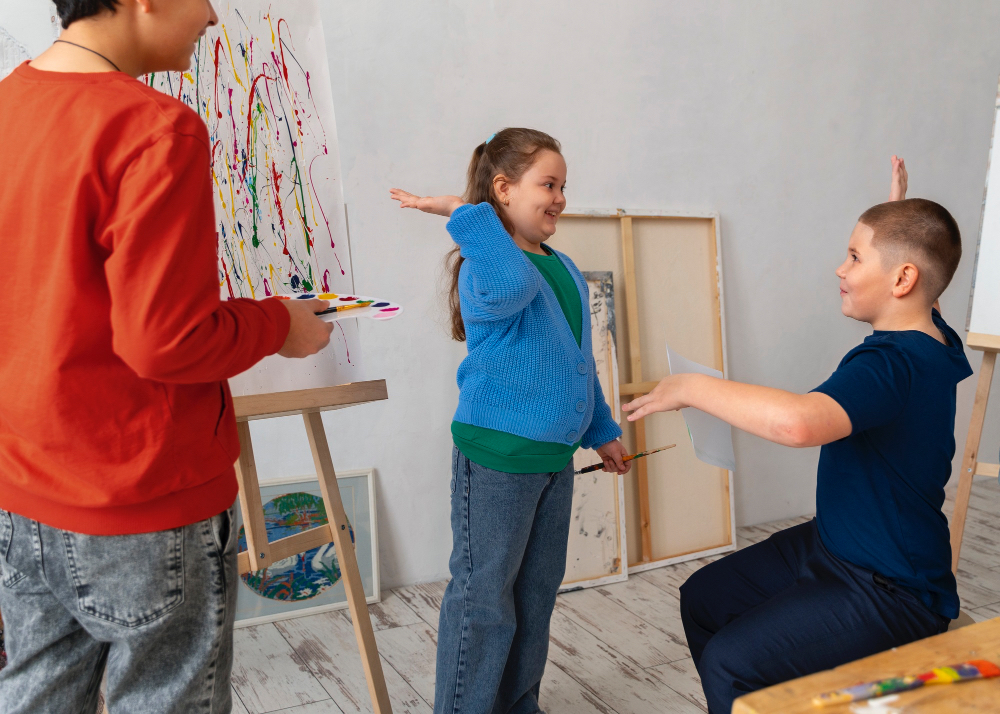
Coercive proceduralism, bandwidth theft, and the colonisation of neurodivergent childhood
Families of neurodivergent children are often coerced into endless therapy to access school support—yet the harm lies in the institution, not the child. This essay explores how coercive proceduralism and bandwidth theft turn care into compliance, and why rest, not more intervention, may be the most honest path to healing.
-
Collective punishment: how schools displace guilt, erase harm, and preserve the collective
One of the things that was so traumatising about the collective punishment that was callously perpetrated against my daughter was the light and evasive tone of the principal. She said that the punishment had to be “swift.” I frequently wondered about the choice to psychologically wound disabled children while treating the infliction of that wound…
-

Maternal grief, public ritual, and the refusal to behave at the IEP table
I have walked into these rooms again and again—across years, with new principals, new case managers, additional complaints filed, subsequent appeals launched, IEPs dusted off and redrafted in the same language that failed last time. The faces change but the ritual remains. Seven professionals already seated, already laughing, already casually shaking off their last meeting…
-
Epistemic silencing of disabled children’s primary caregivers
Epistemic silencing in BC schools discredits mothers’ knowledge, reframes advocacy as aggression, and erases disabled children’s pain, leaving families punished for truth.
-
How schools weaponise growth against disabled students
In the architecture of public education, few concepts are more universally praised—or more fatally misunderstood—than independence. Cloaked in progressive language about agency, resilience, and growth, the independence mandate is often wielded less as a vision for liberation than as a strategy of withdrawal. For disabled students, particularly those who have learned to endure, mask, or…
-

Joy is rationed for disabled kids in school
When disabled children are excluded from field trips, they are being punished for their needs. These joyful, formative experiences become conditional—offered only to those who mask well, follow rules, and cause no disruption. In British Columbia, this widespread practice violates both law and conscience. Inclusion that ends when the bus departs is not inclusion at…
-
Thriving beyond survival: neurodivergence, environment, and disability justice
Every person’s ability to thrive is deeply shaped by their environment. None of us are our best self in a room starved of oxygen – in other words, even the healthiest individual would struggle in an inhospitable setting. This truth is magnified for neurodivergent people (such as autistic, ADHD, or otherwise neurologically atypical individuals) who often face…
-

Confident Parents, Thriving Kids—unless you’re autistic
Why school systems should reject behaviourist programs disguised as mental health support. Our daughter was melting down almost every day after school. She would cling to me at drop-off like she was drowning—like she had to hold onto me or she would lose herself, unable to breathe, unable to bear it. She was already telling…
-
The unseen wounds of advocacy: caregiver burnout, moral injury, and embodied grief
Caregiver burnout in BC schools reflects moral injury and systemic betrayal, as mothers fight exclusion and harm while advocating for disabled children.
-

Non-coercive, trauma-informed alternatives to PBS/ABA in BC schools
Positive Behaviour Support (PBS) and Applied Behaviour Analysis (ABA) are behaviourist approaches widely used in schools to manage student behaviour. However, a growing chorus of neurodivergent advocates, educators, and researchers highlight that these methods often prioritise compliance and “normalising” behaviour over student well-being rcpsych.ac.uk. By focusing on making neurodivergent children appear neurotypical (meeting neuronormative standards), traditional PBS/ABA can…
-

The history of this website
What began as one mother’s refusal to accept the institutional cruelty of collective punishment has grown into a vast, strategic, and emotionally searing archive—a living infrastructure of truth-telling and resistance, built from grief, fuelled by clarity, and shared in solidarity with every family navigating harm inside a system that punishes children for being disabled.
-
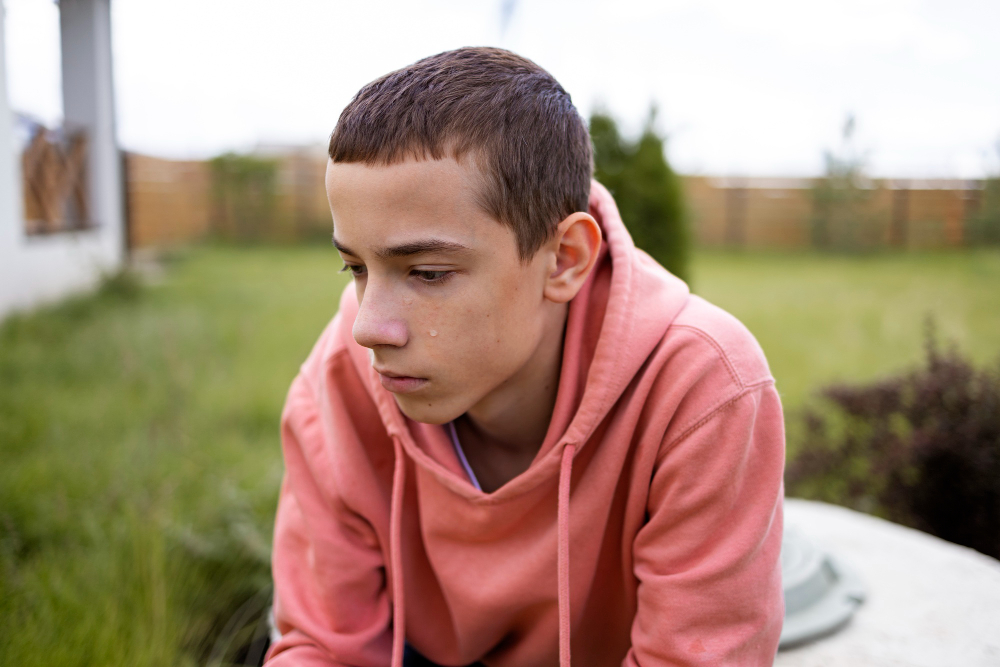
Debility versus disability: what the system cannot acknowledge
My son Robin took to bed two weeks before March break. He had been soldiering on through the aftermath of a school transfer the district assured us would help him, though his body told me otherwise from the first day he arrived. I’ve seen that kind of shutdown before—at camp, at birthday parties, in classrooms…
-
I only asked for gentleness: on parenting a PDA child in a punishing world
There is a certain kind of child—intuitive, emotionally articulate, wired with a startling perceptiveness about power and tone, about coercion and choice, about the invisible terms of adult authority—whose presence in the classroom becomes, almost immediately, a threat to the institution’s rhythm, a disruption to its hierarchy, a mirror held up to its limitations.
-

How I learned to go first
I once worked in a place where we were asked to introduce ourselves using Pecha Kucha—a rapid-fire storytelling format built around images and timed narration, ten minutes of revelation under pressure. Unfortunately, when the team building day arrived, they called on me first, to do my presentation. With no warning, no scaffold, no gentle framing to…
-
Poise as pedagogy
There is a cost to composure that institutions never count. When schools reward mothers for staying calm in the face of harm, they turn grace into a gatekeeping tool and punish those who dare to grieve out loud.
-
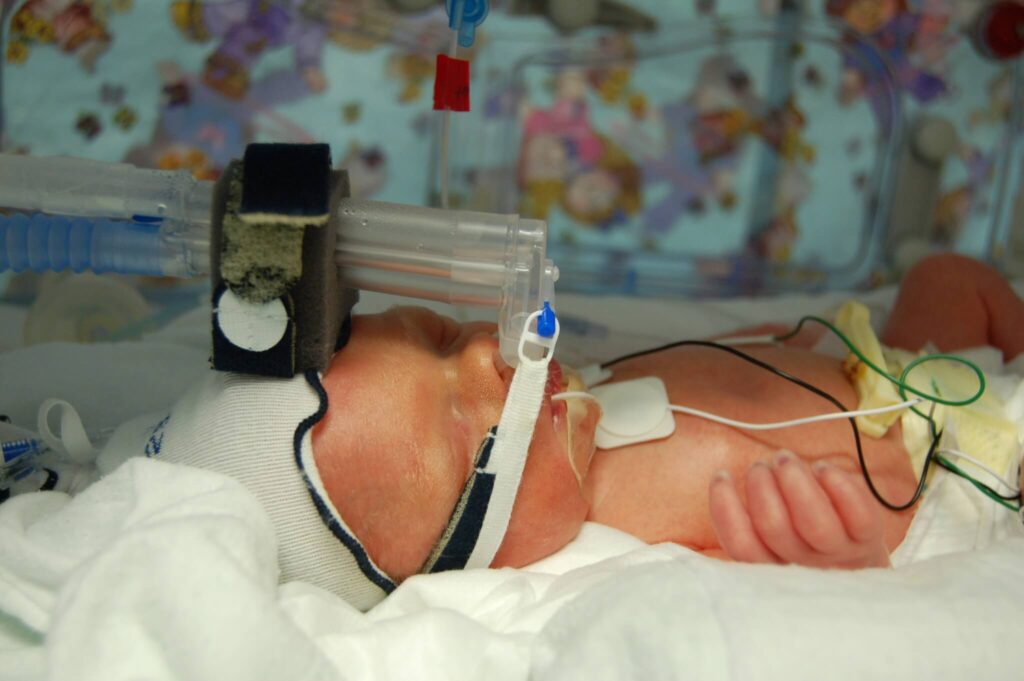
Bound by blood
Maternal embodiment and the unbearable violence of institutional disbelief. We were once one body There is a biological, emotional, and moral reality so fundamental that no policy manual can contain it, and no professional training can domesticate it—my child once lived inside me. His limbs pressed against my ribs before they ever touched the outside…