
Neurodivergence
Concepts and lived experiences related to autism, ADHD, sensory processing, masking, executive functioning, and other neurodevelopmental traits.
-
Why disabled kids are missing more school than peers
Tara Carman recently wrote an article about rising absences from school and suggested that the trend may be linked to a growing mental health crisis: Why are so many kids calling in sick for school? That explanation captures part of the reality, yet it overlooks a parallel and far more specific pattern that many families…
-
On euphemisms, PDA, and the rebranding of autism
When I look back on the early years of coming to terms with autism in our family, I understand the urge to rebrand it. The word autism lands hard at first. It sounds clinical, final, filled with sadness, injury, bad smells, and bleak prospects. In that first stage of reckoning—when your mind keeps circling what you imagined…
-

The role of infighting in maintaining scarcity, hierarchies, and exclusion
This piece is unfinished, but it feels necessary. I am still learning how to move through anger toward something that might resemble repair or solidarity. I am not writing a strategy or a manifesto; I am writing what I see, what keeps happening, and how it feels to live inside it. The truth, when spoken…
-

Counting crisis: data, distrust, and the false choice between safety and inclusion
Across British Columbia, the launch of Surrey DPAC’s Room Clear Tracker has ignited a storm of debate among parents, educators, and disability advocates. Some view it as a necessary step toward transparency; others fear it will reinforce stigma or justify segregation. Beneath the surface of this argument runs a deeper fracture—between those who seek safety…
-

The longest deployment: sending my son to school
A reflection on maternal vigilance in a system that demands composure while inflicting harm. This essay follows a mother’s daily act of sending her autistic son into an environment that equates obedience with virtue and endurance with progress. It traces the quiet moral injury of cooperating with institutions that repeatedly harm the children they claim…
-
A war on joy: discipline, obedience, and the disabled body
An examination of how education absorbs military and capitalist values—discipline, endurance, and efficiency—until joy becomes a threat to order. This piece argues that the rationing of joy for disabled students is both an ethical and structural failure, transforming learning into control and endurance into a false measure of worth.
-

In genocide and the classroom: the routinising of distress
A meditation on how institutions train people to ignore suffering—how desensitisation, scarcity, and forced optimism erode empathy and make harm seem ordinary.
-

The Deetken problem: $335,400 to review programs they have no expertise evaluating
The Ministry paid Deetken Enterprises Inc. $335,400 across four contracts to conduct reviews of: See Ministry of Education and Child Care – Contracts over $10,000 CAD Deetken Insight (the company’s consulting arm) is a Vancouver-based management consulting firm specializing in economic modelling, business transformation, complex procurement, and labour market analysis—areas entirely unrelated to education, adolescent psychology, neurodevelopmental…
-
When righteousness and safety diverge
Every parent who becomes an advocate stands at the threshold between justice and protection. We enter the arena to make things better, yet the fight itself can wound the very children whose pain brought us here. There is always a moment—quiet, terrible—when the pursuit of systemic change begins to scrape against the body of a…
-

Starving the future: how underfunding and poor education policy are functionally eugenics
From the safety of our northern vantage, it is easy to feel heartbroken and a little superior when we watch the dismantling of the American social welfare state—when we see libraries defunded, schools privatised, and healthcare withdrawn with brutal efficiency. We shake our heads at the cruelty of it, believing ourselves buffered by decency or…
-
25 ways AI can encourage critical thinking and make your classroom more accessible
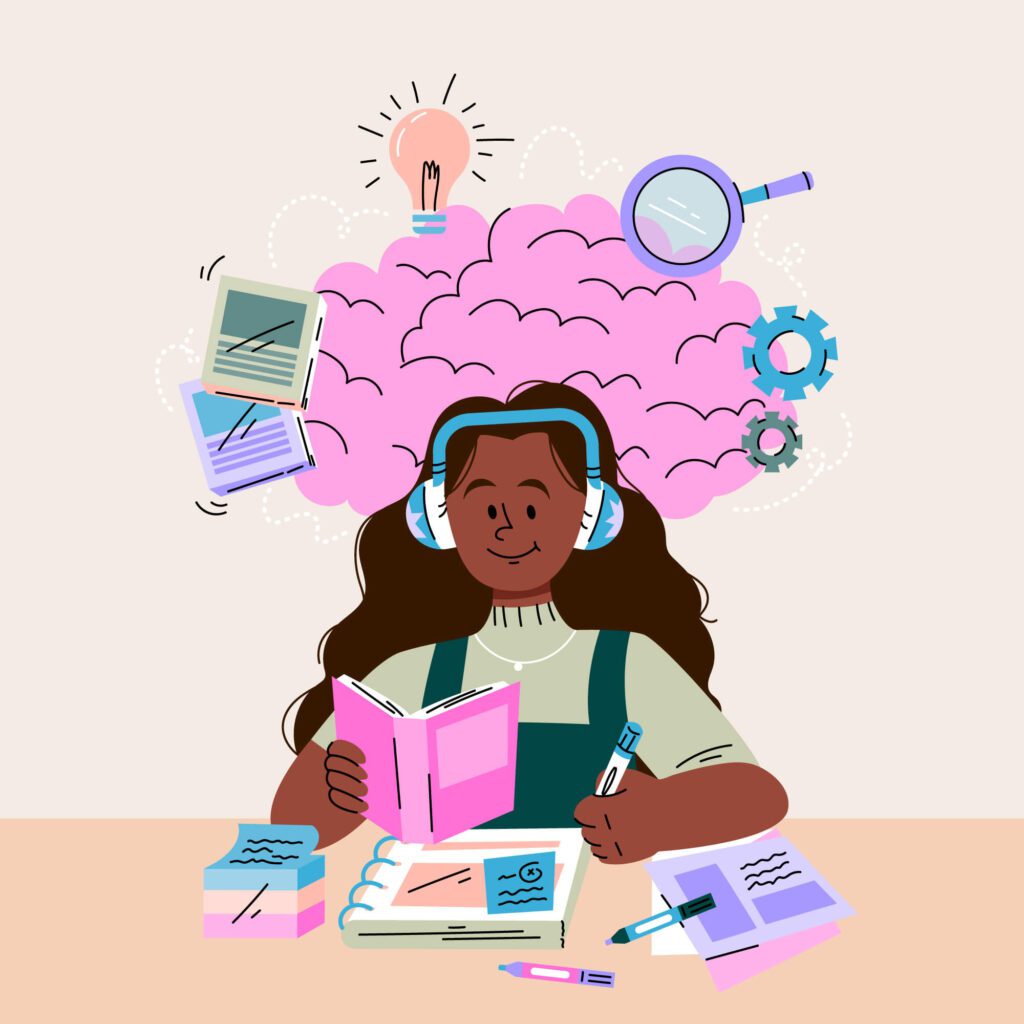
Educators have spent the last two years debating whether artificial intelligence belongs in the classroom, as though it were still possible to close the door on the tidal shift already transforming how children read, write, and think. Large language models (LLMs) are not a novelty—they are a new infrastructure for thought, capable of flexing around…
-

Parents are responsible for the collapse of discipline ideology at school
The dominant narrative in staff rooms and comment sections insists that discipline has collapsed because parents no longer “back up the school.” This explanation comforts institutions and shames families, yet it misunderstands the architecture that once made discipline appear effective. What is collapsing is not parenting. What is collapsing is the total environment that once…
-

North Okanagan-Shuswap (SD83): a neurodiversity-informed policy critique
School District 83’s Policy 310 Student Code of Conduct, amended December 14, 2021, presents itself as a framework for “safe, respectful, and inclusive learning and working environments for all members of its school communities.” The policy commits to restorative approaches, acknowledges that consequences should be “preventative and restorative in nature,” and states explicitly that “appropriate…
-

Interpersonal neurobiology as a neurodiversity-affirming framework
Interpersonal neurobiology (IPNB) offers a generative way to understand children’s nervous systems, because it treats development as an emergent, relational process shaped through safety, attunement, and repair, and this orientation produces a worldview in which difference is interpreted through physiology and experience rather than compliance or performance. IPNB proceeds from the understanding that minds evolve…
-

Urgent behaviour intervention teams in major BC school districts
Across British Columbia, many school districts have developed internal teams or programs designed to respond to urgent behavioural situations—such as elopement, aggression, or significant dysregulation—particularly when students are perceived as posing a safety risk or disrupting the learning environment. While these interventions are often framed as supportive or inclusive, families report that they can feel…
-

Fuck your independence dogma
How schools use ‘self-reliance’ to justify abandoning disabled kids. They told me my daughter needed to build her tolerance for the classroom without support. They waxed endlessly about how she wouldn’t want support in high school—ignoring that my daughter had been very clear that she does, in fact, want support. They said it with that…
-
The children don’t see autism, they see meanness
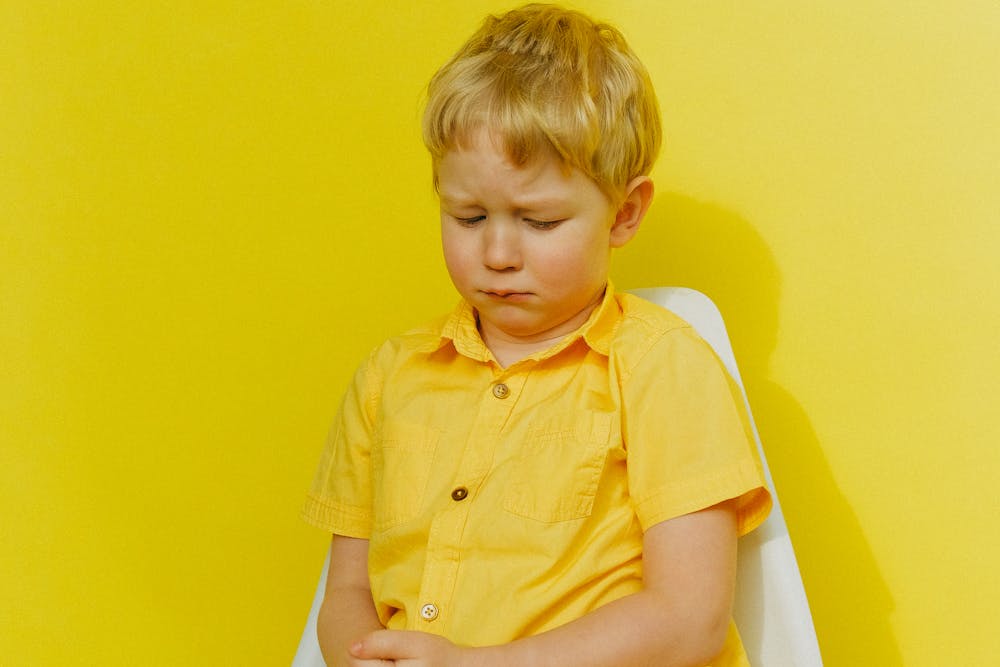
How schools weaponise ableism through gendered care expectations. Harm amplified by systemic ableism The principal once told me, almost as an aside, that the children “don’t see autism, they see meanness.” It was meant as an explanation, but to me it landed as an indictment of a school culture—to let that ableist misunderstanding stand unchallenged.…
-

Nobody is going to thank you
Nobody tells you that you can pour every last scrap of yourself into advocacy and still feel your bond with your child begin to strain. There is a familiar story passed among parents—one in which you step in, do a little advocacy, and watch as the pieces fall into place. The children grow, the challenges…
-

They keep moving the goalposts while our kids pay the price
It began with a phone call that felt like a lifeline. A new teacher was coming, they said, and maybe this would be the one to understand. We clung to that hope. We paid for another assessment, scheduled more therapy, spent weekends in waiting rooms and weekdays in meetings where the promise of change hovered…
-

PTSD, big reactions, and school’s responsibility for care
The presence of PTSD—whether diagnosed formally or manifesting in trauma-linked behaviours—does nothing to diminish a student’s legal right to safety, dignity, and education. Schools are bound by law to provide accommodations and proactive support to every student, including those whose distress may surface as loud, sudden, or intense reactions. PTSD can be the direct result…