hand icon with "End collective Punishment in BC Schools"
Cloud hidden dilemma depression bliss

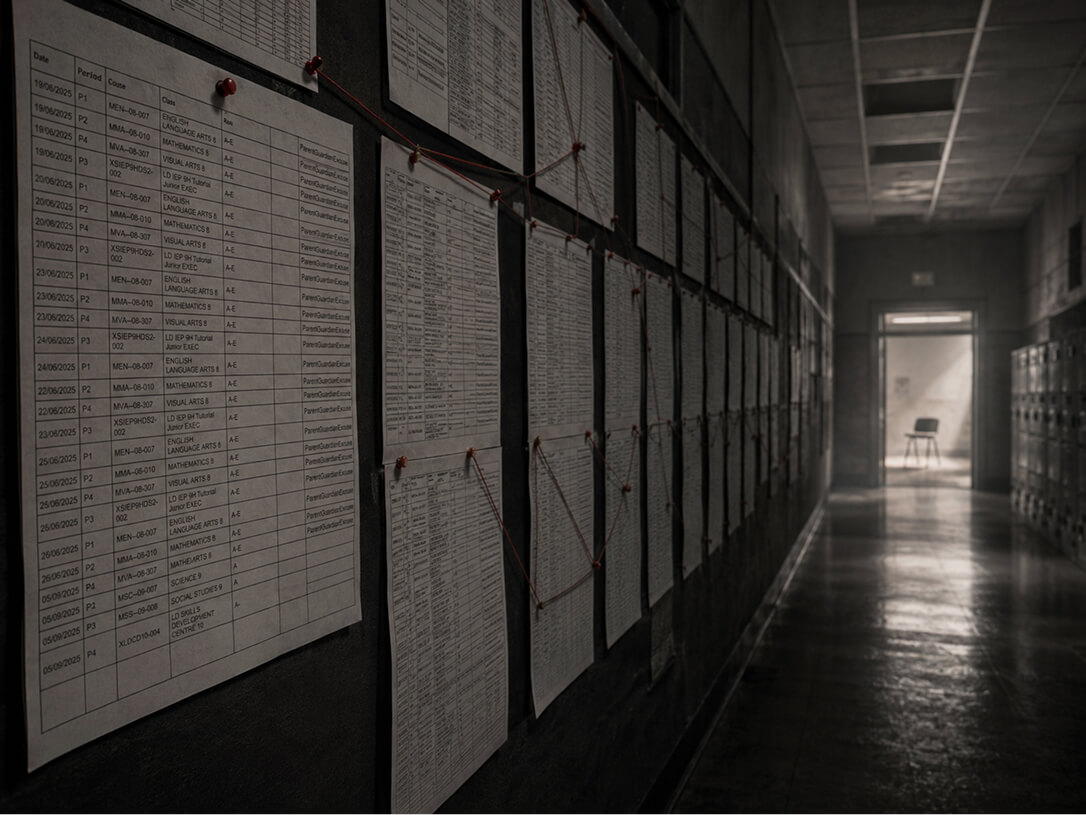
Why does collective punishment feel so humiliating?

|

Because collective punishment operates by collapsing individual dignity into group guilt, the resulting humiliation is both public and unearned—especially for children who already carry visible or invisible difference, whose bodies, identities, or disabilities make them more easily targeted and more deeply injured by the insinuation that punishment must have been deserved; this is particularly painful when a child has worked hard to comply or is already navigating exclusion, which transforms the experience of being punished for others’ actions into a betrayal of their efforts and a rupture of relational trust.

Related posts:

Tagged in:

Districts:

View All Districts

Learn More:

All FAQS

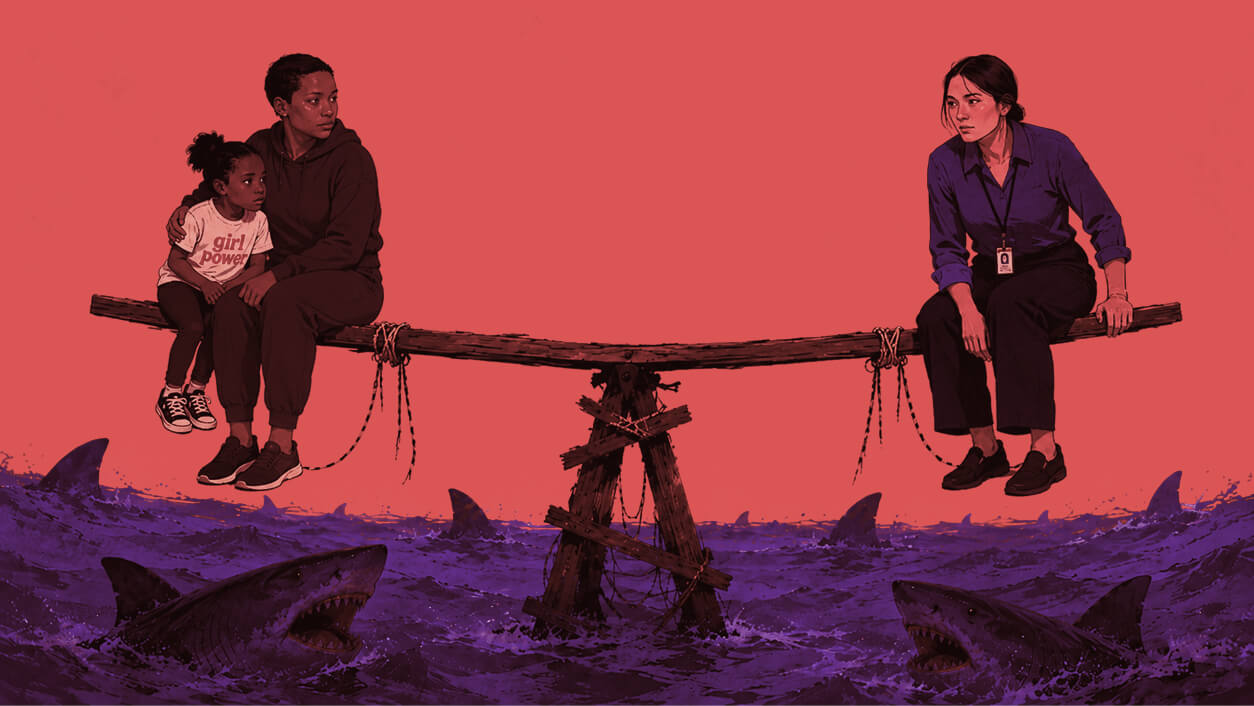
  • On opposite sides of the same door in BC schools

    Families and teachers are describing the same failure from two positions inside it. The system survives by keeping them from recognising each other.

  • A summer reading list for education leaders

    The Canary Collective went upstream this week, and the gloves came off. In “Delay, Distract, and Deny”, Wren takes the old public-health parable about pulling bodies from a river and turns…

  • Save Indigenous Education teachers in SD8

    Kootenay Lake School District is moving toward a staffing change in Indigenous Education that families say will remove teacher-led Indigenous Education from elementary and middle schools and replace the teacher…