

Collective Punishment
Discipline strategies that penalise whole groups for the actions of one or a few, including lost recess, public shaming, and group rewards.
-

The punishment economy
How collective punishment turns scarcity into compliance The confusing thing about school harm is that it rarely arrives without care. While your child is being excluded, an Educational Assistant is finally assigned. A kind case manager begins sending thoughtful emails. Someone finds a program space you were told did not exist. A teacher sees something…
-
Children already know collective punishment is unfair
Children already know collective punishment is unfair A teacher sees one student break a rule and keeps the whole class in from recess. Every parent has heard a version of this story. A 2024 study in Social Development asked the children themselves what they make of it — and the answer is clear. By age six, children…
-
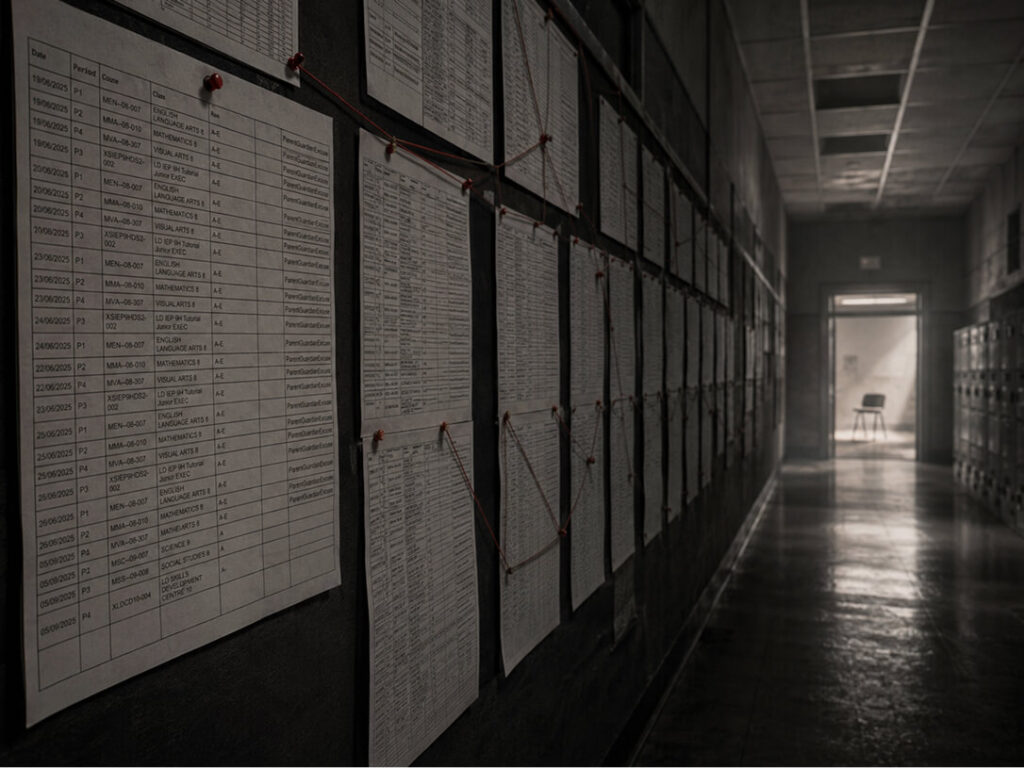
Parent Guardian Excuse: no excuse for exclusion in BC schools
The reason column in my son’s permanent record is mostly blank. When a reason survives, it’s ParentGuardianExcuse.
-
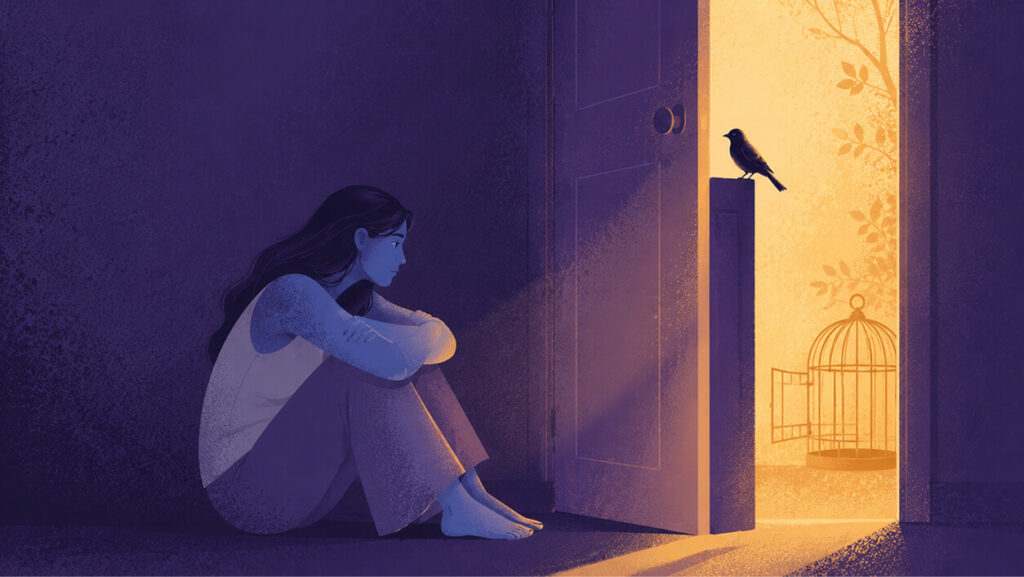
Condition 15: the ethical teacher and the collapse of collective punishment in BC schools
In Milgram’s experiment, 65 percent of people kept shocking a stranger on command. In the variation no one teaches — two authorities, one of them saying stop — the number fell to zero. One dissenting voice in the room stops the cruelty.
-
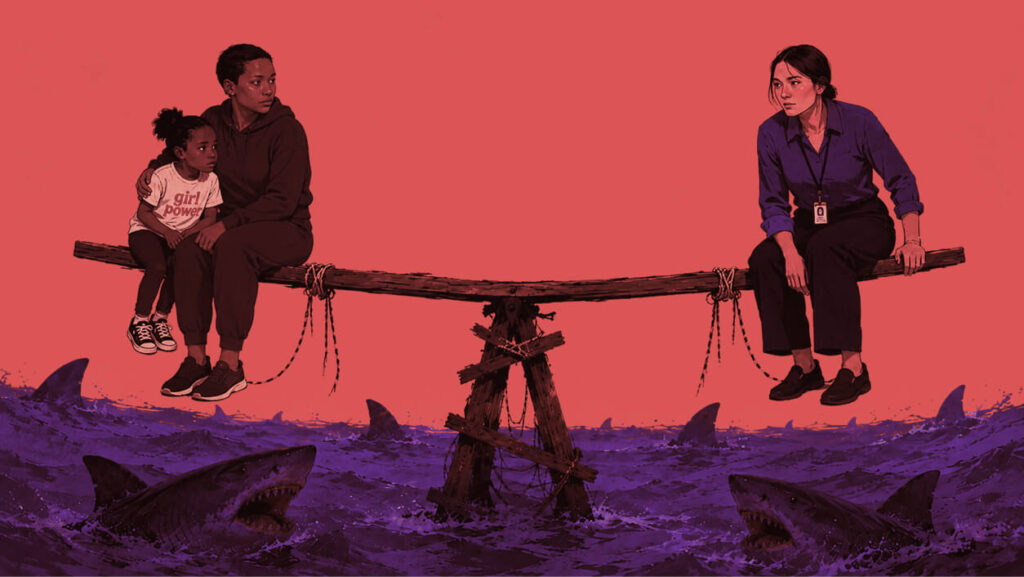
On opposite sides of the same door in BC schools
Families and teachers are describing the same failure from two positions inside it. The system survives by keeping them from recognising each other.
-
PEI’s education minister just told you exactly how data suppression works
A motion passed unanimously in the PEI legislature this month, calling on the province to track student absences caused by bullying. Green MLA Karla Bernard brought it forward after years of families reporting that their children are staying home — and the system recording nothing about why. Education Minister Robin Croucher’s response is a masterclass in the…
-
Bullying of disabled children: a human rights issue requiring accommodation
Bullying emerges when power differentials enable repeated harm, when one child or group systematically targets another through physical aggression, verbal degradation, social exclusion, or digital harassment. BC’s ERASE framework describes bullying as “a persistent pattern of unwelcome or aggressive behaviour intended to harm or humiliate a person”, language that obscures the particular vulnerability of disabled children…
-

Champlain Heights Annex School (VSB SD39): a neurodiversity-informed conduct critique
Champlain Heights Annex School’s Code of Conduct promises a safe, inclusive, equitable, welcoming, nurturing, and healthy school environment. The document aligns explicitly with Vancouver School Board’s District Student Code of Conduct (AP 350), affirms the BC Human Rights Code, and structures behavioural expectations through a three-level consequence framework extending from classroom redirection to formal suspension.…
-
Discipline outcomes and statistics in BC school districts: what the statistics reveal about institutional protection
Schools are quick to label children as dysregulated when they struggle to process harm, respond slowly under stress, or push back against systems that have failed them. These labels carry consequences. What is less often examined is how institutions respond when they behave in the same way. A note I support parents making complaints when…
-
Scapegoats for austerity: BC education funding excludes disabled children
BC education funding scapegoats disabled children, using collective punishment and performative inclusion to divide parents and maintain austerity.
-
The cost of saying ‘change costs nothing’
Long before it became common sense, the spherical shape of the Earth was already known. Astronomers, mathematicians, and navigators across multiple ancient cultures—within the Hellenic world, in ancient India, in Islamic scholarship—had measured the Earth’s curvature, calculated its circumference with remarkable accuracy, and built navigational systems that depended on that knowledge. This was not speculative…
-
Collective punishment at Vancouver School Board: when one disabled child’s behaviour closes the playground
On December 20, 2017, my kindergarten child Robin went onto an ice field during recess at his school in Vancouver. Robin loved ice—the sensory experience, the visual shimmer, the way it cracked and moved under small feet. The school had asked all students to stay away from the ice for safety reasons throughout the morning,…
-
A school advocacy vocabulary
What families experience in schools is often described as a series of unfortunate incidents: a meltdown here, a missed accommodation there, a relationship breakdown framed as “complex family dynamics.” But these events are not random, isolated, or accidental. They are patterned. They recur across schools, districts, and provinces. They follow recognisable logics, deploy familiar language,…
-
The internet has spoken: collective punishment in schools is wrong
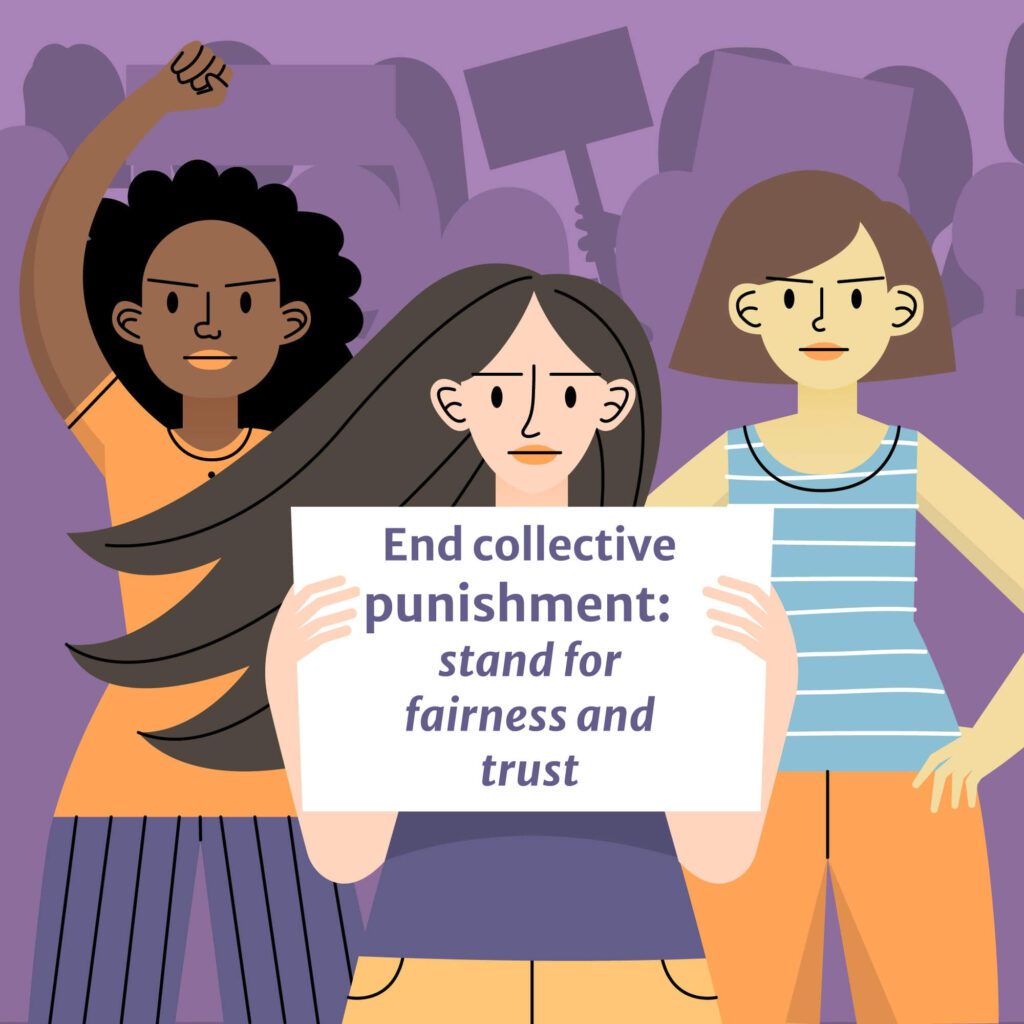
When teachers punish entire classrooms for the actions of one student—when recess disappears because someone talked, when rewards vanish because someone forgot homework, when privileges evaporate because one child disrupted the lesson—students recognise the injustice immediately, and they name it with precision that educators often lack. Across TikTok, Instagram, and Reddit, students, parents, and teachers…
-

Loss of recess impact on chronic stress levels in elementary children
The Impact of Recess on Chronic Stress Levels in Elementary School Children illuminates the profound violence embedded in recess cancellation as punishment, revealing how schools manufacture chronic physiological harm under the guise of behaviour management. The findings demonstrate that children receiving forty-five minutes of daily recess exhibited hair cortisol concentrations significantly below both pre-pandemic normative…
-

How collective punishment turns provincial funding failure into disabled children’s “behavioural failure”
Many years ago, my kindergarten child Robin went onto an ice field during recess. Robin was seeking sensory input—the visual shimmer, the cracking sound, the tactile feedback their nervous system required. The school had told students to avoid the ice for safety reasons. Robin’s support worker redirected them repeatedly; Robin kept returning. Eventually the principal…
-

Why I won’t stop in 2026
The principal used collective punishment against my child almost two years ago, and yet I remain unreconciled to what she did. People suggest moving on, starting fresh, forgiving. Schools are obsessed with ‘fresh starts,’ framing each September as reset opportunity, as though institutional harm dissolves at arbitrary calendar boundaries. My daughter carries what happened in…
-
On acceptable levels of harming children
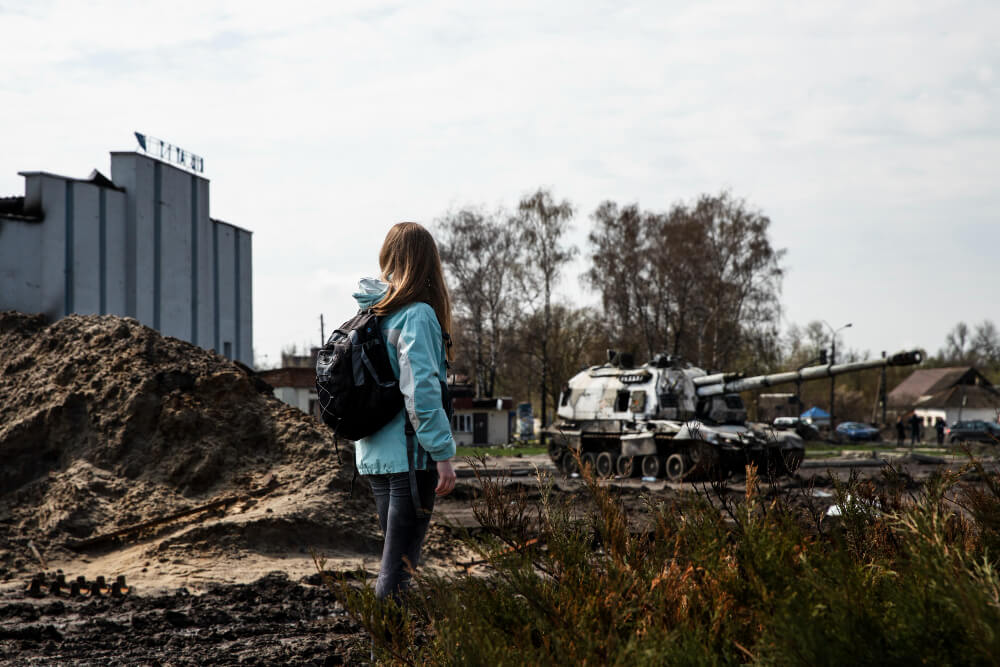
2024 marked the highest number of grave violations against children in armed conflict since monitoring began, and BC simultaneously experienced record complaints to the Human Rights Tribunal for education discrimination—both phenomena share infrastructure: scarcity ideology masquerading as resource constraint, bureaucratic mechanisms that document harm while enabling its continuation, systems that ask what amount of violence…
-
The principal’s casualness reveals authorisation to harm
When a principal cancelled my daughter’s volleyball game with bureaucratic ease, her comfort while causing harm revealed systematic institutional authorisation.
-
From trauma to topology: the grotesque work of quantifying institutional denial
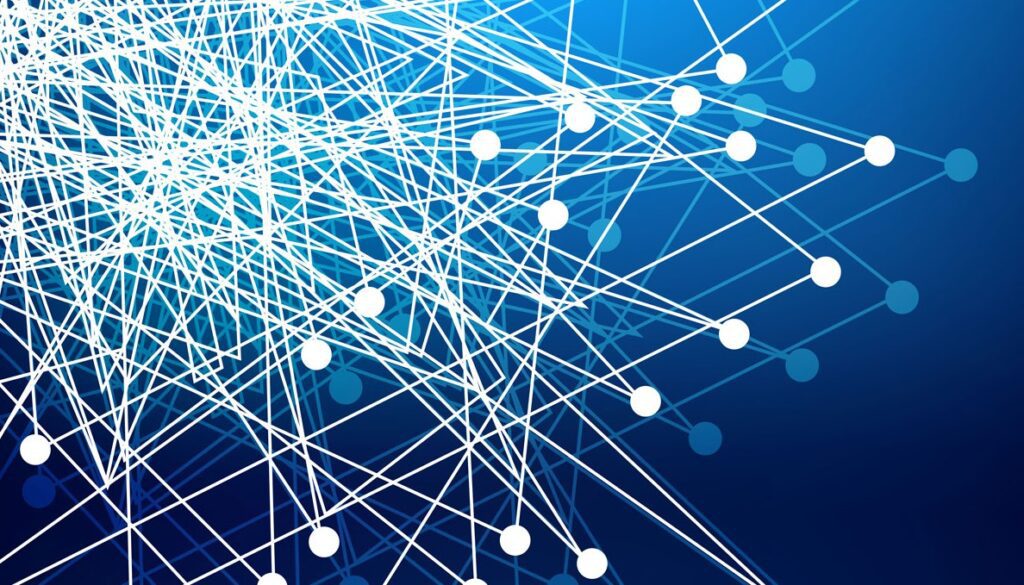
When institutional harm accumulates in childhood—in objects confiscated, spaces denied, bodies excluded—the evidence lives first in memory and affect. The saucer eyes of a humiliated or frightened child. The sting in the sobs of a child who just wants to be with her friends at the volleyball game. The physical weight of a garbage bag…