-

This rage didn’t appear in a vacuum. It was not spontaneous. It is the inevitable consequence of a system that harms children while demanding that mothers smile back. It is…
-

Every morning, when we dial the school’s sick line, we enact a ritual that ought to acknowledge more than a fever or a stomach ache. In theory, this system exists…
-

Not everything wrapped in soft colours and “nervous system” talk is safe. In a post-ABA world—or at least a world where ABA has learned to change its clothes—many school districts,…
-
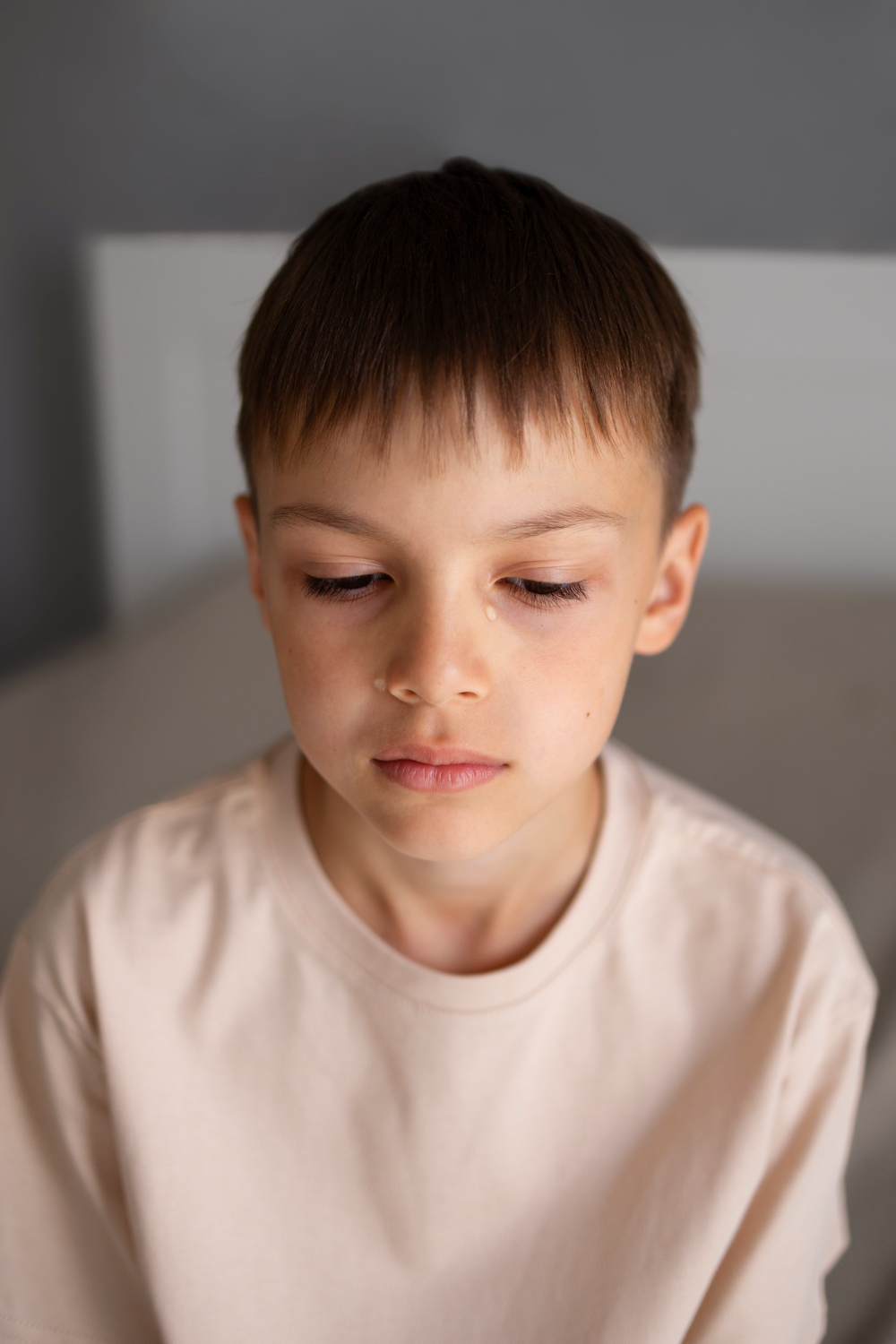
We asked for help.We got a behaviour chart. We invited experts into our child’s life, hoping they would help school staff understand his anxiety, his trauma responses, his fiercely sensitive…
-

On the first day of school, it all looked so promising that it seemed almost too good to be true—the hallway bulletin boards overflowed with vibrant slogans about kindness, leadership,…
-
Pathological Demand Avoidance is a neurobiological profile of autism rooted in anxiety, autonomy, and nervous system threat perception. For children with PDA, even simple requests can register as danger. A…
-

Written by Dr Penny Rabiger, in 2016, this personal yet incisive piece, discusses the challenges the persistence of collective punishment in schools, despite its well-documented ineffectiveness. Drawing on both professional…
-
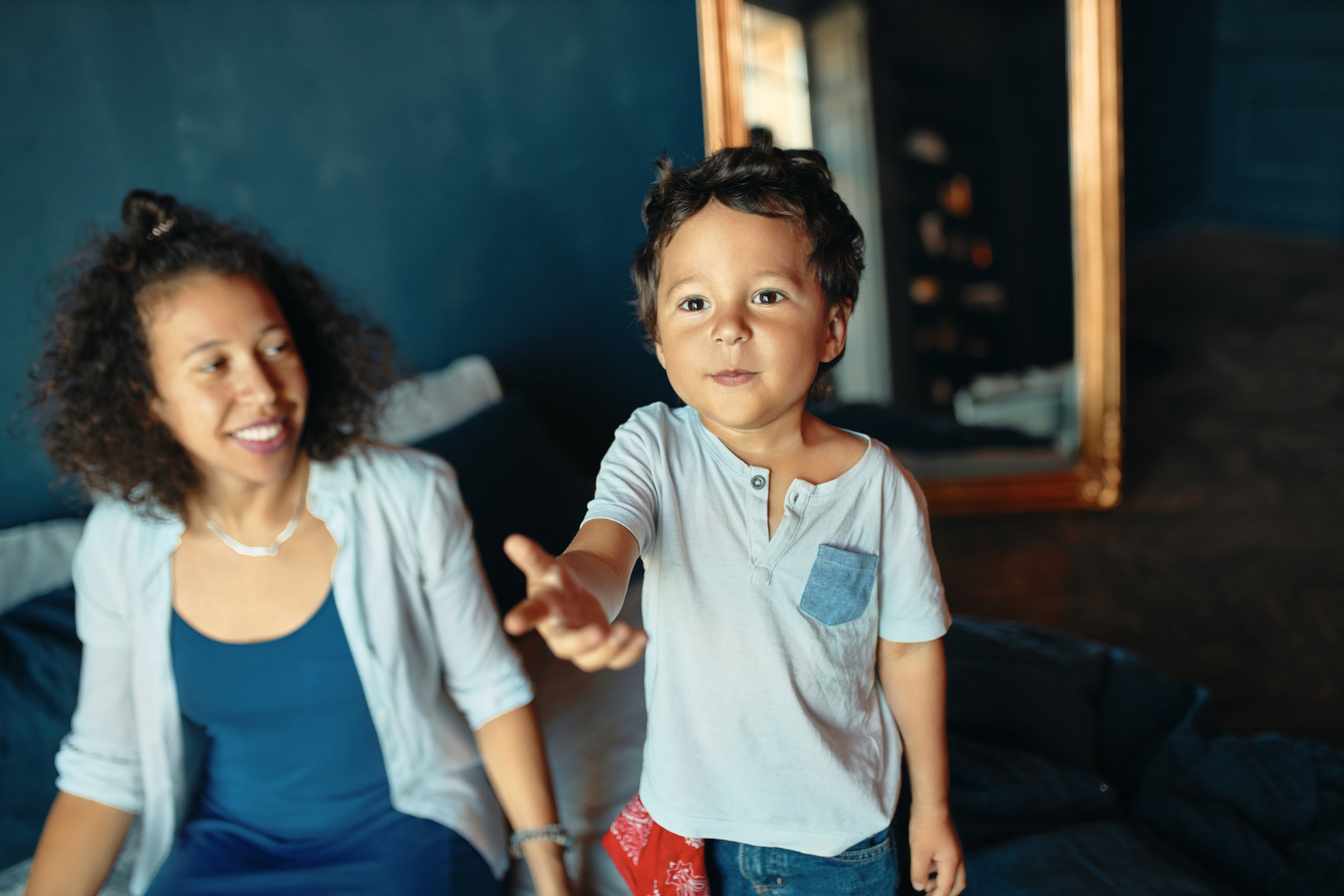
Advocating for a child’s right to an education should not feel like an uphill battle! Yet for some families navigating school exclusion across British Columbia, every step of the process…
-
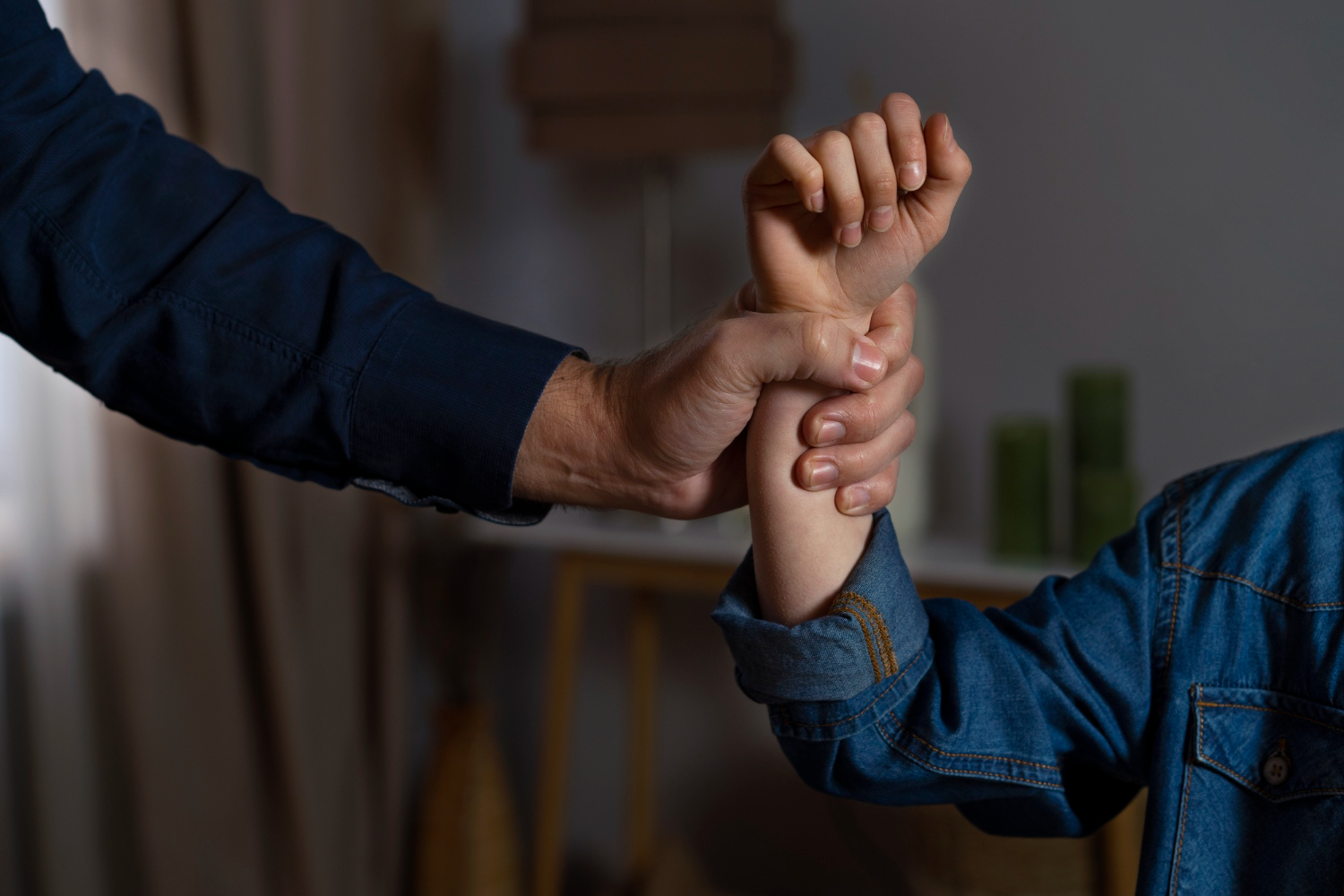
Physical restraint and isolation—sometimes termed “seclusion”—remain legally unregulated in British Columbia schools, even as provincial guidelines seek to limit their use to moments of extreme risk. Physical restraint is defined…
-

There is no such thing as a neutral rule. Every expectation reflects a theory of the child: what is normal, what is ideal, what is possible. And in most classrooms,…
-
An administrative investigation at Montreal’s Bedford Elementary uncovered a culture of intimidation where teachers used yelling, humiliation, and sending students to stand in hallways—sometimes for days—as disciplinary youtube.com+2montreal.citynews.ca+2montreal.citynews.ca+2. The Quebec…
-
I was in the car with my children when I first heard the story of Chase, the 15-year-old boy who was shot and killed by police, in Surrey. It’s deeply…
-
Collective punishment is never explicitly mentioned in the School Act or BC education policies, but it is made very clear that the system is meant to be fair, accountable, and…
-
They told her to be polite while she was being harmed. Now they call her difficult for saying no. Jeannie never screamed—never yelled or stormed out or flipped a desk…
-
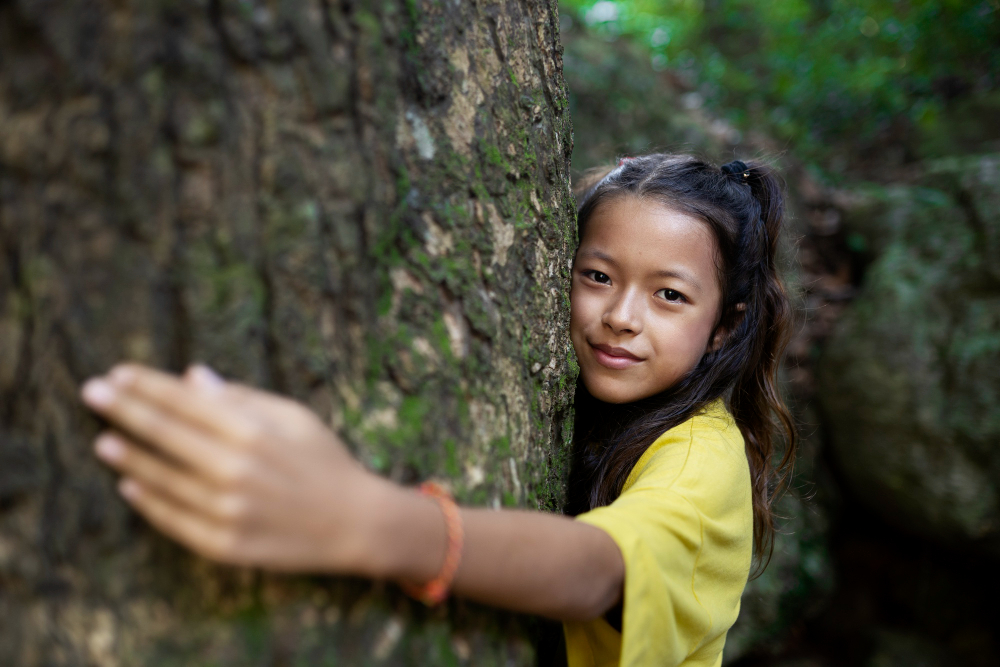
Section 43 still permits “reasonable force” in schools. This blog explores how it enables collective punishment and violates children’s rights.
-
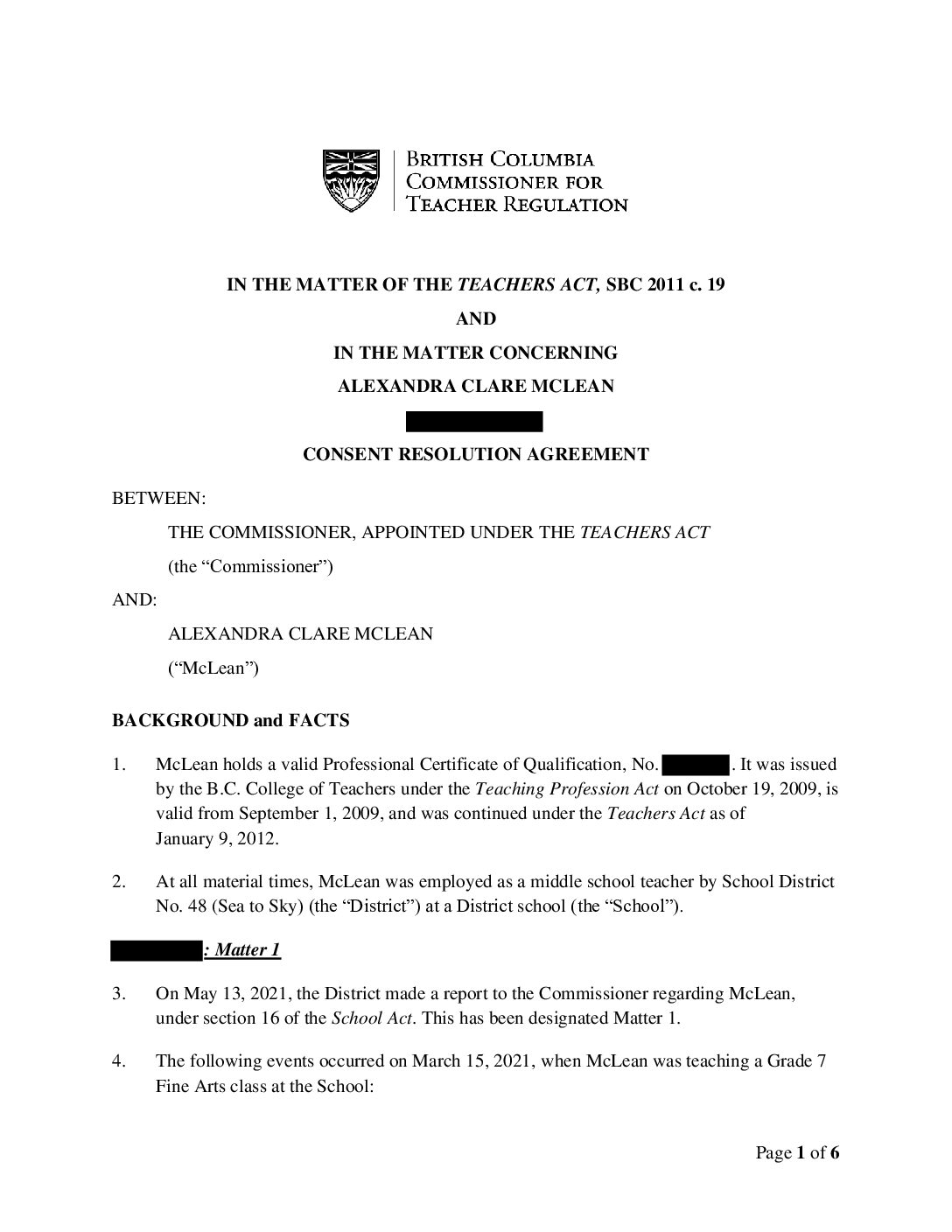
A recent case involving Alexandra Clare McLean, a BC teacher disciplined for yelling, humiliating, and physically handling students, highlights the urgent need for stronger accountability in schools. Despite multiple suspensions,…
-
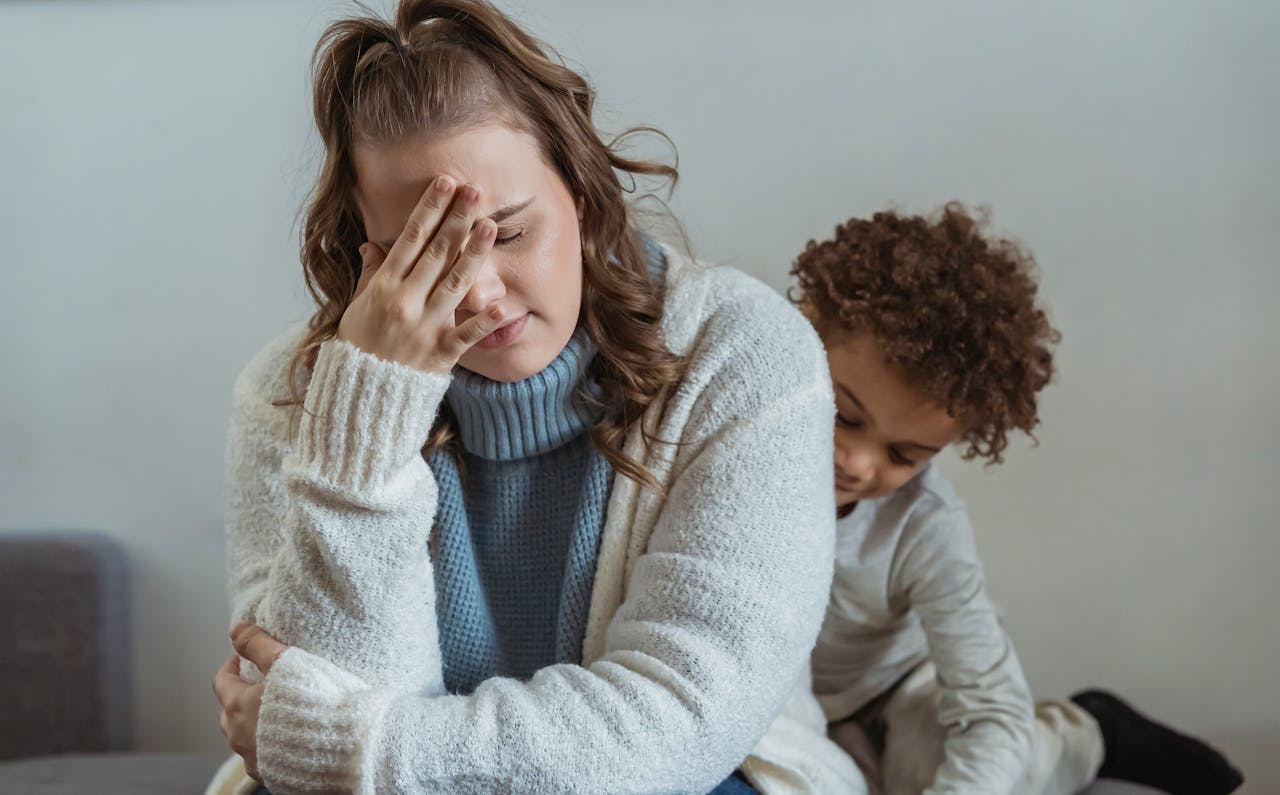
We weren’t trained for this. We were not briefed, warned, or prepared. We entered the public school system, bright-eyed and bushy-tailed, like most parents do—with trust, with hope, and with…
-
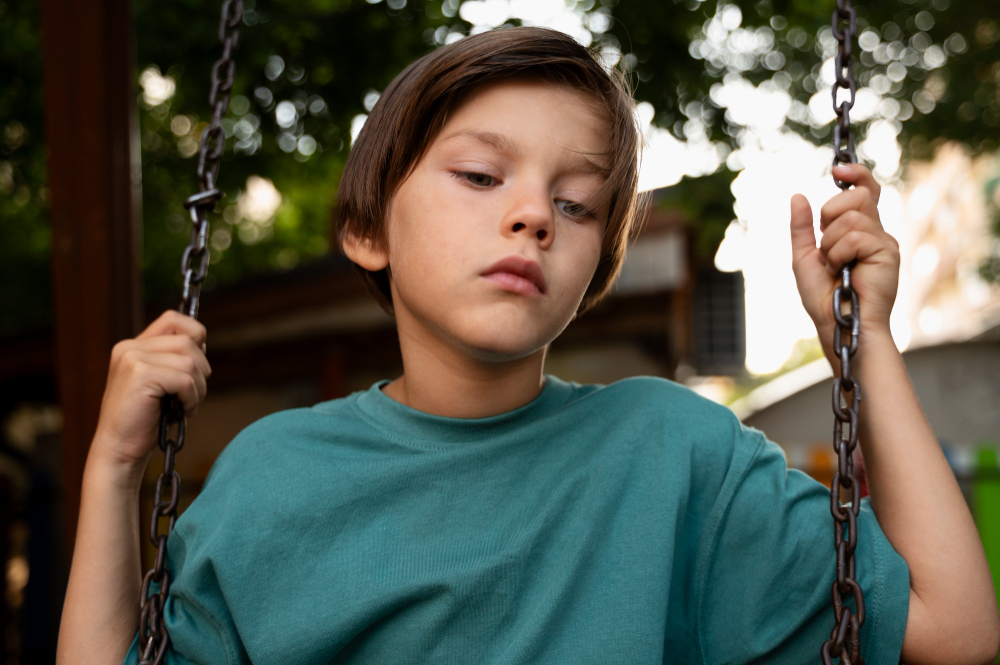
Hey, If you found your way here, maybe it’s because something happened at school that didn’t sit right. Maybe you searched for “why did my whole class get punished” or…
-

A recent Alberta Teachers’ Association survey revealed surging aggressive student behaviour. Teachers report resorting to permanent group sanctions—like “silent lunches” or school-wide lockouts—as quick disciplinary fixesmontreal.citynews.ca+10yahoo.com+10reddit.com+10. Meanwhile, provincial cuts to…
-

When children are dysregulated, the response from educators is too often punitive. For neurodivergent students in particular, the cost of these responses is high: shame, trauma, social exclusion, and a…
-

The Representative for Children and Youth (RCY) has released a powerful new report, Too Many Left Behind, highlighting the critical need for better services and support for children and youth…

News
Updates on policy shifts, school board decisions, and systemic advocacy related to collective punishment and inclusion in BC schools. Follow key developments affecting neurodivergent students, disability rights, and education reform across districts and provinces.
Featured News
-
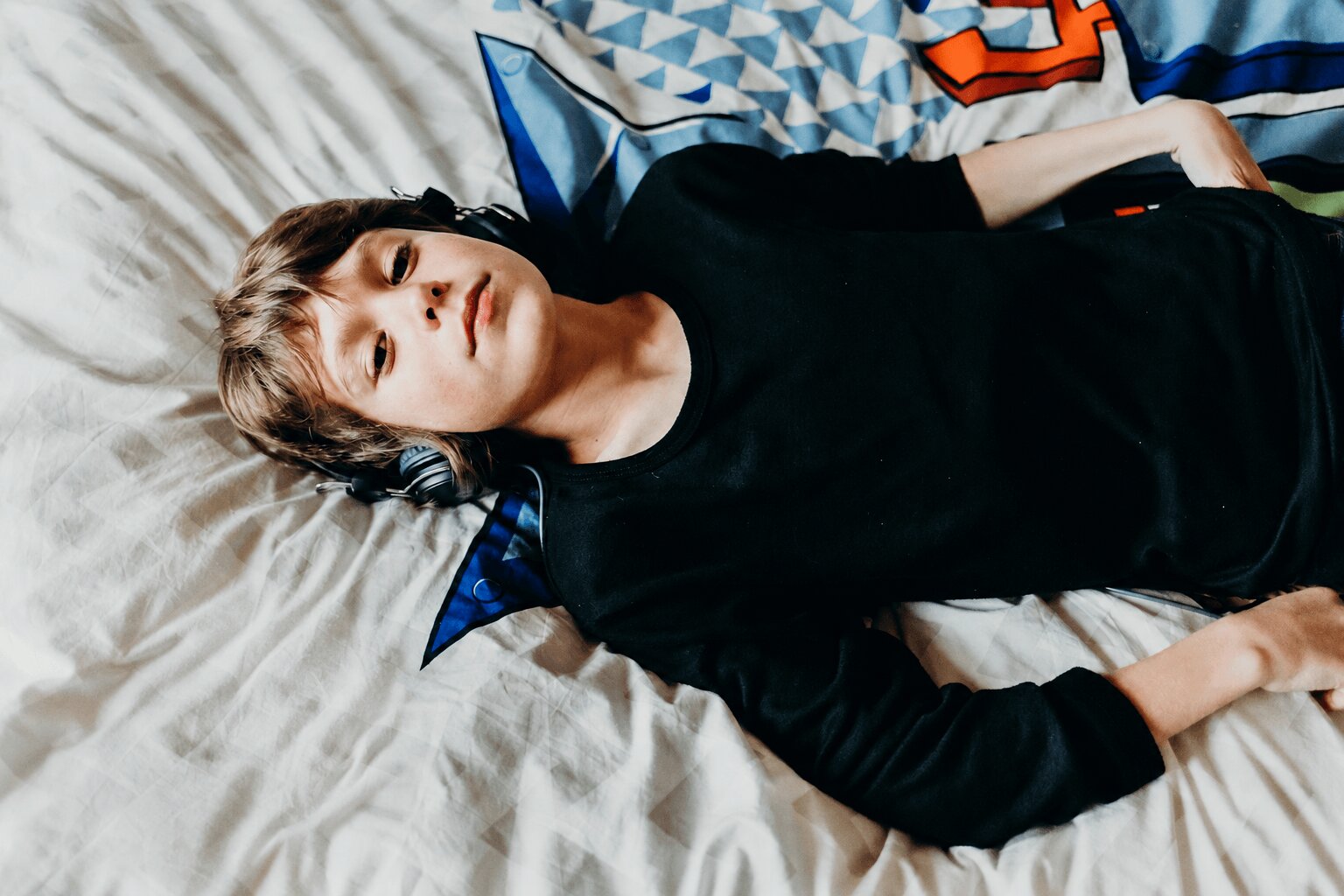
Children will soon be going back to school… well, some children. Stores are already filled with lunch kits, backpacks, and brightly coloured displays of school supplies. Parents are checking whether…
-
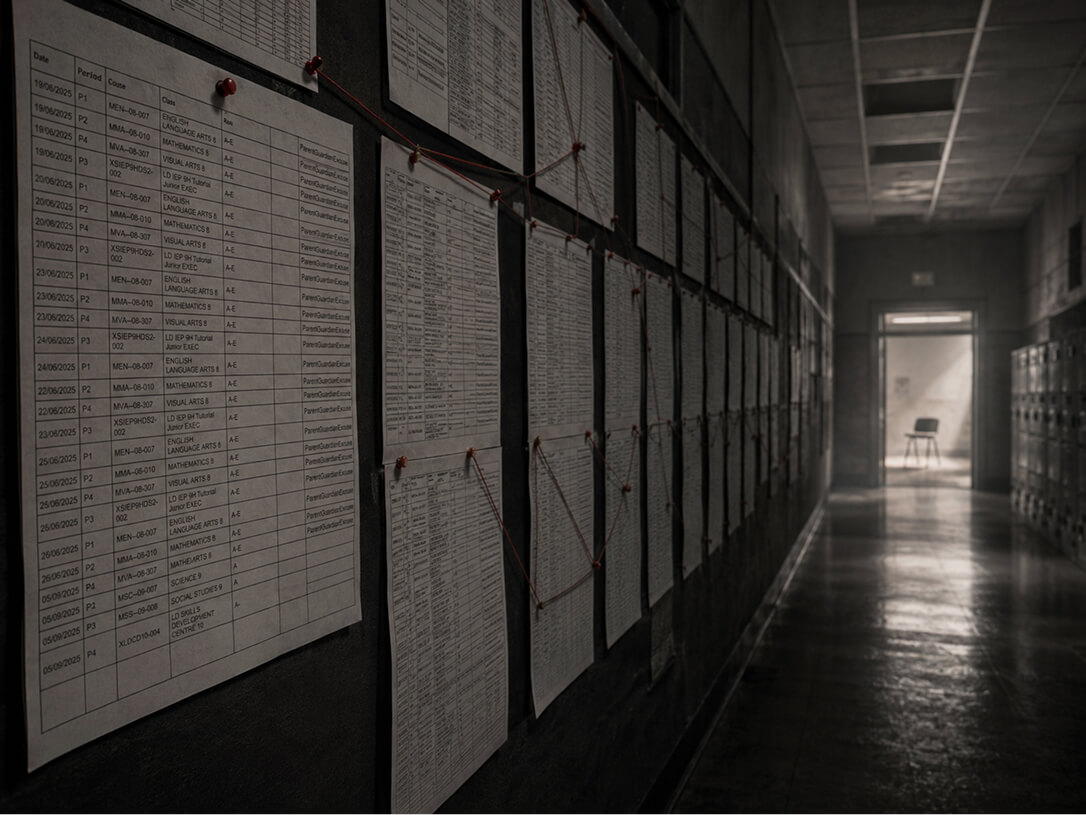
The reason column in my son’s permanent record is mostly blank. When a reason survives, it’s ParentGuardianExcuse.
-
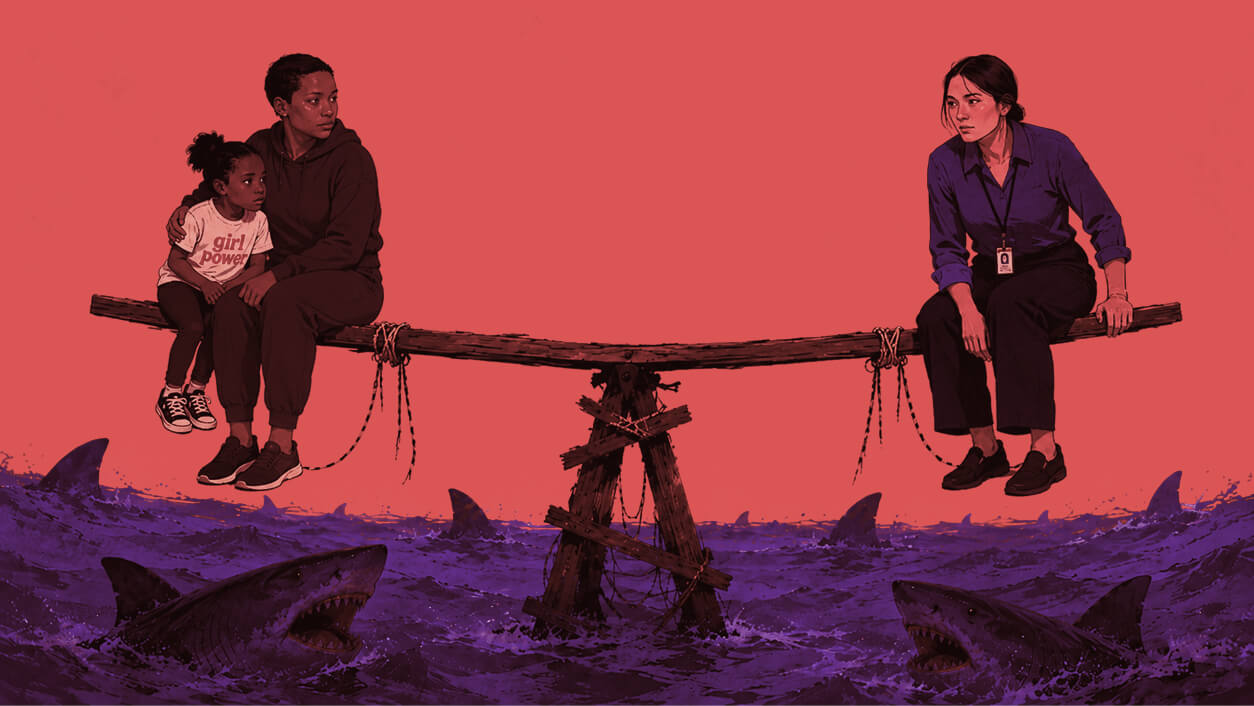
Families and teachers are describing the same failure from two positions inside it. The system survives by keeping them from recognising each other.