-
There’s a problem in our schools. You’ll see it on a child’s face when they come home. You’ll hear it in the way they describe something that left them feeling…
-

I did not want to file a complaint. I still don’t—not in the sense that people imagine, with anger or vengeance or a desire for punishment. What I wanted, what…
-
This is a field guide—a survival text for parents who’ve sat through too many meetings where care was promised, repackaged, and quietly withdrawn. These aren’t just phrases. They’re policies. They’re…
-

When I first opened the Vancouver School Board’s Accessibility Engagement Summary Report, I did what I always do with these kinds of documents—I made a beeline for the methodology, the…
-

We arrive at the school gates each September with anxiety rising in my chest, knowing that the forms, reports, and professional recommendations assembled over years have already demonstrated what is…
-

There are classrooms where harm appears visible—where a raised voice or a revoked privilege tells a clear story, where a child’s tears correspond to a policy, a decision, a teacher’s…
-
SD48 conduct decision flow (simplified) ⚠️ Critical analysis ✅ Strengths ❌ Gaps Neurodiversity lens: how the policy holds up Dimension Assessment Notes Disability justice ✅ Partial Equity and accommodation are…
-

SJ Burnside Education Centre is an Alternative Education program serving youth aged 13–18 in a small-group, flexible setting. Its published Code of Conduct emphasises high standards of conduct, honesty, integrity, and cooperation during all school-sponsored…
-

When I first objected to the strategies POPARD proposed, I tried—truly—to assume good intent: that if I just gave them the right information, the clearest language, the most generous interpretation…
-
Pathological Demand Avoidance (PDA) might sound like just another clinical term, but for many families it represents a daily struggle that is anything but trivial. PDA is a profile on the autism…
-
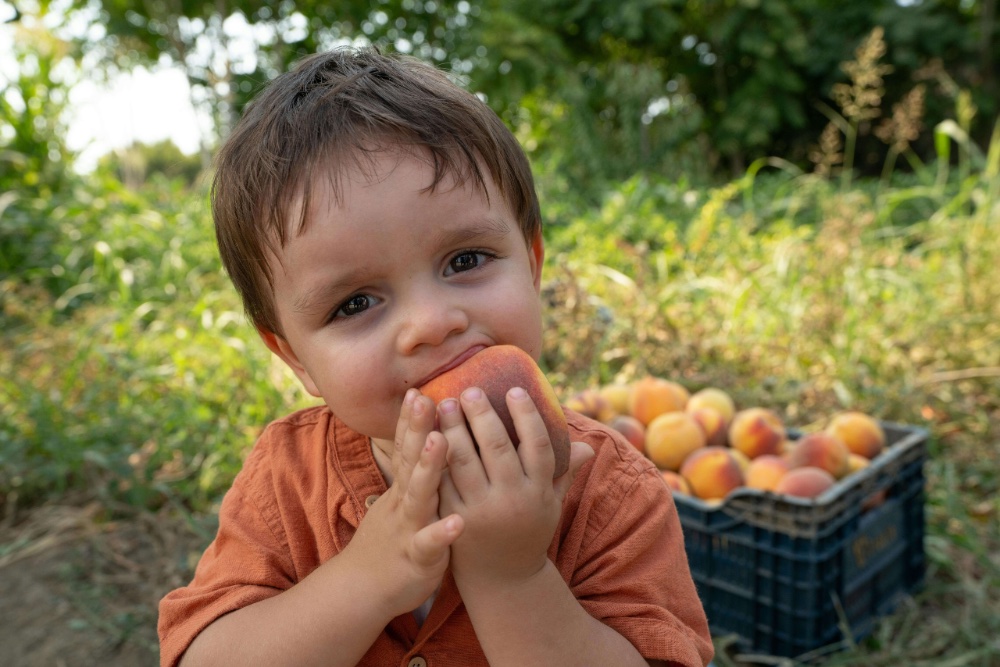
“He’s not a car,” I said, exasperated, after someone described Robin as going from zero to sixty. The withering look I received in return was pure disgust—as though I had…
-
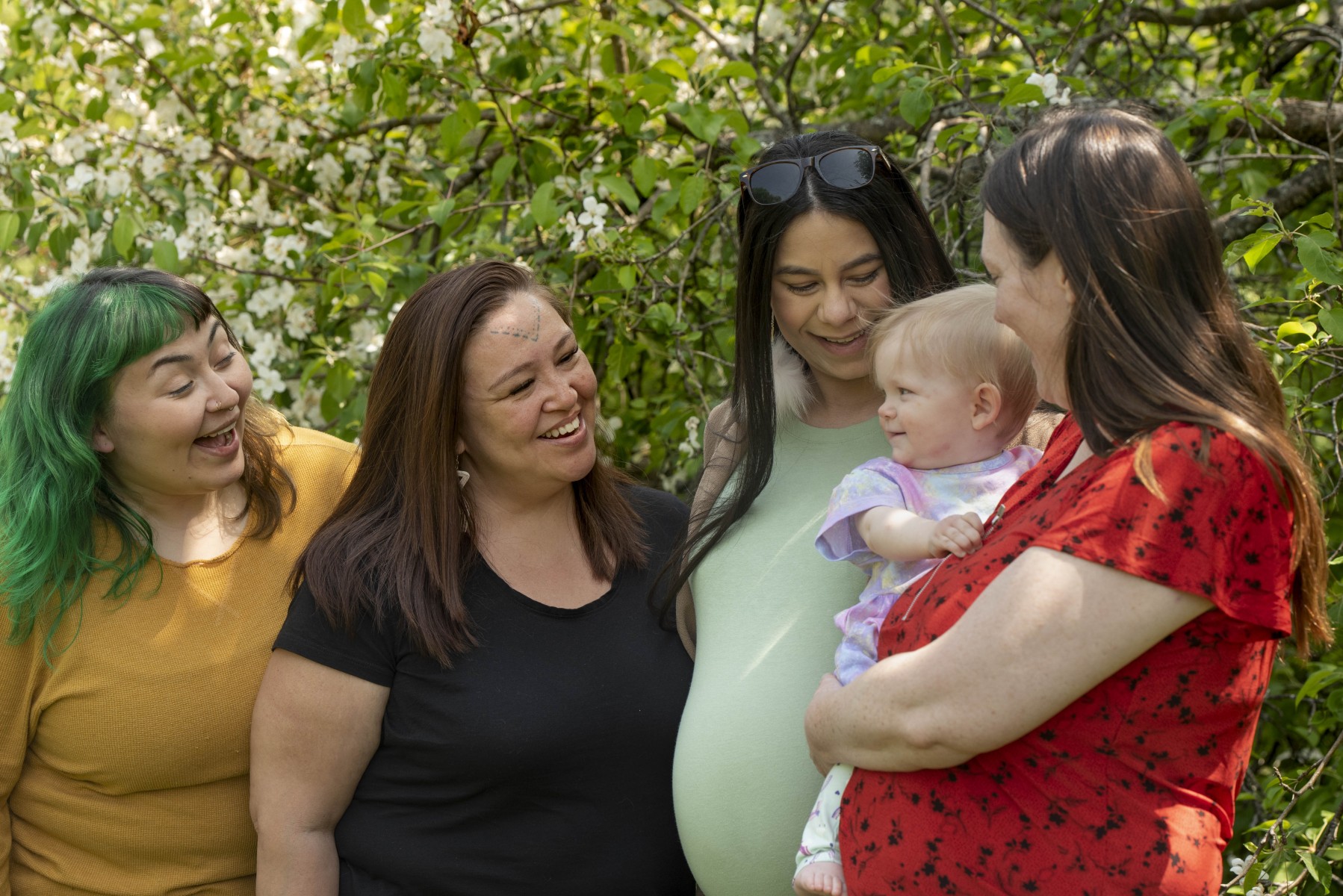
Collective punishment in residential schools did more than punish children—it shattered the bonds between parents and children. For many parents who survived, the fear, shame, and trauma they endured complicated…
-

I know you’re trying not to make it worse. You write the careful email. You show up composed. You give everyone the benefit of the doubt. You try to keep…
-

What happens when schools pretend the bridge is whole. The appearance of help “She gets check-ins from the area counsellor once a week.”“We’ve made sure the classroom teacher is aware…
-

The Canadian Residential School system (circa 1870s–1990s) was a network of church-run boarding schools funded by the government to forcibly assimilate Indigenous children. In theory, such a large system might…
-

My parents never sent me to kindergarten, so when I started first grade, it was a bit mysterious to me. I had been living on the side of a mountain,…
-

Perspective taking is the disciplined art of stepping outside one’s own cognitive scaffolding and entering, as fully as possible, into the sensorium of another person. It is not sympathy, which…
-
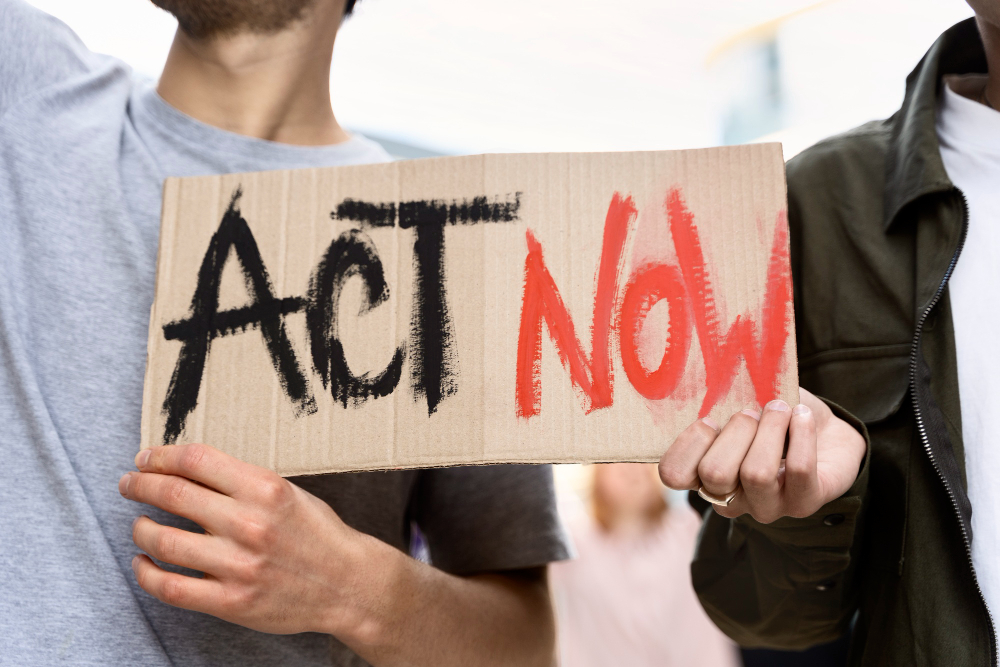
Collective punishment—punishing a group for the actions of an individual—is widely recognised as a violation of human rights. It is condemned in international law, yet it persists in various forms…
-

When I was in grade three, I attended an alternative school that felt like a sun-dappled meadow. We painted. We played outside. We had a math teacher who made learning…
-
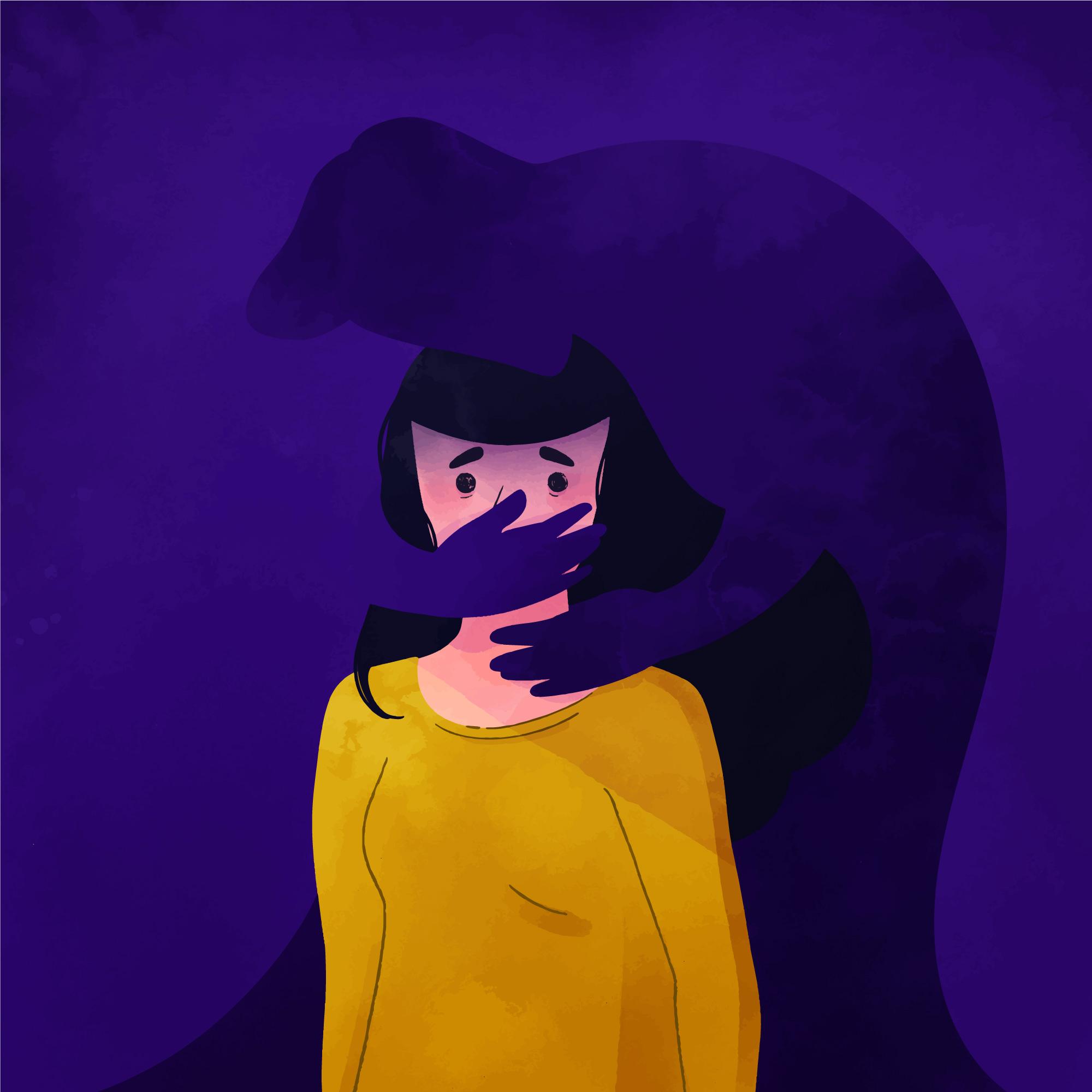
In the early days, our relationship was luminous, almost feverishly bright with attention and agreement and what I understood then as love—its intensity, its precision, the way it seemed to…
-

We are seeking contributions from Indigenous scholars, knowledge-keepers, writers, parents, educators, and community leaders on discipline, punishment, exclusion, and accountability in British Columbia’s public schools. This project began from a…

News
Updates on policy shifts, school board decisions, and systemic advocacy related to collective punishment and inclusion in BC schools. Follow key developments affecting neurodivergent students, disability rights, and education reform across districts and provinces.
Featured News
-
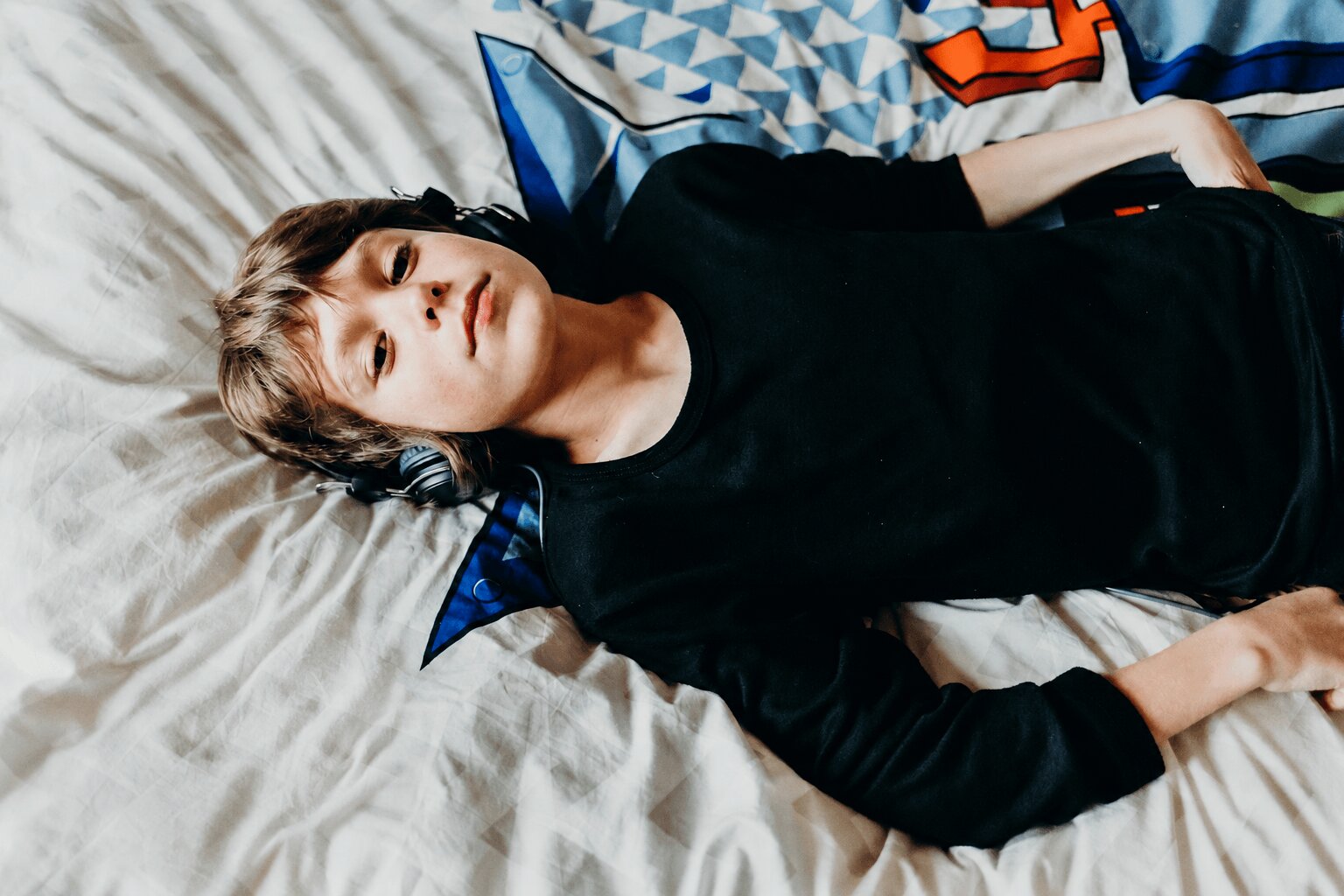
Children will soon be going back to school… well, some children. Stores are already filled with lunch kits, backpacks, and brightly coloured displays of school supplies. Parents are checking whether…
-
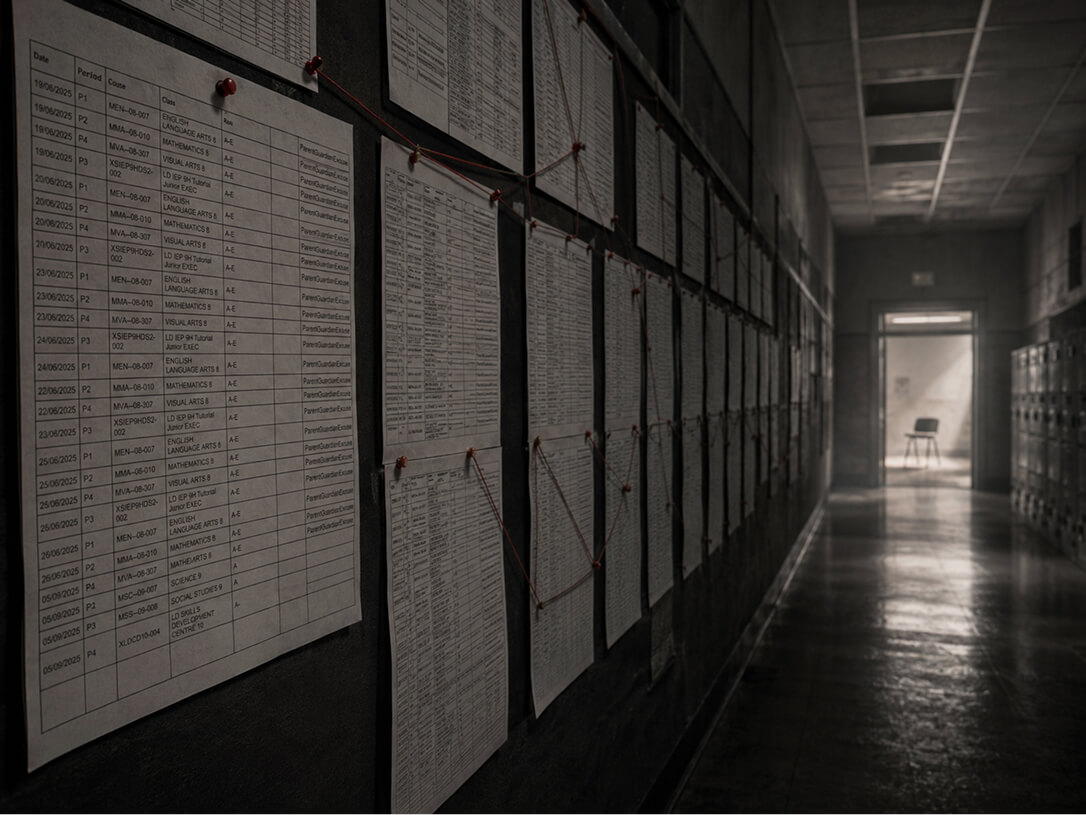
The reason column in my son’s permanent record is mostly blank. When a reason survives, it’s ParentGuardianExcuse.
-
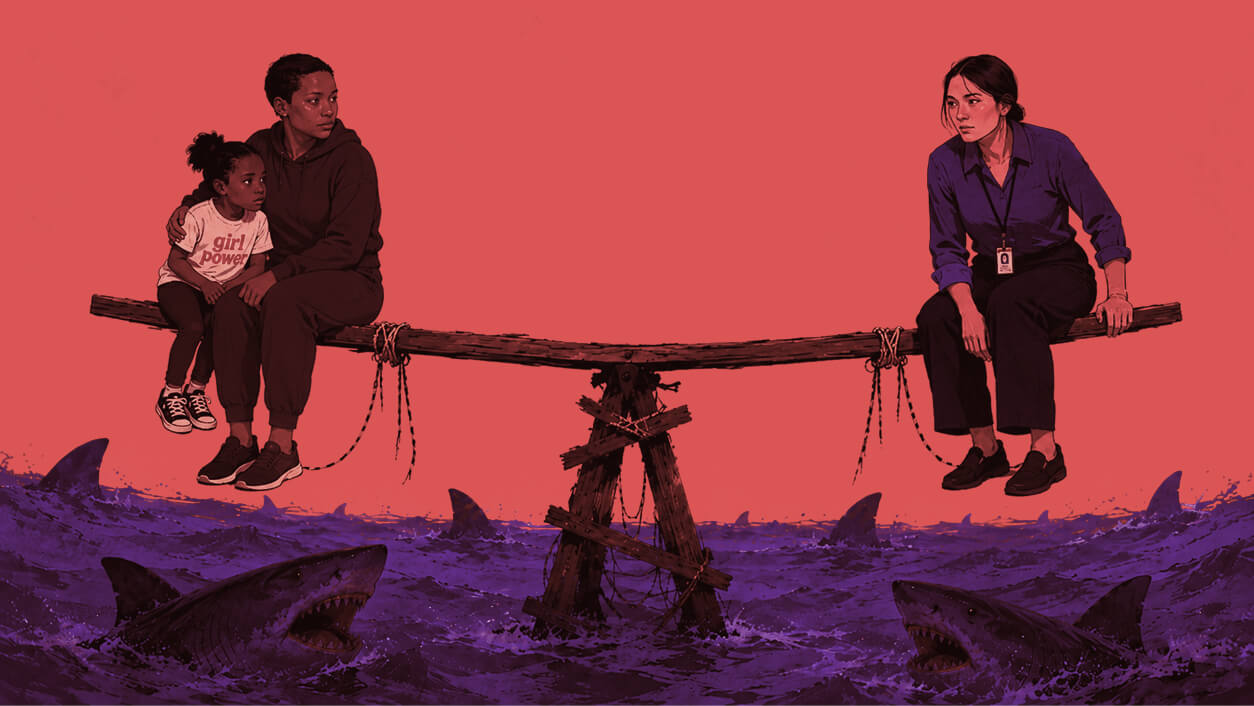
Families and teachers are describing the same failure from two positions inside it. The system survives by keeping them from recognising each other.