
Ableism
Not ignorance, but infrastructure. Not unkindness, but system design.
Ableism, in this project, refers not to occasional slurs or awkward moments of exclusion, but to the full apparatus of policies, practices, and professional logics that define disabled people as deviations to be managed, corrected, or contained. It is embedded in classroom reward charts, IEP timelines, access gatekeeping, and behaviour charts. It is built into online forms, staff training scripts, and the very architecture of “inclusive” processes that function without us. The pieces collected under this tag expose the mechanics of ableism as it operates through design, deference, and denial—while insisting on something better than awareness: structural accountability.
-
Look at how resilient I am
The discourse of the resilient subject converts structural scarcity into personal virtue, masking the institutional conditions that generate exhaustion.
-

How do we get out of this mess?
British Columbia’s education system is breaking, and Surrey’s classroom evacuations—along with the rushed creation of the Classroom Clear Tracker—show how close we stand to systemic failure. Desperate times create desperate actions, and the crisis unfolding in public education pushes people into hurried choices shaped by urgency, fear, and the belief that any action feels better…
-
On euphemisms, PDA, and the rebranding of autism
When I look back on the early years of coming to terms with autism in our family, I understand the urge to rebrand it. The word autism lands hard at first. It sounds clinical, final, filled with sadness, injury, bad smells, and bleak prospects. In that first stage of reckoning—when your mind keeps circling what you imagined…
-
On children, war, and remembrance
Each November, we are asked to pause—heads bowed, hearts heavy—to remember the lives destroyed by war. Yet remembrance without reckoning becomes ritual, a polished echo of conscience that lets the same moral logic continue unchallenged. Every essay in this series has exposed a fragment of that logic: how endurance became virtue, how obedience replaced empathy,…
-
The cost of partial inclusion in schools
I have returned to writing after a long silence—one imposed less by choice than by survival. The move was necessary, a matter of financial gravity after years of lost income entwined with the harm my children endured within an ableist school system. Leaving our home felt like surrendering a life I had fought to sustain,…
-
Raised inside the broken home of public education
Every society tells itself that public schools are good homes for children. We picture safety, fairness, and care distributed through the hallways like sunlight. Yet affection without protection becomes a kind of gaslight, and the insistence that everyone inside means well becomes a substitute for justice. We praise the intention instead of confronting the injury.…
-

Protecting the ledger over the learner: operationalising scarcity in BC School Districts
British Columbia’s public schools are mandated to provide inclusive education for all students, but they do so in a context of chronic resource scarcity. Scarcity in education means there are not enough funds, staff, skills, or services to fully meet all student needs. School districts have had to develop strategies to manage and ration what they do…
-

Starving the future: how underfunding and poor education policy are functionally eugenics
From the safety of our northern vantage, it is easy to feel heartbroken and a little superior when we watch the dismantling of the American social welfare state—when we see libraries defunded, schools privatised, and healthcare withdrawn with brutal efficiency. We shake our heads at the cruelty of it, believing ourselves buffered by decency or…
-
The long tail of Covid: on disability and school absences
I would like to acknowledge the shared labour of our community, because this interpretation arises from absorbing the stories that circulate within our community, where families describe the daily calculus of parenting, the emotional and physical toll of mornings, and the persistent hope that someone will finally recognise the scale of labour required simply to…
-
UIP, the good, the bad, the ugly
We’ve had good and bad experiences with the Urgent Intervention Process. The good ones feel like brief glimpses of the world that could exist if the school meant what it said about inclusion—moments when a skilled worker steps in and the air clears, when everyone remembers the child at the centre of all this. The…
-
Coats, care, and control: microaggressions, ableism, and the moral surveillance of mothers
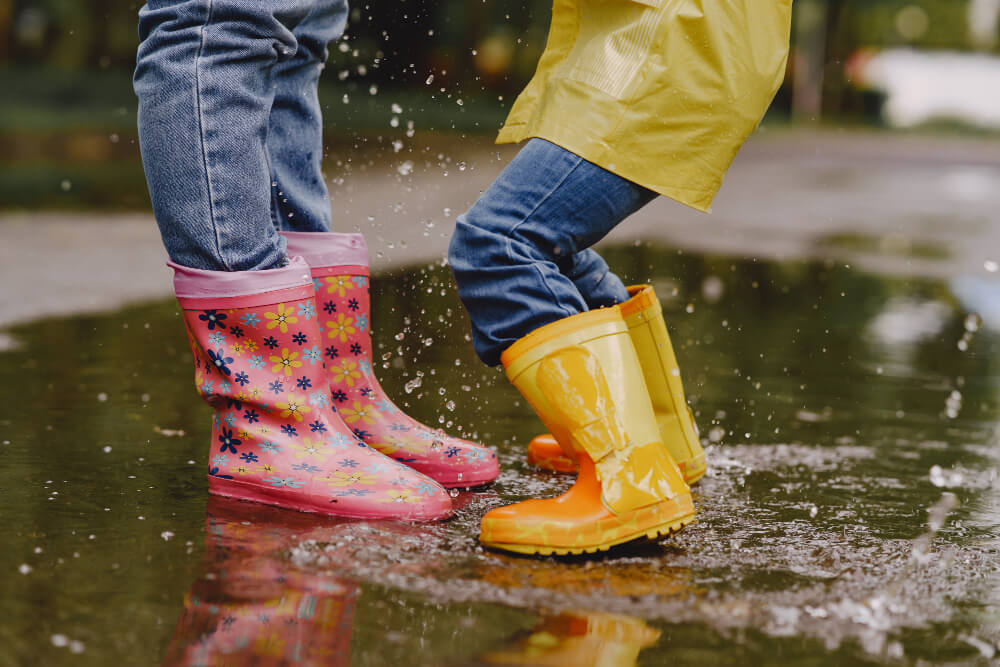
Every autumn, as the rain returns and hallways fill with dripping boots, an unremarkable genre of school communication re-emerges: the gentle reminder, the kind note, the message of concern about whether a child has a coat. The tone, perfectly calibrated, performs care while enacting surveillance. “I hope your child had a good rain jacket, umbrella,…
-
Coerced care, gendered neglect, and the reframing of family collapse
It began with daily incidents that were anything but small. My son repeatedly hugged my daughter against her will, pressing into her space while she pulled away, asking for it to stop. She reported that when she turned to supervision aides for help, they told her it was fine because they were siblings. Staff framed…
-
The cancellation
When the principal cancelled the volleyball game, she did more than remove an afternoon of play from a group of eager children, she transformed what should have been a moment of joy and collective affirmation into despair and humiliation, converting what should have been an opportunity to connect and excel as a team into a…
-

Fuck your independence dogma
How schools use ‘self-reliance’ to justify abandoning disabled kids. They told me my daughter needed to build her tolerance for the classroom without support. They waxed endlessly about how she wouldn’t want support in high school—ignoring that my daughter had been very clear that she does, in fact, want support. They said it with that…
-
No good news on government K-12 page
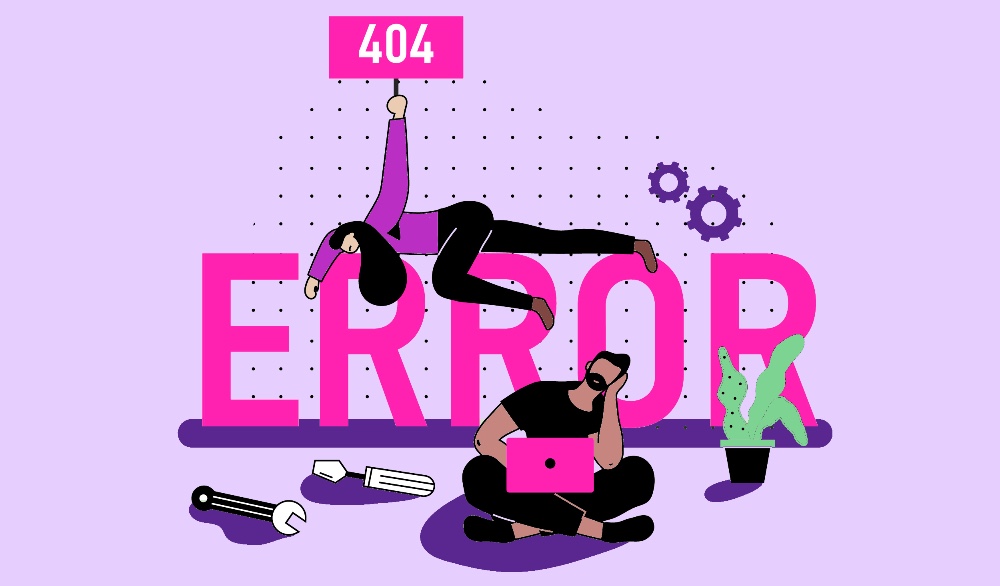
The BC k-12 portal promises inclusion, yet broken links and missing disability guidance reveal gaps in safety and access.
-
This isn’t a unique case, is it?
My children’s father said in a meeting: “Surely you’ve dealt with this before and you have a solution? This isn’t a unique case, is it?” The question hung in the air, simple and devastating, exposing in one breath the entire pretence on which school leadership rests. The question matters because it cuts through bureaucratic delay…
-
The children don’t see autism, they see meanness
How schools weaponise ableism through gendered care expectations. Harm amplified by systemic ableism The principal once told me, almost as an aside, that the children “don’t see autism, they see meanness.” It was meant as an explanation, but to me it landed as an indictment of a school culture—to let that ableist misunderstanding stand unchallenged.…
-
The fallout of regressive discipline: from community trust to mental health
In schools across British Columbia and beyond, discipline often unfolds not as a considered intervention tailored to individual needs, but as a blunt, collective act that seeks to restore order quickly by suspending joy or opportunity for all. The cancellation of recess, the revocation of a field trip, the withholding of an earned privilege—all for…
-
Nobody is going to thank you
Nobody tells you that you can pour every last scrap of yourself into advocacy and still feel your bond with your child begin to strain. There is a familiar story passed among parents—one in which you step in, do a little advocacy, and watch as the pieces fall into place. The children grow, the challenges…
-
They keep moving the goalposts while our kids pay the price
It began with a phone call that felt like a lifeline. A new teacher was coming, they said, and maybe this would be the one to understand. We clung to that hope. We paid for another assessment, scheduled more therapy, spent weekends in waiting rooms and weekdays in meetings where the promise of change hovered…