

Bureaucratic Harm
Bureaucratic harm is harm caused by administrative systems, procedures, records, delays, forms, referrals, eligibility rules, communication loops, and decision-making processes that appear neutral but make people less safe, less supported, or less able to access their rights.
In schools, bureaucratic harm can look like endless meetings with no changed support, requests for more documentation while a child is deteriorating, partial schedules framed as “planning,” safety plans that manage liability rather than access, complaint processes that absorb parent energy without remedy, or records that make institutional decisions look reasonable while erasing the child’s experience.
The key feature is that the harm is produced through process. No one has to openly say, “we are denying support.” The system can simply delay, redirect, narrow the issue, require another assessment, move the family between departments, or document the child as the problem until the family runs out of time, money, trust, or capacity.
-
My Ollie is missing a lot of school
My Ollie has barely left his room since he came home exhausted from school one day last spring. He slept twenty-three hours a day for months. He barely spoke for months and had difficulty with basic hygiene. School chronically withdrew the supports he needed and pushed him to mask and comply until his nervous system…
-

When improvement tolerates death: why schools must stop the line
Education systems insist they are engaged in continuous improvement. They invoke cycles, frameworks, data dashboards, and action plans to demonstrate seriousness and care. But children are killing themselves in every district, every year. Disabled children are being excluded, isolated, placed in hallways, sent home early, or left to deteriorate while plans are written. The question…
-
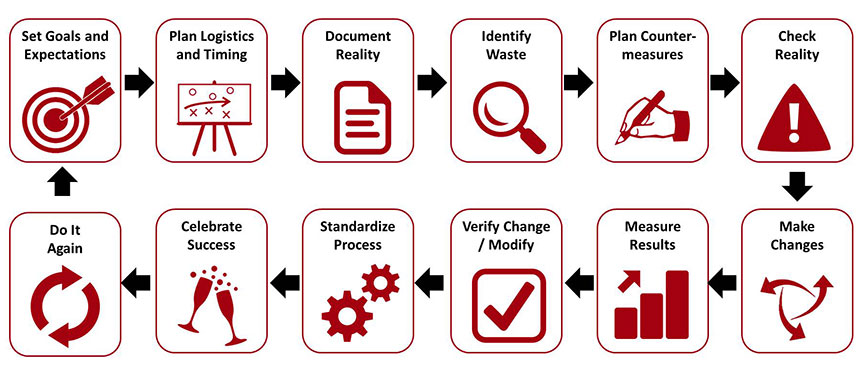
Manufacturing acceptable loss: why parents must resist education’s factory logic
Districts describe their work using the language of continuous improvement, capacity building, resource optimisation, and evidence-based allocation—borrowing terminology from industrial production systems designed to manufacture widgets efficiently, to minimise waste, to maximise throughput, to tolerate predictable defect rates within acceptable margins. This vocabulary reveals the underlying logic: education systems increasingly operate as though children are…