

Collective Punishment
Collective punishment refers to the disciplinary practice of penalising a group for the actions of one or a few individuals—often enacted in classrooms as withheld privileges, cancelled activities, or public reprimands directed at entire cohorts. Though rarely named in policy, it remains a common method of behaviour management in Canadian schools. This tag interrogates collective punishment as both a pedagogical failure and a moral harm, tracing its psychological, legal, and systemic dimensions. It includes student testimonies, parent advocacy, policy critiques, and international parallels—connecting the emotional toll of everyday discipline to deeper questions of justice, accountability, and the ethical use of power in education.
-
Ava and the Geneva Convention
It began, as so many modern parables do, with a child who told the truth—and a parent who shared it. The image was ordinary: a school feedback form, completed in pencil, uneven in its lines, confident in its voice. The caption read: “My daughter actually submitted this feedback at school. Not sure if I should ground…
-

Resist the urge: A student’s call to end collective punishment
Sometimes, the clearest truths are spoken by those closest to the harm, and in this compelling public speaking presentation, one student delivers a simple, resonant message with unmistakable clarity: resist the urge to punish everyone for one person’s mistake. Across just eight minutes, this speaker distils the emotional cost, logical failure, and enduring relational harm caused…
-
Tell the Ministry: end collective punishment in BC schools
BCEdAccess recently reminded us that if families don’t speak up, the system assumes everything is fine. Writing letters to the Ministry of Education and Child Care is one way we can make our children’s experiences count—especially when those experiences involve exclusion, loss of support, or group-based discipline that punishes kids for behaviours linked to unmet…
-

Why we’re tracking collective punishment across Canada
In classrooms across this country, children still lose recess for things they didn’t do. Field trips are cancelled because someone else acted out. Privileges are revoked—en masse—because a teacher felt the group needed a lesson. These are not isolated incidents. They are symptoms of a widespread practice known as collective punishment: the disciplining of a group…
-
I am just me: What it costs to show up
If I could have walked away from this institution, I would have—but I couldn’t, and so I came, and the price of showing up was almost everything I had left to give. Showing up is not the beginning—it is the aftermath By the time I appear on your committee call or log into your engagement…
-

Suspending justice: What ethics can (and can’t) teach us about school discipline
In 1993, educator Martha Johnson conducted a simple but telling experiment. During a professional development session for principals and vice-principals in southern Alberta, she handed out a fictional case study: a student, suspended. Participants were asked to reflect on whether the decision was ethical—before and after being introduced to an ethical decision-making framework. What changed wasn’t the facts…
-
Why I’m reviewing school codes of conduct
To the student who found this page because you typed something scared or confused or angry into a search bar—something like “are teachers allowed to take away recess?” or “can I be suspended for a meltdown?” or “why did my teacher say I wasn’t trying hard enough when I couldn’t stop crying”—this is for you.…
-

We stand with BC teachers
The BC Teachers’ Federation (BCTF) has launched a new ad campaign ahead of the provincial election to spotlight BC’s worsening teacher shortage and demand urgent government action. The campaign, titled Hire More Teachers, features TV and digital ads showing the real impact on students and calls for a fully funded workforce strategy similar to health…
-
What replaced the strap in Canadian schools?
They took the strap away—or at least, they removed the physical instrument, the leather loop of institutional discipline that had once been the sanctioned mechanism of control in classrooms across the country. Even if we never felt it on our own skin, we knew what it meant; we had heard the sound of it slapped…
-

On free IVF: love and systemic neglect
BC is funding IVF, but not the care children need once they’re born. Love is enough. The system isn’t. This is betrayal dressed as hope.
-
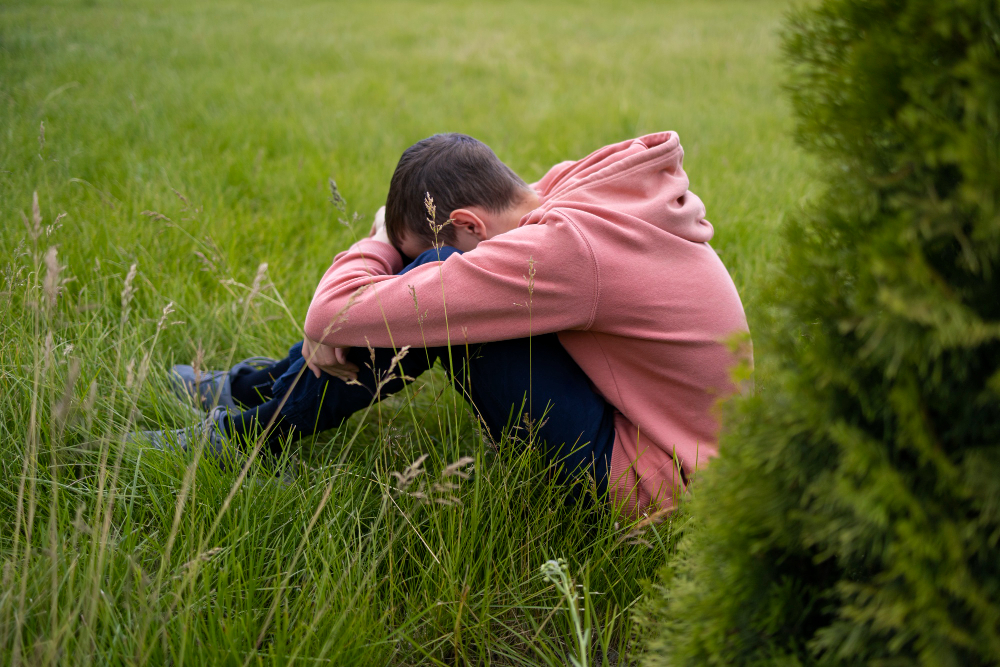
Punished for bed wetting
I’ve woken up in the middle of the night to help my children when they’ve wet the bed—perhaps after a bad dream or too much water before bedtime. I remember helping them change their clothes, stripping the bed, telling them gently: it’s okay. It happens. It’s a small moment that reminds me what care looks…
-

Forgiveness, or whatever comes after disbelief
A friend asked me recently why I hadn’t filed more external complaints—human rights complaints, formal grievances, legal action. And it’s true. I should have. There were so many moments where I could have, where I had grounds to. And I believe deeply in the importance of external complaints. I’ve written about them. I’ve supported other…
-

How to talk about collective punishment: a conversation guide
This guide is for anyone who wants to help shift thinking around collective punishment in schools. It includes practical, respectful ways to respond when you see or hear something troubling — even if you’re not in a position of authority. Use it to plant seeds, ask good questions, and name harm without assigning personal blame.…
-
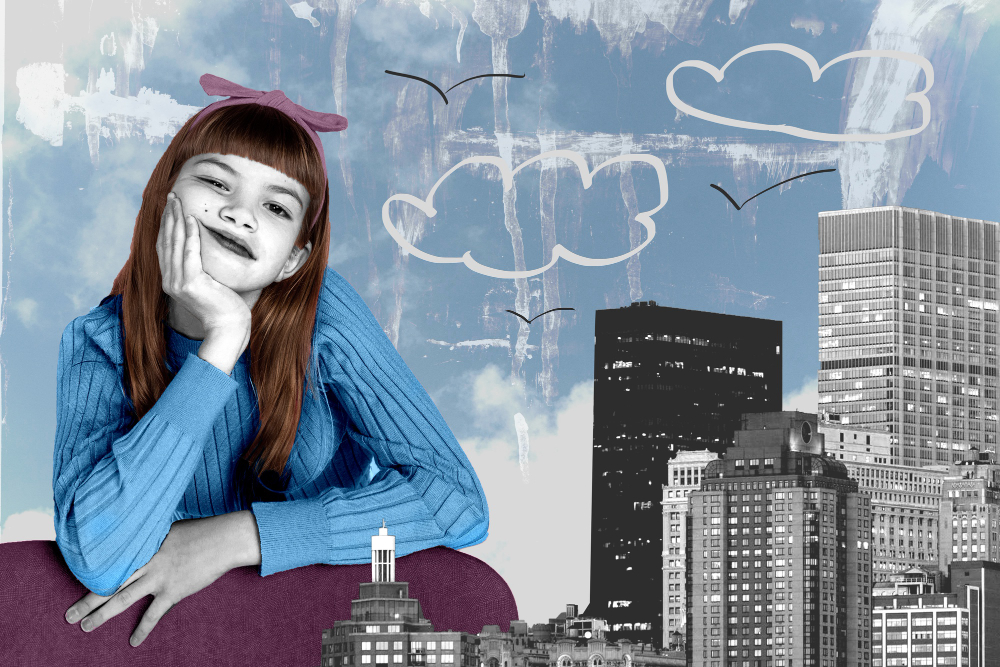
To the neurodivergent kid who got blamed
Worried your mistake might get your whole class punished? That fear isn’t yours to carry. Here’s why—and what you can do.
-

How it broke me open: the unbearable clarity of seeing things as they are
I know another reason the collective punishment incident was so devastating for me, like truly sent-me-spiralling kind of devastating, wasn’t just because of what was done to the kids (although yes, obviously that too), but because of what it broke in me, in how I’d been holding things together for so long with this scaffolding of…
-

The cost of being careful: how punishment rewires the brain for fear, not learning
There are classrooms where children learn to think, and there are classrooms where children learn to be careful. Too often, we pretend they are the same. But when punishment—especially collective or public punishment—dominates the emotional tone of a learning space, what emerges is not intellectual risk-taking or social responsibility. What emerges is fear. Surveillance. A…
-
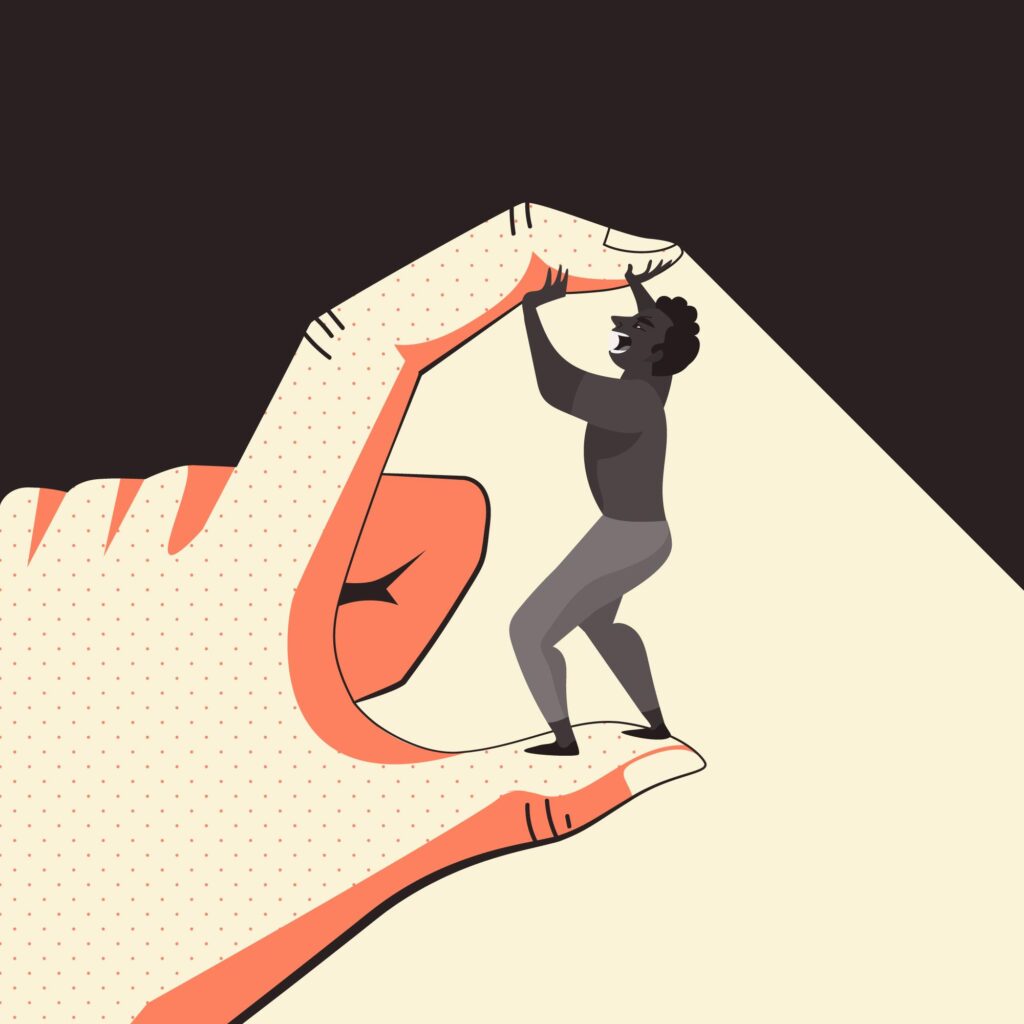
How we change culture: From ashtrays to accountability in BC schools
Once, we smoked in office buildings. Not just on breaks or in private spaces—at desks, in meeting rooms, on airplanes. The haze of other people’s choices was something you had no right to escape. That was just how things were. Until it wasn’t. Now, the idea of someone lighting a cigarette during a staff meeting…
-

Columneetza Junior Secondary (SD27 Cariboo‑Chilcotin): a neurodiversity‑informed conduct critique
Columneetza Junior Secondary School 2024-2025 Code of Conduct affirms a mission of fostering respect, individual growth, and a sense of belonging within both school and community. It names safety, caring, and order as essential conditions for “purposeful learning.” The document outlines rights, responsibilities, and behavioural expectations for students and broader school actors, including parents and…
-
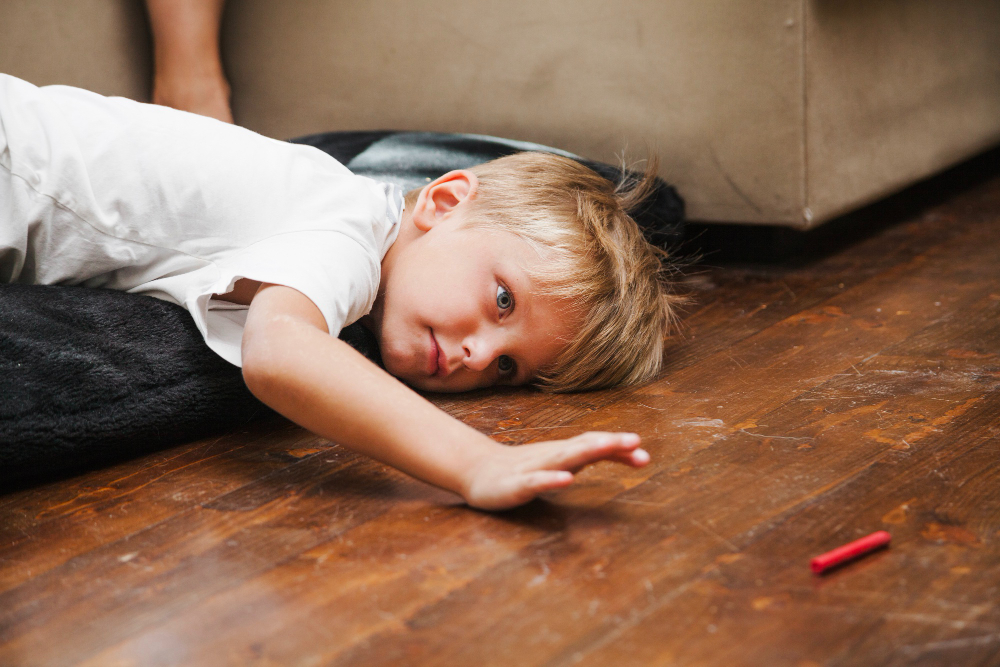
Just when it starts working, they take it away
The cruelty of temporary support in BC schools. There is a particular kind of cruelty in getting what your child needs—finally—and knowing it will be taken away. In the fall of 2017, our family reached a breaking point. Our child Robin was refusing school, destroying the classroom, and coming home dysregulated and despondent. The school…
-
She graduated and this is what she learned
On raising a badass advocate, unintentionally. I didn’t set out to raise an advocate—I set out to raise a child. A child who might feel safe in her body and steady in her breath, who might look out at the world and feel drawn toward it rather than braced against it, who might trust her…