

Collective Punishment
Collective punishment refers to the disciplinary practice of penalising a group for the actions of one or a few individuals—often enacted in classrooms as withheld privileges, cancelled activities, or public reprimands directed at entire cohorts. Though rarely named in policy, it remains a common method of behaviour management in Canadian schools. This tag interrogates collective punishment as both a pedagogical failure and a moral harm, tracing its psychological, legal, and systemic dimensions. It includes student testimonies, parent advocacy, policy critiques, and international parallels—connecting the emotional toll of everyday discipline to deeper questions of justice, accountability, and the ethical use of power in education.
-

Repairing institutional harm after coercive control
This piece is written in memory of a friend whose life was slowly extinguished by institutional betrayal, coercive control, and the grinding weight of being unheard. When a school inadvertently contributes to coercive control, the harm may be quiet, but it is not small. For the child, it means being unprotected. For the parent, it…
-
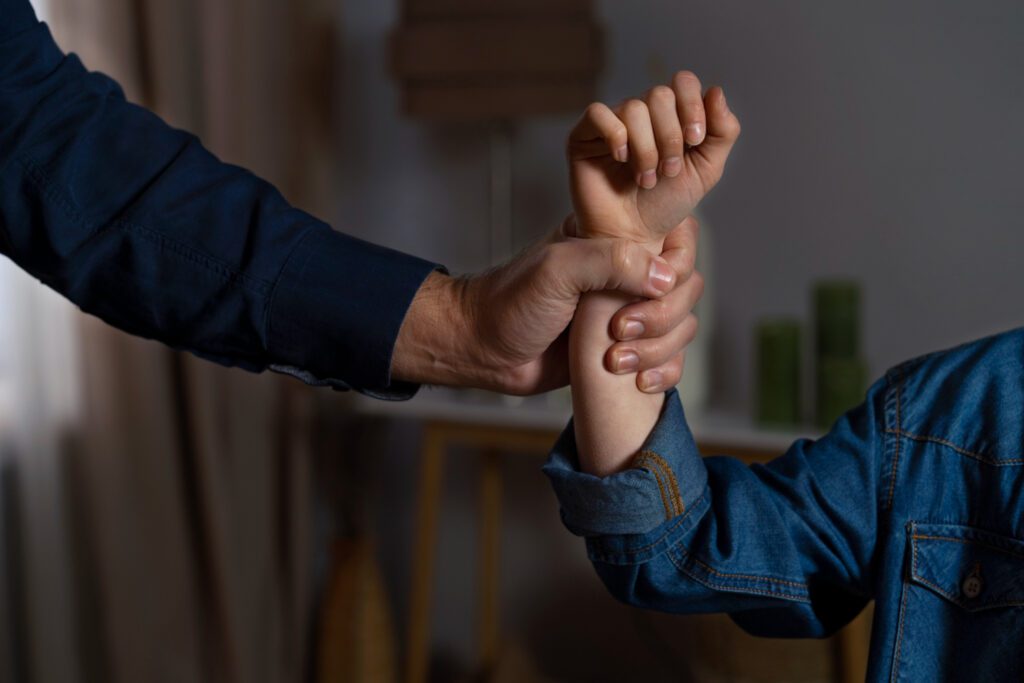
The path to justice: legal versus public record
The courts may offer compensation, but rarely truth. The legal path demands silence in exchange for settlement. The public path asks you to speak while you’re still bleeding. Neither is easy. But only one builds a record that helps the next family survive.
-
What would it really cost to fix the problem?
We talk so much about the cost of inclusion—as if it’s indulgent, optional, something that must be justified—but we rarely talk about the cost of exclusion. And those costs are everywhere: in emergency rooms, in overburdened case files, in classrooms where distress goes unseen. When schools can’t support disabled students, families fall apart trying to…
-

The poison of silence: on complicity, healing, and speaking the truth
I had so much pain stuck in my chest and throat. Cancelled screams. Unsaid truths. Every meeting where I stayed quiet, every time I swallowed my words to seem reasonable, every time I hoped that portraying myself a certain way might stop my children from being harmed—those moments didn’t disappear. They got stuck. I stopped…
-

We shouldn’t be enemies
I took my daughter for a manicure this week. She’s graduating from grade 7. A milestone. A moment that felt almost ordinary—slideshow, applause, plastic chairs, nervous grins—and yet there was nothing ordinary about what it took to get there. Vocabulary for what happened Class change She spent seven months of this school year outside the…
-

Advocacy toolkit: resources for families navigating school harm
Some of us arrived at advocacy slowly—one red flag at a time. Some of us were pushed into it suddenly, when everything fell apart. Some of us have been writing emails in our heads for years. Some of us are just now finding the words. Wherever you are in the process, this toolkit is for…
-
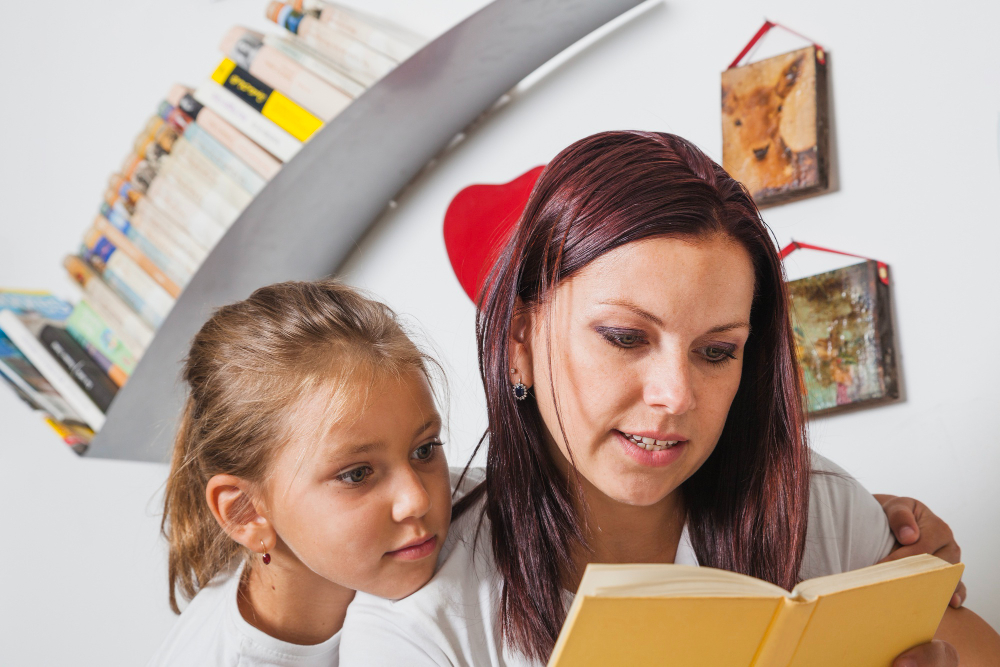
If I could: A letter to my daughter before another school meeting
If I could catch you before you fall, I would. If I could make them understand—make them see you as you truly are—I would. You are doing so well, in so many ways. If I could make you feel the pride you deserve, the pride I feel when I look at you, I would. But…
-
Galiano Community School (SD64): a neurodiversity-informed policy critique
The 2022–23 Code of Conduct for Galiano Community School is unusually rich in aspirational language. It describes a community of care rooted in mutual respect, emotional development, and responsive teaching. It affirms the BC Human Rights Code, references Positive Behaviour Support, and anchors its behavioural framework in the values of SOLE—Respect and Care for Self, Others,…
-

Cariboo–Chilcotin School District (SD27): a neurodiversity-informed policy critique
Cariboo-Chilcotin is one of the most geographically dispersed and demographically complex districts in British Columbia. Spanning small rural towns and remote Indigenous communities—including sites of historic and intergenerational trauma—SD27 faces significant challenges in providing consistent, inclusive, and safe environments for all learners. In June 2024, the Board adopted Policy 390: Safe and Caring School Communities, replacing…
-
Revoking recess as a form of collective punishment
Rules intended for safety become instruments of collective punishment when they erase unstructured play from the school day, compounding distress for children who rely on movement, predictability and sensory regulation. this post examines the disproportionate impact on neurodivergent learners and proposes targeted interventions that preserve every child’s right to play and learn.
-
No apple pie for you!
School is exhausting when you are autistic. The noise of kids and shouting makes it hard to focus. The bright lights in hallways and classrooms overwhelm me and break my brain. When someone speaks, each word feels like a puzzle I must solve. Sometimes it feels like I’m communicating through a sheet of ice! A…
-
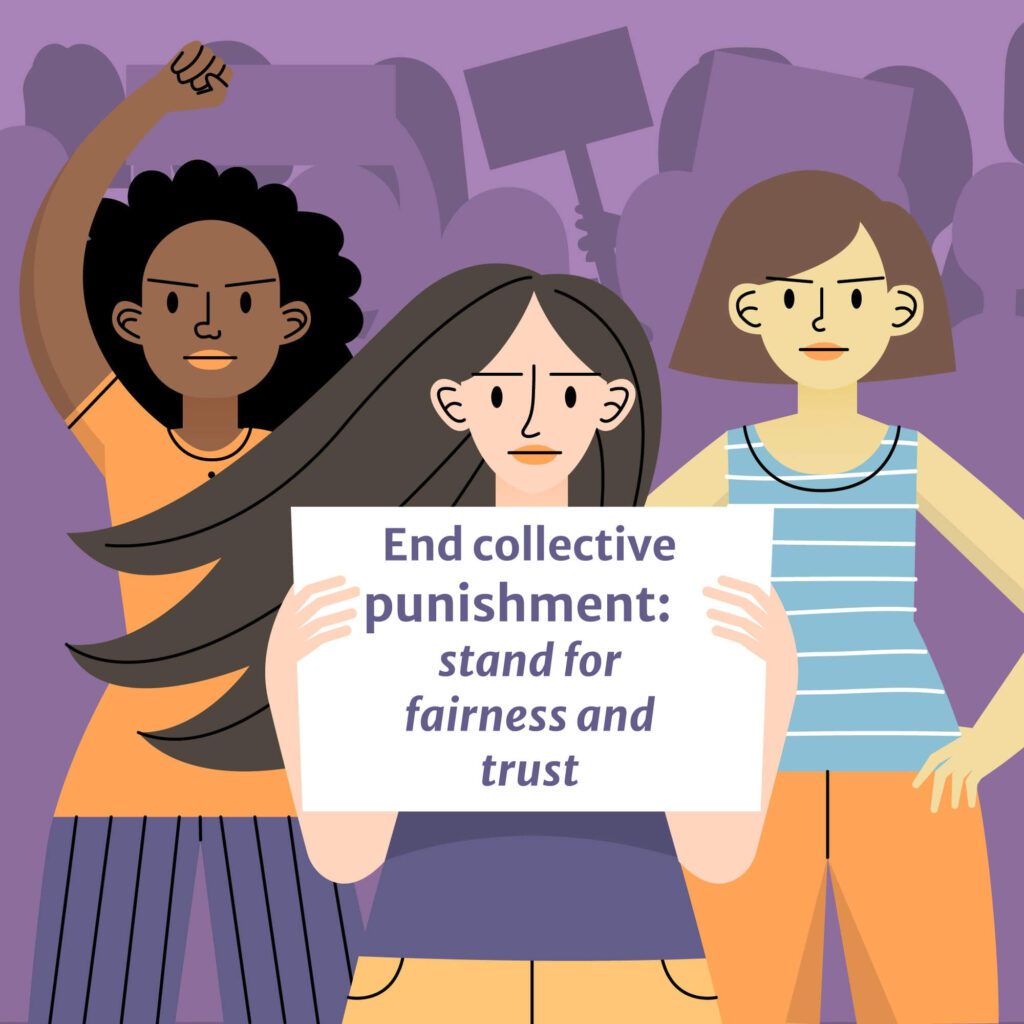
Right to no discrimination
Every child has the right to learn and belong at school without being treated unfairly because of who they are. In British Columbia (B.C.), this Right to No Discrimination means public schools must welcome all students on equal terms, regardless of their race, Indigeneity, colour, ancestry, place of birth, religion, family background, sex, sexual orientation, gender identity, disability,…
-

When energy returns: on finding purpose, refusing silence, and recovering from institutional harm
When I could barely rise from the couch, I believed my exhaustion was depression. Now I see it was the cumulative harm of years spent silencing myself in hostile institutions, suppressing truth to protect my neurodivergent children. The body remembers this violence; it registers as a weight on the chest, a fatigue that resists all…
-
Introducing the school finder: making it easier to act
If you’ve had more than enough of your child coming home crying due to collective punishment, we have a solution: today, we are launching a new tool designed to help families, advocates, and educators challenge collective punishment in British Columbia schools. The school finder makes it easy to search for your child’s school and take immediate action.…
-

The ABCs of engineered scarcity
A learning module for educators, caregivers, and community members resisting austerity logic in public systems. Engineered scarcity operates like a slow haemorrhage, draining public education of the resources it owes every child while masking that attrition behind soothing administrative dialects; this primer sets out to rupture that façade by naming, in alphabetical precision, the tactics…
-
The scarcity script: how manufactured famine shapes public education
British Columbia’s public schools are not suffering from a natural shortage—they are operating under a system of manufactured scarcity. This blog explores how austerity, rationing logic, and institutional self-preservation create harm for disabled students and their families. Drawing on thinkers like David Graeber, Wendy Brown, Ruth Wilson Gilmore, and Mariana Mazzucato, it reveals how scarcity…
-

Arrow Lakes School District (SD10): a neurodiversity-informed policy critique
The Arrow Lakes School District’s Policy 310, “Expectations for Student Conduct,” presents a succinct framework grounded in the language of safety, mutual respect, and orderly environments. It affirms the importance of rights-based protection against discrimination and sets the expectation that all schools will maintain up-to-date, locally developed codes of conduct. It allows for discretion, acknowledges…
-
The price of being the one who says the hard thing
There is a moment that plays out in a thousand variations—at school pickup, on the playground, during track and field events—when a parent turns to you, warm and casual, and says, “How are things?”, and for the briefest fraction of a second, you forget the rules and answer honestly. You begin to speak—not with rehearsed…
-

I brought my lunches in yoghurt containers
I brought my lunches in yoghurt containers—garlicky stir-fries, bright with tamari and heat—and sat beside children with white bread and bologna, quietly learning that normalcy was measured in silence, sameness, and smelllessness. I wasn’t bullied. I was strange. And strangeness, in childhood, is its own kind of exile.
-
The devastating impact of collective punishment
This is what collective punishment looks like. It teaches children that their belonging is conditional. It tells disabled students that when they slip up, they will not only be punished, but publicly shamed. And it tells their classmates that inclusion is dangerous—that proximity to a neurodivergent peer puts them at risk.