
Compliance culture
The school-wide expectation that students conform without question—regardless of their developmental stage, disability, or distress.
-
Rocky Mountain School District (SD) inclusion education update
I found an update in the October 14, 2025 board meeting package, starting on page 45. The update opens by outlining the provincial model so trustees and families understand the constraints shaping services. BC uses a model created more than twenty years ago, which places most learning support funding into the general per-student allocation. Only…
-

Pacific Heights Elementary School (SD36): a neurodiversity-informed policy critique
The Pacific Heights Elementary Code of Conduct positions the school as a community of “learners (curiosity, humility, engagement, wonder, delight, creativity, collaboration, passion)” and emphasises “care for self, others, and the environment,” framing positive relationships as “foundational to learning.” This aspirational preface signals a relational ethos. Yet the operational sections reveal a blend of restorative…
-
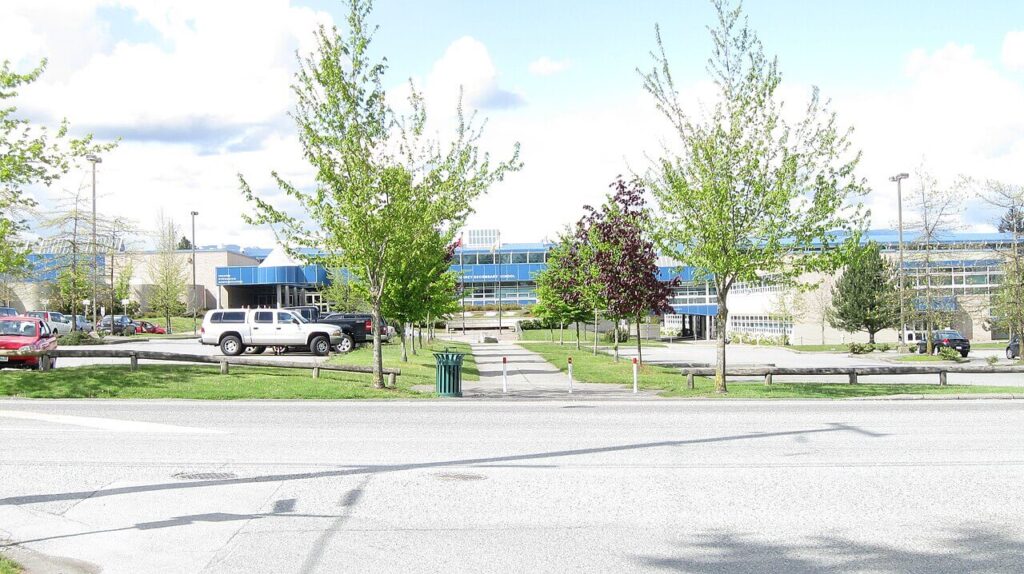
North Surrey Secondary (SD36): a neurodiversity-informed policy critique
North Surrey Secondary’s 2024–25 Parent/Student Handbook presents itself as a practical guide to daily school operations, but its conduct code reveals a disciplinary framework anchored in behavioural control, punctuality, and compliance. Its language reflects a pre-neuroscience understanding of student behaviour, one that frames regulation as obedience, distress as misconduct, and support as conditional upon conformity.…
-

Look at how resilient I am
The discourse of the resilient subject converts structural scarcity into personal virtue, masking the institutional conditions that generate exhaustion.
-
On children, war, and remembrance
Each November, we are asked to pause—heads bowed, hearts heavy—to remember the lives destroyed by war. Yet remembrance without reckoning becomes ritual, a polished echo of conscience that lets the same moral logic continue unchallenged. Every essay in this series has exposed a fragment of that logic: how endurance became virtue, how obedience replaced empathy,…
-

The architecture of blame
Before my kids were hurt at school and i was left to pick up the pieces, I tried to make things easier for everyone—packing lovely lunches, remembering birthdays, sending notes to teachers, keeping the peace. I thought that being organised and kind could protect us. I thought that if I stayed composed, things would stay…
-

The longest deployment: sending my son to school
A reflection on maternal vigilance in a system that demands composure while inflicting harm. This essay follows a mother’s daily act of sending her autistic son into an environment that equates obedience with virtue and endurance with progress. It traces the quiet moral injury of cooperating with institutions that repeatedly harm the children they claim…
-
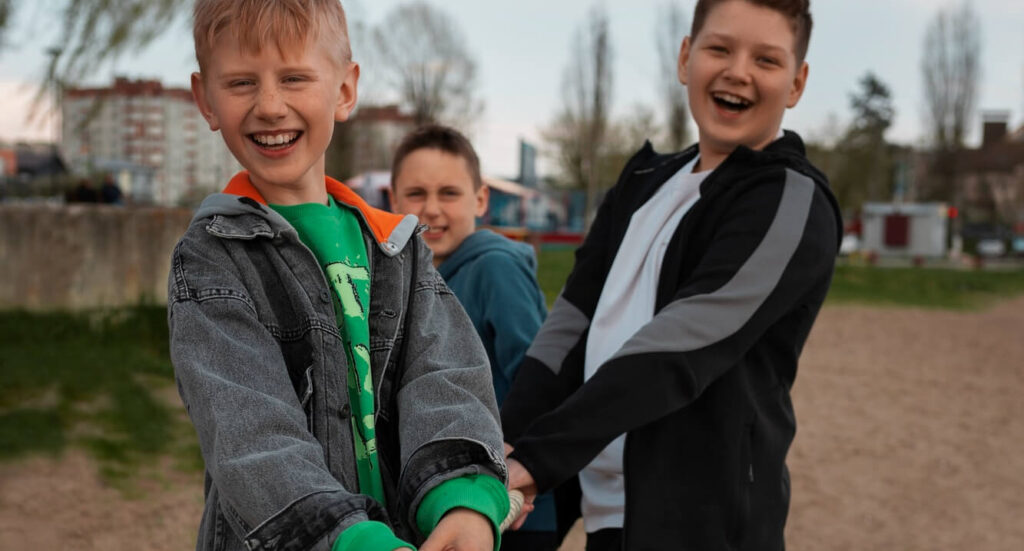
A war on joy: discipline, obedience, and the disabled body
An examination of how education absorbs military and capitalist values—discipline, endurance, and efficiency—until joy becomes a threat to order. This piece argues that the rationing of joy for disabled students is both an ethical and structural failure, transforming learning into control and endurance into a false measure of worth.
-

What they say when you leave the meeting
Canary Collective’s piece The Apple Doesn’t Fall Far from the Tree: What’s Said About Parents After They Leave the Room tells what often happens after parents leave a school meeting. The talk shifts away from the child and turns toward the parents. People start guessing what is “wrong” at home instead of asking what the…
-

They wanted it to be our quiet shame
Lily Allen says, “No one fucks with me and gets away with it.” The line lands like a gavel. Twenty years ago, that kind of declaration would have drawn eye-rolling about bitterness or oversharing. Now it reads as equilibrium, a woman reclaiming authorship after a decade of being translated by everyone but herself.
-

Systemic grooming and the illusion of care
The Canary Collective has written Systemic grooming and the illusion of care, a piece that captures, with devastating precision, what many educators and parents have felt but could rarely name: the way institutional systems cultivate obedience through the slow corrosion of self-trust. It describes how loyalty becomes a leash, how “teamwork” becomes surveillance, and how…
-
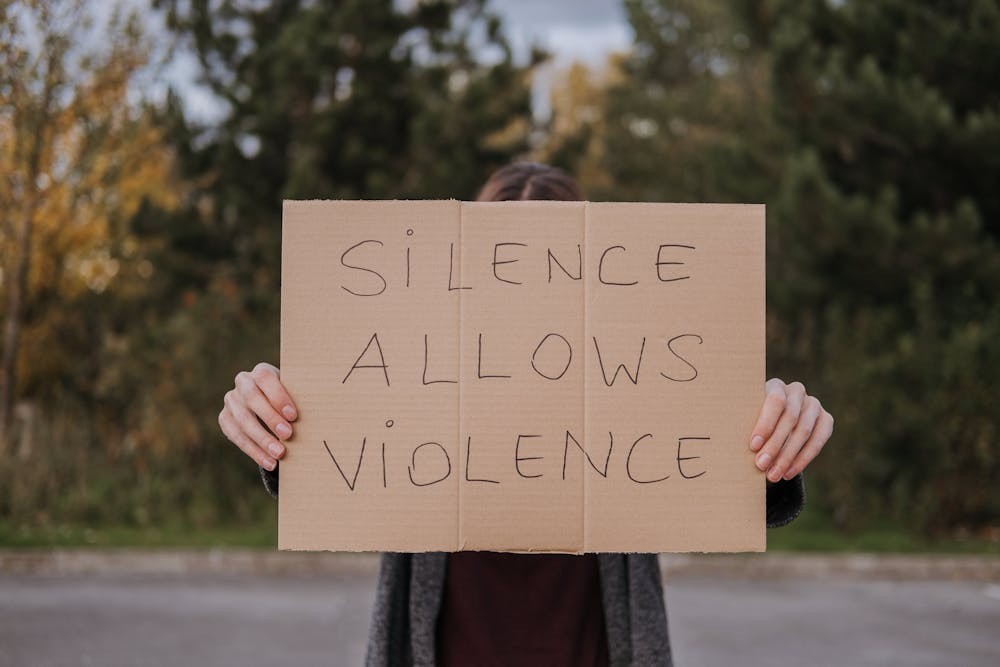
A primer on truth for youth
If you’d told me last year that a man would feel emboldened to stand up in the UN and call the UN special rapporteur a witch and accuse her of trying to ‘curse Israel with lies and hatred’ I would have Googled to see if it was fake news! But then with the second presidency…
-

Raised inside the broken home of public education
Every society tells itself that public schools are good homes for children. We picture safety, fairness, and care distributed through the hallways like sunlight. Yet affection without protection becomes a kind of gaslight, and the insistence that everyone inside means well becomes a substitute for justice. We praise the intention instead of confronting the injury.…
-

Incident Ipsum: decoding the bureaucratic poetry of school emails
It began, as so many things do, with a friend forwarding an email she could hardly parse. The first message made little sense; the follow-up from a case manager arrived dense with jargon, couched in performative empathy, and copied unnecessarily to a wider audience. The tone was professional. The effect was punitive. The email accomplished…
-
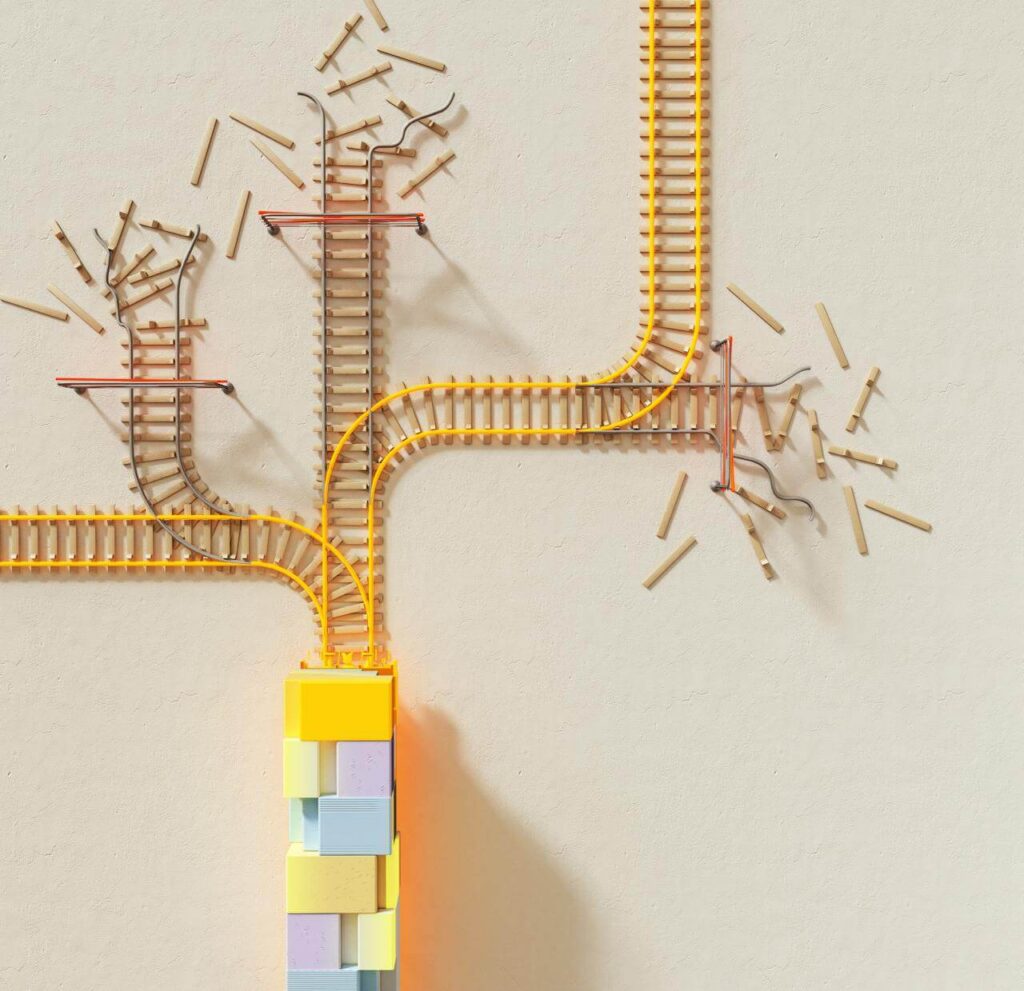
UIP and the business of education
Vancouver’s Urgent Intervention Process—once called the Multi-Disciplinary Intervention Support Team, or MIST—was designed to respond when schools reached the limits of their capacity to support a child in crisis. The name once suggested a circle of professionals surrounding a child with care. As the system evolved, it became the Urgent Intervention Program, still implying at least a budget, a…
-

Coats, care, and control: microaggressions, ableism, and the moral surveillance of mothers
Every autumn, as the rain returns and hallways fill with dripping boots, an unremarkable genre of school communication re-emerges: the gentle reminder, the kind note, the message of concern about whether a child has a coat. The tone, perfectly calibrated, performs care while enacting surveillance. “I hope your child had a good rain jacket, umbrella,…
-

North Okanagan-Shuswap (SD83): a neurodiversity-informed policy critique
School District 83’s Policy 310 Student Code of Conduct, amended December 14, 2021, presents itself as a framework for “safe, respectful, and inclusive learning and working environments for all members of its school communities.” The policy commits to restorative approaches, acknowledges that consequences should be “preventative and restorative in nature,” and states explicitly that “appropriate…
-
Side-by-side comparison of the VSB plan and a meaningful accessibility plan
The Vancouver School Board has released an accessibility plan that presents itself as a generous gesture toward inclusion, offering aspirational statements about equity, belonging, and shared responsibility, yet the document carries a softness that obscures the lived gravity of disabled students’ experiences and the profound emotional labour that families expend while navigating systems shaped by…
-
Serpentine Heights Elementary (SD36): a neurodiversity-informed policy critique
Serpentine Heights presents its Code of Conduct as an affirmation of safety, inclusion, and communal care. The opening commitments describe a school that values belonging, co-constructed routines, and dignity for every learner, offering a vision of education rooted in relational safety and shared citizenship (p. 1) . This framing gestures toward a caring culture, one…
-

The children don’t see autism, they see meanness
How schools weaponise ableism through gendered care expectations. Harm amplified by systemic ableism The principal once told me, almost as an aside, that the children “don’t see autism, they see meanness.” It was meant as an explanation, but to me it landed as an indictment of a school culture—to let that ableist misunderstanding stand unchallenged.…