
Compliance culture
The school-wide expectation that students conform without question—regardless of their developmental stage, disability, or distress.
-
The meeting was on their birthday
It was the twins’ birthday party day and I was meant to be somewhere soft. I was meant to be preparing a cake, or folding small clothes, or breathing in the warm scent of their hair in that quiet way mothers sometimes do when the day still belongs to them. But instead I was seated…
-
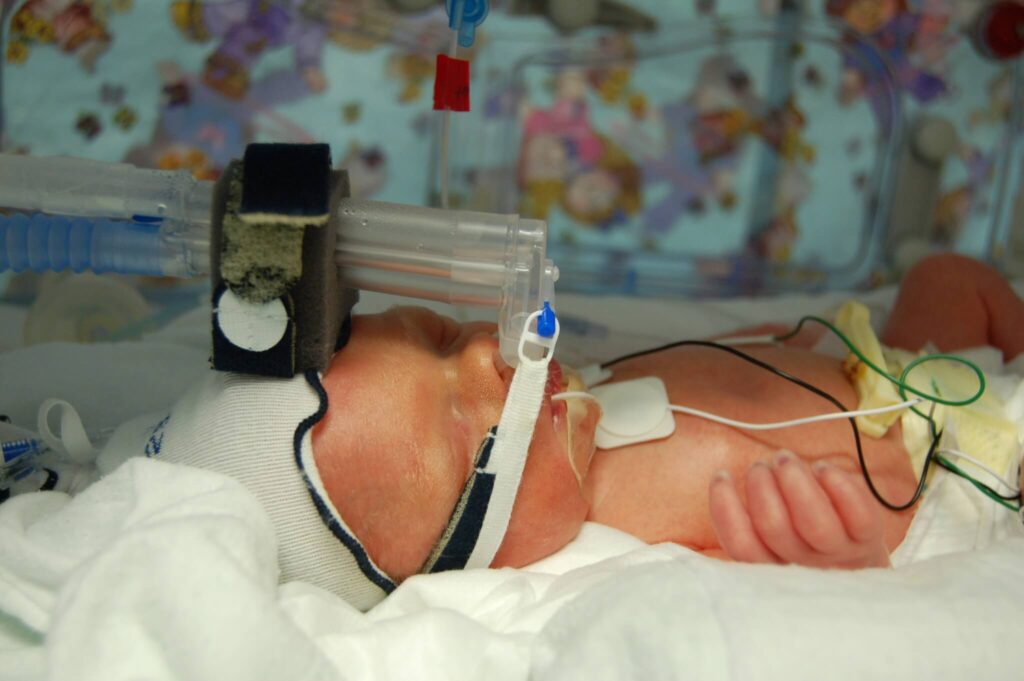
Bound by blood
Maternal embodiment and the unbearable violence of institutional disbelief. We were once one body There is a biological, emotional, and moral reality so fundamental that no policy manual can contain it, and no professional training can domesticate it—my child once lived inside me. His limbs pressed against my ribs before they ever touched the outside…
-
Why I’m reviewing school codes of conduct
To the student who found this page because you typed something scared or confused or angry into a search bar—something like “are teachers allowed to take away recess?” or “can I be suspended for a meltdown?” or “why did my teacher say I wasn’t trying hard enough when I couldn’t stop crying”—this is for you.…
-
Institutional gaslighting of caregivers
You refuse to forget, because forgetting would mean abandoning your child’s reality—and you have already watched too many adults do that with a straight face and a professional tone. You refuse to downplay what has happened, because the harm is not theoretical—it lives in your child’s nervous system, in her school avoidance, in her refusal…
-
Food, rewards, and collective punishment in the classroom
It might seem harmless. A teacher stands before a class with a box of lollipops or a bag of Freezies, offering them as a reward for good behaviour. But there’s a catch: everyone only gets one if everyone behaves. What appears—on the surface—as a treat, quickly becomes a threat. For neurodivergent children, food-based group rewards…
-
Becoming neurodiversity affirming means listening to Autistic people—not managing them
Too many school-based approaches still centre on control: eye contact, quiet hands, forced compliance, and the suppression of stimming, protest, or joy. But Autistic advocates have been clear: these methods may produce short-term behavioural conformity, but they come at the cost of safety, trust, and long-term mental health. Compliance is not connection. Masking is not…
-
Punished for bed wetting
I’ve woken up in the middle of the night to help my children when they’ve wet the bed—perhaps after a bad dream or too much water before bedtime. I remember helping them change their clothes, stripping the bed, telling them gently: it’s okay. It happens. It’s a small moment that reminds me what care looks…
-

Fight flight fawn freeze: surviving school
There are children who throw chairs when cornered, children who slip quietly out the door or hide behind the portable, children who don’t speak for hours, who go limp, who answer every question with “I don’t know,” and children who nod and smile and say “okay” to everything—until they collapse at home, trembling and broken,…
-
When they knew it hurt, and did it anyway
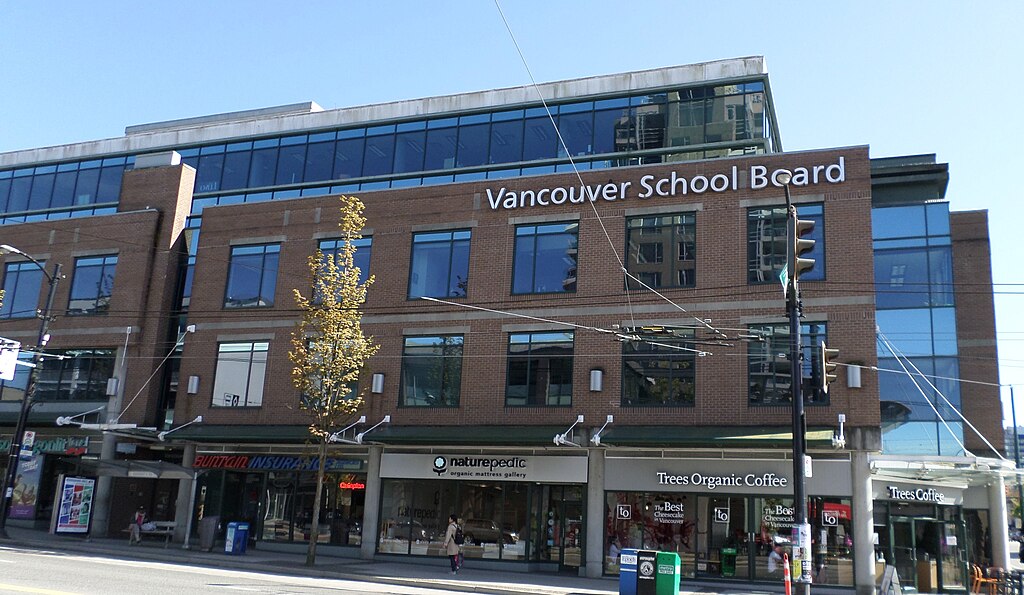
I was clear. I was specific. I was unwavering. I told the Vancouver School Board that I believed behaviourist strategies were harmful, violated my child’s dignity, and contradicted our family’s ethics—and that continuing to use them without consent would cause further harm. They used them anyway. Over and over, the school district returned to strategies…
-
How it broke me open: the unbearable clarity of seeing things as they are
I know another reason the collective punishment incident was so devastating for me, like truly sent-me-spiralling kind of devastating, wasn’t just because of what was done to the kids (although yes, obviously that too), but because of what it broke in me, in how I’d been holding things together for so long with this scaffolding of…
-
The cost of being careful: how punishment rewires the brain for fear, not learning
There are classrooms where children learn to think, and there are classrooms where children learn to be careful. Too often, we pretend they are the same. But when punishment—especially collective or public punishment—dominates the emotional tone of a learning space, what emerges is not intellectual risk-taking or social responsibility. What emerges is fear. Surveillance. A…
-
Not a stick in the mud
When I told another mom recently—someone kind, someone well-meaning, someone whose son used to play with mine back when things were easier—that I was feeling fragile about him being home since March, and that it had all gotten heavier than I expected, she responded gently and said, “Would he like to come over for a…
-
How we change culture: From ashtrays to accountability in BC schools
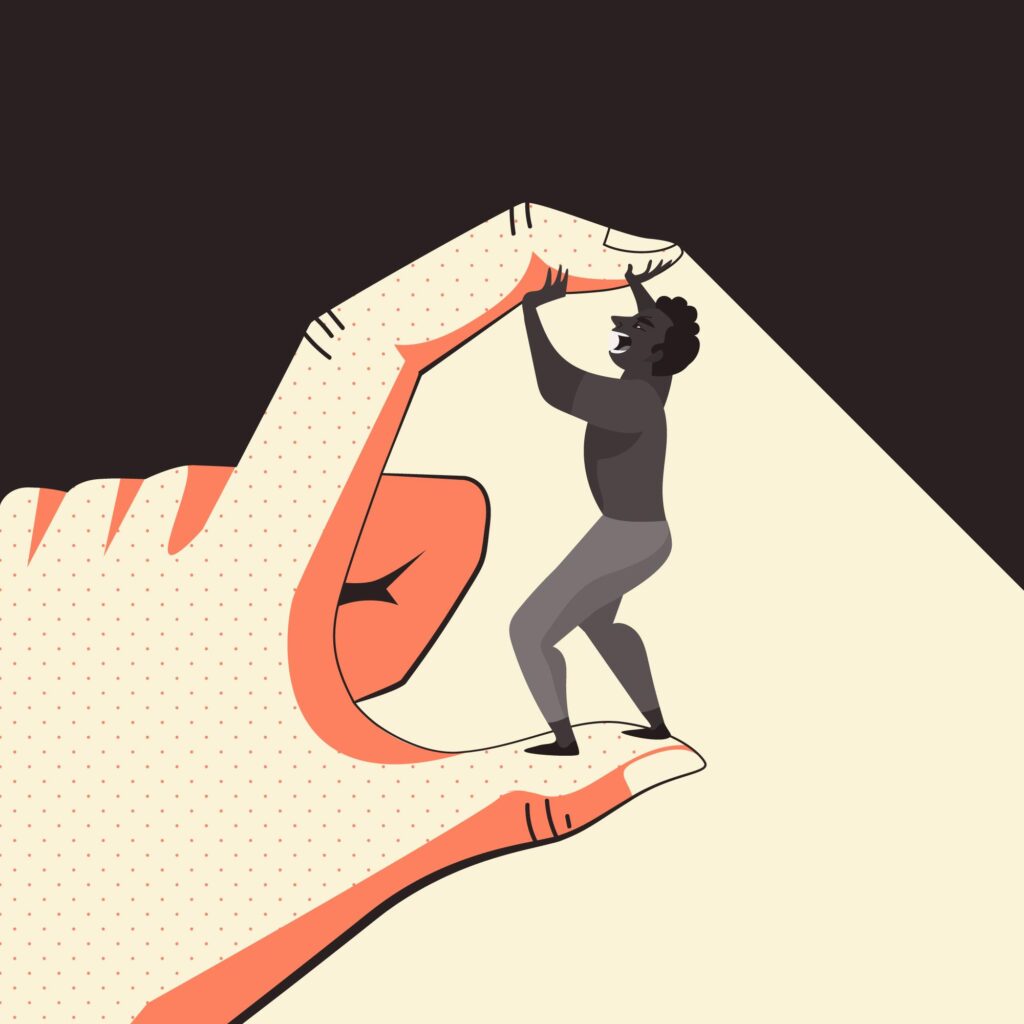
Once, we smoked in office buildings. Not just on breaks or in private spaces—at desks, in meeting rooms, on airplanes. The haze of other people’s choices was something you had no right to escape. That was just how things were. Until it wasn’t. Now, the idea of someone lighting a cigarette during a staff meeting…
-

Columneetza Junior Secondary (SD27 Cariboo‑Chilcotin): a neurodiversity‑informed conduct critique
Columneetza Junior Secondary School 2024-2025 Code of Conduct affirms a mission of fostering respect, individual growth, and a sense of belonging within both school and community. It names safety, caring, and order as essential conditions for “purposeful learning.” The document outlines rights, responsibilities, and behavioural expectations for students and broader school actors, including parents and…
-

The moral cost of leaving children in fight-or-flight
Robin was eleven the day he fell and came up swinging. It was recess, and something had happened—a misstep, a bump, a collision on uneven ground. His body hit the pavement. And when he rose, disoriented and humiliated, the first thing in his path was his best friend. So he struck him, over and over.…
-

Gaslighted by proxy: how schools grant coercive power to the quietest parent
When one parent advocates and the other undermines, the school almost always aligns with the one who “gets along.” Not because that parent is more informed, more accurate, or more protective—but because they are easier to accommodate. They agree easily. They stay quiet. They don’t write long emails. They rarely attend meetings. They couldn’t draft…
-

Apparently, starving yourself isn’t a serious mental health condition in VSB
There is a kind of harm that unfolds slowly — a hunger that accumulates across weeks and months, tucked beneath the surface of routines and well-meaning systems. My daughter is autistic, has ADHD, and a feeding disorder called ARFID. She eats quietly, cautiously, in ways that make sense to her nervous system. Her paediatrician recommended…
-
What would it really cost to fix the problem?
We talk so much about the cost of inclusion—as if it’s indulgent, optional, something that must be justified—but we rarely talk about the cost of exclusion. And those costs are everywhere: in emergency rooms, in overburdened case files, in classrooms where distress goes unseen. When schools can’t support disabled students, families fall apart trying to…
-

We shouldn’t be enemies
I took my daughter for a manicure this week. She’s graduating from grade 7. A milestone. A moment that felt almost ordinary—slideshow, applause, plastic chairs, nervous grins—and yet there was nothing ordinary about what it took to get there. Vocabulary for what happened Class change She spent seven months of this school year outside the…
-

Galiano Community School (SD64): a neurodiversity-informed policy critique
The 2022–23 Code of Conduct for Galiano Community School is unusually rich in aspirational language. It describes a community of care rooted in mutual respect, emotional development, and responsive teaching. It affirms the BC Human Rights Code, references Positive Behaviour Support, and anchors its behavioural framework in the values of SOLE—Respect and Care for Self, Others,…