

Compliance culture
The school-wide expectation that students conform without question—regardless of their developmental stage, disability, or distress.
-

Fraser Cascade School District (SD78): a neurodiversity-informed policy critique
The updated 2024 Code of Conduct for SD78 arrives in the context of a newly adopted Diversity, Equity, and Inclusion policy that promises proactive protection for students across multiple identity dimensions. At first glance, the Code carries forward much of the language from its 2017 predecessor—including commitments to prevention, fairness, and restorative practice—and now adds a new section…
-
Our goals are not the same: ableism in bc public school
I want my children supported to grow and learn; schools uphold ableism by demanding they mask compliance or feign helplessness for support.
-
The orange shirt I folded
I was folding laundry late one night, brain running on the kind of background grief that rarely quiets, when my hand closed around the orange shirt. I moved to set it aside—automatically, instinctively—because I remembered September was coming, school would be starting, and Orange Shirt Day would follow quickly after. That shirt would be needed…
-

Flourishing as an ethical imperative
Like many of you, I caught CBC’s Ideas episode the other day, where philosopher Angie Hobbs spoke about the ancient Greek concept of eudaimonia—a term sometimes translated as happiness or welfare, but more richly understood as human flourishing. In a world flooded by crisis, it may seem indulgent or impractical to contemplate the good life,…
-
A thousand cranes, a thousand truths
When I was a little girl, I folded cranes. Hundreds of tiny, meticulous, brightly patterned creatures, each creased into being by the stubborn, lonely determination of a child who could sense that the world was coming undone and wanted, somehow, to hold it together. I folded them from the paper margins of my workbook, from…
-
How schools weaponise growth against disabled students
In the architecture of public education, few concepts are more universally praised—or more fatally misunderstood—than independence. Cloaked in progressive language about agency, resilience, and growth, the independence mandate is often wielded less as a vision for liberation than as a strategy of withdrawal. For disabled students, particularly those who have learned to endure, mask, or…
-

How schools plan to fail autistic girls while pretending to support them
In January 2025, my daughter’s school closed her Urgent Intervention Plan with a calm, administrative gesture that belied the violence of what had taken place—not only in the school hallways, but in the documentation itself. It came wrapped in phrases like gradual re-entry, verbal reinforcement, and classroom reintegration, but what it really contained was a careful distortion of…
-

Confident Parents, Thriving Kids—unless you’re autistic
Why school systems should reject behaviourist programs disguised as mental health support. Our daughter was melting down almost every day after school. She would cling to me at drop-off like she was drowning—like she had to hold onto me or she would lose herself, unable to breathe, unable to bear it. She was already telling…
-

My neighbour asked if I wanted to talk to her friend who is a social worker
It was meant as kindness, like she’d mistaken my roaming the neighbourhood bawling as some sort of cry for help instead of just my typical state as I sift through the details of ten years of institutional harm. I weep because I feel pain and I’ve had to trap it inside and I’m fucking done…
-
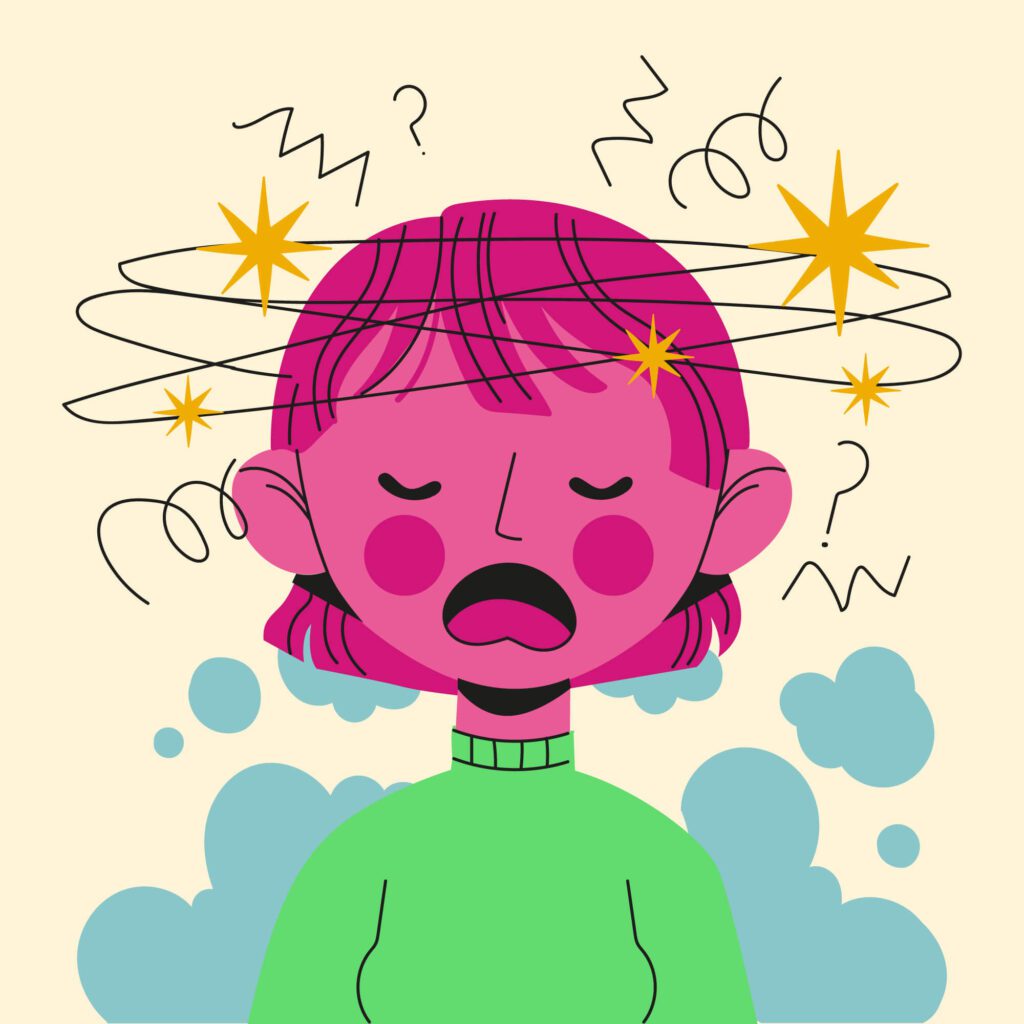
Field notes from the frontlines of maternal disobedience
This essay charts the intellectual and emotional ground I’ve been covering lately—disability justice, compliance logic, institutional betrayal, and legal clarity. Each section links to a recent piece of writing that names harm, traces its structural origins, and places language around what advocacy does to the body, the mind, and the moral life of a family.
-
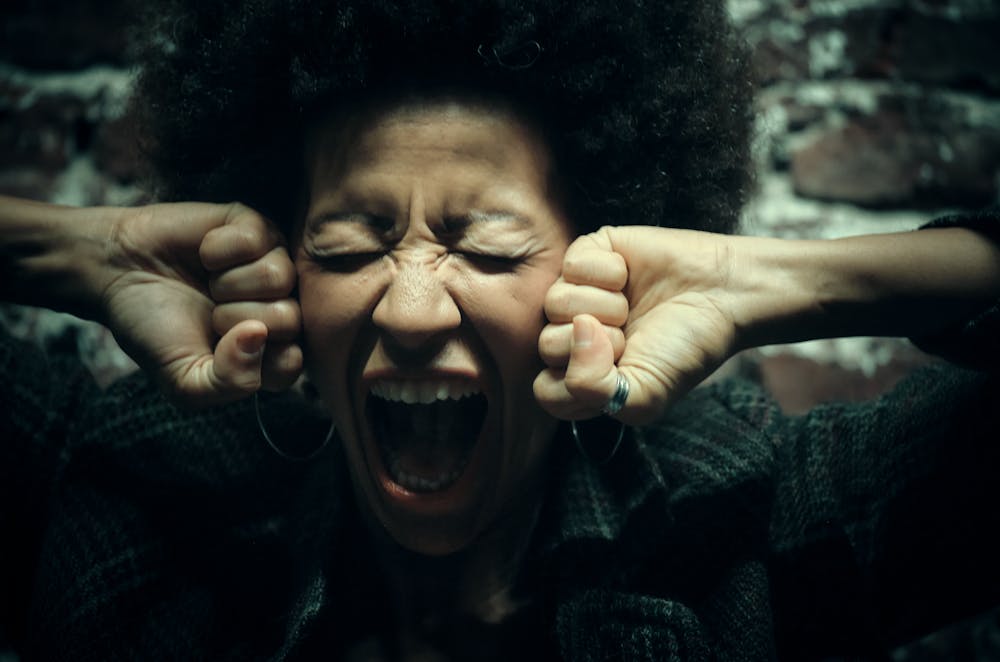
Fierce is fair: when institutional tone policing meets legal obligation
There comes a moment when a parent begins to speak in plain terms, with no softening edge, no accommodating smile, no fear of being perceived as uncooperative. It’s when you realise that you won’t be liked, no matter how hard you try, because your advocacy positions you as inherently unlikable by schools with their current…
-
Shining a legal light on advocacy conversations
How to speak from a foundation of human rights while staying grounded in care. Firm, quietly defiant responses for families navigating school denial, delay, or deflection—centred on Kim Block’s Summer Series on the duty to accommodate. Each tip translates legal obligation into everyday language, illuminating the difference between disagreement and discrimination.
-

What looks like a reward is often a repair
When a child returns from the office with gummy worms or a cartoon, it may look like a reward—but often, it is a repair. In a system built on scarcity, the smallest gesture of care is mistaken for indulgence. This essay reframes the narrative around “rewarding bad behaviour” to reveal what is actually happening beneath…
-

Why clarity gets punished
I’ve written about documentation, tone policing, gatekeeping, gaslighting, institutional betrayal, and grievability and legitimacy separately, butsometimes it helps to see those pieces in conversation—because together, they reveal something larger. This post draws together the threads of clarity, competence, and credibility, and asks: why do systems recoil when mothers speak plainly about harm? Why does it…
-

The right amount of agony in BC schools
After watching my children endure eight years of institutional failure, eight years of exclusion disguised as discipline and support withheld under the language of inclusion, I have come to several conclusions. Certain forms of suffering—like being agonised inside—do not draw support because they do not disrupt the adult’s flow, do not demand intervention with noise…
-

The collective punishment of delayed care
There is a particular cruelty in delayed care, of watching a child falter for weeks or months while teams gather data, debate thresholds, and cite process. It is the cruelty of waiting for collapse before responding, of constructing intervention around crisis instead of prevention. And when the child finally does break, when their distress spills…
-

On masking and self regulation
One of the most surprising and disorienting lessons I’ve learned—through parenting neurodivergent twins, through surviving the school system alongside them, and through slowly unmasking myself—was this: You can’t fake regulation You cannot breathe slowly enough, sit still enough, or smile warmly enough to convince a child you are calm when your nervous system is in…
-

So you want to write a blog? I think you should!
If you’ve been carrying stories that feel too heavy to hold alone—email drafts, meeting memories, car-cry voice notes, or a feeling in your chest that something must be said—then I believe you’re ready. You don’t need perfect grammar, a polished voice, or a plan.
-

How I learned to go first
I once worked in a place where we were asked to introduce ourselves using Pecha Kucha—a rapid-fire storytelling format built around images and timed narration, ten minutes of revelation under pressure. Unfortunately, when the team building day arrived, they called on me first, to do my presentation. With no warning, no scaffold, no gentle framing to…
-

Introductions are an access issue
Every structure carries weight. And when you ask us to begin with a name and a smile, but offer no container for safety, you are asking us to choose between authenticity and self-preservation. What seems simple is often a site of harm For people whose presence in institutional space is routine and unremarkable—those whose titles…