
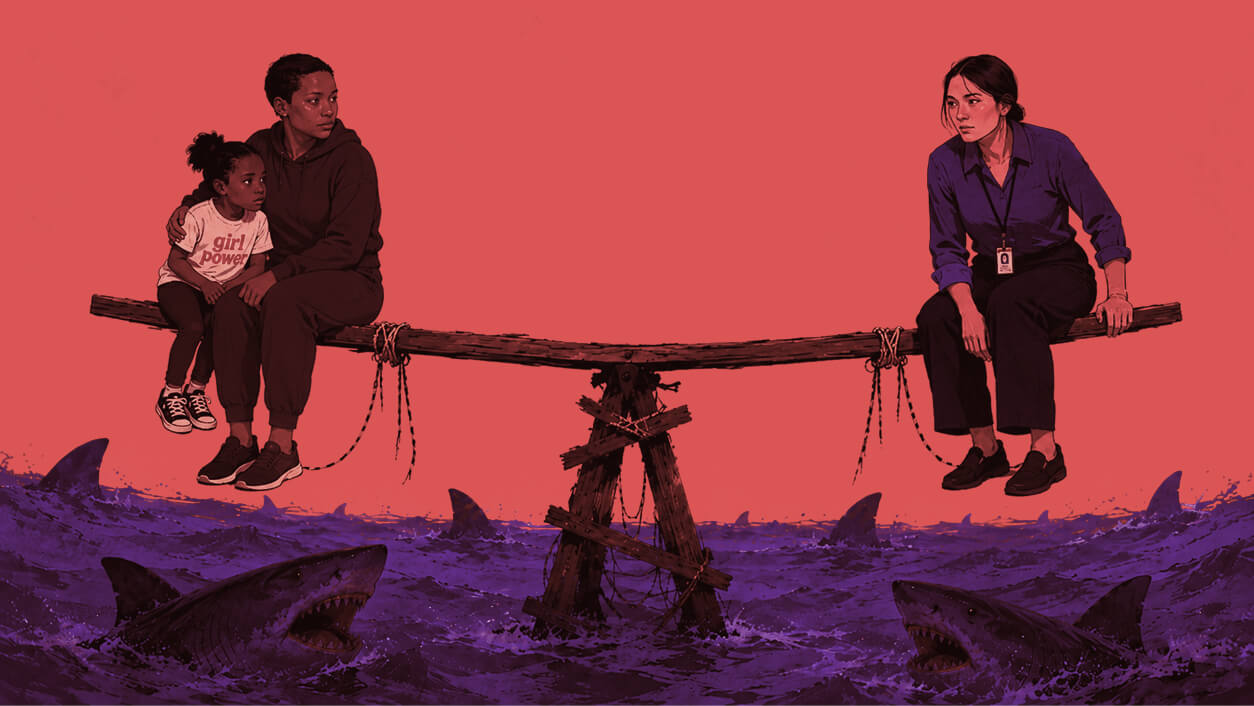
Debility
Debility describes the condition of being rendered functionally diminished—not solely by illness or impairment, but by social, political, and institutional forces that withhold care, recognition, or access. Unlike disability, which can carry identity, rights, and collective belonging, debility often operates in silence: a slow erosion of capacity caused by austerity, punishment, burnout, exclusion, or trauma. Debility also names the condition of possessing capacity without status—of being positioned to perform essential labour (supervision, de-escalation, crisis intervention, physical care) while systematically denied the structural supports, professional protections, or institutional authority that would make that labour sustainable or safe. In this sense, debility operates on caregivers as well as care recipients: workers absorb violence their roles require them to manage but which no system adequately resources them to prevent, their bodies accumulating injury in service of institutions that treat that injury as individual failure rather than systemic design. This tag brings together writing on how schools, systems, and policies produce debility in both children and caregivers—through neglect, disbelief, denial of support, forced containment, or the extraction of feminized care labour under conditions engineered to exhaust. It offers a lens for understanding not only who is marked as impaired, but who is made unwell by institutional design, and how that debilitation serves institutional purposes by absorbing failures that would otherwise demand accountability.
-
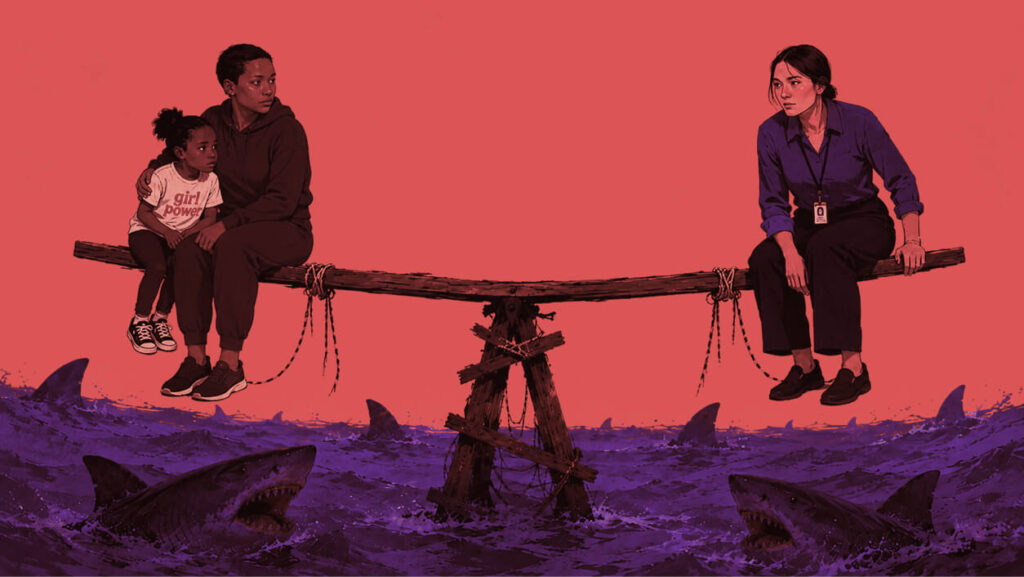
On opposite sides of the same door in BC schools
Families and teachers are describing the same failure from two positions inside it. The system survives by keeping them from recognising each other.
-

Try harder, try different
On the pedagogy of “people are not supports,” the research it misreads, and what happens when an idea is transplanted into a starved system.
-

Be pleasant so others won’t get upset
What a twelve-year mortality study measured, and what it accidentally wrote down: the code of conduct every district hands a mother on her way into the room. You learn it in your hands before you learn it anywhere else. At the table you fold them in your lap, you soften your face into the shape…
-
Iatrogenic harm and the parent advocate: how school systems produce disability in the families they fail
The body keeps the account even when the institution refuses to. What the school system produced in the parent who spent years trying to hold it accountable is not caregiver burden — a word that belongs to the person carrying it — but iatrogenic harm: specific, dated, attributable, and fully known to the institutions that…
-

When improvement tolerates death: why schools must stop the line
Education systems insist they are engaged in continuous improvement. They invoke cycles, frameworks, data dashboards, and action plans to demonstrate seriousness and care. But children are killing themselves in every district, every year. Disabled children are being excluded, isolated, placed in hallways, sent home early, or left to deteriorate while plans are written. The question…
-
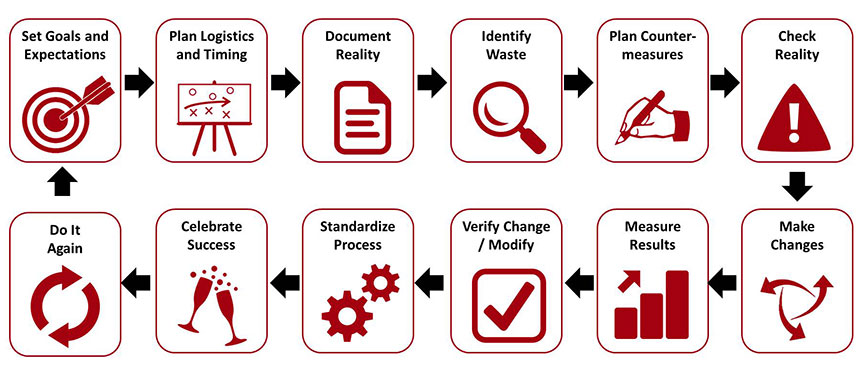
Manufacturing acceptable loss: why parents must resist education’s factory logic
Districts describe their work using the language of continuous improvement, capacity building, resource optimisation, and evidence-based allocation—borrowing terminology from industrial production systems designed to manufacture widgets efficiently, to minimise waste, to maximise throughput, to tolerate predictable defect rates within acceptable margins. This vocabulary reveals the underlying logic: education systems increasingly operate as though children are…
-

Justice and dignity too expensive for BC NDP
In 2018, experts told BC exactly how to fix special education funding. The government has spent five years “consulting” instead. Meanwhile, your child sits in hallways. The 192% problem nobody wants to fund Between 2015 and 2024, autism designations in BC schools exploded by 192%. Total student enrolment? Up just 11.6%. The province knows this. They…
-
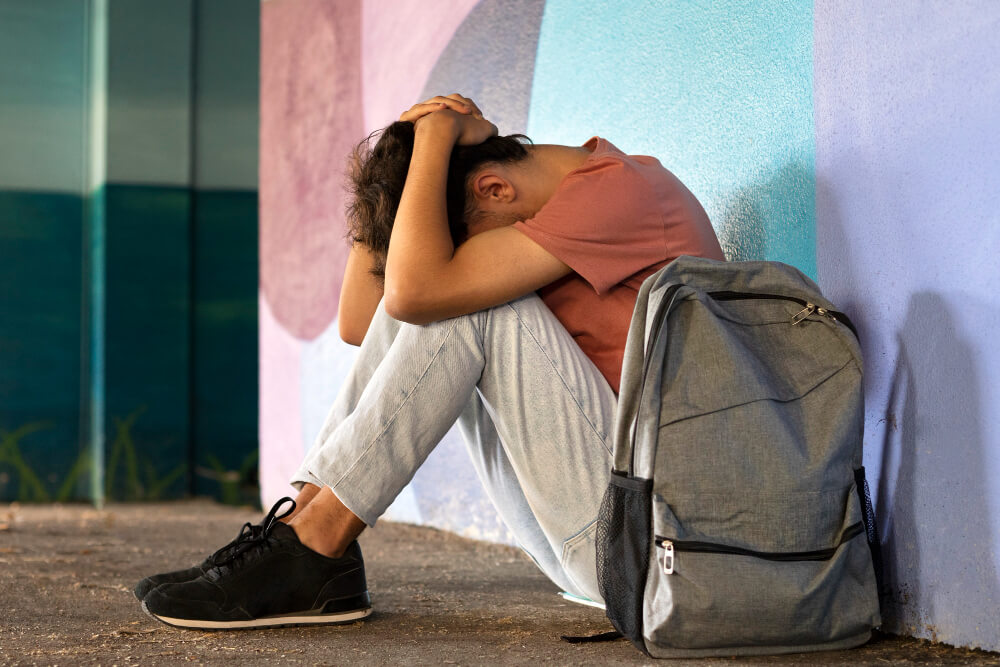
When delay becomes policy: British Columbia’s strategic abandonment of disabled students
In 2018, an independent panel reviewed how British Columbia funds kindergarten through grade twelve education and recommended a prevalence model for special education funding, a shift that would allocate resources based on statistical prevalence of disability within the general student population rather than on individual diagnostic designation. The proposal threatened to expose what the existing system carefully…
-
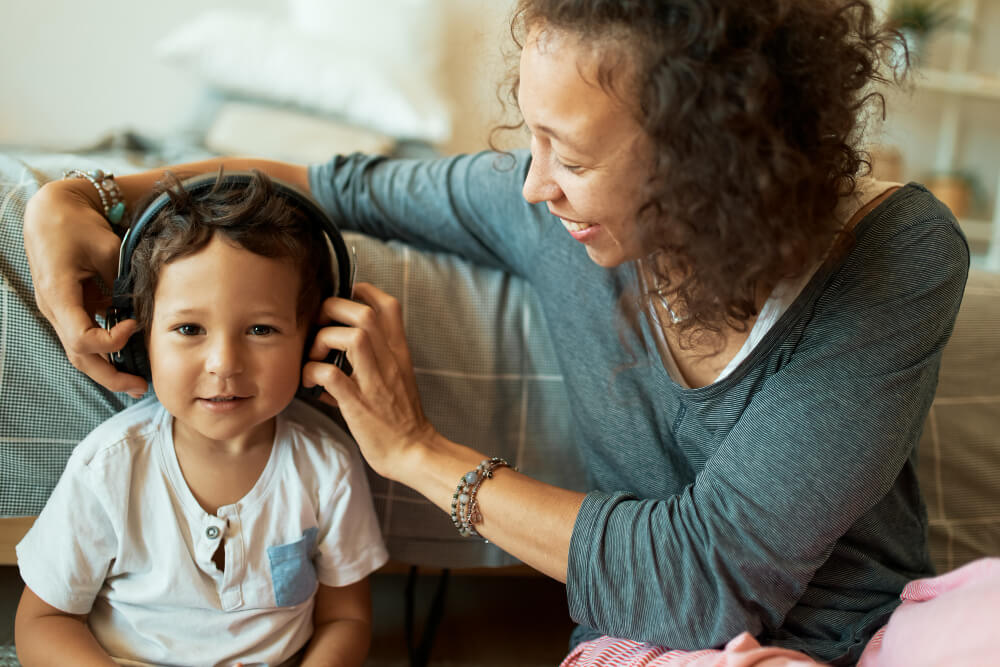
The long tail of Covid: on disability and school absences
I would like to acknowledge the shared labour of our community, because this interpretation arises from absorbing the stories that circulate within our community, where families describe the daily calculus of parenting, the emotional and physical toll of mornings, and the persistent hope that someone will finally recognise the scale of labour required simply to…
-
On anhedonia and institutional harm
Anhedonia is defined as the loss of interest, enjoyment, or pleasure in life’s experiences. You may lose the desire to be with others or to do the things that once brought delight. It is often listed as a symptom, as though it arrives like a visitor rather than being summoned by the conditions of your…
-
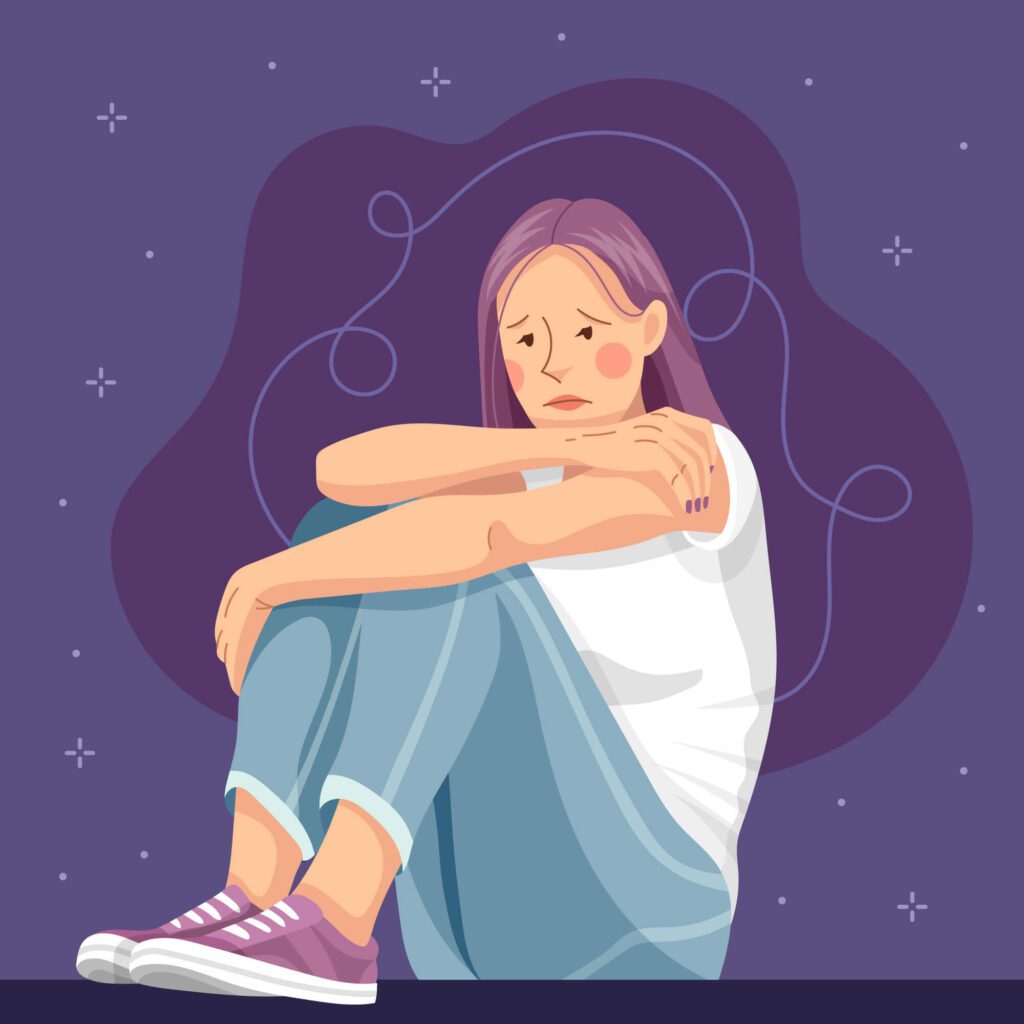
When pain gets too close: Affective economies and the emotional cost of advocacy
I have always been someone who made people uneasy unless I carefully managed my presence—someone whose attention lands too directly, whose knowing shows too quickly, whose intensity disrupts the emotional choreography expected of mothers who ask nicely, grieve quietly, and remain grateful for whatever scraps of support are handed down. I carry detail and radiate…
-
Non-coercive, trauma-informed alternatives to PBS/ABA in BC schools
Positive Behaviour Support (PBS) and Applied Behaviour Analysis (ABA) are behaviourist approaches widely used in schools to manage student behaviour. However, a growing chorus of neurodivergent advocates, educators, and researchers highlight that these methods often prioritise compliance and “normalising” behaviour over student well-being rcpsych.ac.uk. By focusing on making neurodivergent children appear neurotypical (meeting neuronormative standards), traditional PBS/ABA can…
-
Debility is not a diagnosis: What Jasbir Puar helps us see about invisible harm in BC schools
There is a category of harm that most institutions do not name, do not track, and do not treat—because doing so would require them to admit that they caused it. This kind of harm accumulates in the body slowly, like sediment, until what once looked like coping becomes collapse. It is the product of chronic…
-
Debility versus disability: what the system cannot acknowledge
My son Robin took to bed two weeks before March break. He had been soldiering on through the aftermath of a school transfer the district assured us would help him, though his body told me otherwise from the first day he arrived. I’ve seen that kind of shutdown before—at camp, at birthday parties, in classrooms…
-

There’s no such thing as unexpected behaviour
This piece was hard to write. It holds my grief. It documents not only what happened to my child, but how systems made it worse by pretending to be surprised. I share it because too many families are made to carry this alone. Every time I see the phrase unexpected behaviour in a school document, a safety…
-
The cost of masking: What we lose when children perform wellness
This evening, I walked my son down the street toward the place where his father was waiting to pick him up. It was an ordinary hand-off on an ordinary day, except I carried that soft, watchful question I always carry now, held quietly in my chest until the timing feels right. I asked if he…