

Disability Justice
A movement that centres disabled people—especially those who are Black, Indigenous, racialised, queer, and/or poor—in fighting ableism. Focuses on collective liberation, not assimilation.
-
Children as witnesses in institutional spaces
Children do not match the institutional fantasy of the perfect witness. Schools expect crisp chronology, tidy sequencing, and emotion-free narration. What children offer is perception—sharp, immediate, and grounded in the sensory truth of what happened. I learned this when my daughter was still in elementary school, when a playground supervisor grabbed her arm, twisted it…
-
The behaviourist spine of BC’s urgent-response systems
In Urgent behaviour intervention teams in major BC school districts I shared research which identified the intervention teams in many of the larger districts in BC, describing their processes and roles, mostly in the language that they describe their services. This essay attempts to analyse those systems through a disability-justice lens, revealing how roles, processes,…
-

Why the SD23 suspensions report matters for exclusion analysis
While I was looking for more disclosures from school districts to the Ombudsperson, I stumbled on this older document that summarises suspensions in School District 23. The document offers a valuable complement to the exclusion data disclosed by other districts, because it reveals how disciplinary frameworks operate alongside accommodation-framed removals, and this pairing creates a…
-
What research says about school conduct codes and disabled students
This explainer summarises what a small but influential group of scholars have shown about school discipline policies, student codes of conduct, and how these frameworks disproportionately harm disabled and neurodivergent students. It draws especially on the work of Catherine K. Voulgarides, Russell J. Skiba, Daniel J. Losen, David Osher, and Edward Fergus. Where possible, citations…
-
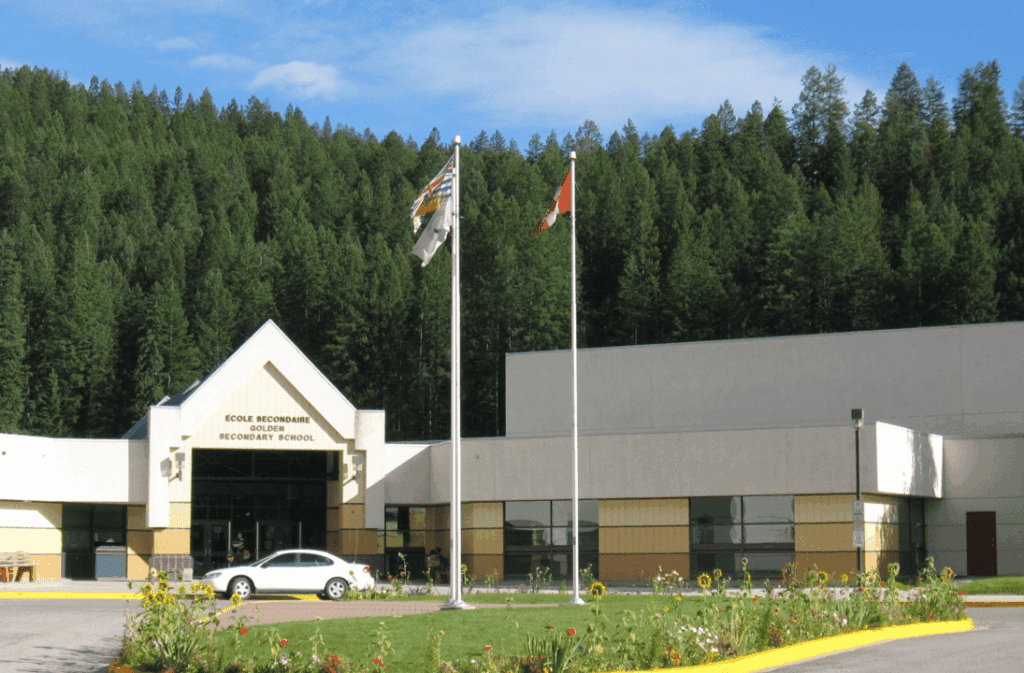
Rocky Mountain School District (SD) inclusion education update
I found an update in the October 14, 2025 board meeting package, starting on page 45. The update opens by outlining the provincial model so trustees and families understand the constraints shaping services. BC uses a model created more than twenty years ago, which places most learning support funding into the general per-student allocation. Only…
-

Pacific Heights Elementary School (SD36): a neurodiversity-informed policy critique
The Pacific Heights Elementary Code of Conduct positions the school as a community of “learners (curiosity, humility, engagement, wonder, delight, creativity, collaboration, passion)” and emphasises “care for self, others, and the environment,” framing positive relationships as “foundational to learning.” This aspirational preface signals a relational ethos. Yet the operational sections reveal a blend of restorative…
-
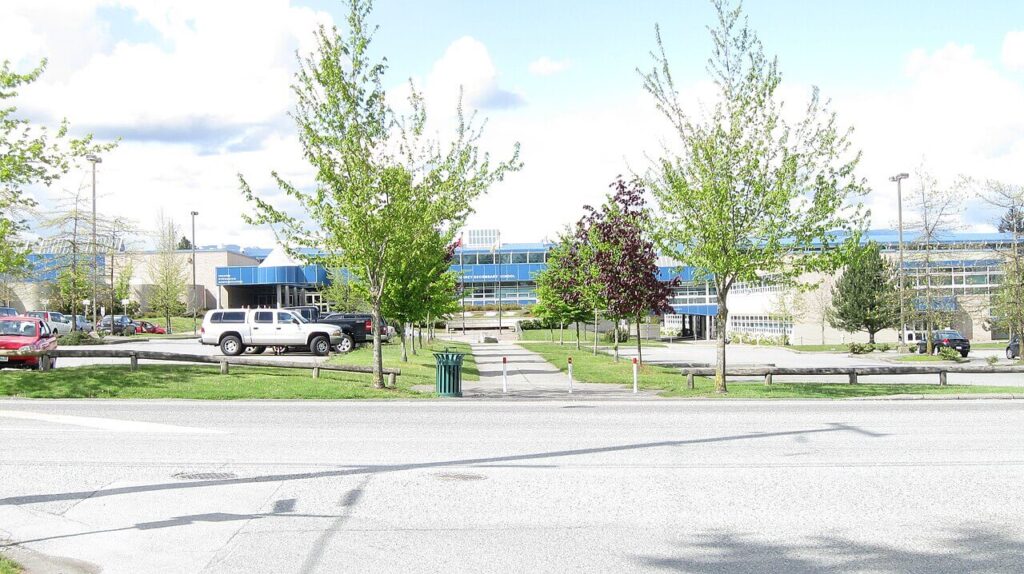
North Surrey Secondary (SD36): a neurodiversity-informed policy critique
North Surrey Secondary’s 2024–25 Parent/Student Handbook presents itself as a practical guide to daily school operations, but its conduct code reveals a disciplinary framework anchored in behavioural control, punctuality, and compliance. Its language reflects a pre-neuroscience understanding of student behaviour, one that frames regulation as obedience, distress as misconduct, and support as conditional upon conformity.…
-
Punishment is not a good learning tool
In Altered Neural Responses to Punishment Learning in Conduct Disorder, researchers examined how young people learn from punishment and reward using fMRI and computational modelling, and the findings show that punishment-based approaches produce weak and unreliable learning signals in a significant subset of youth. The study followed 174 young people (ages 9–18) who completed a…
-

A guide to avoiding the most common mistakes in inclusive-education policy reform
Across British Columbia, school districts are refreshing handbooks, conduct codes, safety plans, and “inclusive education” frameworks—possibly in the shadow of the Ombudsperson’s systemic investigation into exclusion. These documents signal responsiveness, yet many still recreate the same structural conditions that generate exclusion in the first place. For example, Cariboo-Chilcotin School District 27’s Inclusive Education Parent Handbook,…
-

How do we get out of this mess?
British Columbia’s education system is breaking, and Surrey’s classroom evacuations—along with the rushed creation of the Classroom Clear Tracker—show how close we stand to systemic failure. Desperate times create desperate actions, and the crisis unfolding in public education pushes people into hurried choices shaped by urgency, fear, and the belief that any action feels better…
-

The architecture of responsibility in systems that harm
When a system produces predictable, patterned harm — exclusion, restraint, academic abandonment, institutional gaslighting, attrition framed as “choice,” disability-based discrimination — that harm arises from the structural design of the system itself, because structures generate outcomes with the same reliability that rivers carve their beds, and structures reveal the priorities of the province long before…
-

Every bureaucracy overvalues secrecy and undervalues the inevitability of exposure
Bureaucracies function through layers of reporting and review, and these layers create an administrative environment where information moves upward in controlled pathways that privilege institutional interests, because officials rely on curated datasets to demonstrate capability, and these curated datasets shape public understanding. The structure rewards leaders who present clean numbers and reassuring summaries, and this…
-

On children, war, and remembrance
Each November, we are asked to pause—heads bowed, hearts heavy—to remember the lives destroyed by war. Yet remembrance without reckoning becomes ritual, a polished echo of conscience that lets the same moral logic continue unchallenged. Every essay in this series has exposed a fragment of that logic: how endurance became virtue, how obedience replaced empathy,…
-

The role of infighting in maintaining scarcity, hierarchies, and exclusion
This piece is unfinished, but it feels necessary. I am still learning how to move through anger toward something that might resemble repair or solidarity. I am not writing a strategy or a manifesto; I am writing what I see, what keeps happening, and how it feels to live inside it. The truth, when spoken…
-

Counting crisis: data, distrust, and the false choice between safety and inclusion
Across British Columbia, the launch of Surrey DPAC’s Room Clear Tracker has ignited a storm of debate among parents, educators, and disability advocates. Some view it as a necessary step toward transparency; others fear it will reinforce stigma or justify segregation. Beneath the surface of this argument runs a deeper fracture—between those who seek safety…
-

Controversy over Room Clear Tracker
When we first shared the launch of Surrey’s Room Clear Tracker, we saw it as a potential step toward long-overdue transparency. For many families, including my own, the absence of data about classroom evacuations has preserved the illusion of safety while concealing the scale of harm. The idea that someone, finally, was counting felt like…
-

A war on joy: discipline, obedience, and the disabled body
An examination of how education absorbs military and capitalist values—discipline, endurance, and efficiency—until joy becomes a threat to order. This piece argues that the rationing of joy for disabled students is both an ethical and structural failure, transforming learning into control and endurance into a false measure of worth.
-

Record. Transcribe. Protect.
The Canary Collective’s Record. Transcribe. Protect. reminds us that advocacy depends on memory, and memory depends on record-keeping. Their piece describes how recording school meetings transforms fleeting conversation into an accountable record. Parents often leave IEP meetings with blurred recollections and verbal promises that never appear in writing, and the simple act of recording and transcribing…
-

What they say when you leave the meeting
Canary Collective’s piece The Apple Doesn’t Fall Far from the Tree: What’s Said About Parents After They Leave the Room tells what often happens after parents leave a school meeting. The talk shifts away from the child and turns toward the parents. People start guessing what is “wrong” at home instead of asking what the…
-
The architecture of harm, the anatomy of healing
Each year when the light thins and the trees surrender their leaves, we are reminded that systems rot slowly, from the inside out, while pretending to stand tall. The fluorescent hum of classrooms carries through the shorter days, and the rhythm of school life resumes its weary repetition—meetings, promises, half-measures. Parents sit again in plastic…