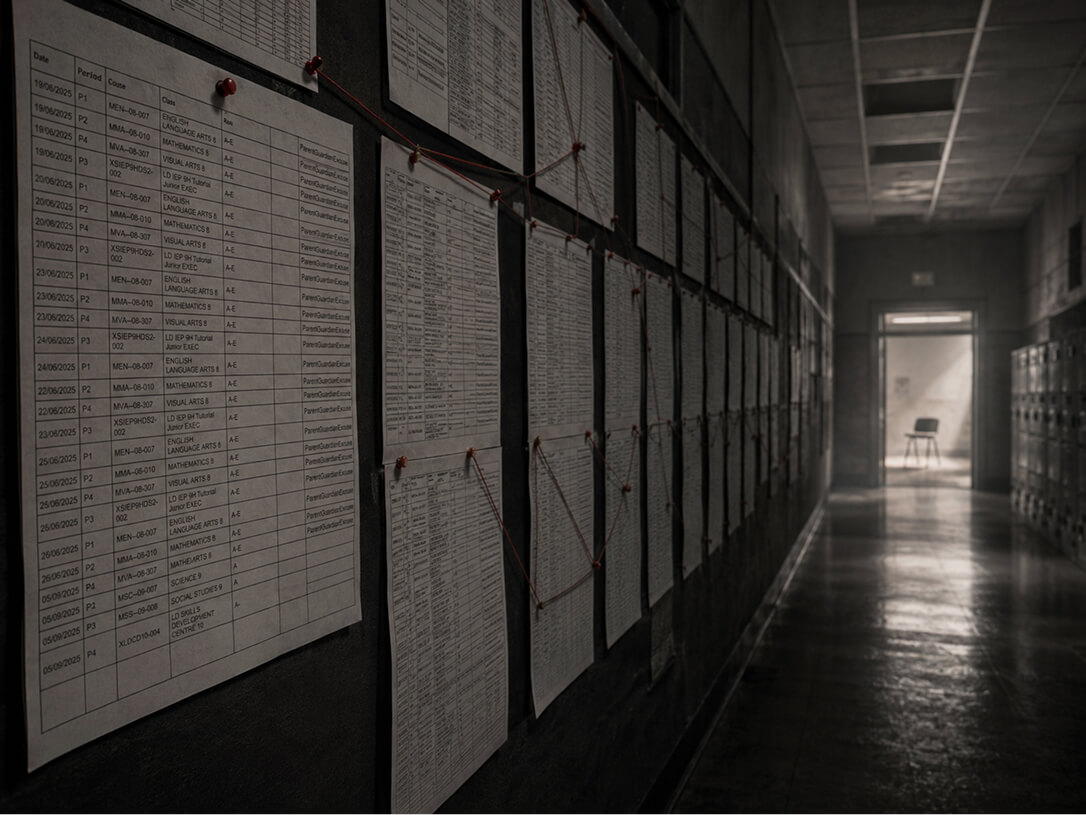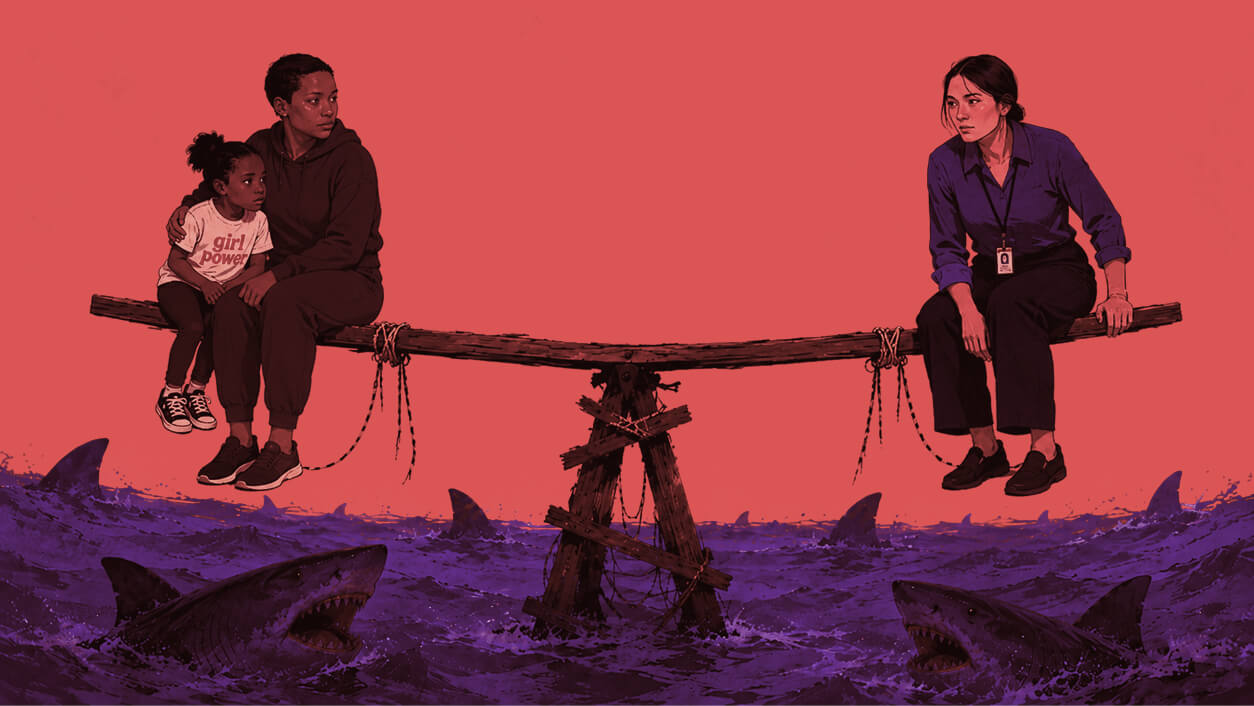
The Canary Collective’s Record. Transcribe. Protect. reminds us that advocacy depends on memory, and memory depends on record-keeping. Their piece describes how recording school meetings transforms fleeting conversation into an accountable record. Parents often leave IEP meetings with blurred recollections and verbal promises that never appear in writing, and the simple act of recording and transcribing restores both clarity and power.
Recording captures what was said rather than what was later remembered, freeing parents to stay emotionally present while still preserving every commitment. Transcription then turns that raw audio into a usable document—something that can be reviewed, organised, and shared calmly after emotions have settled. The article reminds readers that our brains prioritise safety, not stenography, under stress; revisiting the conversation later allows for understanding, reflection, and thoughtful follow-up.
The Canary Collective frames documentation not as an act of suspicion but as an act of dignity. When every voice and promise is traceable, meetings become transparent, and families can advocate from evidence rather than memory. Their closing lines echo the heart of advocacy itself:
Clarity is protection.
Accountability is advocacy.
-

Record your meetings
In Canada, you can record meetings legally. You only need one person’s consent—and that’s you. That matters because, in practice, there is often no reliable record of what happens in school meetings. Minutes are sparse. Details disappear. Commitments soften or vanish. When you later request your child’s file, you may find very little there—often just the documents you submitted yourself. If nothing is written down, nothing is accountable. A recording gives you something solid to work from. It captures what was said, who said it, and what was agreed. It takes the pressure off your memory and gives you a…