

Disabled Parenting
The school system is not designed to support families when the caregiver is disabled or chronically ill. These posts reflect on institutional ableism, neuronormative bias, and the systemic erasure of disabled parents in education. What happens when the person writing the emails, attending the meetings, and asking for help also needs accommodations to participate fully? Here, we trace the invisible labour of disabled caregiving—exhausting, ingenious, and often ignored. The Disabled Parenting Project (DPP), part of the National Research Center for Parents with Disabilities, is a community-led initiative that shares lived experience, challenges systemic discrimination, and generates policy-relevant research by and for disabled parents—including those navigating neurodivergence.
-

Your accommodations, too
You arrive at the IEP meeting already tired. You have been awake since five, rehearsing the three sentences you practised last night; you put on something other than sweatpants, to look the part; you have swallowed the coffee that makes the morning bearable at the cost of the indigestion and tremor in your hands, which…
-
Exclusion is economically irrational and the hidden costs of refusing accommodation
BC schools spend more money refusing accommodation than providing it. Learn when hiring a lawyer becomes the only fiscally rational choice for your family.
-
Navigating school meetings without losing your mind
School meetings occupy a particular kind of hell where institutional power performs collaboration while enacting control, where districts convene parents to discuss their child’s struggles without acknowledging the system produces those struggles through inadequate accommodation, and where the meeting itself functions less as problem-solving forum than as liability management theatre, generating documentation that protects the…
-

Why the evolving understanding of childhood terrifies systems built on scarcity
Children now arrive at school shaped by homes that honour physiology over performance, autonomy over obedience, and co-regulation over fear, and this shift grows from a decade of relational neuroscience, trauma literacy, sensory understanding, and disability justice that families have absorbed far more quickly than schools, which leaves discipline ideology standing on crumbling ground because…
-

Advocacy in BC schools: a comprehensive guide for parents
When your child experiences harm in a British Columbia public school—when they are excluded, punished unjustly, denied accommodations, or subjected to practices that violate their dignity—you enter a landscape designed to exhaust rather than resolve, to defer rather than repair, to protect institutional reputation rather than protect children. This guide maps that terrain, naming the…
-
The children don’t see autism, they see meanness
How schools weaponise ableism through gendered care expectations. Harm amplified by systemic ableism The principal once told me, almost as an aside, that the children “don’t see autism, they see meanness.” It was meant as an explanation, but to me it landed as an indictment of a school culture—to let that ableist misunderstanding stand unchallenged.…
-
Human Rights Tribunal complaints are designed to exhaust
There is a silent calculus embedded in every human rights complaint: how much of your energy, your time, your composure, and your life force are you willing to lose in order to gain a largely symbolic victory. For those of us who have faced institutional harm the question is often whether we can survive the…
-
The orange shirt I folded
I was folding laundry late one night, brain running on the kind of background grief that rarely quiets, when my hand closed around the orange shirt. I moved to set it aside—automatically, instinctively—because I remembered September was coming, school would be starting, and Orange Shirt Day would follow quickly after. That shirt would be needed…
-
The compliance economy
In their article Of Sinners and Scapegoats: The Economics of Collective Punishment, J. Shahar Dillbary and Thomas J. Miceli argue that collective punishment emerges not merely as a failure of precision or fairness, but as a deliberate mechanism for preserving internal group cohesion. The scapegoat, must be non-random, visible, and different, and their suffering must be…
-
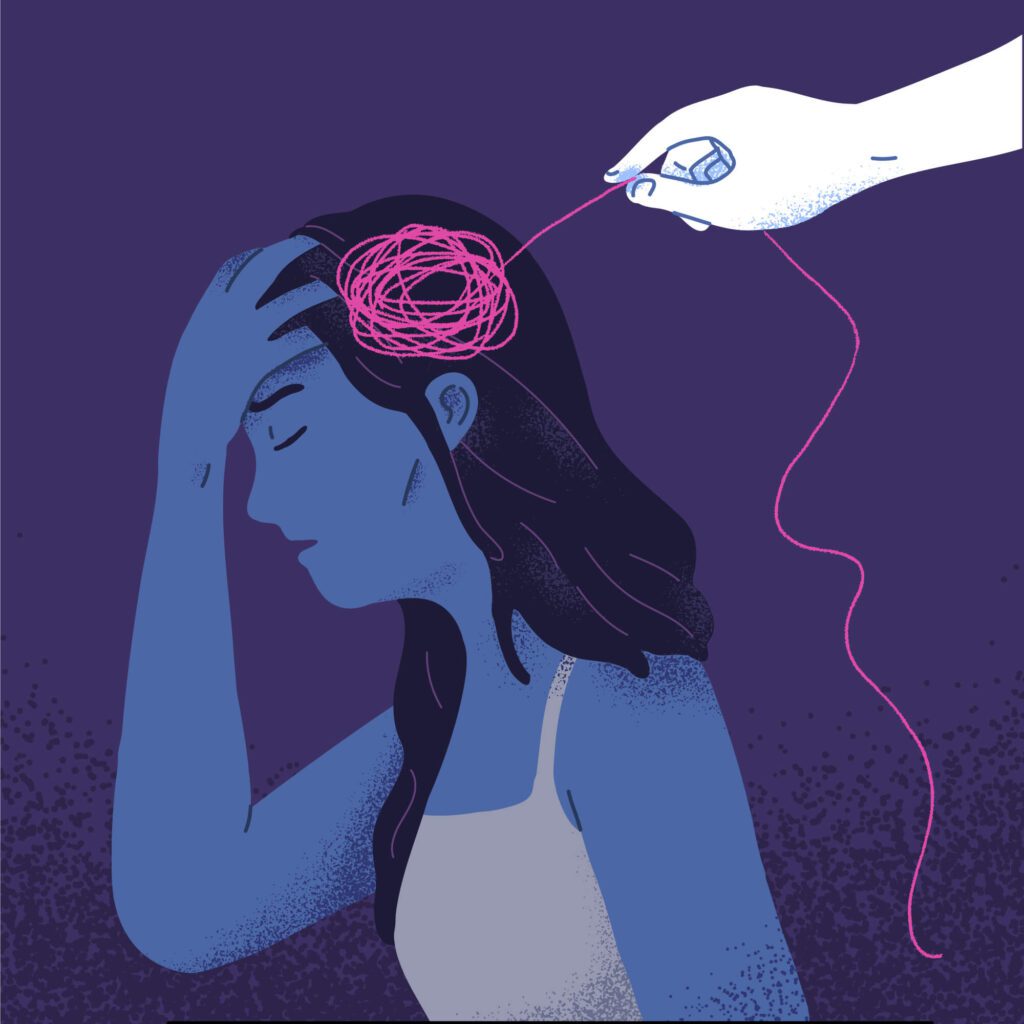
The unseen wounds of advocacy: caregiver burnout, moral injury, and embodied grief
Caregiver burnout in BC schools reflects moral injury and systemic betrayal, as mothers fight exclusion and harm while advocating for disabled children.
-
Bound by blood
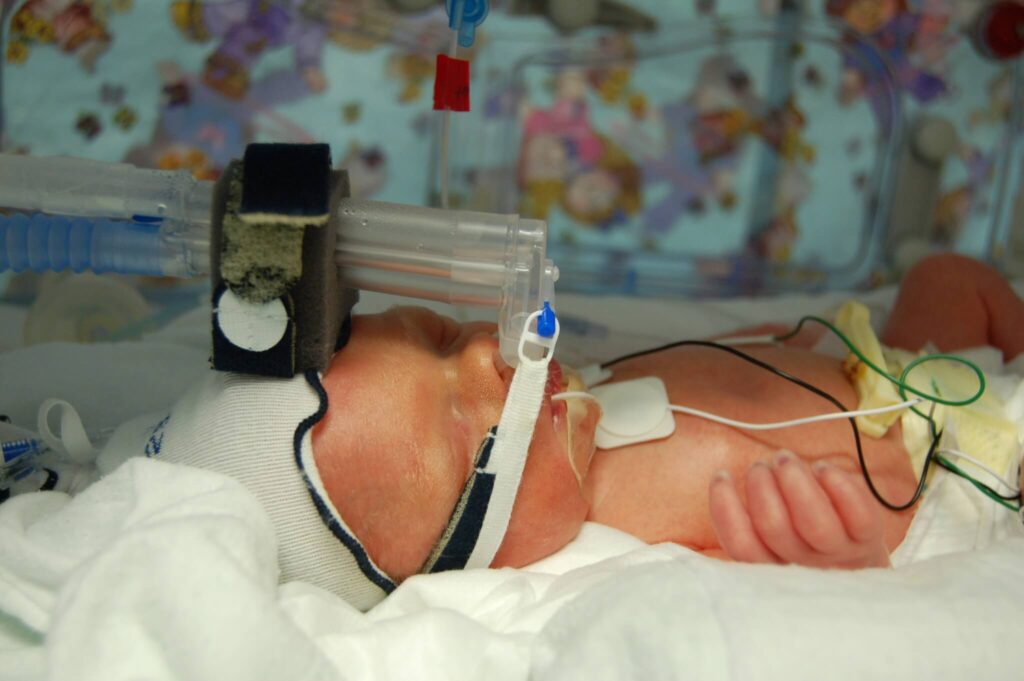
Maternal embodiment and the unbearable violence of institutional disbelief. We were once one body There is a biological, emotional, and moral reality so fundamental that no policy manual can contain it, and no professional training can domesticate it—my child once lived inside me. His limbs pressed against my ribs before they ever touched the outside…
-
Too competent to help, too angry to believe
The impossible performance of grace in systems that harm our children. Holding two pieces in tension This essay is written alongside a truth that cannot be softened. A truth that spills out, unsanitized, unmanageable, and fully lived. A truth that takes the form of intrusive thoughts, violent imagery, desperate poise, and carefully practiced restraint. That…
-

How do you live with yourself
Part of my neurodivergence is fatalism; part of it is hyperphantasia; part of it is the inability to look out at a beautiful landscape without imagining loss, rupture, and death, because even as a small child on the ferry to Victoria, while other people were looking out over the water and the mountains and the…
-

I have thought about writing her a letter
I have thought about writing her a letter—something long and deliberate, something shaped by memory and moral clarity, something that names what occurred and places it in her hands before the door finally closes. The idea moves through me with a kind of gravitational pull, neither urgent nor calm, just pressing and circling. I return…
-

What spoons can’t explain
The spoon theory was a revelation once. A metaphor for invisible disability. A way to say: I don’t have limitless energy. Every action costs. But like all metaphors, it eventually failed me. It suggests I have a drawer of spoons to begin with—something measurable, something I can manage. Something that implies I am in control.…
-
The price of being the one who says the hard thing
There is a moment that plays out in a thousand variations—at school pickup, on the playground, during track and field events—when a parent turns to you, warm and casual, and says, “How are things?”, and for the briefest fraction of a second, you forget the rules and answer honestly. You begin to speak—not with rehearsed…
-
Why school advocacy is a women’s issue
This site exists because public education systems harm children—and then gaslight the people who try to stop it. Those people are not randomly distributed. They are overwhelmingly women. Advocacy is a women’s issue not because women are naturally better at it, or more available, or more nurturing. Advocacy is a women’s issue because institutions depend…
-

Engineered famine in public education
In British Columbia schools today, we are not facing a behaviour crisis—we are facing a famine of care. This essay weaves together personal memory, systemic critique, and deep empathy for teachers and families alike to ask why our schools are starving the very relationships that children need to learn and thrive. It calls for an…
-

This broke me: a parent’s experience of school advocacy
Parenting is not a monolith. Neither is disability. Every family walks a different path, shaped by bodies, resources, identities, and institutions. This piece reflects one perspective—mine—as a disabled parent navigating systemic harm, health collapse, and the fierce love that remains. It is not universal. But it is real. The cost Parenting disabled children is not…
-
The politics of politeness: how tone-policing silences parent advocates
When a parent dares to speak plainly about harm—especially when that harm is systemic, ongoing, and inflicted upon a disabled child—they are swiftly met with a familiar response: watch your tone.