

Discipline
“Discipline” in schools is often framed as a way to teach responsibility—but in practice, it frequently functions as a system of control. From detentions and suspensions to exclusion from class activities and informal isolation, discipline disproportionately targets disabled, racialized, and neurodivergent students. It punishes distress, rewards compliance, and pushes children out of learning when they most need support.
This tag collects posts that examine how discipline is used in BC schools—formally and informally—as a response to behaviour that stems from unmet needs. It includes analysis of school and district conduct policies, Ministry guidance, suspension data, and human rights obligations. It also explores how classroom-level discipline (like loss of recess or group punishments) contributes to institutional harm.
We believe discipline, as it’s currently practiced, often prioritizes order over justice, and control over care. Real accountability doesn’t come from shame or exclusion—it comes from understanding what children are trying to communicate, and building systems that meet those needs without causing further harm.
-
Sooke School District (SD62) secondary schools: a neurodiversity-informed policy critique
The Sooke School District secondary code of conduct opens with the steady, reassuring cadence of a district reading its own values back to itself: schools are “places for safe, purposeful learning,” conduct is “a shared responsibility of students, staff, parents / guardians and the broader community,” and every member carries an obligation to “support learning,”…
-

Champlain Heights Annex School (VSB SD39): a neurodiversity-informed conduct critique
Champlain Heights Annex School’s Code of Conduct promises a safe, inclusive, equitable, welcoming, nurturing, and healthy school environment. The document aligns explicitly with Vancouver School Board’s District Student Code of Conduct (AP 350), affirms the BC Human Rights Code, and structures behavioural expectations through a three-level consequence framework extending from classroom redirection to formal suspension.…
-
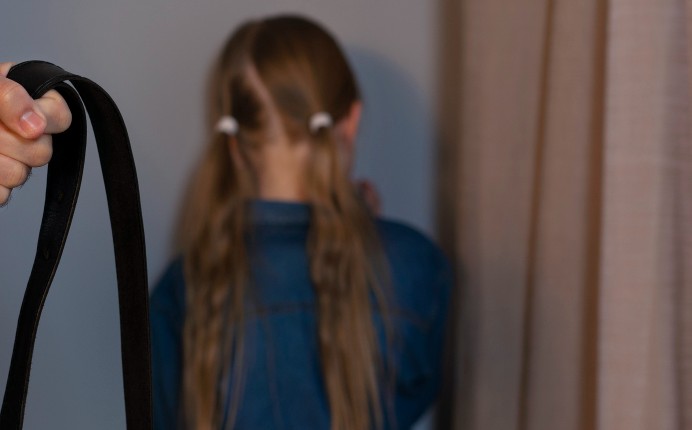
School discipline in British Columbia: what parents of disabled children need to know
In British Columbia, school discipline is usually described as a neutral, even benevolent process. Brochures reassure parents that discipline is not punishment, that it teaches self-control, and that consequences help children learn responsibility. The Vancouver School Board’s Discipline at Home and School guide follows this script exactly. It explains that: On paper, this sounds reasonable.…
-

Lord Beaconsfield Elementary School (SD39 Vancouver): a neurodiversity-informed policy critique
Lord Beaconsfield Elementary School’s Code of Conduct, reviewed June 19, 2024, presents itself as a framework for creating a “safe, inclusive, equitable, welcoming, nurturing, and healthy school environment.” The document employs the language of care, respect, and community while constructing a disciplinary architecture that presumes neurotypical development, rewards compliance, and positions disability as exceptional deviation…
-
What research says about school conduct codes and disabled students
This explainer summarises what a small but influential group of scholars have shown about school discipline policies, student codes of conduct, and how these frameworks disproportionately harm disabled and neurodivergent students. It draws especially on the work of Catherine K. Voulgarides, Russell J. Skiba, Daniel J. Losen, David Osher, and Edward Fergus. Where possible, citations…
-

Pacific Heights Elementary School (SD36): a neurodiversity-informed policy critique
The Pacific Heights Elementary Code of Conduct positions the school as a community of “learners (curiosity, humility, engagement, wonder, delight, creativity, collaboration, passion)” and emphasises “care for self, others, and the environment,” framing positive relationships as “foundational to learning.” This aspirational preface signals a relational ethos. Yet the operational sections reveal a blend of restorative…
-
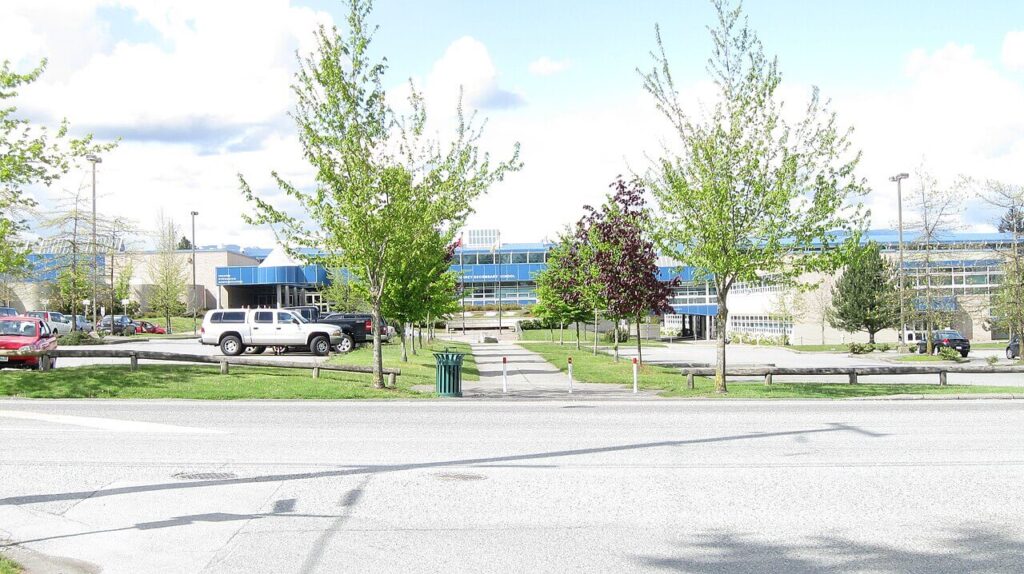
North Surrey Secondary (SD36): a neurodiversity-informed policy critique
North Surrey Secondary’s 2024–25 Parent/Student Handbook presents itself as a practical guide to daily school operations, but its conduct code reveals a disciplinary framework anchored in behavioural control, punctuality, and compliance. Its language reflects a pre-neuroscience understanding of student behaviour, one that frames regulation as obedience, distress as misconduct, and support as conditional upon conformity.…
-

North Okanagan-Shuswap (SD83): a neurodiversity-informed policy critique
School District 83’s Policy 310 Student Code of Conduct, amended December 14, 2021, presents itself as a framework for “safe, respectful, and inclusive learning and working environments for all members of its school communities.” The policy commits to restorative approaches, acknowledges that consequences should be “preventative and restorative in nature,” and states explicitly that “appropriate…
-

Serpentine Heights Elementary (SD36): a neurodiversity-informed policy critique
Serpentine Heights presents its Code of Conduct as an affirmation of safety, inclusion, and communal care. The opening commitments describe a school that values belonging, co-constructed routines, and dignity for every learner, offering a vision of education rooted in relational safety and shared citizenship (p. 1) . This framing gestures toward a caring culture, one…
-
Flourishing as an ethical imperative
Like many of you, I caught CBC’s Ideas episode the other day, where philosopher Angie Hobbs spoke about the ancient Greek concept of eudaimonia—a term sometimes translated as happiness or welfare, but more richly understood as human flourishing. In a world flooded by crisis, it may seem indulgent or impractical to contemplate the good life,…
-
Joy is rationed for disabled kids in school
When disabled children are excluded from field trips, they are being punished for their needs. These joyful, formative experiences become conditional—offered only to those who mask well, follow rules, and cause no disruption. In British Columbia, this widespread practice violates both law and conscience. Inclusion that ends when the bus departs is not inclusion at…
-

What looks like a reward is often a repair
When a child returns from the office with gummy worms or a cartoon, it may look like a reward—but often, it is a repair. In a system built on scarcity, the smallest gesture of care is mistaken for indulgence. This essay reframes the narrative around “rewarding bad behaviour” to reveal what is actually happening beneath…
-

Resist the urge: A student’s call to end collective punishment
Sometimes, the clearest truths are spoken by those closest to the harm, and in this compelling public speaking presentation, one student delivers a simple, resonant message with unmistakable clarity: resist the urge to punish everyone for one person’s mistake. Across just eight minutes, this speaker distils the emotional cost, logical failure, and enduring relational harm caused…
-
Tell the Ministry: end collective punishment in BC schools
BCEdAccess recently reminded us that if families don’t speak up, the system assumes everything is fine. Writing letters to the Ministry of Education and Child Care is one way we can make our children’s experiences count—especially when those experiences involve exclusion, loss of support, or group-based discipline that punishes kids for behaviours linked to unmet…
-
Why I’m reviewing school codes of conduct
To the student who found this page because you typed something scared or confused or angry into a search bar—something like “are teachers allowed to take away recess?” or “can I be suspended for a meltdown?” or “why did my teacher say I wasn’t trying hard enough when I couldn’t stop crying”—this is for you.…
-
What replaced the strap in Canadian schools?
They took the strap away—or at least, they removed the physical instrument, the leather loop of institutional discipline that had once been the sanctioned mechanism of control in classrooms across the country. Even if we never felt it on our own skin, we knew what it meant; we had heard the sound of it slapped…
-
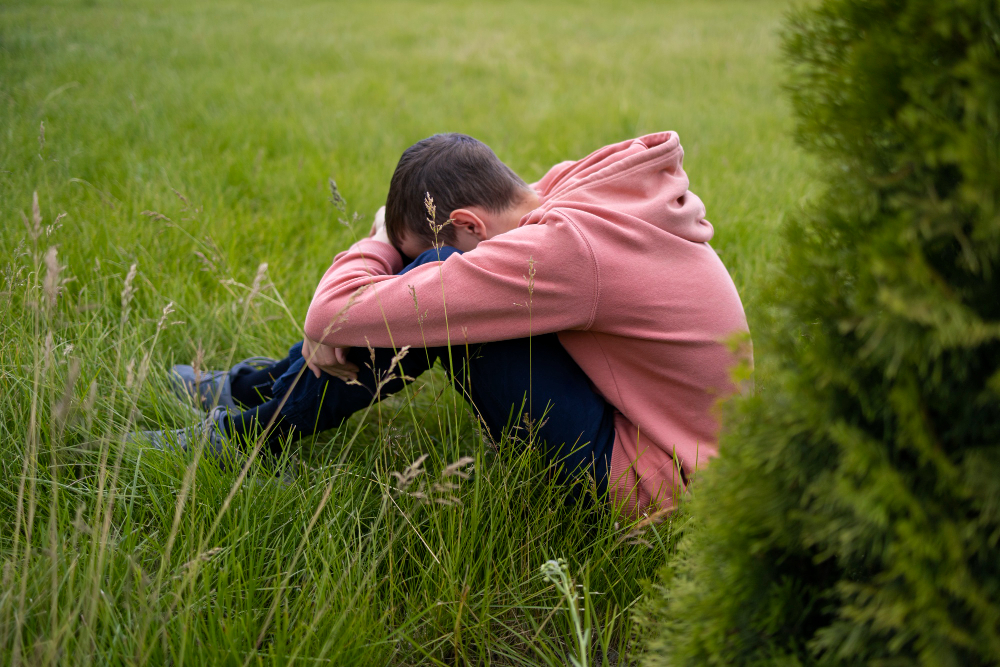
Punished for bed wetting
I’ve woken up in the middle of the night to help my children when they’ve wet the bed—perhaps after a bad dream or too much water before bedtime. I remember helping them change their clothes, stripping the bed, telling them gently: it’s okay. It happens. It’s a small moment that reminds me what care looks…
-

Fight flight fawn freeze: surviving school
There are children who throw chairs when cornered, children who slip quietly out the door or hide behind the portable, children who don’t speak for hours, who go limp, who answer every question with “I don’t know,” and children who nod and smile and say “okay” to everything—until they collapse at home, trembling and broken,…
-

Forgiveness, or whatever comes after disbelief
A friend asked me recently why I hadn’t filed more external complaints—human rights complaints, formal grievances, legal action. And it’s true. I should have. There were so many moments where I could have, where I had grounds to. And I believe deeply in the importance of external complaints. I’ve written about them. I’ve supported other…
-

How to talk about collective punishment: a conversation guide
This guide is for anyone who wants to help shift thinking around collective punishment in schools. It includes practical, respectful ways to respond when you see or hear something troubling — even if you’re not in a position of authority. Use it to plant seeds, ask good questions, and name harm without assigning personal blame.…