
Discipline
“Discipline” in schools is often framed as a way to teach responsibility—but in practice, it frequently functions as a system of control. From detentions and suspensions to exclusion from class activities and informal isolation, discipline disproportionately targets disabled, racialized, and neurodivergent students. It punishes distress, rewards compliance, and pushes children out of learning when they most need support.
This tag collects posts that examine how discipline is used in BC schools—formally and informally—as a response to behaviour that stems from unmet needs. It includes analysis of school and district conduct policies, Ministry guidance, suspension data, and human rights obligations. It also explores how classroom-level discipline (like loss of recess or group punishments) contributes to institutional harm.
We believe discipline, as it’s currently practiced, often prioritizes order over justice, and control over care. Real accountability doesn’t come from shame or exclusion—it comes from understanding what children are trying to communicate, and building systems that meet those needs without causing further harm.
-
Collective punishment in schools teaches the wrong lesson
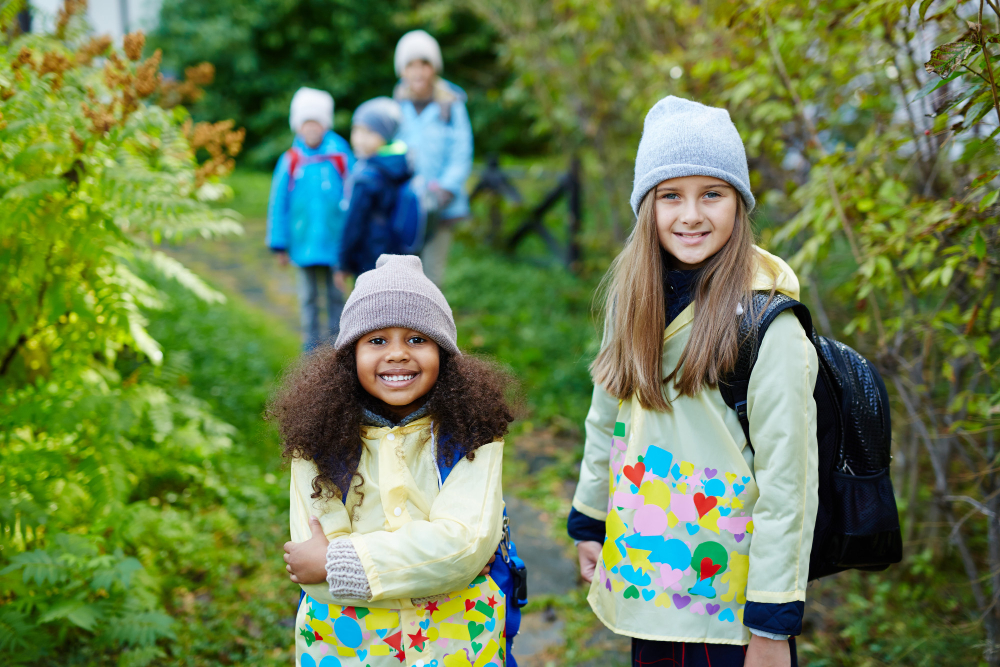
Imagine you’re at work, focused on your tasks, when your boss announces that no one can leave until two distracted coworkers finish their work. You’d be outraged, right? Yet, this exact approach—punishing an entire group for the actions of a few—is sometimes still used in elementary classrooms. In a recent article, Blair questions the pedagogical…
-

A teacher’s perspective on collective punishment
In this powerful TikTok video, Mr Trayvon reflects on his own past use of collective punishment in the classroom—and why he no longer believes it serves students. With candour and humility, he acknowledges the harm these practices cause, particularly to children already carrying the weight of trauma, neurodivergence, or social marginalisation. His shift away from…
-
Collective punishment–fair or farce?
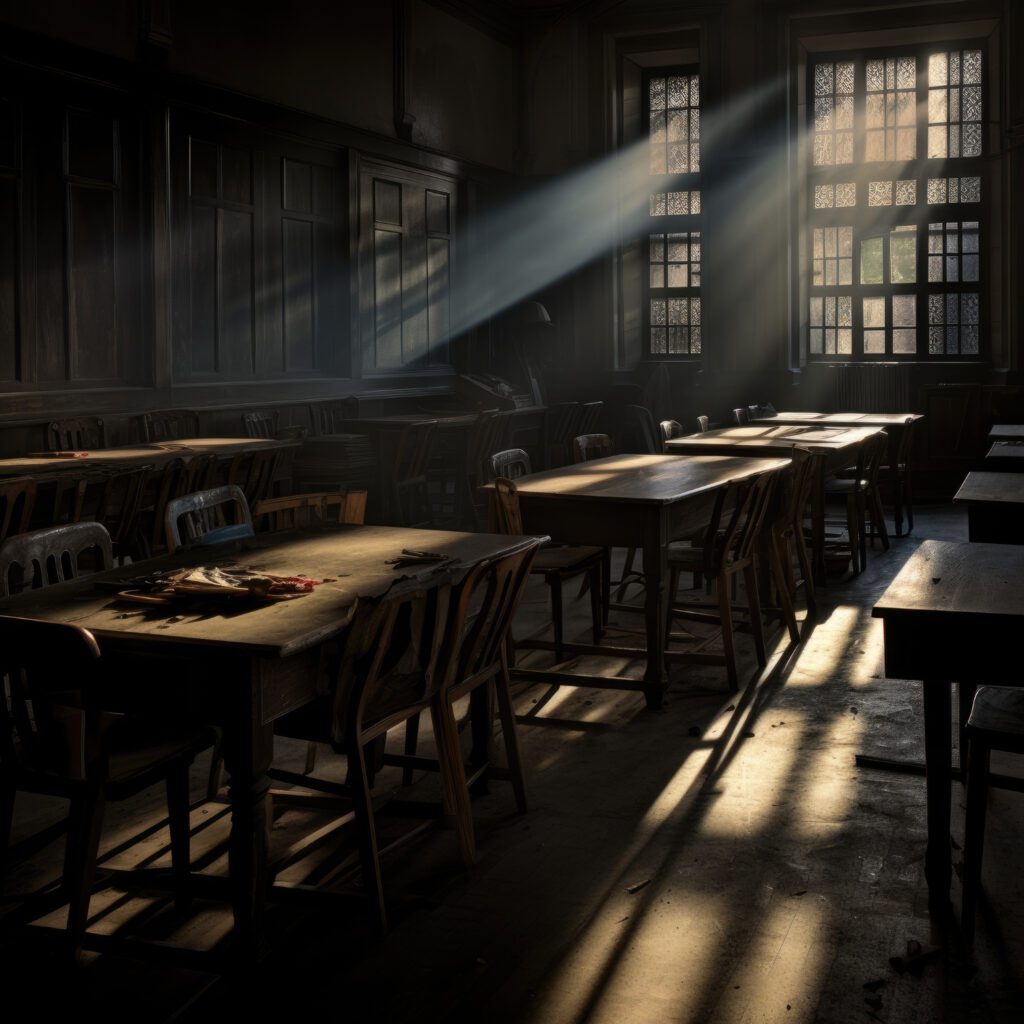
The practice of collective punishment in schools sparks strong opinions among educators, parents, and students alike. While some argue it helps maintain control and sends a message about group accountability, critics point out that it unfairly penalizes uninvolved individuals and damages trust within the classroom. This article dives into the debate, exploring: The piece concludes…
-
How children evaluate collective and targeted punishment
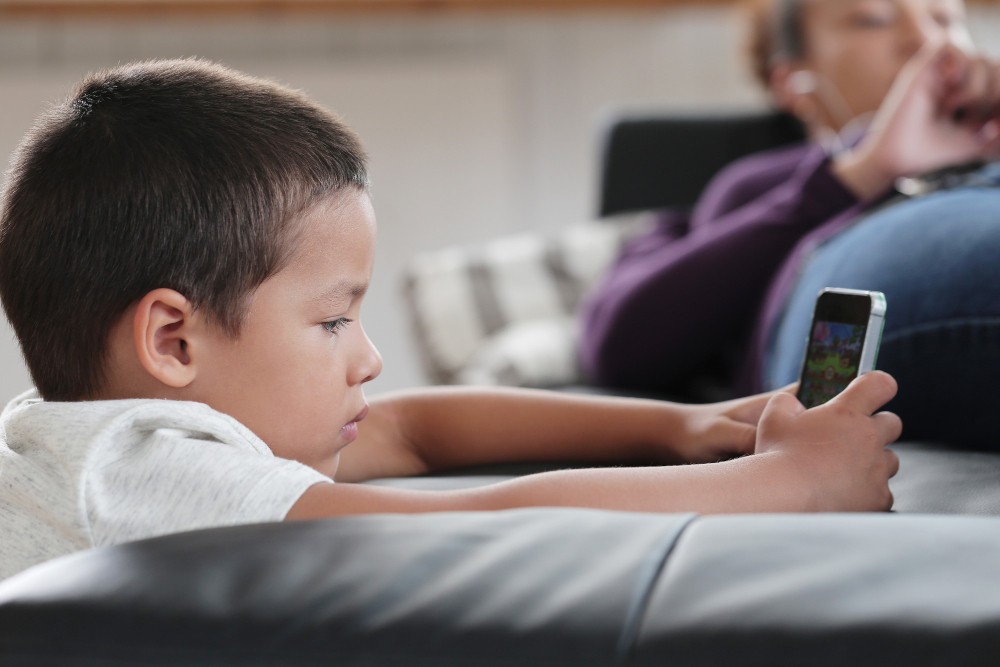
A recent study explores how children perceive fairness in different forms of punishment. The research, conducted with children of varying ages, compares their reactions to collective punishment (where an entire group is punished for the actions of a few) versus targeted punishment (where only the individuals responsible face consequences). The findings reveal that children overwhelmingly view collective punishment as…
-
Why collective punishment doesn’t work, based on scientific evidence
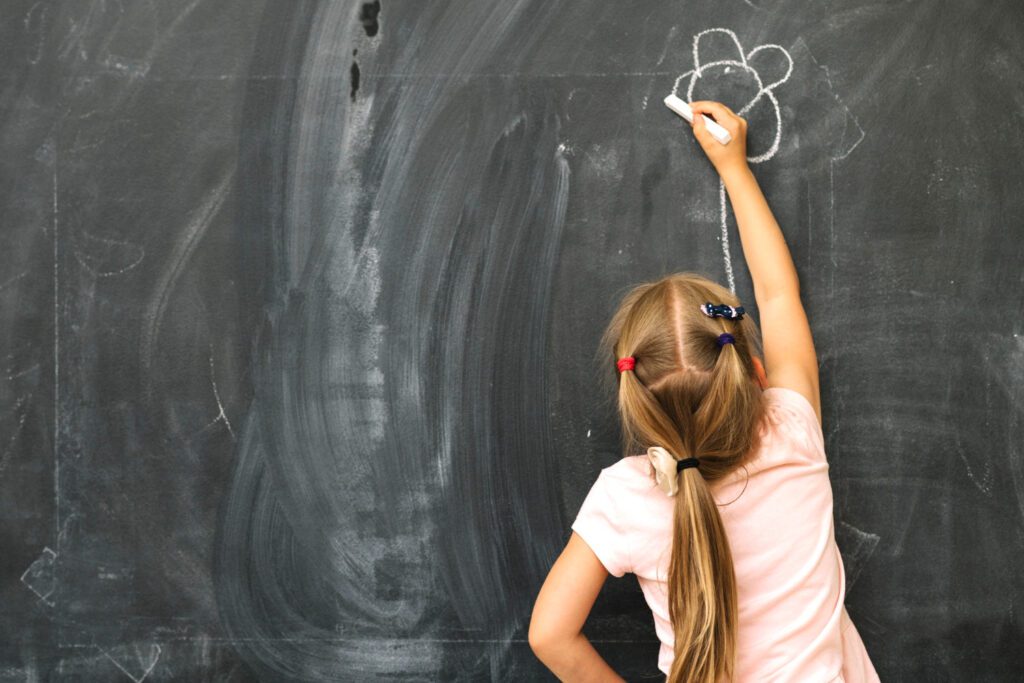
When we challenge collective punishment, defenders often fall back on one refrain: it works. They say it fosters accountability, motivates group norms, and deters misbehaviour. They claim it teaches responsibility. But what if these assumptions are not only unjust, but false? A peer-reviewed study published in Scientific Reports dismantles this defence. Titled Measuring the efficacy of…
-
Why i started this campaign
As a solution architect and parent of disabled children, I’ve seen the public education system from both sides. What I’ve found is not a system in crisis—it’s a system functioning exactly as designed: rewarding compliance, punishing difference, and quietly discarding those who don’t fit. This post explores how exclusionary practices like collective punishment persist in…