

Discipline
“Discipline” in schools is often framed as a way to teach responsibility—but in practice, it frequently functions as a system of control. From detentions and suspensions to exclusion from class activities and informal isolation, discipline disproportionately targets disabled, racialized, and neurodivergent students. It punishes distress, rewards compliance, and pushes children out of learning when they most need support.
This tag collects posts that examine how discipline is used in BC schools—formally and informally—as a response to behaviour that stems from unmet needs. It includes analysis of school and district conduct policies, Ministry guidance, suspension data, and human rights obligations. It also explores how classroom-level discipline (like loss of recess or group punishments) contributes to institutional harm.
We believe discipline, as it’s currently practiced, often prioritizes order over justice, and control over care. Real accountability doesn’t come from shame or exclusion—it comes from understanding what children are trying to communicate, and building systems that meet those needs without causing further harm.
-
How it broke me open: the unbearable clarity of seeing things as they are
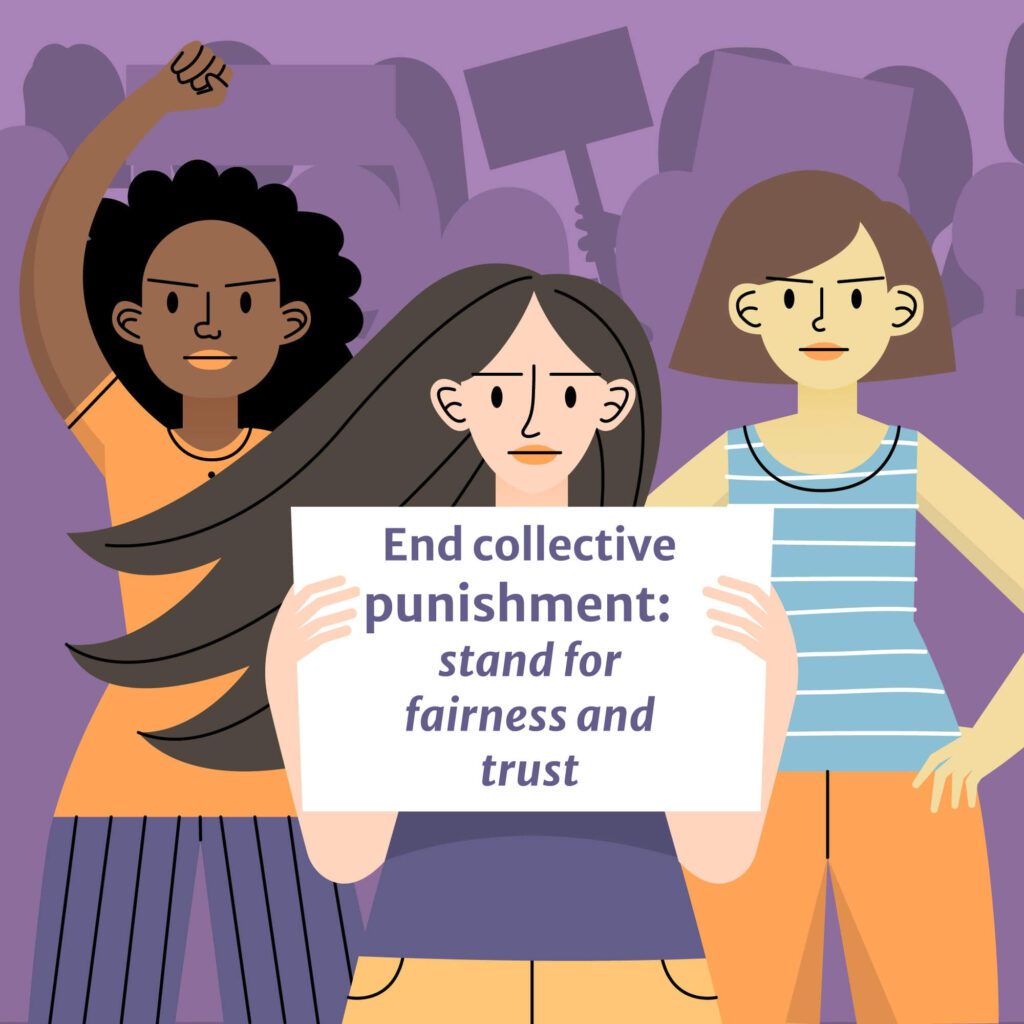
I know another reason the collective punishment incident was so devastating for me, like truly sent-me-spiralling kind of devastating, wasn’t just because of what was done to the kids (although yes, obviously that too), but because of what it broke in me, in how I’d been holding things together for so long with this scaffolding of…
-

The cost of being careful: how punishment rewires the brain for fear, not learning
There are classrooms where children learn to think, and there are classrooms where children learn to be careful. Too often, we pretend they are the same. But when punishment—especially collective or public punishment—dominates the emotional tone of a learning space, what emerges is not intellectual risk-taking or social responsibility. What emerges is fear. Surveillance. A…
-

How we change culture: From ashtrays to accountability in BC schools
Once, we smoked in office buildings. Not just on breaks or in private spaces—at desks, in meeting rooms, on airplanes. The haze of other people’s choices was something you had no right to escape. That was just how things were. Until it wasn’t. Now, the idea of someone lighting a cigarette during a staff meeting…
-

Columneetza Junior Secondary (SD27 Cariboo‑Chilcotin): a neurodiversity‑informed conduct critique
Columneetza Junior Secondary School 2024-2025 Code of Conduct affirms a mission of fostering respect, individual growth, and a sense of belonging within both school and community. It names safety, caring, and order as essential conditions for “purposeful learning.” The document outlines rights, responsibilities, and behavioural expectations for students and broader school actors, including parents and…
-
The moral cost of leaving children in fight-or-flight
Robin was eleven the day he fell and came up swinging. It was recess, and something had happened—a misstep, a bump, a collision on uneven ground. His body hit the pavement. And when he rose, disoriented and humiliated, the first thing in his path was his best friend. So he struck him, over and over.…
-

She graduated and this is what she learned
On raising a badass advocate, unintentionally. I didn’t set out to raise an advocate—I set out to raise a child. A child who might feel safe in her body and steady in her breath, who might look out at the world and feel drawn toward it rather than braced against it, who might trust her…
-

$10K and an NDA
Would 10K and an NDA make the most excellent name for a country song? I didn’t file a Freedom of Information request to stir conflict — I filed it because nothing made sense, and I needed a clue, any thread at all, to understand what had just happened to my family. I call FOIs the…
-

Apparently, starving yourself isn’t a serious mental health condition in VSB
There is a kind of harm that unfolds slowly — a hunger that accumulates across weeks and months, tucked beneath the surface of routines and well-meaning systems. My daughter is autistic, has ADHD, and a feeding disorder called ARFID. She eats quietly, cautiously, in ways that make sense to her nervous system. Her paediatrician recommended…
-
What would it really cost to fix the problem?
We talk so much about the cost of inclusion—as if it’s indulgent, optional, something that must be justified—but we rarely talk about the cost of exclusion. And those costs are everywhere: in emergency rooms, in overburdened case files, in classrooms where distress goes unseen. When schools can’t support disabled students, families fall apart trying to…
-

Galiano Community School (SD64): a neurodiversity-informed policy critique
The 2022–23 Code of Conduct for Galiano Community School is unusually rich in aspirational language. It describes a community of care rooted in mutual respect, emotional development, and responsive teaching. It affirms the BC Human Rights Code, references Positive Behaviour Support, and anchors its behavioural framework in the values of SOLE—Respect and Care for Self, Others,…
-
When harm comes from those entrusted to protect
The May 2025 consent resolution involving B.C. principal Pehgee Aranas offers a sobering reminder of the work that remains to make education safe, equitable, and trustworthy for all children—especially those from communities that have been historically harmed by the very institutions meant to support them. When a young First Nations student was physically punished by…
-

Cariboo–Chilcotin School District (SD27): a neurodiversity-informed policy critique
Cariboo-Chilcotin is one of the most geographically dispersed and demographically complex districts in British Columbia. Spanning small rural towns and remote Indigenous communities—including sites of historic and intergenerational trauma—SD27 faces significant challenges in providing consistent, inclusive, and safe environments for all learners. In June 2024, the Board adopted Policy 390: Safe and Caring School Communities, replacing…
-
Revoking recess as a form of collective punishment
Rules intended for safety become instruments of collective punishment when they erase unstructured play from the school day, compounding distress for children who rely on movement, predictability and sensory regulation. this post examines the disproportionate impact on neurodivergent learners and proposes targeted interventions that preserve every child’s right to play and learn.
-
Right to no discrimination
Every child has the right to learn and belong at school without being treated unfairly because of who they are. In British Columbia (B.C.), this Right to No Discrimination means public schools must welcome all students on equal terms, regardless of their race, Indigeneity, colour, ancestry, place of birth, religion, family background, sex, sexual orientation, gender identity, disability,…
-

When energy returns: on finding purpose, refusing silence, and recovering from institutional harm
When I could barely rise from the couch, I believed my exhaustion was depression. Now I see it was the cumulative harm of years spent silencing myself in hostile institutions, suppressing truth to protect my neurodivergent children. The body remembers this violence; it registers as a weight on the chest, a fatigue that resists all…
-
Don’t get stuck in ‘working it out’ purgatory
Time is money, as they say—but in the world of school advocacy, it’s mostly mothers paying the bill. They spend their work breaks writing emails. Their nights gathering documents. Their weekends holding their children together after another week of being failed. They do this unpaid, unsupported, and unseen. The cost isn’t just measured in hours—it’s…
-

The scarcity script: how manufactured famine shapes public education
British Columbia’s public schools are not suffering from a natural shortage—they are operating under a system of manufactured scarcity. This blog explores how austerity, rationing logic, and institutional self-preservation create harm for disabled students and their families. Drawing on thinkers like David Graeber, Wendy Brown, Ruth Wilson Gilmore, and Mariana Mazzucato, it reveals how scarcity…
-

Arrow Lakes School District (SD10): a neurodiversity-informed policy critique
The Arrow Lakes School District’s Policy 310, “Expectations for Student Conduct,” presents a succinct framework grounded in the language of safety, mutual respect, and orderly environments. It affirms the importance of rights-based protection against discrimination and sets the expectation that all schools will maintain up-to-date, locally developed codes of conduct. It allows for discretion, acknowledges…
-
The devastating impact of collective punishment
This is what collective punishment looks like. It teaches children that their belonging is conditional. It tells disabled students that when they slip up, they will not only be punished, but publicly shamed. And it tells their classmates that inclusion is dangerous—that proximity to a neurodivergent peer puts them at risk.
-
Trust undone: how collective punishment breaks the heart of the school
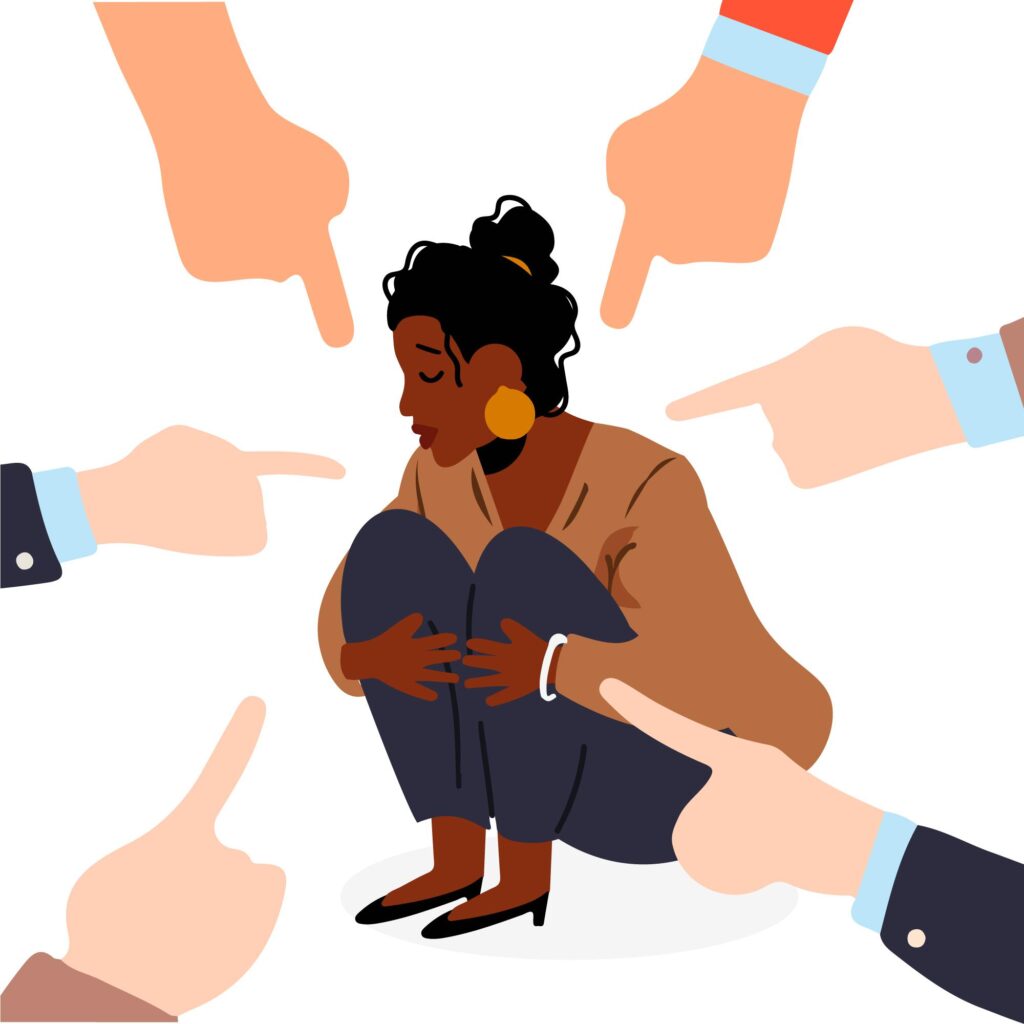
There is a kind of harm we don’t always name. Not bruises. Not bad grades. Not exclusion on paper. It is the slow unravelling of something more fragile—trust. The felt safety between a student and their teacher. The invisible thread between classmates. The quiet assumption that school is a place where fairness lives. Collective punishment…